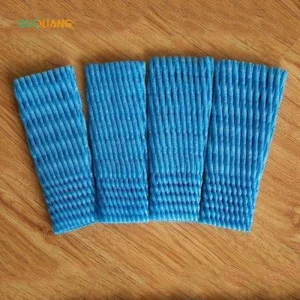
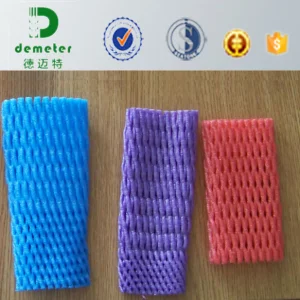
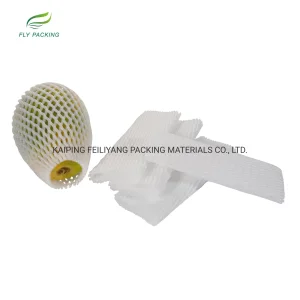
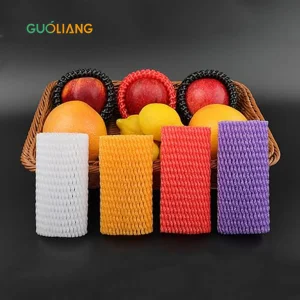
Explore our high-performance EPE foam net wrapping and knitted tubular netting options engineered to eliminate transit bruising and mechanical damage.
Spain remains the unquestioned powerhouse of European agriculture, acting as the primary orchard and garden region for the EU. Regions like Almería, Murcia, Valencia, and Andalusia produce millions of tons of citrus fruits, avocados, stone fruits, persimmons, and high-value vegetables every year. Yet, the road from Spanish soil to retail shelves across Germany, France, and northern Europe involves complex supply chains, demanding robust post-harvest solutions.
Losses caused by skin friction, impacts, or compression during transportation can reduce export profitability by up to 25%. Expanding use of EPE (Expanded Polyethylene) foam sleeves and HDPE tubular knitted mesh sleeves has become the industry standard for securing product freshness and cosmetic presentation.
Spanish packers face strict pressure under the national Ley de Residuos y Suelos Contaminados and the wider EU Packaging and Packaging Waste Regulation (PPWR). Sourcing light, highly compressible, and fully recyclable EPE and HDPE food-grade sleeves helps minimize packaging weight-to-product ratios, ensuring seamless customs clearance and retail compliance.
For Spanish agricultural exporters, balancing margins and protective quality is paramount. Purchasing packaging materials directly from Shandong PsiPrime Packaging Co., Ltd. provides clear competitive advantages:
Understanding the molecular configuration and performance criteria of modern agricultural protective sleeves.
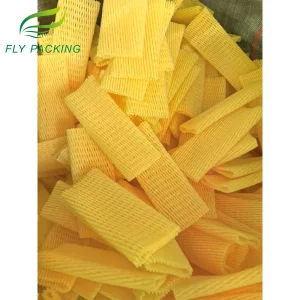
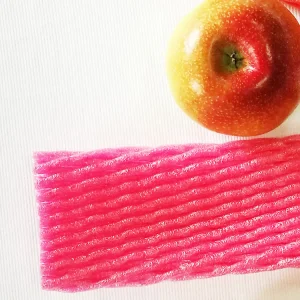
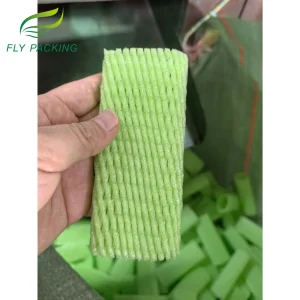
EPE foam nets utilize a closed-cell physical foaming structure, featuring hundreds of independent micro-cushions. The primary benefit of EPE is shock absorption. Under mechanical load during container vibration, these micro-cells absorb energy, preventing mechanical impact from reaching the skin of delicate fruits like pears, mangoes, and papayas.
The elastic memory of EPE allows the sleeve to expand smoothly over uneven shapes while gripping securely, eliminating friction slip. Breathable diamond mesh designs allow heat dissipation, stopping moisture condensation that accelerates rot.
High-Density Polyethylene knitted netting features high tensile strength and puncture resistance. These sleeves are widely applied to citrus fruits, garlic bulbs, and melons. Their flexible, lightweight structure makes them ideal for high-speed automated packing lines in Spain.
| Technical Metric | EPE Foam Sleeves | HDPE Knitted Netting |
|---|---|---|
| Density Range | 20 - 35 kg/m³ | 0.94 - 0.96 g/cm³ (raw material) |
| Primary Function | Shock absorption, scratch prevention | Ventilation, unit bundling, visibility |
| Elongation Ratio | 1:2 to 1:3 | 1:3 to 1:4 |
| Color Capability | White, Red, Green, Violet, Custom | High-definition Pigments available |
| Food Safety | FDA, EU 10/2011 Compliant | Heavy metal free, non-toxic polymer |
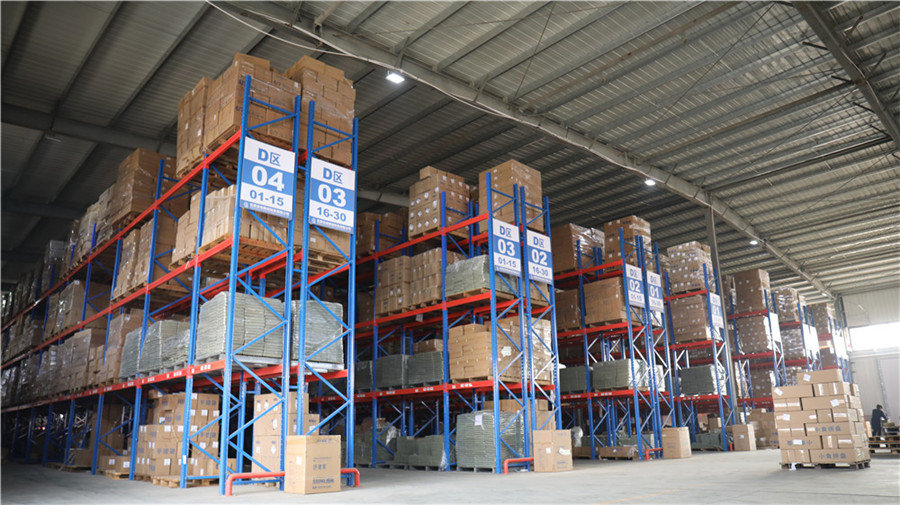
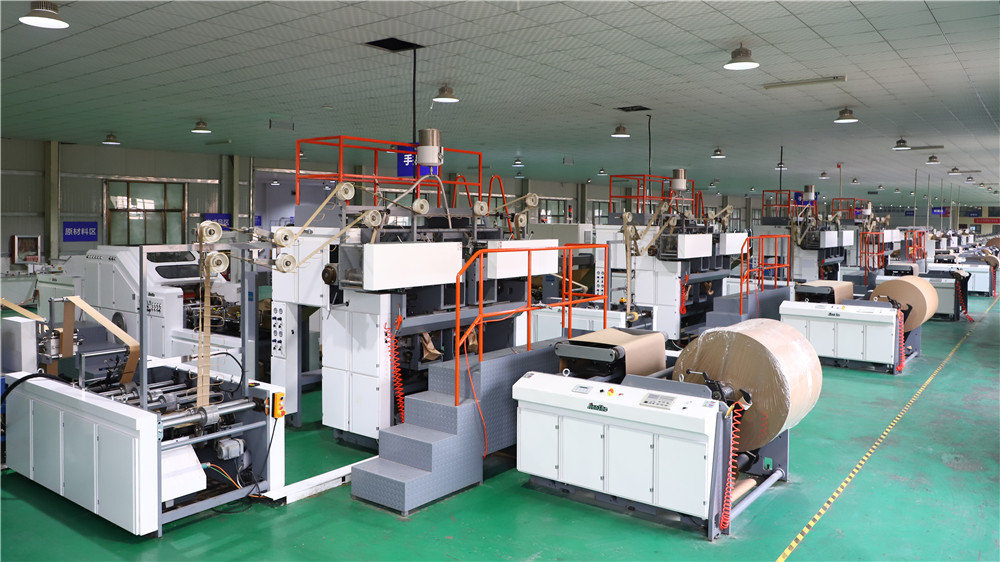
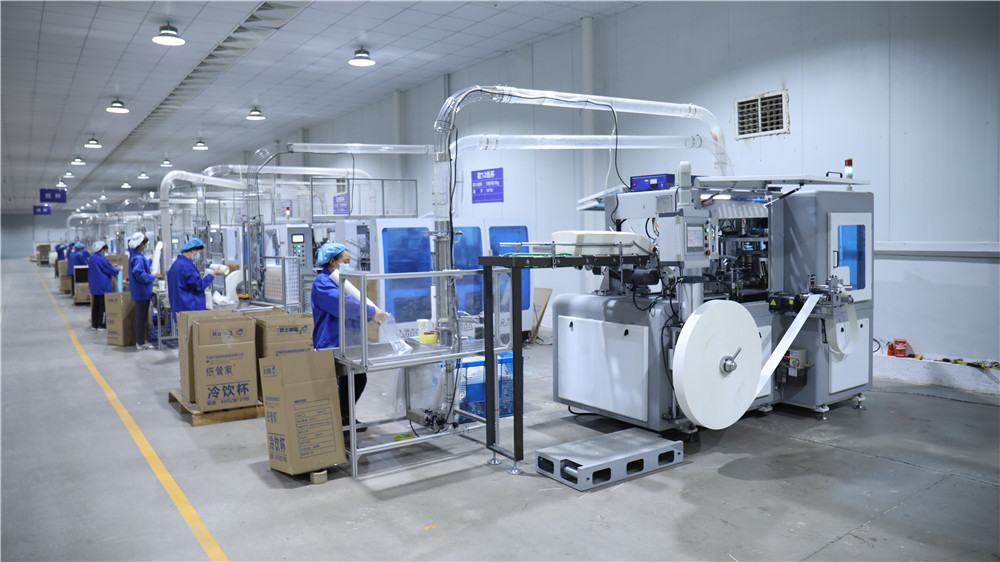
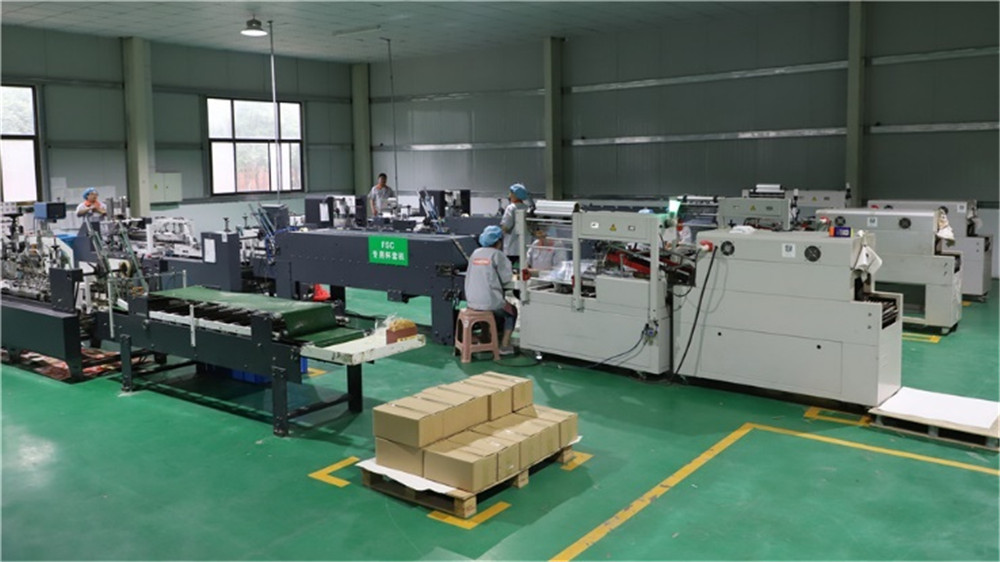
Shandong PsiPrime Packaging Co., Ltd. is committed to advancing sustainable packaging solutions and promoting the reduction of single-use plastics. Operating advanced production lines, we provide high-quality, food-grade packaging solutions to partners globally, with a strong focus on European trade zones.
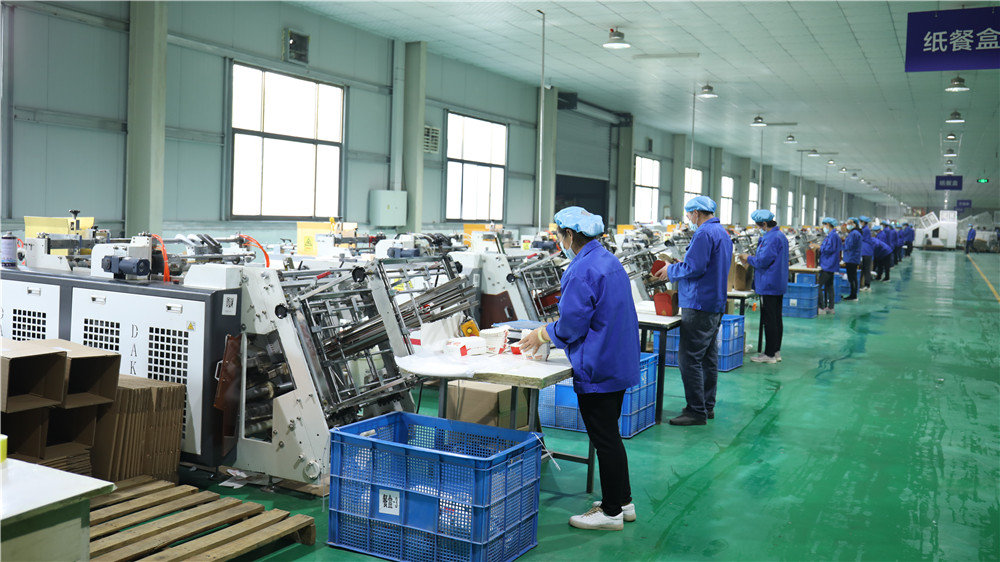
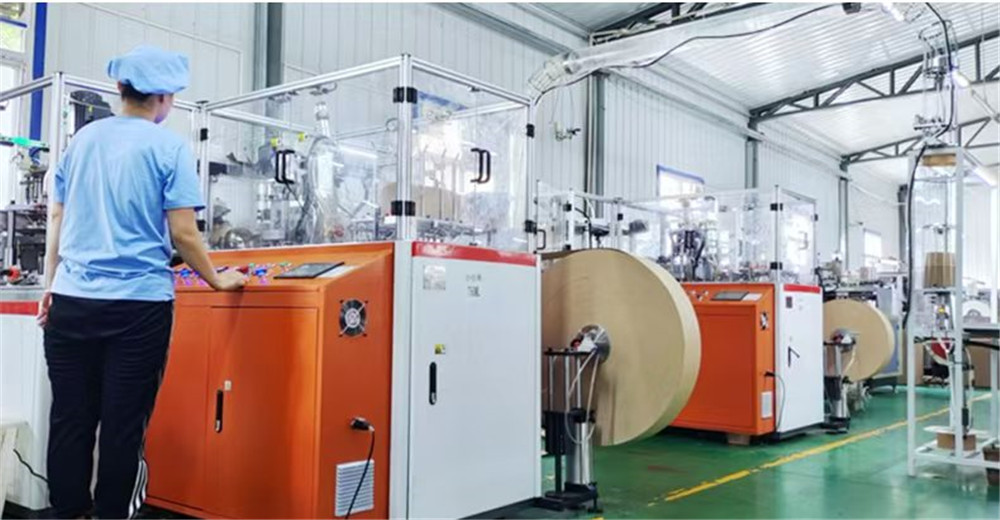
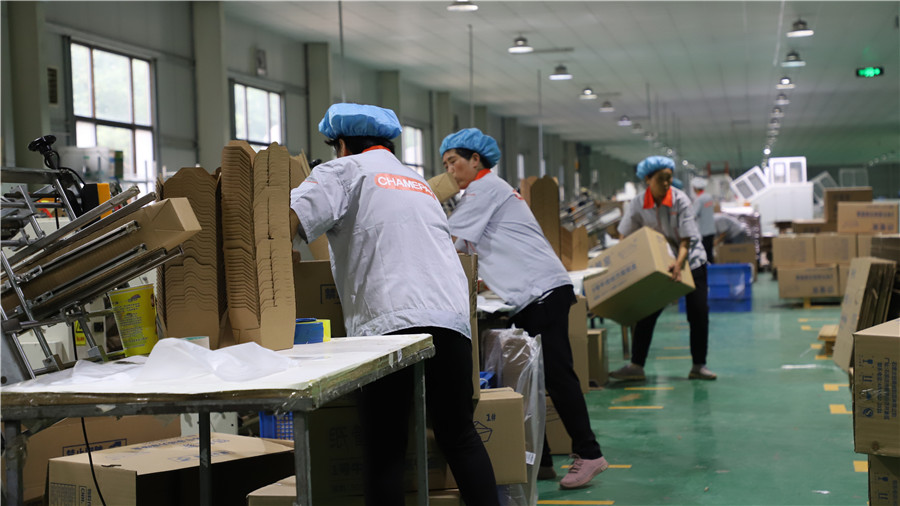
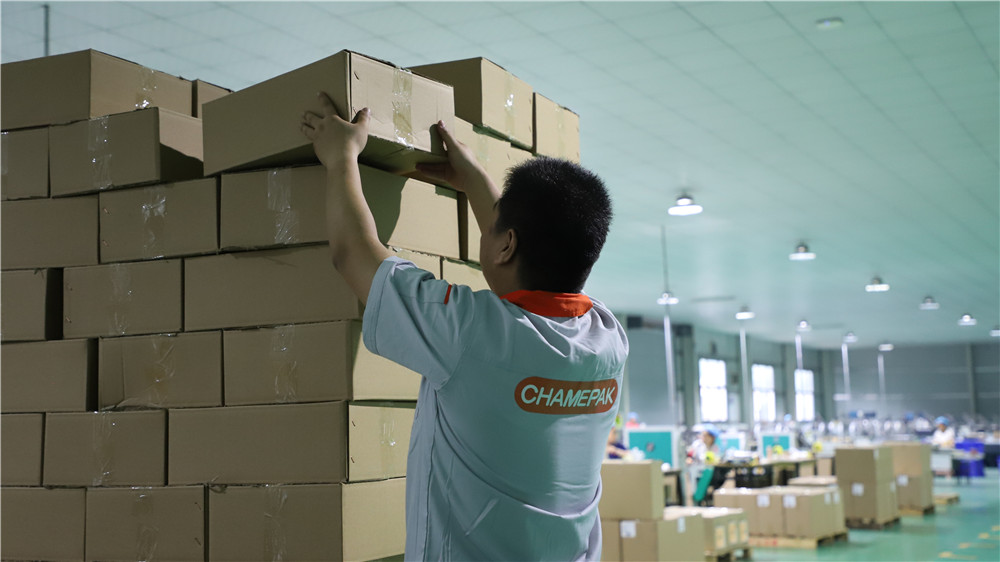
Our facility runs continuous high-efficiency extruders, precision cutting tools, and modern quality control systems. This enables stable delivery and reliable supply for global agricultural exporters. From raw materials to finished items, every batch undergoes strict testing to meet target standards.
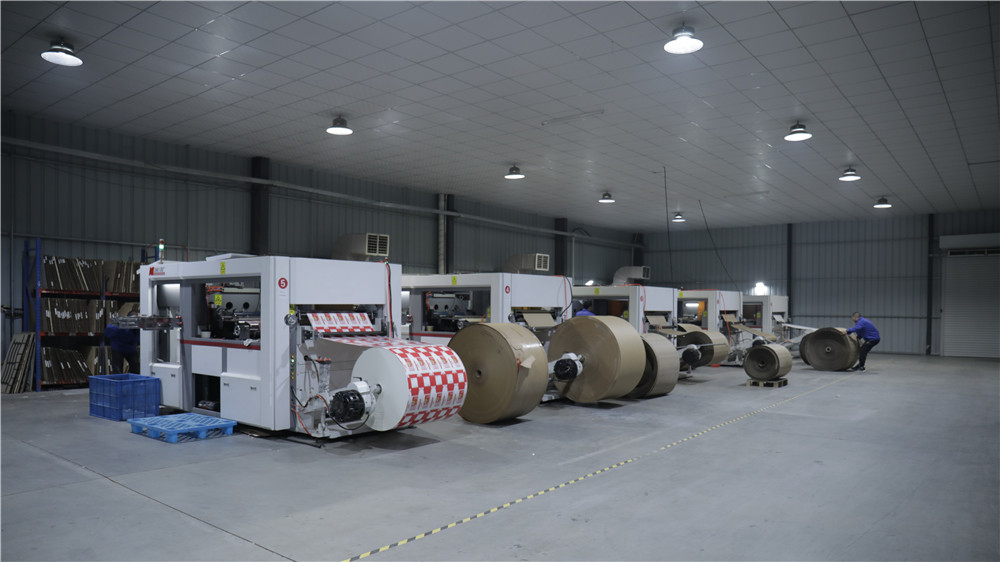
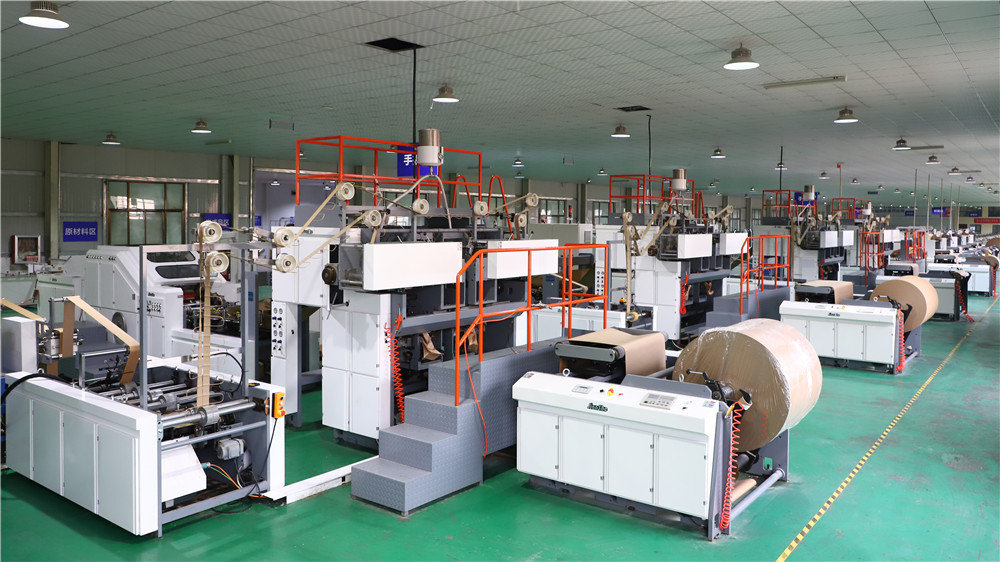
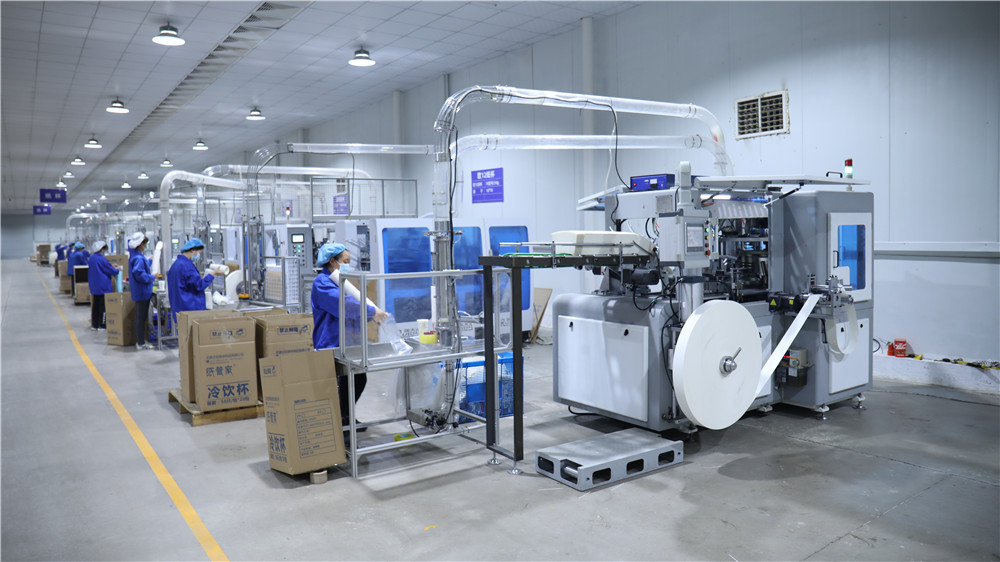
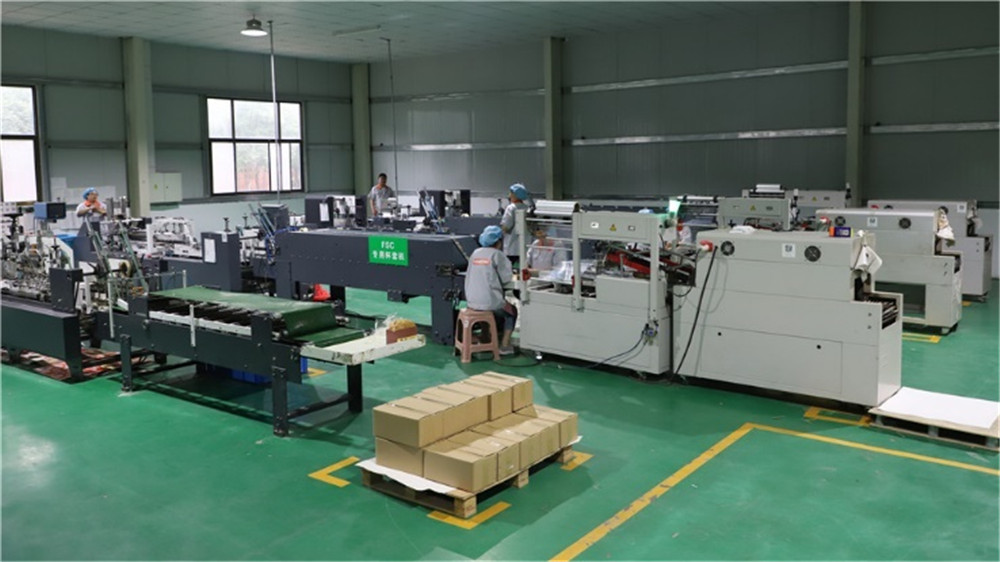
Custom packaging parameters matching the harvesting and processing specifications of Spain's main agricultural regions.
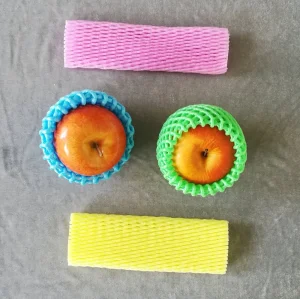
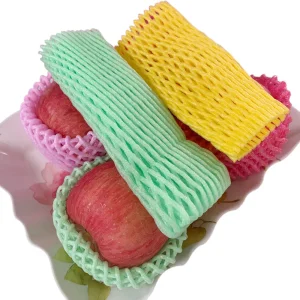
Exporters of Málaga avocados, Granada mangoes, and Almería premium tomatoes require protective packaging that maintains ideal gas exchanges. Our custom-colored green and yellow EPE sleeves prevent mechanical friction damage while visually accentuating the ripeness and quality of the fruit on supermarket shelves.
The Ribera del Xúquer DO persimmon market in Valencia requires dense EPE mesh protection. Persimmons have fragile skins that darken under slight transport friction. Tailored elastic EPE nets protect the fruit crown, reducing rejected shipments at international hubs.
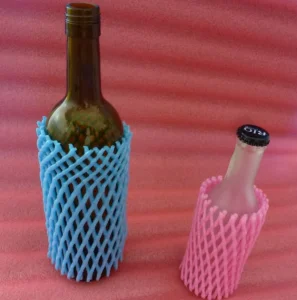
Beyond agricultural produce, Spain leads the world in wine and premium olive oil exports. Glass bottles require reliable protection. Our double-thick, expandable foam protective netting prevents bottle-to-bottle collisions in wood crates or cardboard boxes, offering an alternative to traditional, bulky cardboard dividers.
We manage direct ocean freight to main Spanish ports: Valencia, Barcelona, Algeciras, and Bilbao. We supply custom packaging, optimize container volume, handle documentation, and coordinate freight routing to match your schedules.
Review our main industrial product options, custom engineered to prevent post-harvest loss and comply with global shipping requirements.
Answers to common questions regarding logistics, materials compliance, customization options, and volume orders for Spanish distributors.
Yes, all EPE foam and HDPE knitted sleeves manufactured by Shandong PsiPrime Packaging Co., Ltd. are made from 100% virgin polyethylene. They comply with EU Regulation No 10/2011 on plastic materials intended to come into contact with food, and are FDA certified. We do not use chemical blow agents that leave harmful residues.
Production cycles generally require 10 to 15 days from deposit confirmation. Ocean transit from Qingdao Port to Spanish ports like Valencia, Barcelona, or Algeciras takes approximately 28 to 35 days. We provide direct FOB, CIF, or DDP delivery options depending on your logistics capabilities.
Yes, we offer full customization. We can adjust the sleeve diameter, net weight per meter, density, and expansion ratio to suit specific produce types (such as mini mangoes or large papayas). We can also matches brand colors like red, green, yellow, orange, and blue.
Because foam netting is high-volume but lightweight, we recommend ordering in FCL (Full Container Load) configurations to optimize transport costs. Our standard MOQ is one 20GP container, which can accommodate mixed sizes and colors to match your regional crop packing requirements.
Yes, EPE is classified as LDPE (Low-Density Polyethylene, Resin Identification Code 4), which is fully recyclable. Spanish end-users can dispose of these protective sleeves in yellow packaging bins (contenedor amarillo). Using monomaterial packaging helps packers comply with the Spanish plastic tax rules.
Our EPE foam maintains physical stability in temperatures ranging from -40°C to +60°C. This ensures the netting retains its shape and elasticity inside cold storage facilities and refrigerated containers (reefers) heading to European supermarkets.
 PsiPrime Packaging