High-durability, food-grade ventilation packaging engineered to minimize food waste and optimize agricultural cold chains.
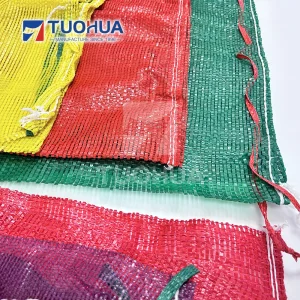
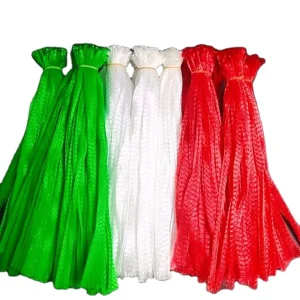
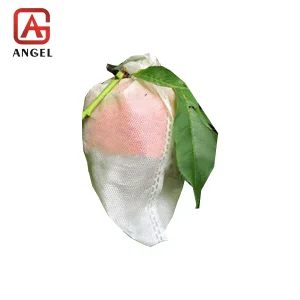
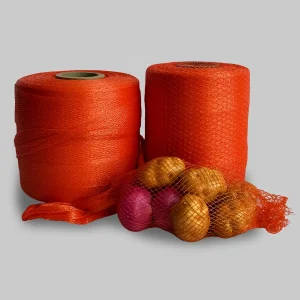
In the modern agricultural value chain, post-harvest losses represent one of the most critical structural inefficiencies. According to the Food and Agriculture Organization (FAO), global fruit and vegetable wastage ranges between 30% to 50% prior to retail distribution. Mesh packaging has emerged as the definitive material engineering response to this ecological and economic challenge.
By providing a highly structured, ventilated, and low-moisture environment, mesh fruit storage bags suppress the development of fungal pathogens like Botrytis cinerea and *Penicillium*, while accelerating the dissipation of autocatalytic gases such as ethylene. Unlike solid barrier plastics that accumulate internal condensation, polymer-extruded and woven textiles sustain micro-climates that match ambient cold-storage environments.
The core efficacy of mesh systems lies in the open-area ratio of the knit pattern. Raschel and extruded tubular mesh designs maintain an open-aperture area ranging from 55% to 85%, ensuring that the heat generated by produce respiration is continuously radiated outward, maintaining core temperature stability.
Engineered with High-Density Polyethylene (HDPE) or Polypropylene (PP), these packaging structures withstand high static loads during maritime container transport and bulk stacking. Standard 50kg bags demonstrate tensile breaking strengths in excess of 350 N, reducing package failures in transit.
Transitioning from multi-layer solid polymers to lightweight monofilament mesh networks reduces raw plastic mass by up to 60% per unit volume. When manufactured using food-safe Post-Consumer Recycled (PCR) resins, the net lifecycle greenhouse gas emissions decrease proportionally.
Selecting the correct mesh geometry and material compound is imperative for aligning packaging structural integrity with specific agricultural crop physiology.
| Mesh Material Type | Common Polymers | Structural Pattern | Load Capacity (kg) | Best Applied Scenarios | UV Degradation Resistance |
|---|---|---|---|---|---|
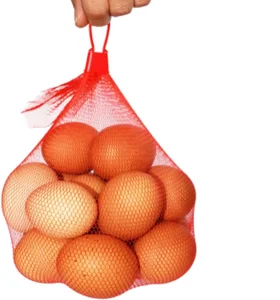
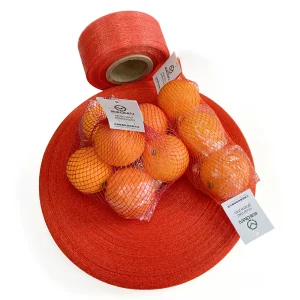
| Tubular Extruded Netting | PE, PP (Virgin & PCR) | Diamond/Square Extrusion | 1kg - 10kg | Oranges, Lemons, Garlic, Small Potatoes | Moderate (Requires HALS additives) |
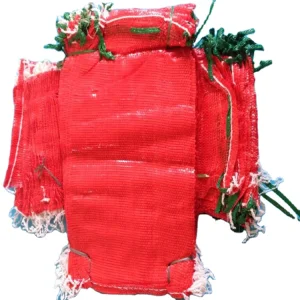
| Raschel Knit Mesh Bags | HDPE Monofilament | Warp-Knit Loop Structure | 5kg - 50kg | Onions, Potatoes, Cabbage, Firewood | High (Carbon Black / UV Stabilized) |
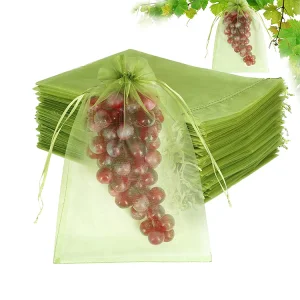
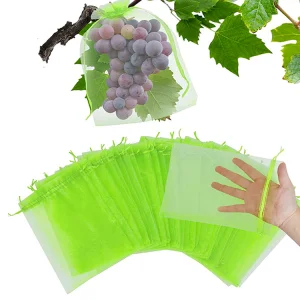
| Monofilament Nylon Netting | Polyamide (Nylon 6/66) | Precision Micro-mesh (Woven) | 0.5kg - 5kg | Grape Protection, Orchard Pest Barriers | Excellent |
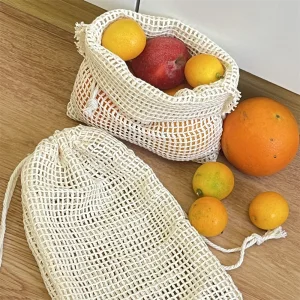
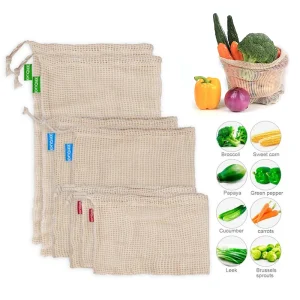
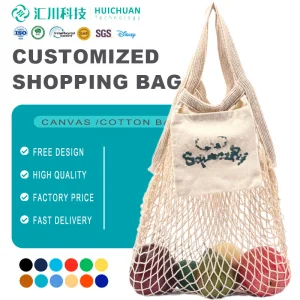
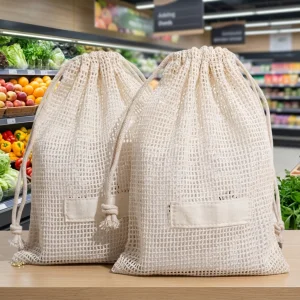
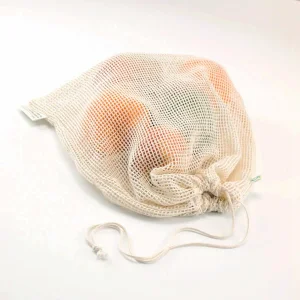
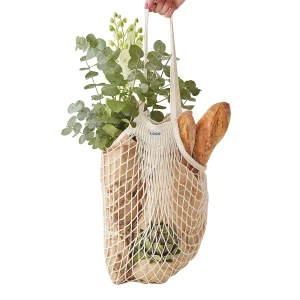
| Natural Organic Cotton Mesh | 100% GOTS Cotton | Crochet / Weft-Knit Grid | 1kg - 15kg | Eco-Friendly Retail, Reusable Home Storage | Natural weathering, Biodegradable |
| PLA/PBAT Biodegradable Mesh | Polylactic Acid & Co-polyesters | Extruded / Knitted Netting | 0.5kg - 5kg | Organic Produce, Circular Zero-Waste Retail | Low (Designed for swift composting) |
China remains the undisputed epicenter of global high-performance polymer extrusion and industrial fabric fabrication. By localizing within heavy-industry zones, Chinese manufacturers achieve vertical raw material integration—drawing virgin polymers directly from regional petrochemical complexes to eliminate mid-stream shipping overheads.
Shandong PsiPrime Packaging Co., Ltd. is committed to advancing sustainable packaging solutions and promoting the reduction of single-use plastics, helping foodservice and food-related industries transition toward more environmentally responsible operations.
The company strongly believes that biodegradable and compostable packaging materials represent the future of sustainable development. It actively promotes the concept of “plastic alternatives” and works to raise awareness of eco-friendly packaging across global markets. With extensive industry experience and a reliable supply chain, we provide high-quality, sustainable food packaging solutions to customers in many countries and regions.
Shandong PsiPrime Packaging Co., Ltd. specializes in the research, development, and manufacturing of eco-friendly food-grade packaging products. Its product portfolio includes compostable food containers, paper-based food packaging, eco-friendly paper bags, food wrapping paper, and disposable catering supplies. These solutions are designed to meet the diverse needs of restaurants, food delivery platforms, food processors, and retail businesses.
The company is dedicated to a customer-centric philosophy, offering one-stop customization services ranging from product design and material selection to custom printing. This enables clients to build strong, recognizable brand packaging while maintaining sustainability goals. At the same time, we emphasize stable delivery performance and strict quality control to ensure efficient and reliable global supply.
Through continuous improvements in production processes and supply chain management, Shandong PsiPrime Packaging Co., Ltd. enhances both cost efficiency and operational reliability, supporting clients in achieving sustainable growth in competitive markets.
Looking ahead, the company will continue investing in innovation in biodegradable materials and expanding the application of compostable products across more industries, working together with global partners to build a low-carbon, environmentally friendly, and sustainable future.
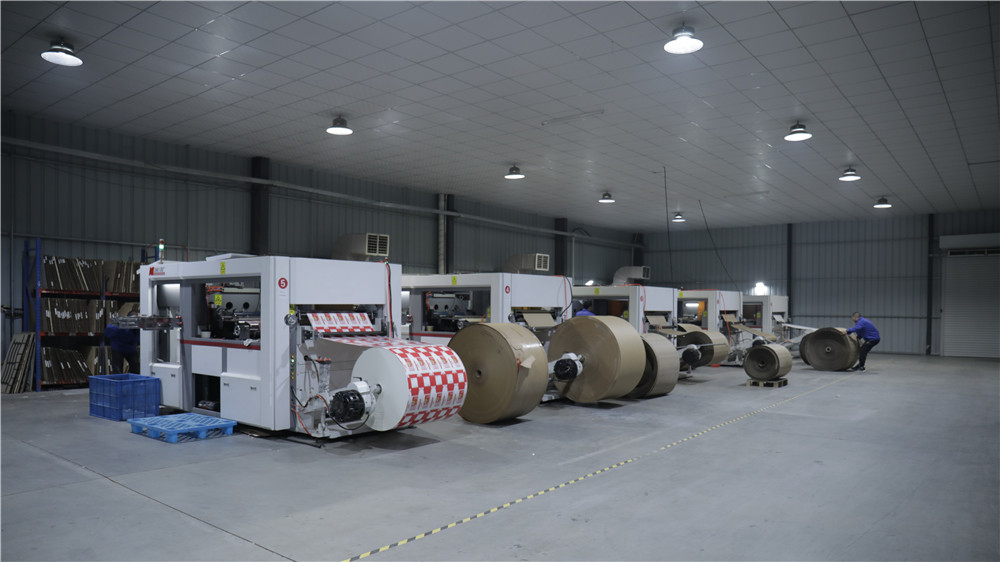
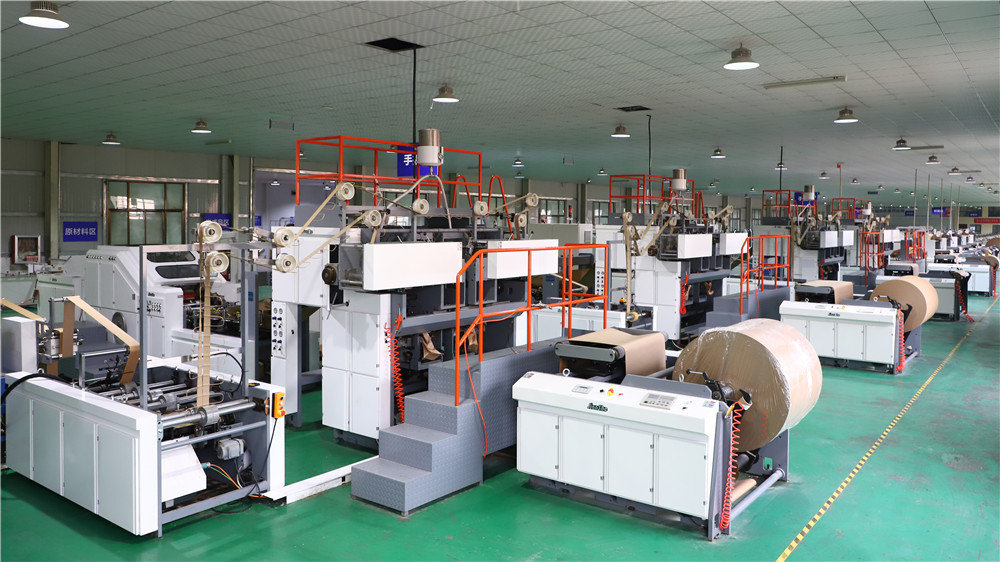
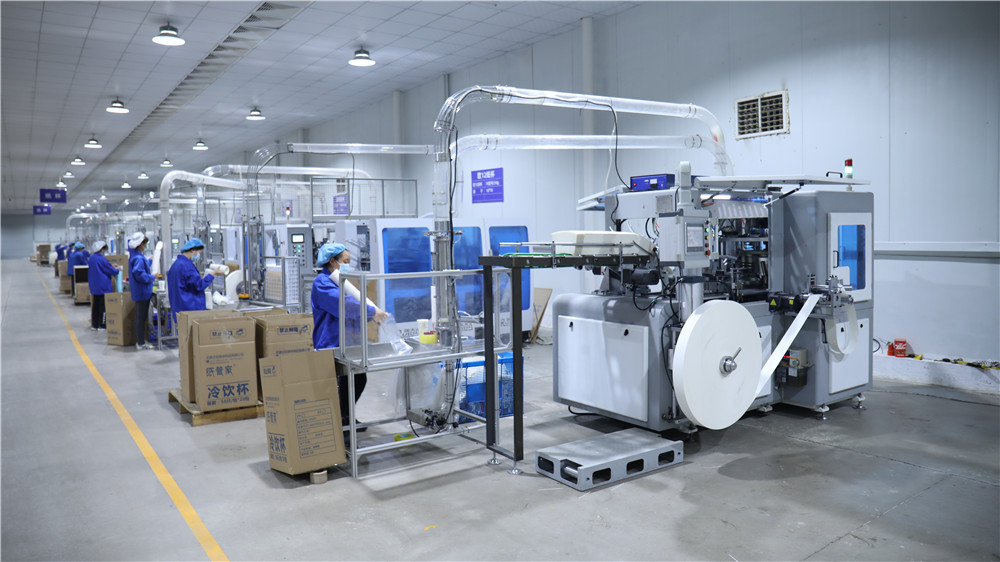
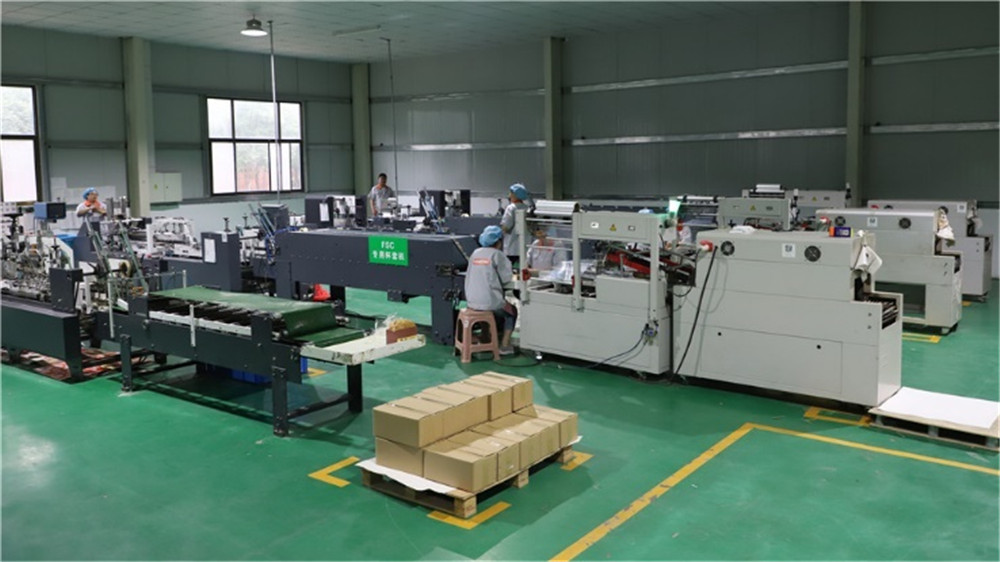
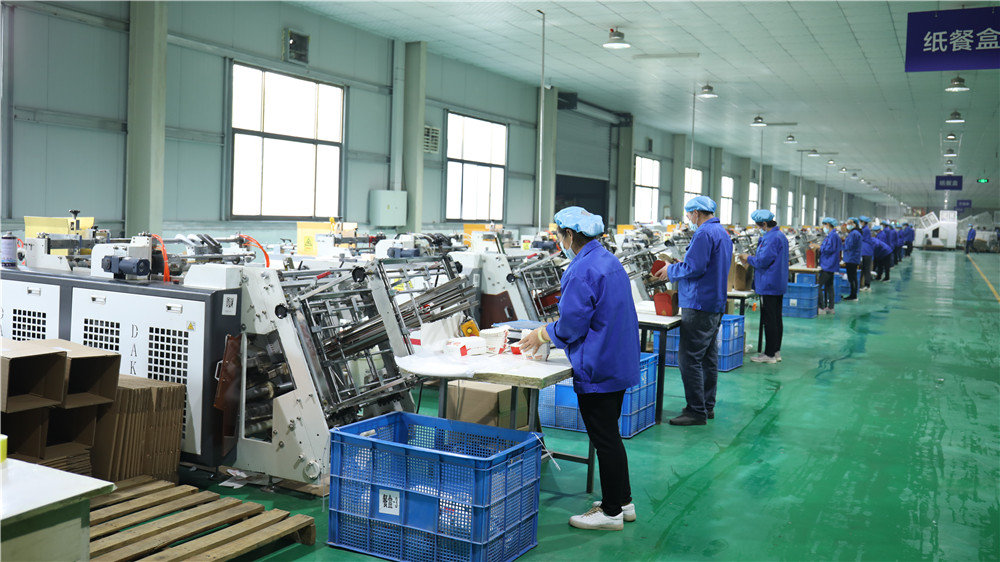
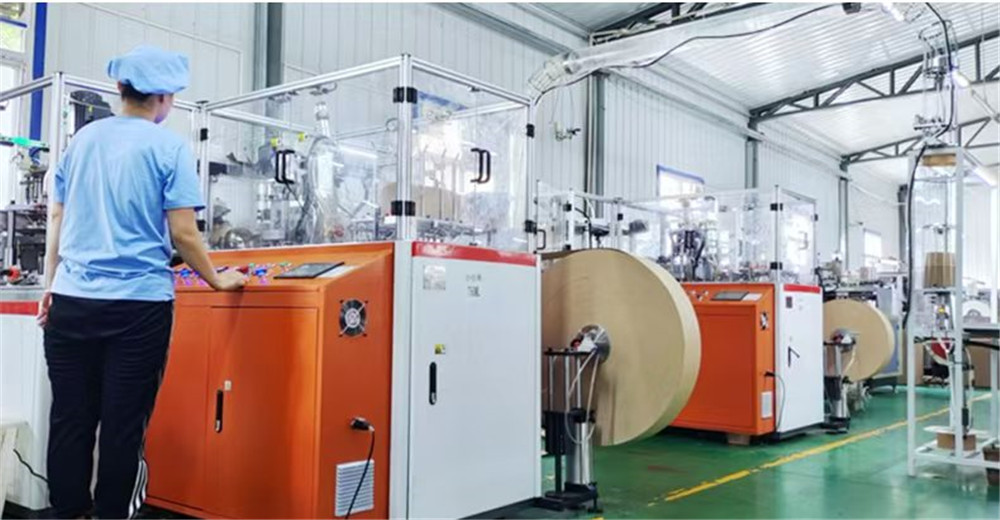
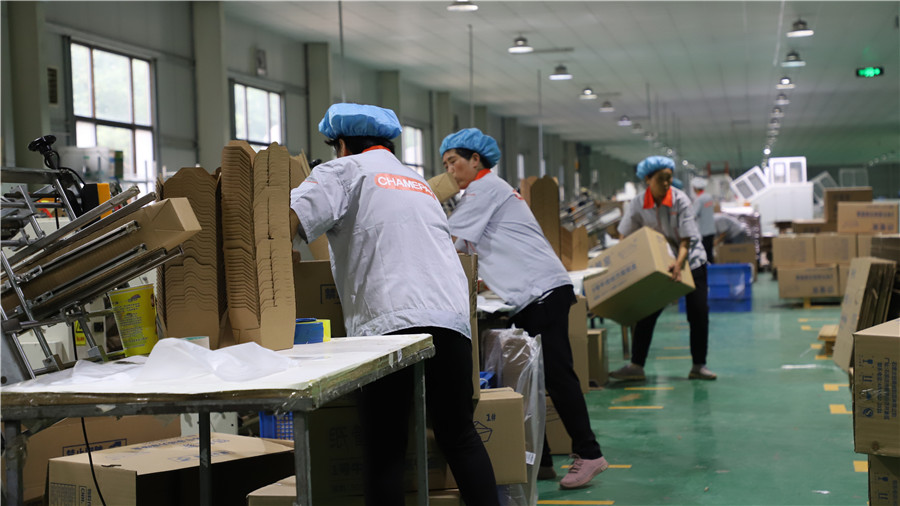
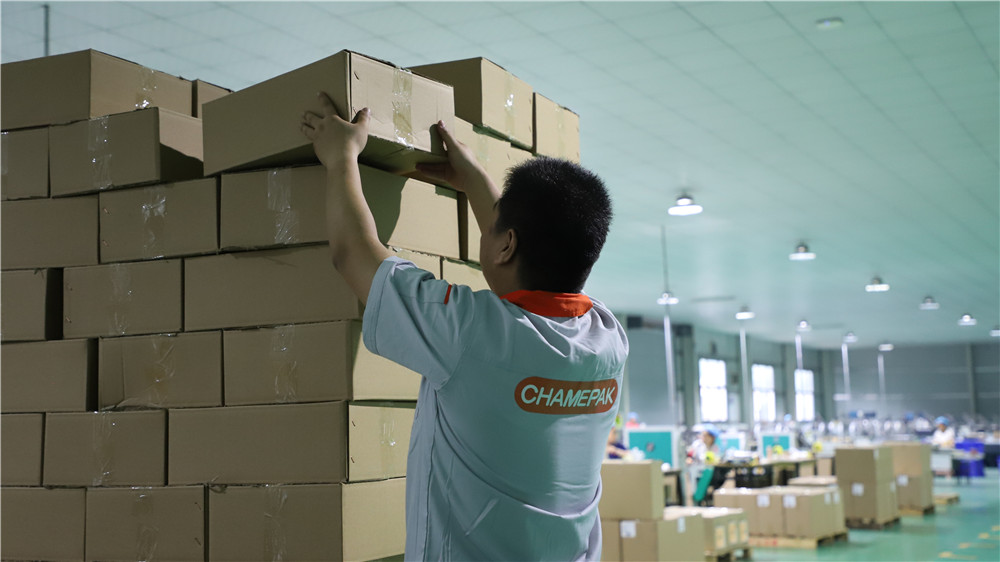
Our state-of-the-art production facility relies on precision machinery to execute high-tolerance converting, extrusion, knitting, and packaging operations. Below is a structural mapping of our core processes:
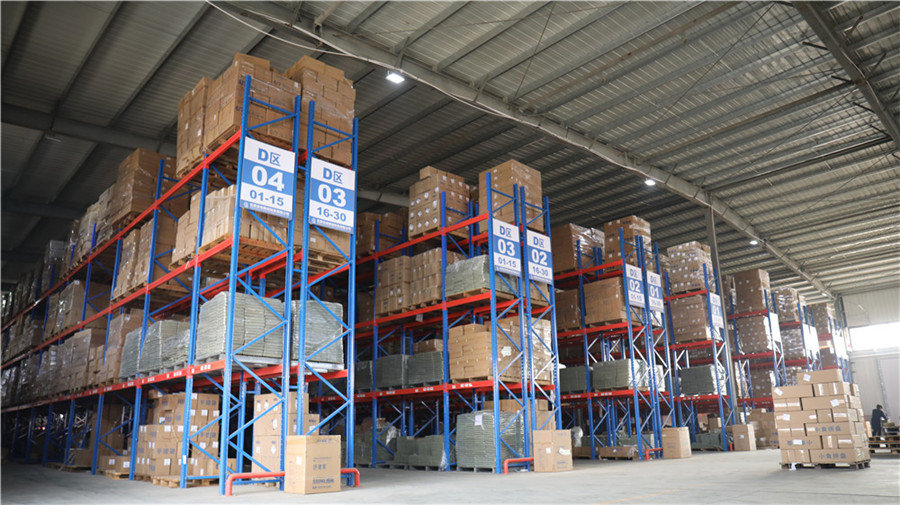
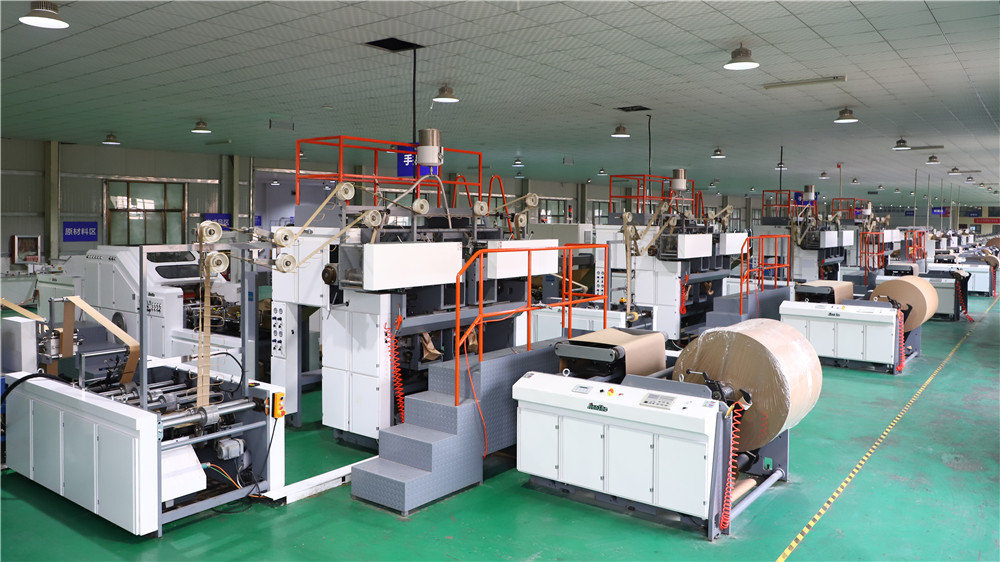
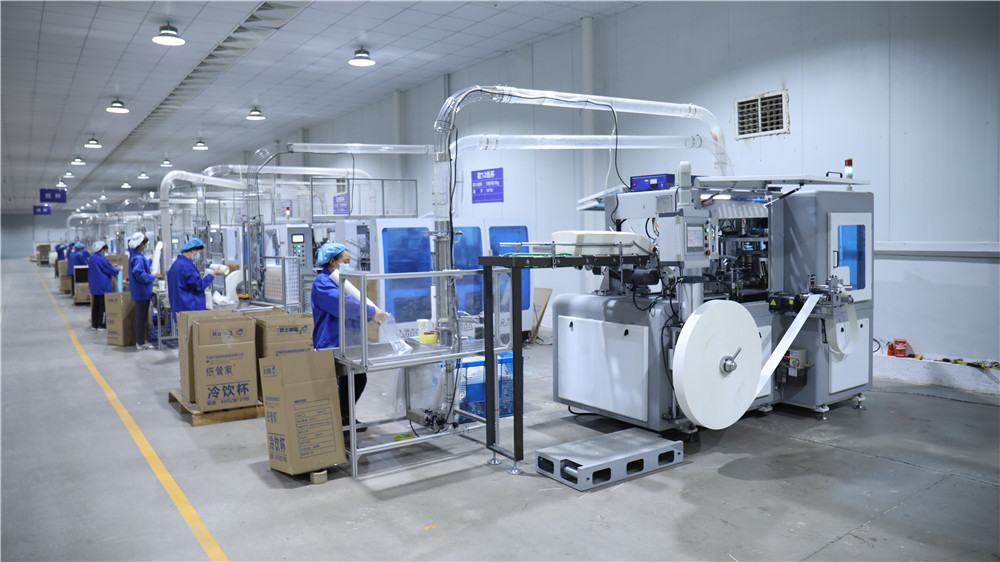
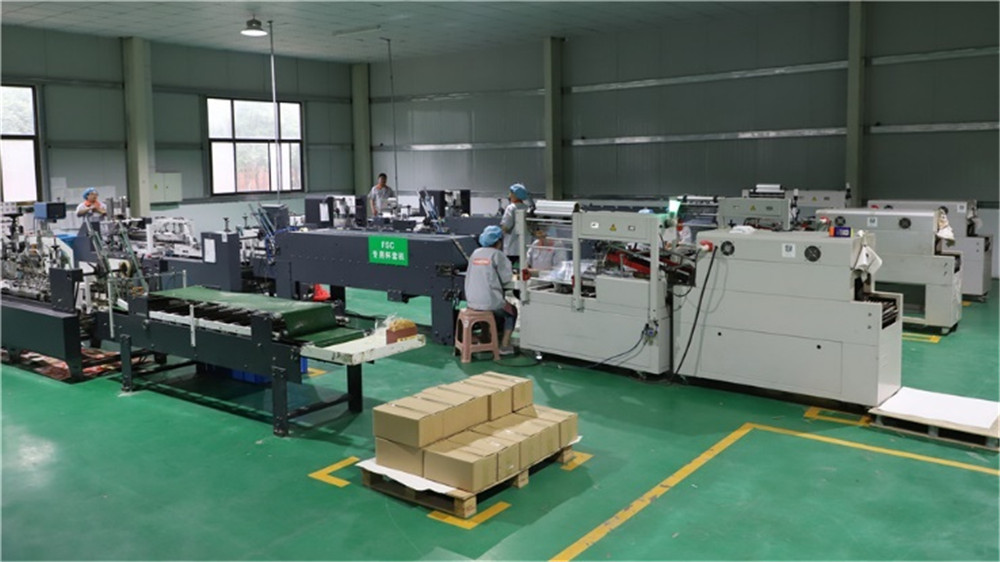
Agricultural needs vary dramatically depending on geo-climatic profiles, harvest scales, and target markets. Here is how our mesh systems adapt to specific localized environments:
Citrus crops require immediate protection post-harvest from high ambient humidity. High-density PE tubular netting rolls enable continuous automated inline packing machine feeding, protecting delicate orange and lemon skins from abrasions and bruising during sea transit.
Potatoes, onions, and sweet potatoes harvested across the Midwestern US and Canadian prairies require highly robust Raschel bags. Built to sustain significant drop tests, these bags facilitate excellent soil ventilation, allowing loose dirt to escape without clogging the airflow channels.
Under strict EU circular economy directives, traditional single-use packaging faces intense regulatory friction. Our PLA-based biodegradable mesh bags decompose in industrial composting complexes within 90-180 days, allowing European supermarkets to remain fully compliant with zero-waste mandates.
High temperatures and intense insect vectors present unique challenges for growing mangoes, guavas, and grapes in tropical environments. Our UV-treated nylon and PE protective fruit covers act as physical insect barriers, drastically reducing reliance on chemical pesticides while safeguarding skin quality.
As global sustainability frameworks tighten, agricultural packaging must transcend basic physical confinement and evolve into active, intelligent component systems.
Development is underway to replace fossil-fuel derived PE with renewably sourced polyhydroxyalkanoates (PHA) derived from bacterial fermentation. PHA mesh systems exhibit marine-degradable properties, mitigating ocean plastic micro-particle contamination.
Embedding all-natural essential oil nanocapsules (such as oregano or thyme extracts) directly into polymer masterbatches during extrusion. These compounds slowly volatilize, suppressing bacterial spore germination on fruit surfaces during container storage.
Embedding thin-film RFID chips or dynamic high-contrast QR codes into woven structural labels. This permits continuous, hands-free pallet tracking across complex global logistics networks, ensuring complete agricultural origin verification.
Global food export mandates dictate that agricultural packaging must contain zero hazardous chemical residues. Our products undergo rigorous testing regimes to comply with key international oversight bodies:
All virgin polymer formulations, dye pigments, and processing lubricants comply with the US FDA Code of Federal Regulations (CFR) Title 21. This ensures that no harmful compounds migrate from the mesh surface into the pulp of citrus, onions, or stone fruit.
Our plastics are systematically tested for overall migration limits (OML) and specific migration limits (SML), complying with EU regulatory mandates for materials intended to come into direct, prolonged contact with foodstuffs.
For operations employing recycled PET or PP, we hold certifications verifying the traceability and environmental footprint of post-consumer resins, aligning with Global Recycled Standard (GRS) rules.
High-strength industrial and retail mesh configurations built for high-throughput automated packing and bulk heavy crop handling.
Answering complex commercial and technical inquiries regarding polymer engineering, shipping constraints, and custom manufacturing processes.
 PsiPrime Packaging