PsiPrime Packaging

1. The Mexico City Agricultural Logistics Axis
Mexico City is the epicenter of Latin America's agricultural commerce. Home to the Central de Abasto (CEDA)—the world's largest wholesale market spanning over 327 hectares and processing more than 30,000 tons of foodstuffs daily—the metropolitan zone acts as the primary hub connecting agricultural basins in Michoacán (avocados), Veracruz (citrus), Jalisco (berries), and Puebla (vegetables) to international and domestic consumer markets.
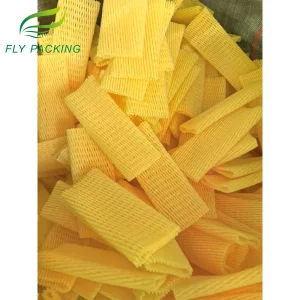
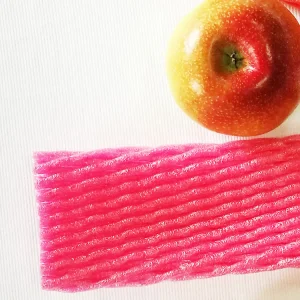
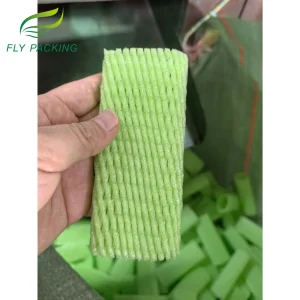
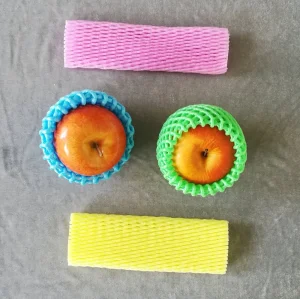
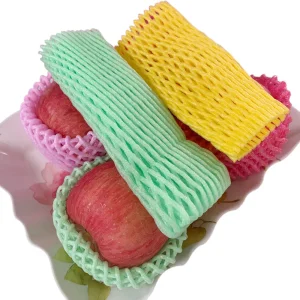
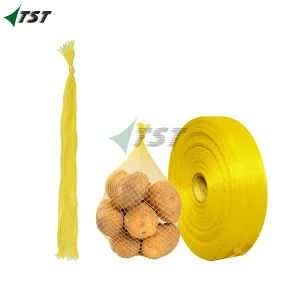
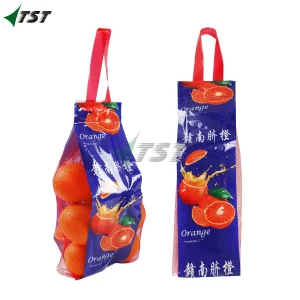
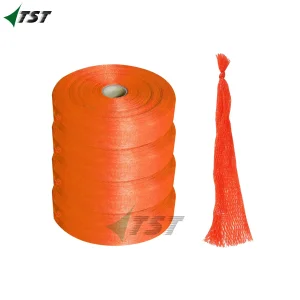
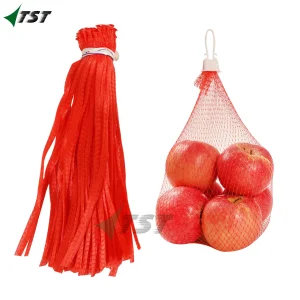
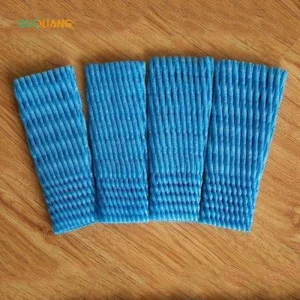
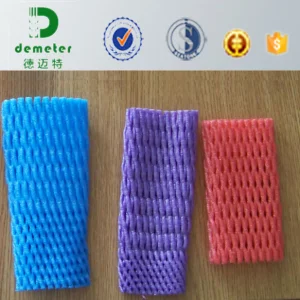
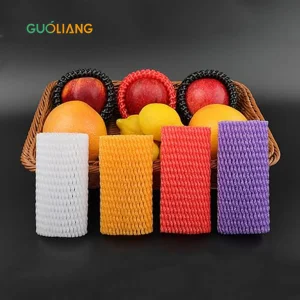
For industrial packagers, agricultural exporters, and wholesale distributors operating within Mexico City, post-harvest loss remains a multi-million-dollar challenge. According to regional agricultural studies, mechanical damage during transit, coupled with thermal fluctuations inside non-refrigerated cargo holds, accounts for up to 25% of fresh produce spoilage. High-altitude roads, uneven local typography, and multiple handoffs inside distribution yards exacerbate bruising, abrasion, and compression stress. PsiPrime's EPE Foam Mesh Netting and HDPE tubular sleeves provide the engineered protection needed to safeguard produce from farm to kitchen.
Key Challenges in the CDMX Produce Cold-Chain and Distribution Grid:
- Micro-Vibrational Bruising: Long-haul journeys along federal highways to CDMX subject delicate skins (e.g., Hass avocados, papaya, and mangoes) to high-frequency vibrations that accelerate physiological breakdown.
- High-Humidity Storage Microclimates: Inadequate ventilation within crates trapped inside warehouse environments creates pockets of heat and humidity, promoting rapid mold growth and fungal rot.
- Rigid Environmental Mandates: Mexico City’s environmental regulatory department, SEDEMA (Secretaría del Medio Ambiente), enforces strict regulations regarding single-use plastics. Major retail outlets (Soriana, Walmart de México, Chedraui) require compliance audits for packaging materials.