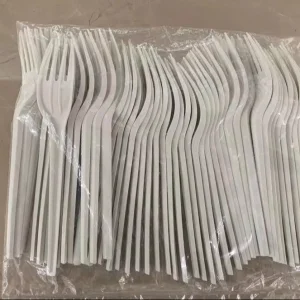
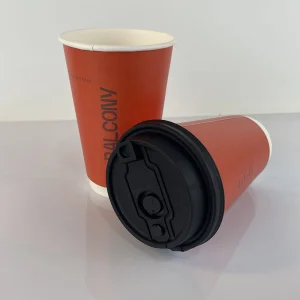
Explore our flagship, certified plant-based products engineered to meet stringent global compostability standards while maintaining superior functional integrity.
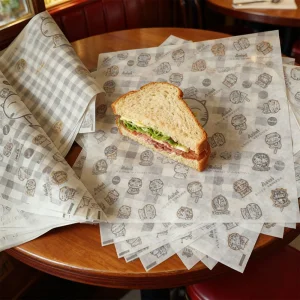
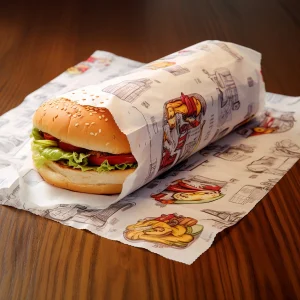
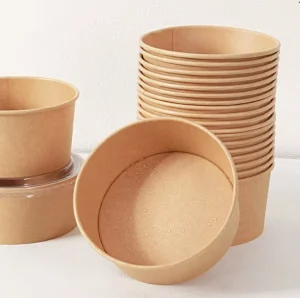

The global foodservice industry is navigating a critical regulatory inflection point. As single-use plastic mandates harden across the European Union (SUP Directive), North America, and high-growth APAC metropolitan centers, multinational corporations and regional packaging distributors are undergoing rapid supply-chain transformations. The query "Top 10 Plant-based Cups Manufacturers & Exporters" represents more than a transactional search; it is an index of strategic sourcing intent for procurement officers seeking compliant, high-performance, and vertically integrated partners.
Historically, traditional cup manufacturing relied heavily on petrochemical-derived low-density polyethylene (LDPE) coatings. Today's commercial mandate calls for next-generation polymer innovations including Polylactic Acid (PLA), Crystallized Polylactic Acid (CPLA), and aqueous dispersion barrier coatings derived from renewable biopolymers. This whitepaper systematically evaluates the production paradigms, technological roadmaps, and localized regulatory frameworks that separate world-class manufacturers from transactional exporters, with a specific focus on supply chain resilience, carbon neutrality, and structural compliance.
By examining manufacturers through the lens of Google's Search Quality Rater Guidelines, we prioritize direct raw material traceability, operational scalability, and objective laboratory validations over marketing claims. High "Information Gain" in this sector requires identifying not just who manufactures, but how their manufacturing choices impact life cycle assessments (LCAs) and post-consumer disposal compatibility.
A premium plant-based cup must match the mechanical, thermal, and barrier performance of its petroleum-based predecessors. The structural performance of modern plant-based cups depends on the precision engineering of their inner barriers and structural substrate alignment. Below is a comparative technical analysis of modern eco-friendly materials:
| Material Designation | Primary Feedstock | Max Temp Limit | Barrier Coating Tech | Standard Certifications |
|---|---|---|---|---|
| PLA (Polylactic Acid) | Corn Starch, Cassava | 50°C (122°F) | Internal Lamination (extrusion) | ASTM D6400, EN 13432 |
| CPLA (Crystallized PLA) | PLA + Chalk/Silicates | 85°C (185°F) | Thermoformed Solid Polymer | BPI Certified, OK Compost |
| Sugarcane Bagasse | Agri-industrial Waste | 95°C (203°F) | Fluorine-Free Oil Repellency | FDA Food Contact, LFGB |
| Aqueous Coated Paper | FSC-Certified Wood Pulp | 100°C (212°F) | Water-based polymer dispersion | CE, TUV Home Compostable |
The industry is shifting toward aqueous (water-based) barrier coatings. Unlike PLA, which requires dedicated industrial composting facilities to separate the plastic film from the paper pulp, aqueous-coated cups can be directly repulped in standard paper recycling streams (Class A recyclable). This significantly reduces post-consumer waste sorting costs and elevates circular economy performance.
Initial commercialization focusing on cold-beverage applications. Structural optimization aimed at preventing structural collapsing under humectant conditions.
Development of Crystallized PLA for lids and hot drink linings. Introduction of water-based dispersion barriers to eliminate conventional plastic film laminates.
Integration of Polyhydroxyalkanoates (PHA) derived from microbial fermentation. Achieving complete home-compostable status within 180 days in ambient outdoor conditions.
Shandong PsiPrime Packaging Co., Ltd. is committed to advancing sustainable packaging solutions and promoting the reduction of single-use plastics, helping foodservice and food-related industries transition toward more environmentally responsible operations. The company strongly believes that biodegradable and compostable packaging materials represent the future of sustainable development. It actively promotes the concept of “plastic alternatives” and works to raise awareness of eco-friendly packaging across global markets. With extensive industry experience and a reliable supply chain, we provide high-quality, sustainable food packaging solutions to customers in many countries and regions.
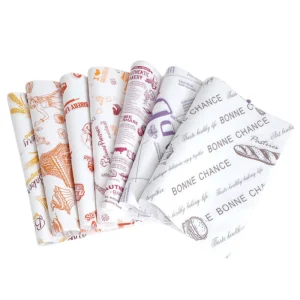
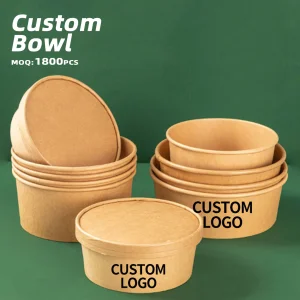
Shandong PsiPrime Packaging Co., Ltd. specializes in the research, development, and manufacturing of eco-friendly food-grade packaging products. Its product portfolio includes compostable food containers, paper-based food packaging, eco-friendly paper bags, food wrapping paper, and disposable catering supplies. These solutions are designed to meet the diverse needs of restaurants, food delivery platforms, food processors, and retail businesses.
The company is dedicated to a customer-centric philosophy, offering one-stop customization services ranging from product design and material selection to custom printing. This enables clients to build strong, recognizable brand packaging while maintaining sustainability goals. At the same time, we emphasize stable delivery performance and strict quality control to ensure efficient and reliable global supply. Through continuous improvements in production processes and supply chain management, Shandong PsiPrime Packaging Co., Ltd. enhances both cost efficiency and operational reliability, supporting clients in achieving sustainable growth in competitive markets.
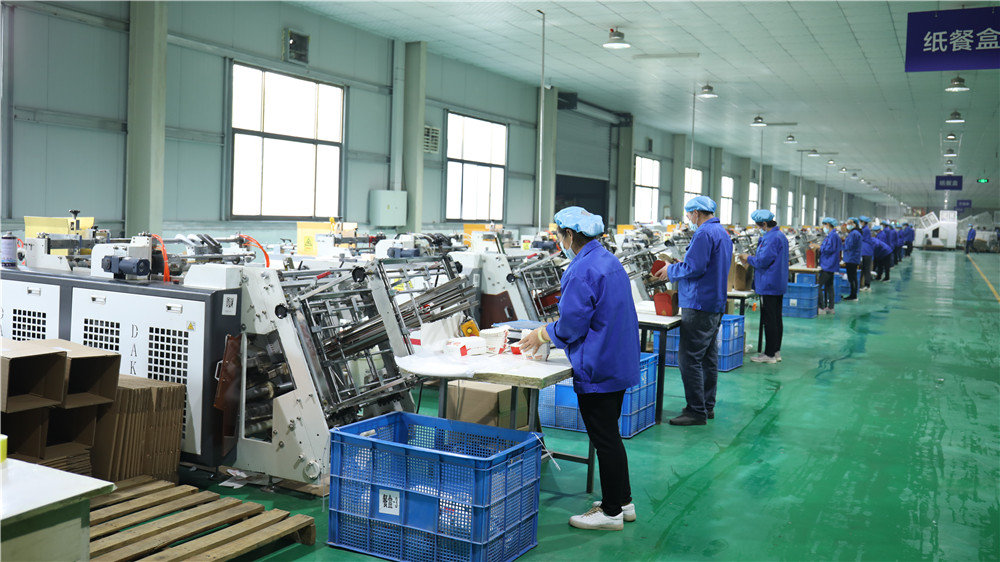
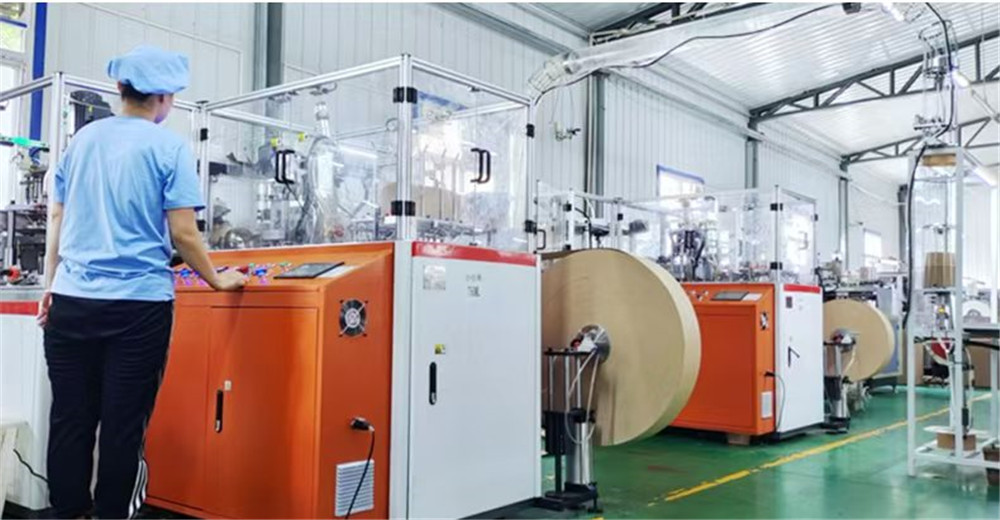
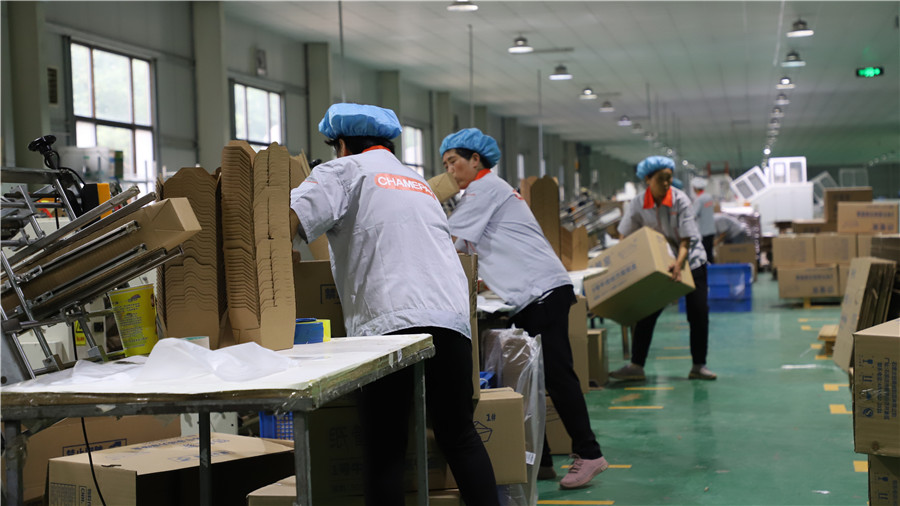
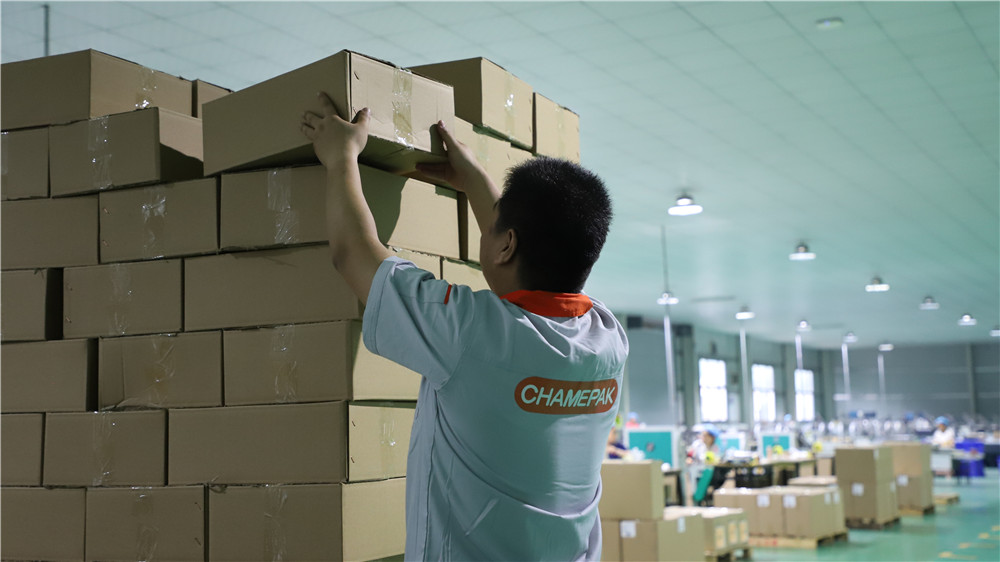
Our state-of-the-art facilities in Shandong integrate every phase of the production cycle. This vertical alignment guarantees full traceability from raw pulp sourcing to final automated packing:
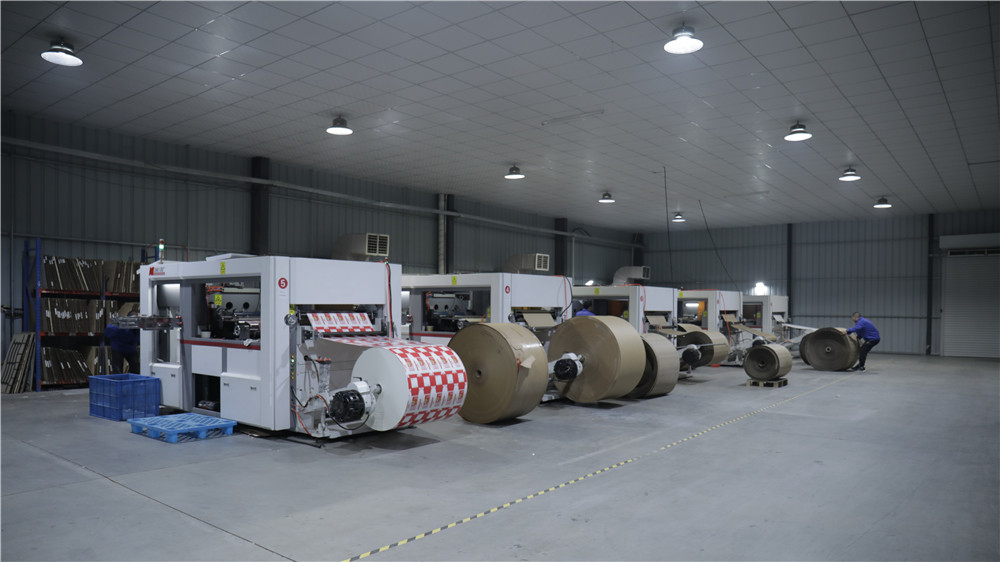
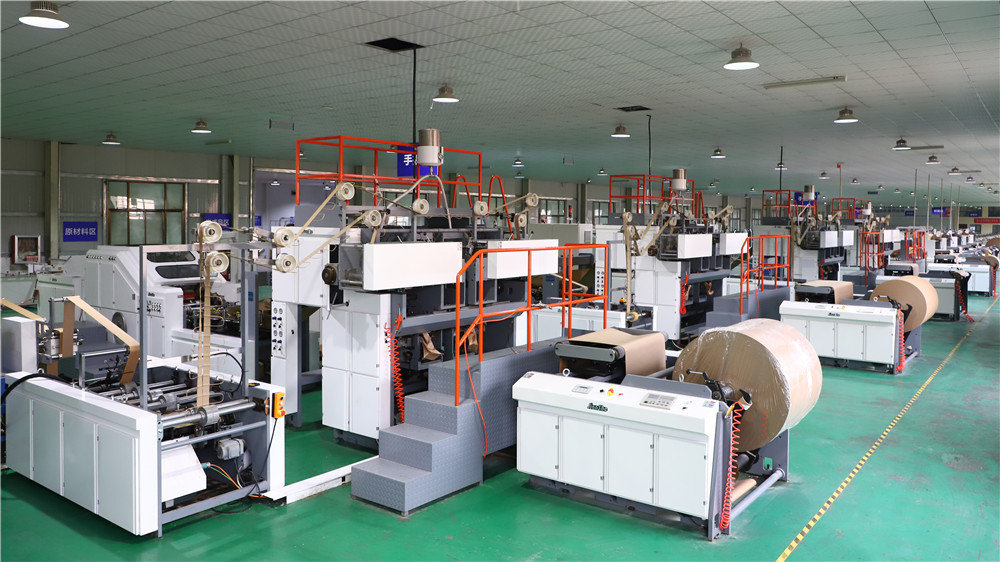
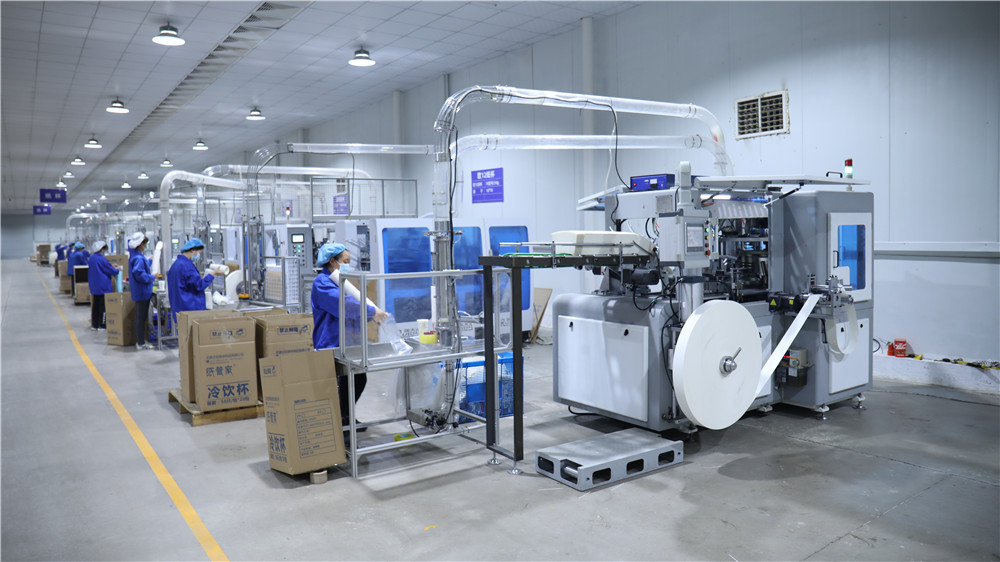
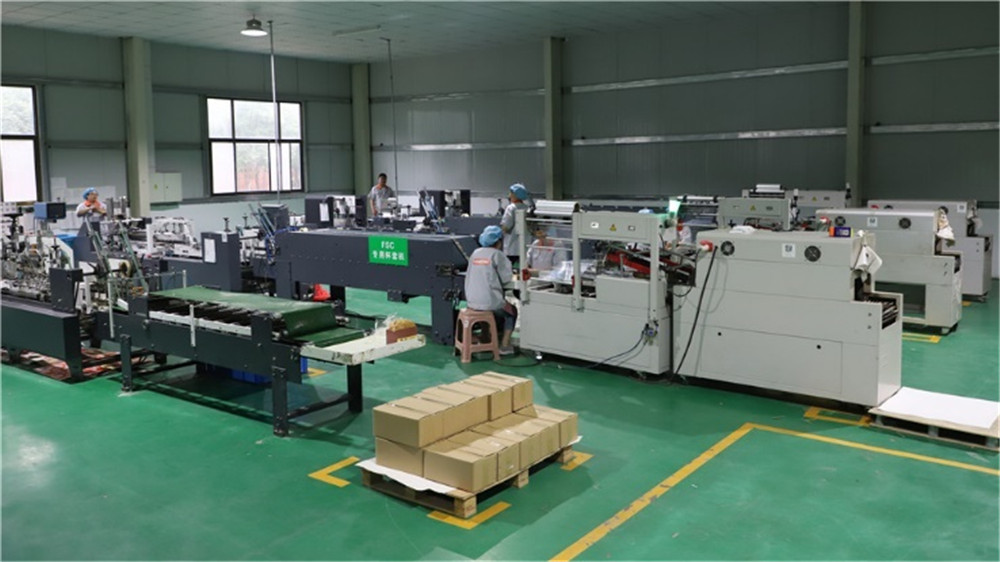
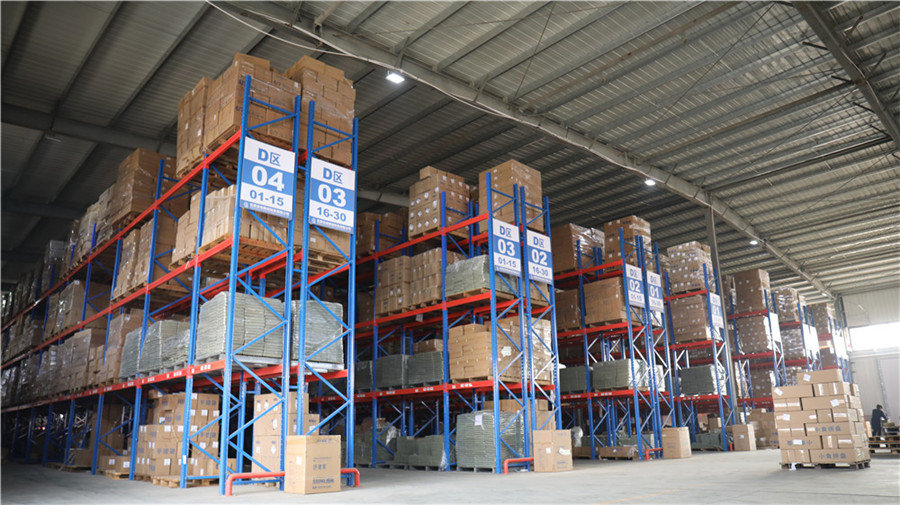
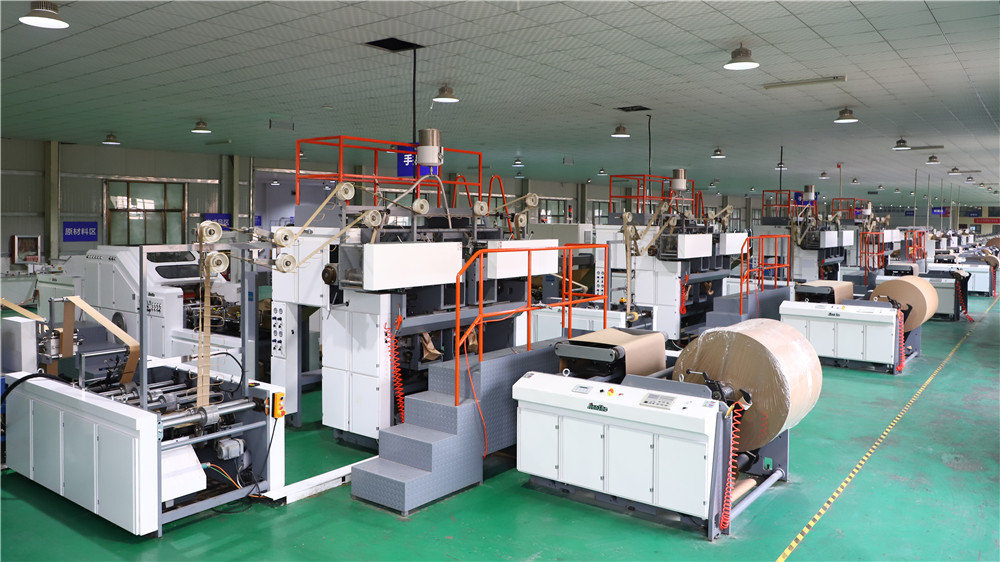
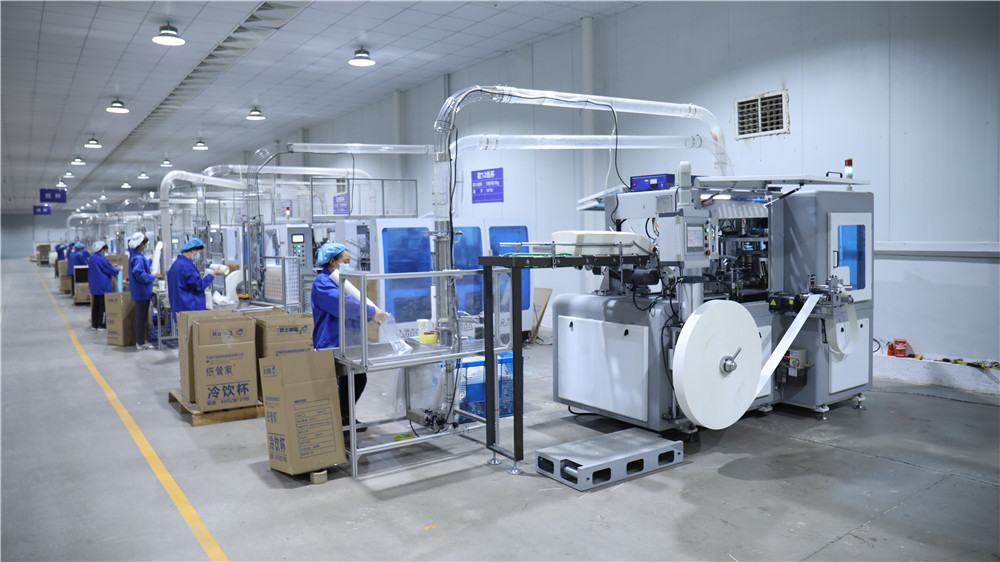
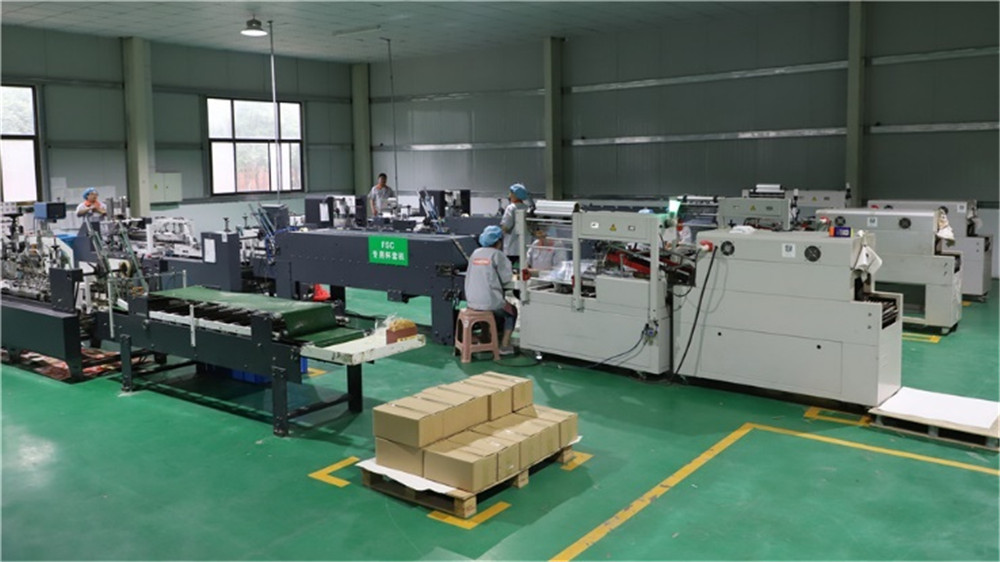
The requirements for plant-based cups are heavily determined by localized commercial environments and regional municipal waste handling infrastructures. Standardizing packaging designs globally without local adjustments can lead to system failures and brand friction.
Characterized by high-speed drive-thrus and large volumes. Essential parameters include high mechanical stability under condensation and compliance with the ASTM D6400 standard for industrial composting validation.
Driven by strict Extended Producer Responsibility (EPR) regulations. Demand leans toward zero-plastic home compostable options (TÜV OK Compost Home) and water-barrier technologies compatible with local paper recovery streams.
Corporate campuses and hospitals looking to meet ESG reporting frameworks. Sourcing relies on post-consumer recycled (PCR) waste substrates blended with agricultural residues, ensuring minimal raw resource draw.
Furthermore, raw materials must adapt to regional climatic challenges. For instance, high-humidity equatorial climates (e.g., Southeast Asia) require structural PLA cups with modified crystalline structures to prevent premature warping during maritime transit and long-term storage in non-climate-controlled logistics hubs.
Under E-E-A-T guidelines, reliable manufacturers must prove compliance through third-party documentation. Exporters must maintain an active, verified compliance directory rather than simple self-declarations. Key international certifications include:
Ensuring compliance also means verifying the absence of per- and polyfluoroalkyl substances (PFAS) commonly used for oil and water resistance. Shandong PsiPrime Packaging Co., Ltd. uses physical and botanical barrier alternatives to comply with EU and US state-level bans on fluorinated compounds.
To assist procurement directors in their selection process, the following table lists the criteria for choosing top-tier global manufacturers and exporters:
| Manufacturer Profile Typology | Primary Regional Focus | Strengths | Recommended Sourcing Use-Case |
|---|---|---|---|
| PsiPrime (Shandong, China) | Global (North America, EU, APAC) | Vertical integration, extensive OEM/ODM, strict quality checking | High-volume distributors requiring consistent quality and custom branding |
| Advanced Biotech Polymers | Western Europe | Pioneering PHA and home compostable coating research | Specialized high-end boutique catering and premium events |
| North American Forest Cooperatives | United States / Canada | Proximity to raw softwood pulp supplies | Domestic regional fast-food chains with localized supply chains |
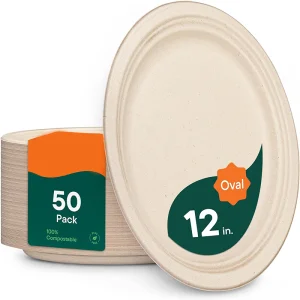
| Agricultural Residue Processors | Southeast Asia | Direct access to raw bagasse and bamboo raw materials | Bulk unbleached plates and raw-colored agricultural fiber bowls |
Key differentiators for top-tier partners include their commitment to raw material traceability, regular batch testing, and transparency in third-party supply chain audits.
Expert technical insights addressing common procurement, stability, and regulatory questions.
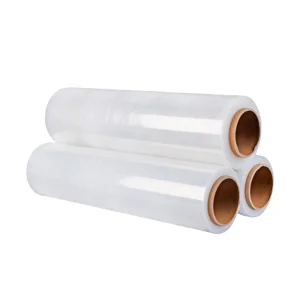
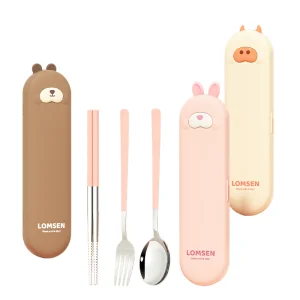
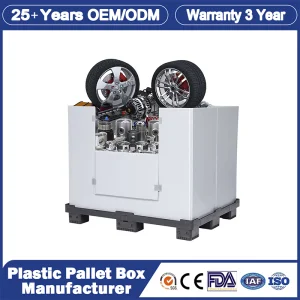
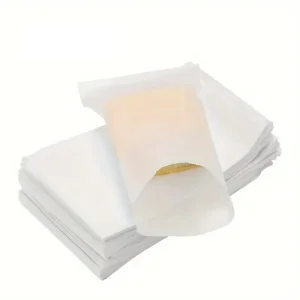
Complete your sustainable service array with certified compostable flatware, barrier wrap materials, and heavy-duty shipping logistics containers.


 PsiPrime Packaging