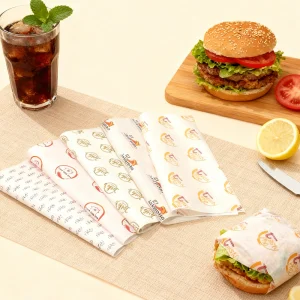
The global food packaging industry is undergoing a structural transition driven by stringent environmental laws, consumer demand for plastic-free alternatives, and institutional carbon-reduction mandates. Traditional single-use plastic films, composed of non-biodegradable polymers such as PVC and low-density polyethylene (LDPE), have historically dominated the market due to low cost and high barrier performance. However, these materials contribute to microplastic pollution and have a persistent carbon footprint.
Consequently, multi-national food service providers, Quick-Service Restaurants (QSRs), and agricultural exporters are turning to certified compostable food wraps and sugarcane-based container products. Modern compostable food wraps utilize advanced biopolymer chemistry to mirror the elongation and tensile strength of traditional plastics, while offering biological circularity at the end of their lifecycle. When composted, these materials break down into carbon dioxide, water, and organic biomass, leaving behind zero harmful synthetic chemical residues.
Achieving structural and barrier viability in compostable wraps requires advanced material science. At Shandong PsiPrime Packaging Co., Ltd., we combine different bio-sourced polymers and coating technologies to ensure our packaging is strong, durable, and highly functional. We select materials based on their physical properties, processing performance, and degradation speed:
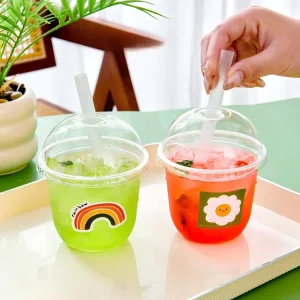
Derived from fermented plant starch (primarily corn or sugarcane). PLA provides excellent optical clarity, rigidity, and high tensile strength. It is an ideal structural component for clear biodegradable film lids, cold drink cups, and window wraps.
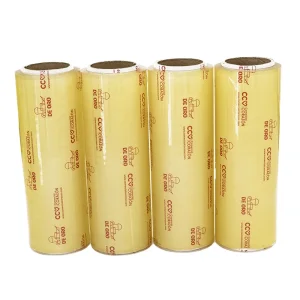
A biodegradable co-polymer that adds high flexibility, puncture resistance, and elongation characteristics. Blending PLA with PBAT creates films that mimic the cling and stretch of conventional PVC stretch wrap.
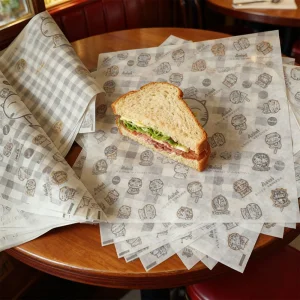
Cellulose sourced from sustainably managed forests serves as the base for greaseproof sandwich wraps. Coatings of plant-based wax replace fluorochemicals (PFAS) to ensure oil and water resistance.
A primary challenge for compostable films is maintaining a reliable barrier against moisture and oxygen. The Water Vapor Transmission Rate (WVTR) and Oxygen Transmission Rate (OTR) of pure biopolymers are naturally higher than those of traditional plastics. To address this, we use nanostructured organic coatings and multi-layer co-extrusion technology. By layering high-barrier bio-polyesters, we can extend the shelf life of wrapped food products without affecting the packaging's compostability.
Shandong PsiPrime Packaging Co., Ltd. is committed to advancing sustainable packaging solutions and promoting the reduction of single-use plastics, helping foodservice and food-related industries transition toward more environmentally responsible operations.
The company strongly believes that biodegradable and compostable packaging materials represent the future of sustainable development. It actively promotes the concept of “plastic alternatives” and works to raise awareness of eco-friendly packaging across global markets. With extensive industry experience and a reliable supply chain, we provide high-quality, sustainable food packaging solutions to customers in many countries and regions.
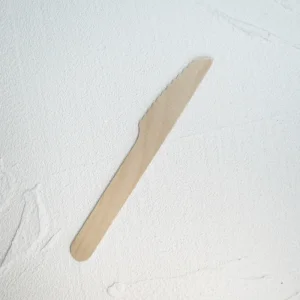
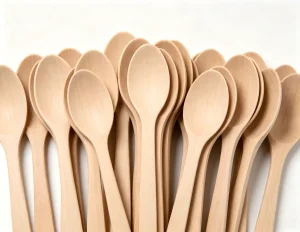
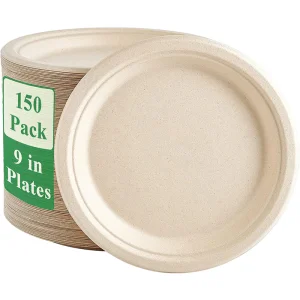
We specialize in the research, development, and manufacturing of eco-friendly food-grade packaging products. Its product portfolio includes compostable food containers, paper-based food packaging, eco-friendly paper bags, food wrapping paper, and disposable catering supplies. These solutions are designed to meet the diverse needs of restaurants, food delivery platforms, food processors, and retail businesses.
The company is dedicated to a customer-centric philosophy, offering one-stop customization services ranging from product design and material selection to custom printing. This enables clients to build strong, recognizable brand packaging while maintaining sustainability goals. At the same time, we emphasize stable delivery performance and strict quality control to ensure efficient and reliable global supply.
Through continuous improvements in production processes and supply chain management, Shandong PsiPrime Packaging Co., Ltd. enhances both cost efficiency and operational reliability, supporting clients in achieving sustainable growth in competitive markets. Looking ahead, the company will continue investing in innovation in biodegradable materials and expanding the application of compostable products across more industries, working together with global partners to build a low-carbon, environmentally friendly, and sustainable future.
"We don't just supply containers and wraps; we engineer custom packaging systems that align with global environmental mandates."
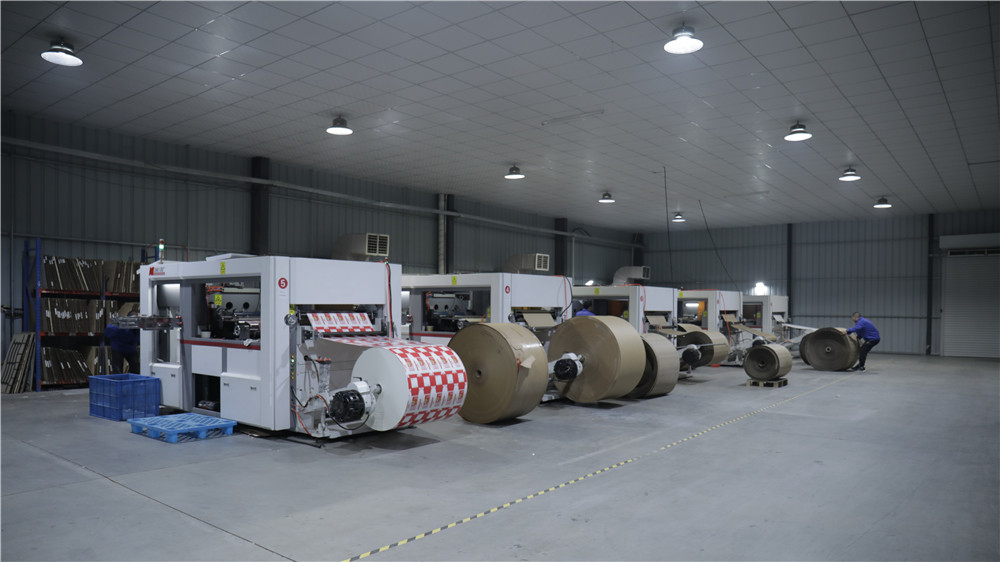
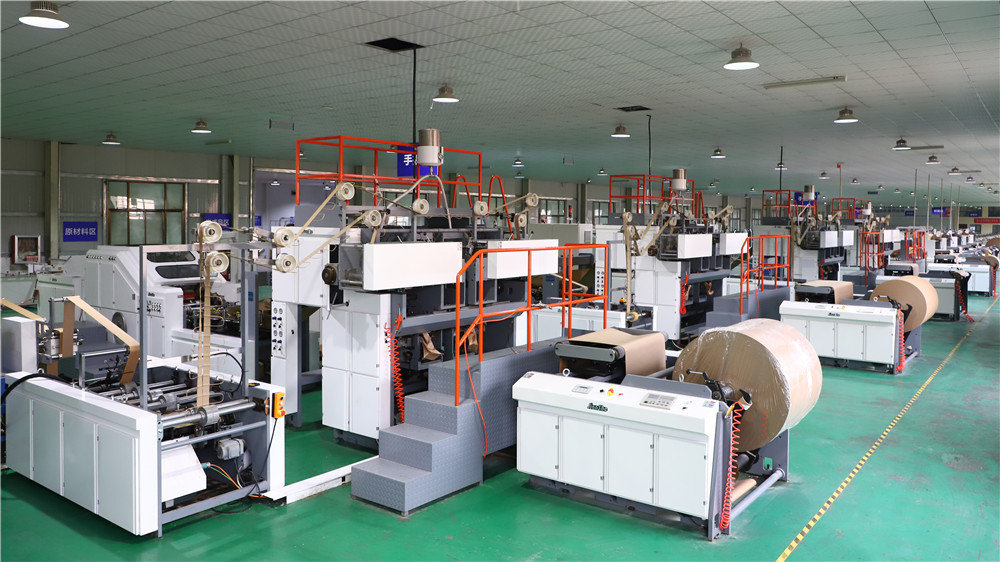
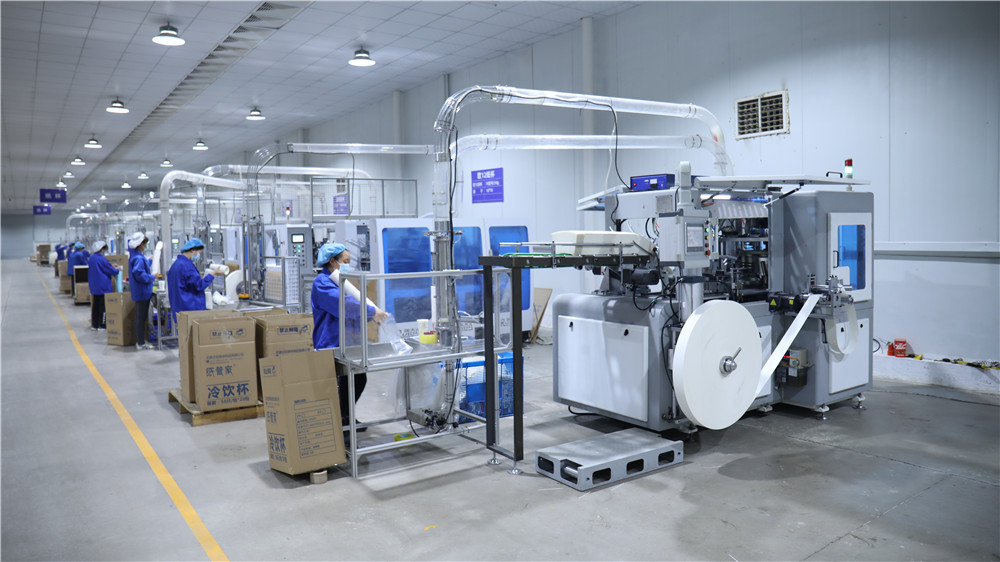
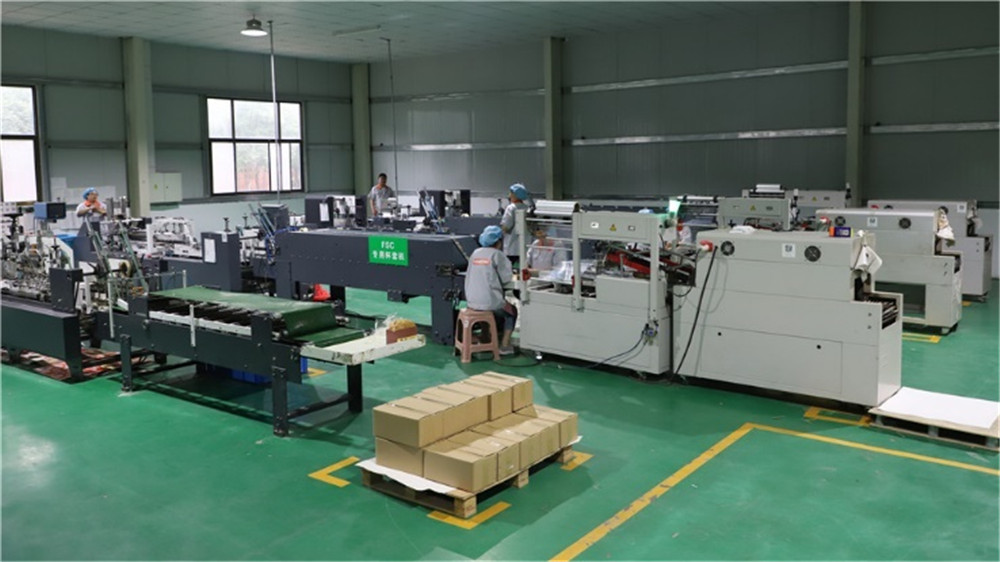
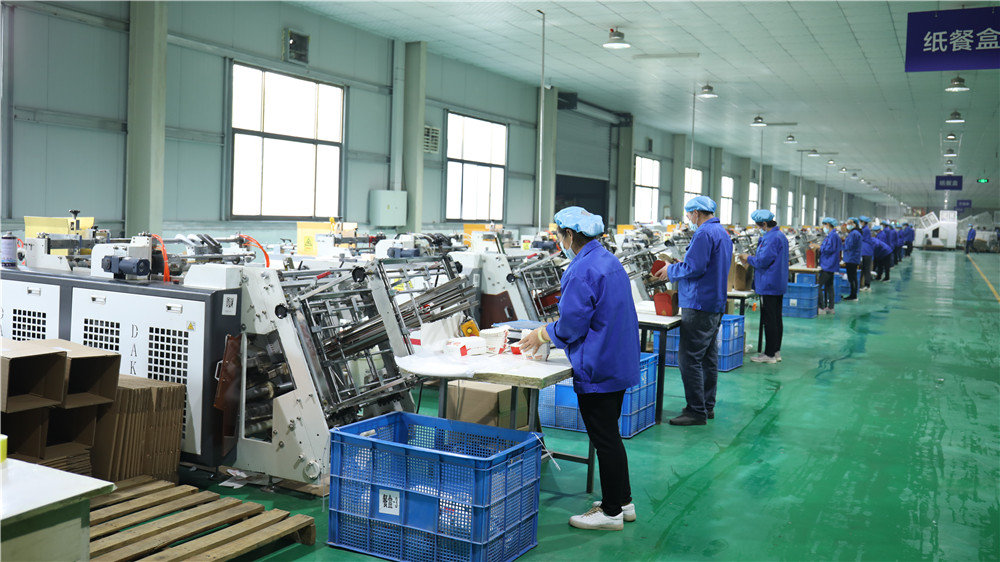
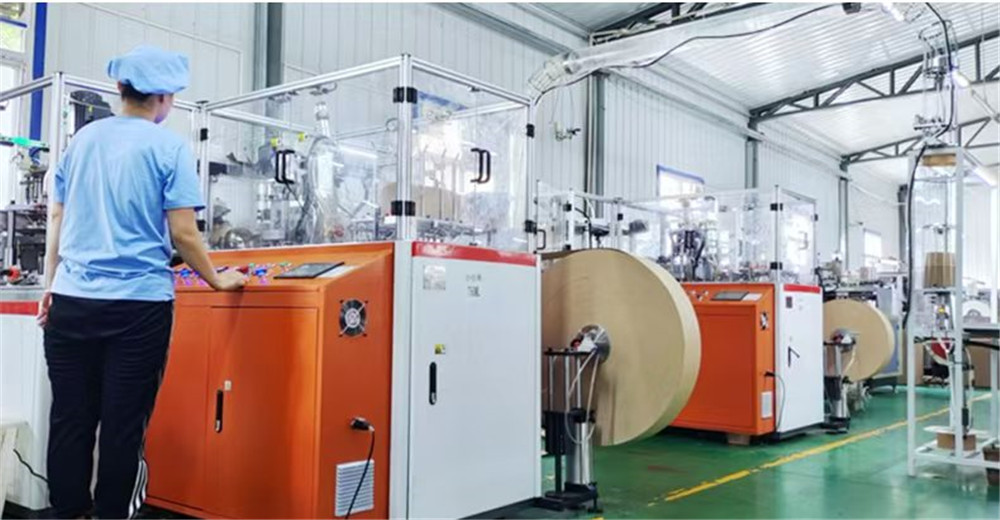
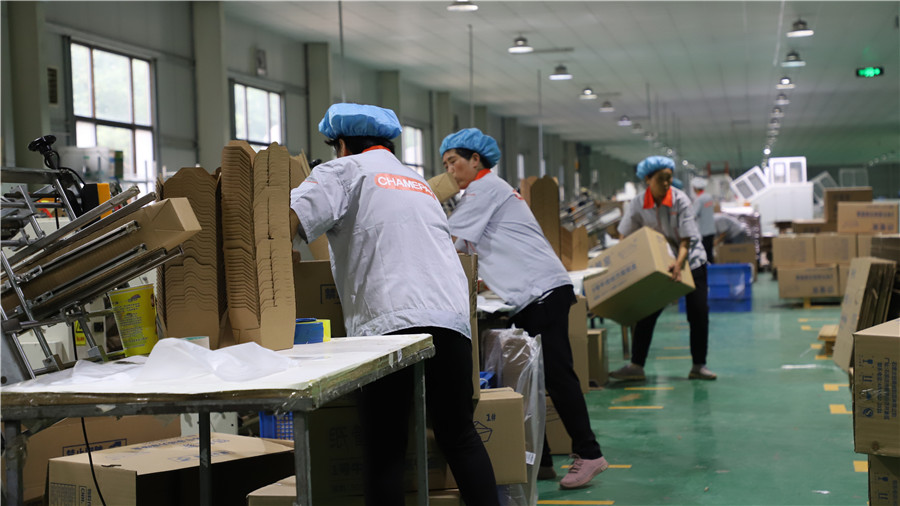
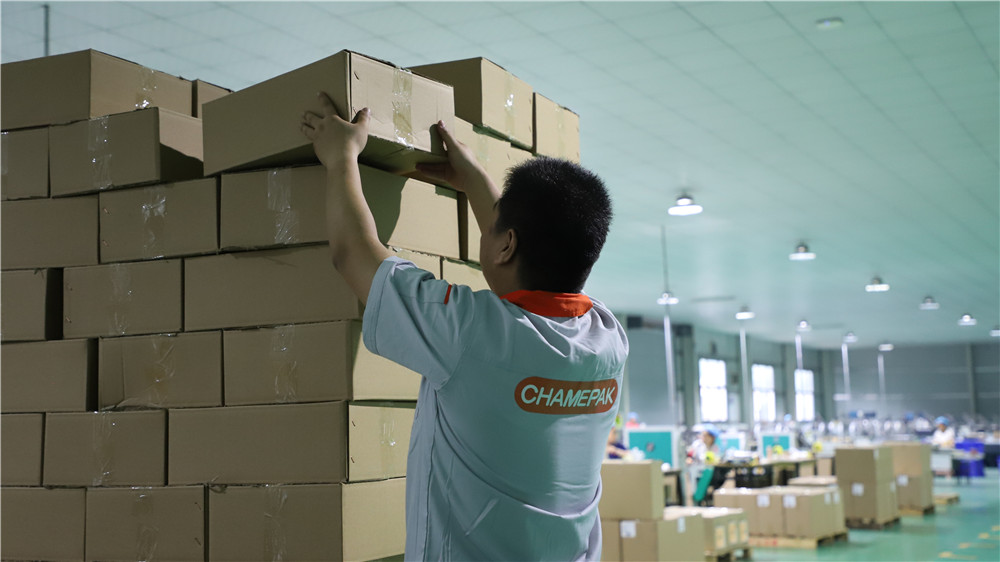
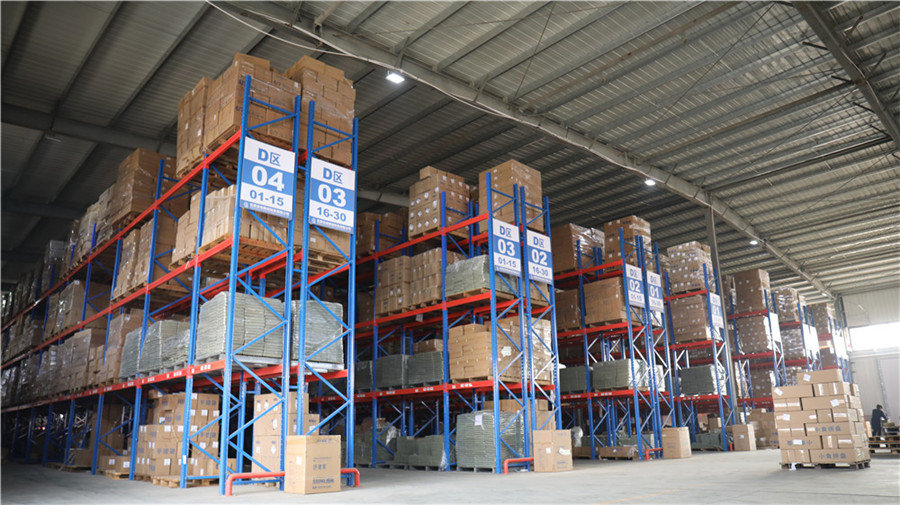
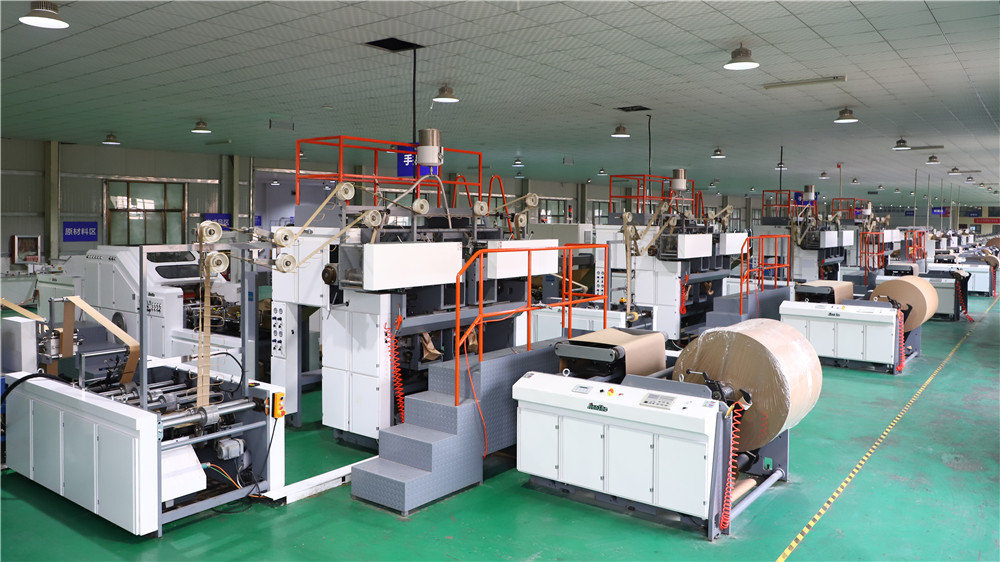
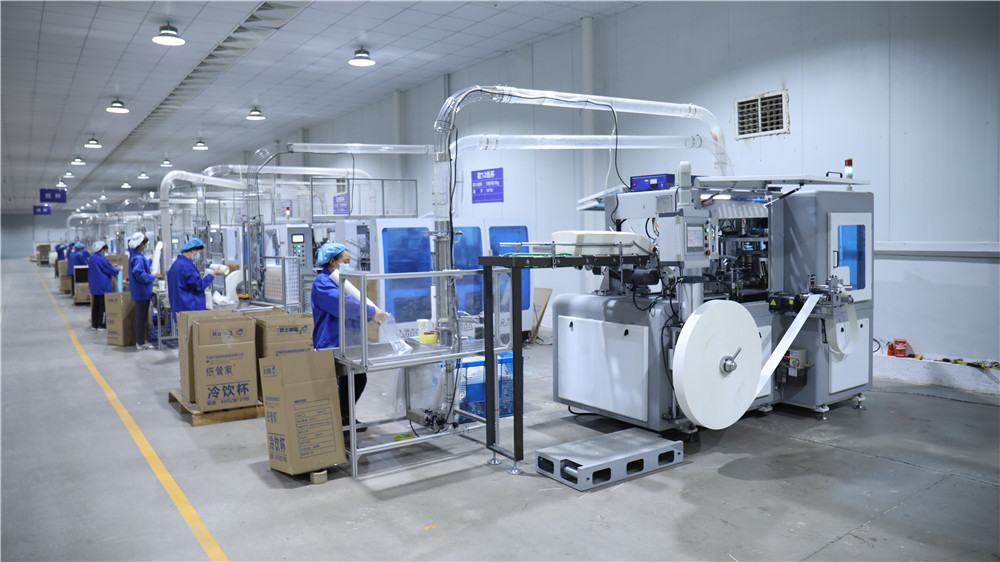
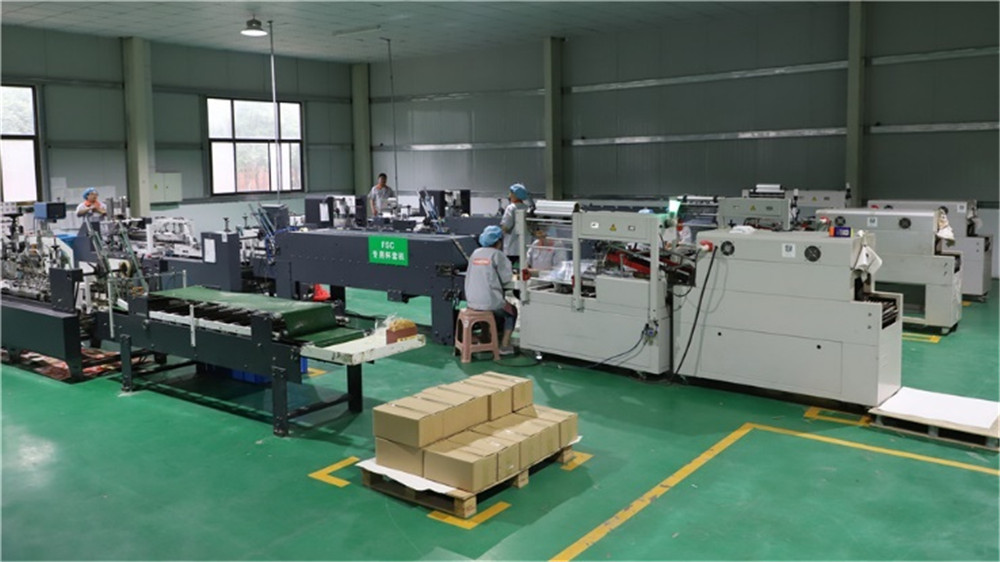
Different regions and markets have unique requirements for packaging dimensions, heat tolerances, and barrier limits. As a leading manufacturer, Shandong PsiPrime Packaging Co., Ltd. provides customized products designed for specific food service environments:
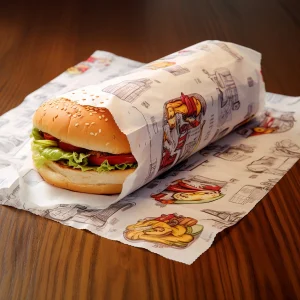
Fast-paced greaseproof solutions for burgers, hot chicken, and fries. Our wraps feature natural plant-based wax barriers that prevent grease penetration without tearing under high heat.
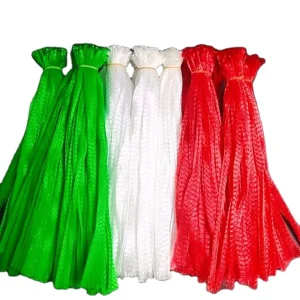
High-clarity breathable PLA stretch films and vegetable mesh roll bags. These products maintain moisture balance to prevent food waste while complying with regional plastic bag bans.
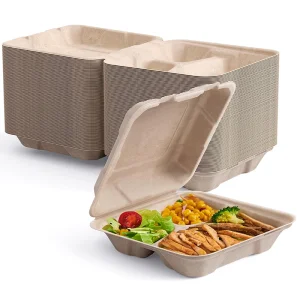
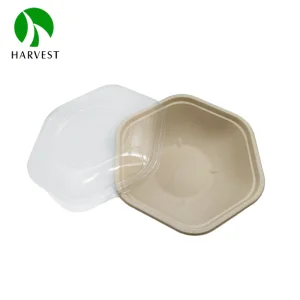
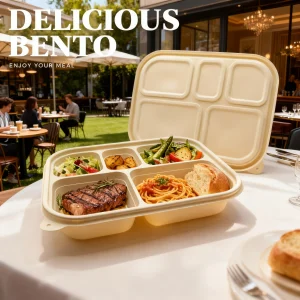
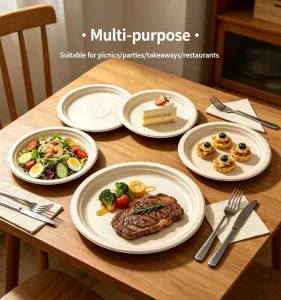
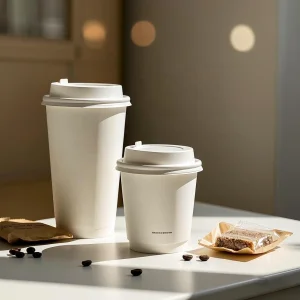
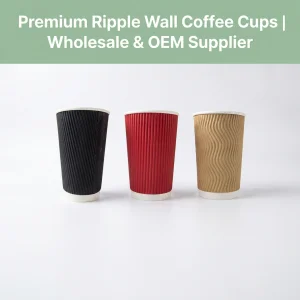
Leakproof 5-compartment boxes, hexagonal bowls, and double-wall hot beverage cups with PLA coatings. This combination ensures food temperature control and structural integrity during delivery.
For global exporters and purchasing departments, compliance is a vital requirement. Our packaging materials undergo rigorous third-party testing to verify their physical performance, food safety, and environmental impact.
We apply standard testing procedures to every production batch to verify performance metrics before shipping:
Our biodegradable and compostable wraps are stable in standard storage environments. They remain functional for 12 to 18 months when stored in dry, cool conditions (between 15°C and 25°C) away from direct sunlight. High humidity and direct heat can shorten this window.
While the raw material cost for biopolymers like PLA/PBAT is higher than conventional PVC, the gap is narrowing. From a performance standpoint, our customized blends offer comparable elasticity, tear resistance, and clarity. Choosing compostable wraps also helps reduce waste management costs and aligns with plastic tax exemptions in many regions.
For customized greaseproof wraps, printed sandwich papers, or customized sugarcane containers, the MOQ ranges from 50,000 to 100,000 units depending on size and specifications. Standard stock items have lower MOQ requirements. We can arrange trial orders for new customers during qualification testing.
No. Our packaging relies on natural barriers and aqueous-based dispersion coatings. This design achieves high grease and water resistance (measured up to Kit Grade 12) without using PFAS, meeting the latest food safety regulations in North America and the EU.
Yes. We engineer our wraps to match the heat-sealing temperatures and tensile profiles of standard packaging lines. This allows processors to switch to sustainable films with minimal adjustments to their existing machinery and wrapping speeds.
We supply full declaration documentation, including certificates for FDA compliance, EU food contact safety, BPI certification, and TÜV OK Compost. Our raw material batches undergo trace analysis to verify compostability and chemical safety for regulatory checks.
 PsiPrime Packaging