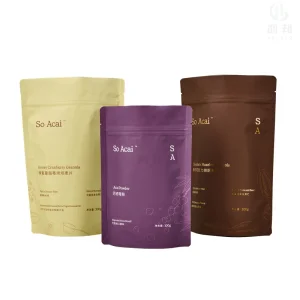
How the intersection of strict national legislation, ESG imperatives, and biopolymer breakthroughs is redefining the packaging supply chain.
Global legislative frameworks, such as the European Union’s Single-Use Plastics Directive (SUPD) and various state-level bans across North America, are actively phasing out traditional low-density polyethylene (LDPE) shopping bags. B2B purchasing agents are shifting procurement directly toward certified industrial compostable substitutes to avoid compliance penalties and high carbon taxes.
Modern search algorithms prioritize "Information Gain". B2B buyers no longer just search for "cheap plastic bags"; they optimize for "EN 13432 certified compostable carrier bags," "marine degradable polymer properties," and "PBAT vs. PLA shelf life." Sourcing departments require granular, scientifically verifiable specifications to support procurement decisions.
It is vital to distinguish between certified compostable materials and oxo-degradable options. Oxo-degradables simply fragment into microplastics under sunlight, which does not align with modern circular economy objectives. Standardized bioplastics, on the other hand, undergo biological decomposition by microbial enzymes, leaving zero synthetic residue.
A look at the material science behind modern biodegradable carrier bags.
Pure PLA (Polylactic Acid) is stiff and brittle, while pure PBAT (Polybutylene adipate-co-terephthalate) is flexible but lacks structural tensile strength. The industry standard utilizes reactive compounding of PBAT and PLA. This balance provides a packaging material that matches the high load-bearing capacity and elongation characteristics of conventional LDPE.
Integrating thermoplastic starch (TPS) reduces material costs. However, higher starch content affects water resistance and shelf-life stability. Advanced compounding processes help maintain barrier protection and tensile strength in humid conditions, ensuring the bags remain functional during storage and use.
Polyhydroxyalkanoates (PHA) represent the next step in biodegradable polymers. Synthesized directly via bacterial fermentation of lipids or sugars, PHA offers natural marine biodegradability, decomposing in ambient saltwater environments without leaving persistent microplastics.
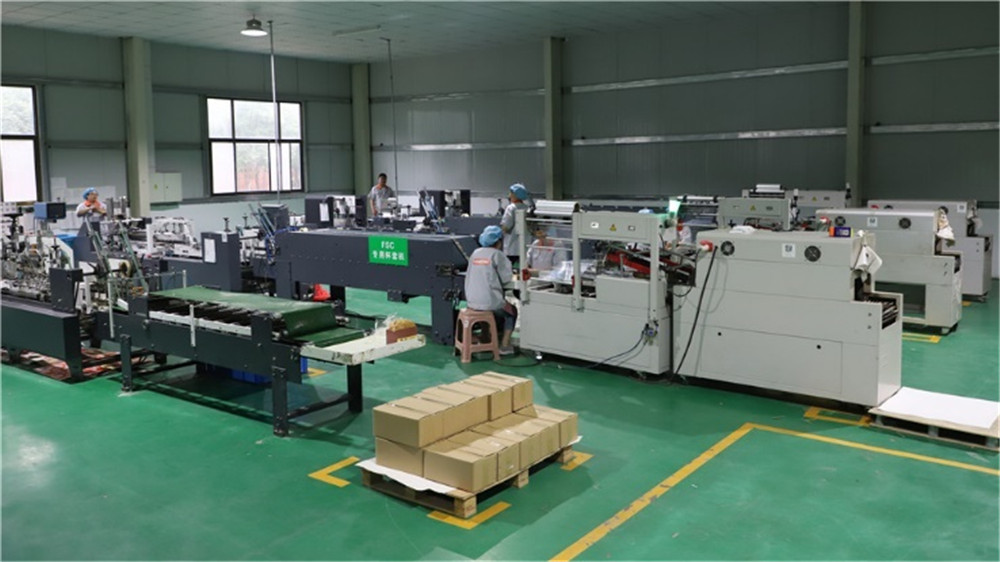
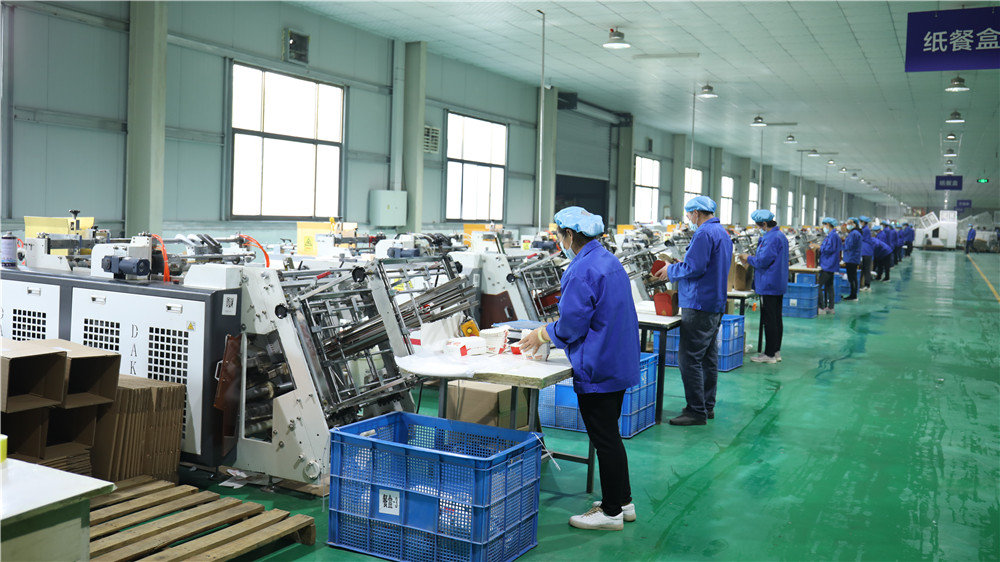
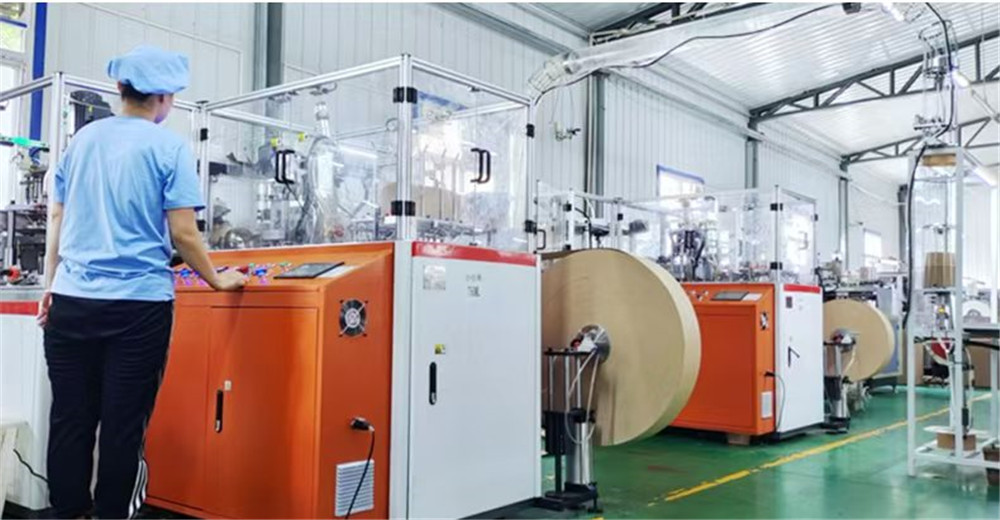
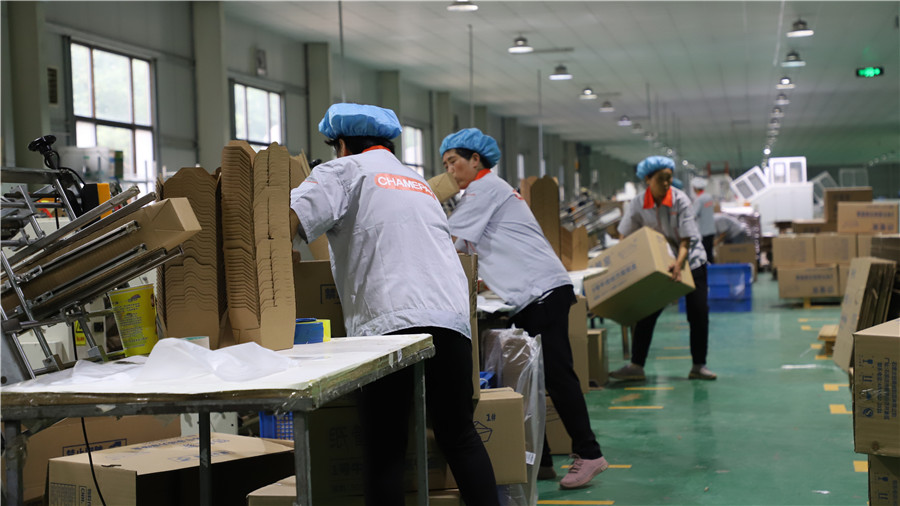
An overview of our production standards and manufacturing facilities.
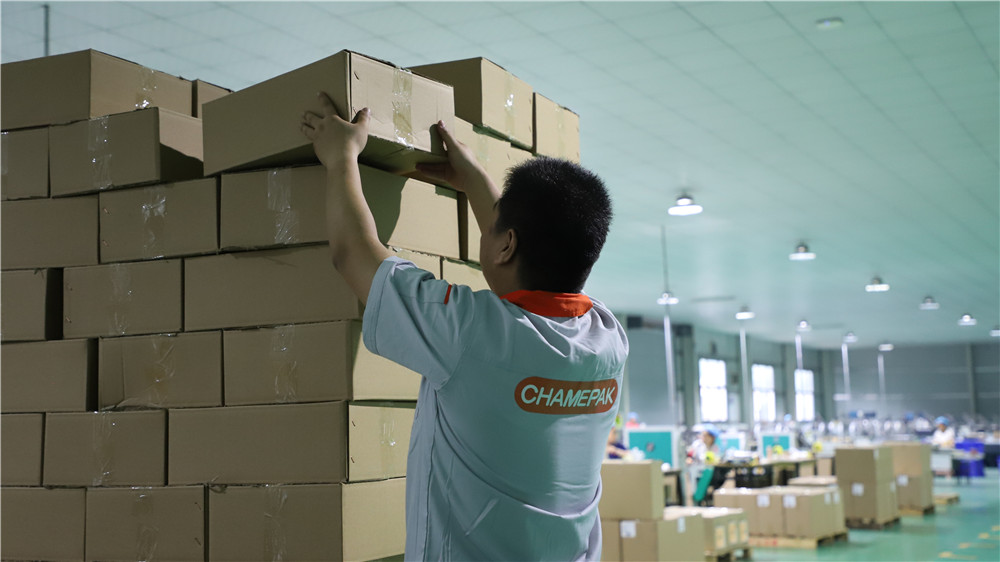
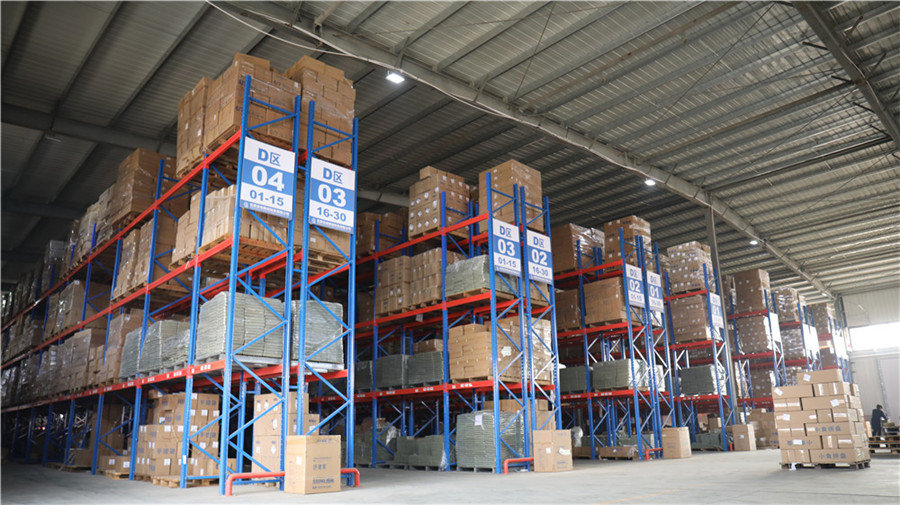
Shandong PsiPrime Packaging Co., Ltd. is committed to advancing sustainable packaging solutions and promoting the reduction of single-use plastics, helping foodservice and food-related industries transition toward more environmentally responsible operations.
The company strongly believes that biodegradable and compostable packaging materials represent the future of sustainable development. It actively promotes the concept of “plastic alternatives” and works to raise awareness of eco-friendly packaging across global markets. With extensive industry experience and a reliable supply chain, we provide high-quality, sustainable food packaging solutions to customers in many countries and regions.
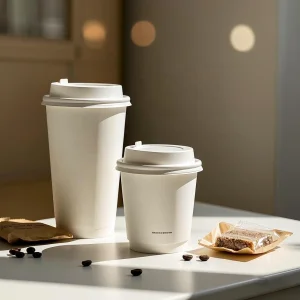
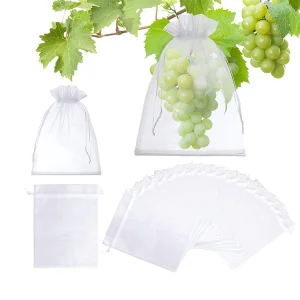
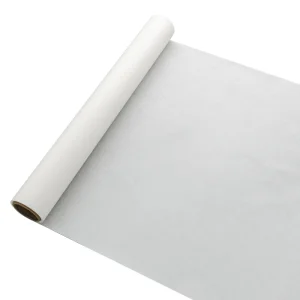
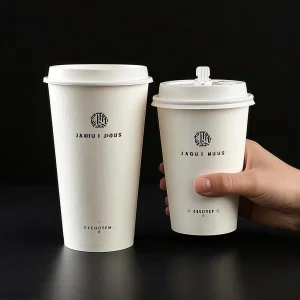
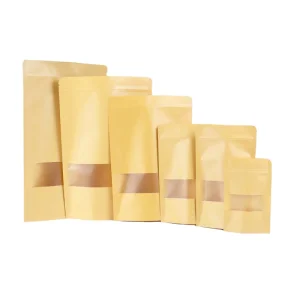
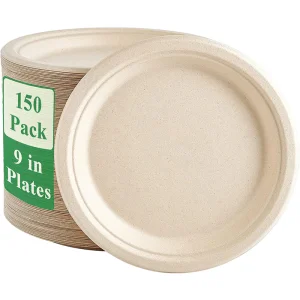
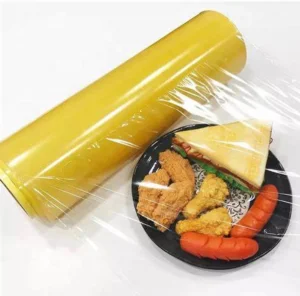
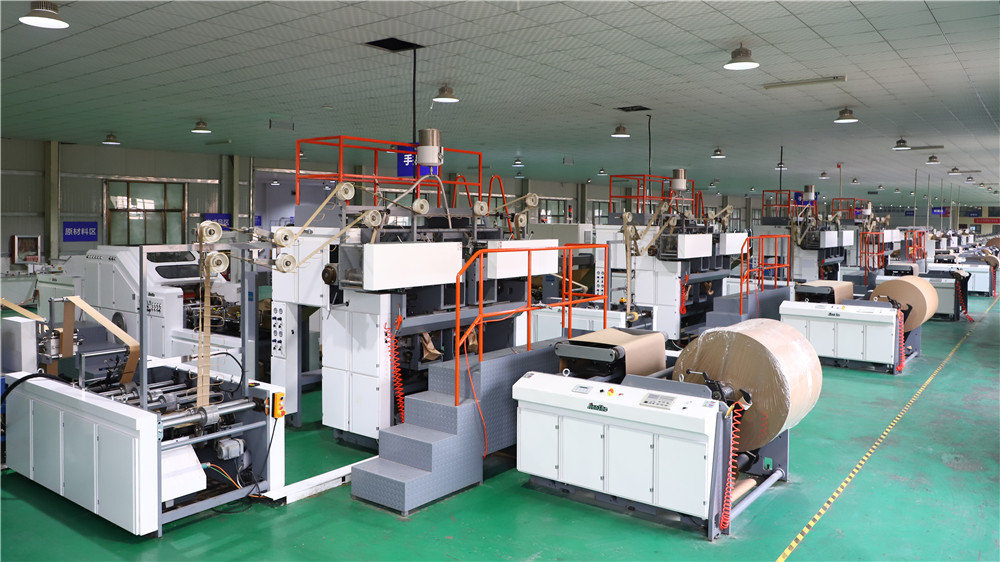
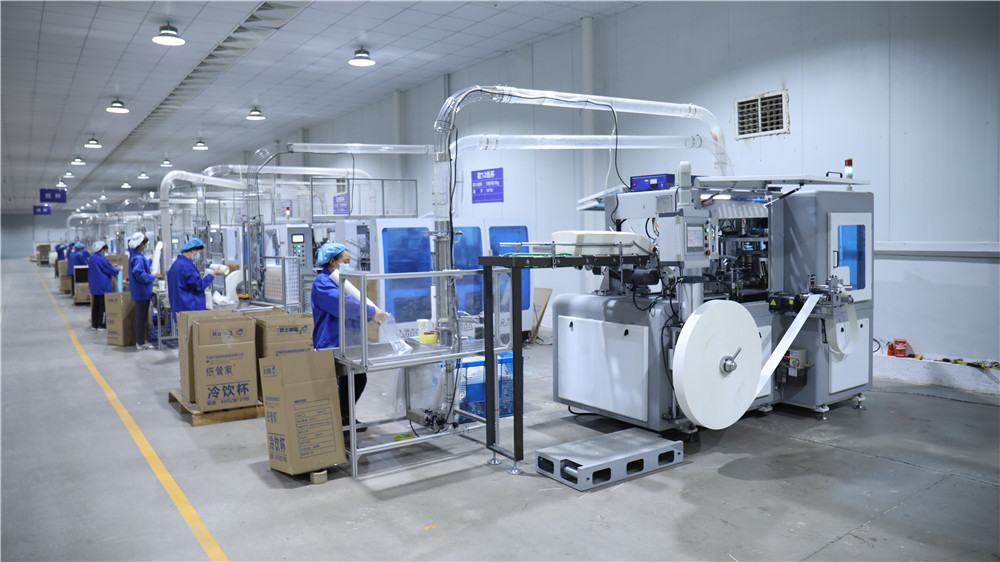
Shandong PsiPrime Packaging Co., Ltd. specializes in the research, development, and manufacturing of eco-friendly food-grade packaging products. Its product portfolio includes compostable food containers, paper-based food packaging, eco-friendly paper bags, food wrapping paper, and disposable catering supplies. These solutions are designed to meet the diverse needs of restaurants, food delivery platforms, food processors, and retail businesses.
The company is dedicated to a customer-centric philosophy, offering one-stop customization services ranging from product design and material selection to custom printing. This enables clients to build strong, recognizable brand packaging while maintaining sustainability goals. At the same time, we emphasize stable delivery performance and strict quality control to ensure efficient and reliable global supply.
Through continuous improvements in production processes and supply chain management, Shandong PsiPrime Packaging Co., Ltd. enhances both cost efficiency and operational reliability, supporting clients in achieving sustainable growth in competitive markets.
Looking ahead, the company will continue investing in innovation in biodegradable materials and expanding the application of compostable products across more industries, working together with global partners to build a low-carbon, environmentally friendly, and sustainable future.
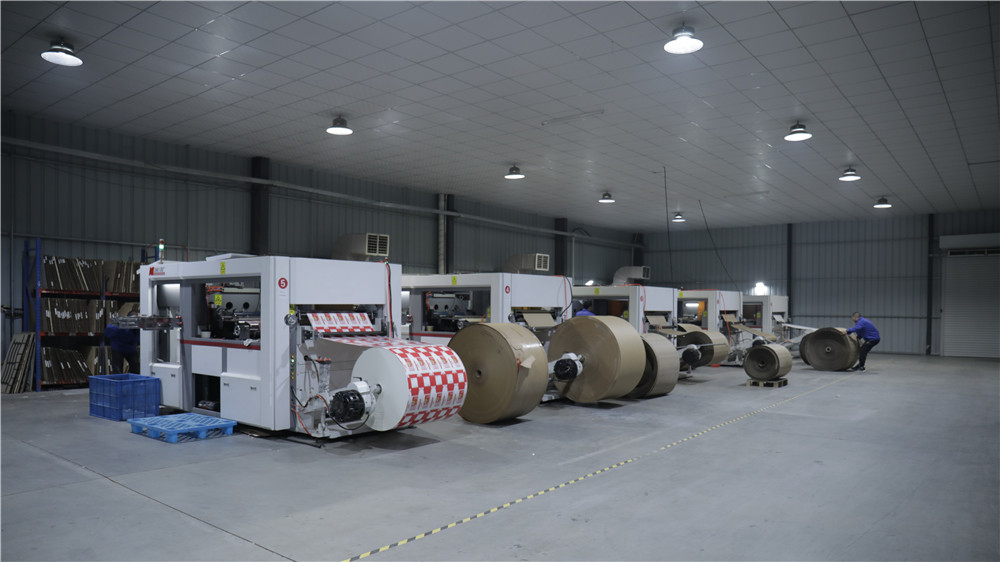
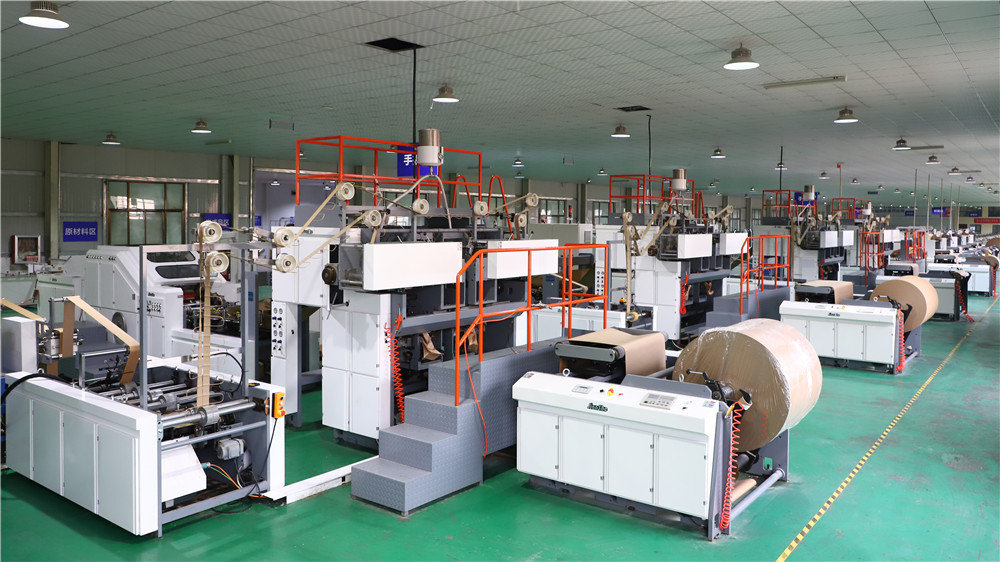
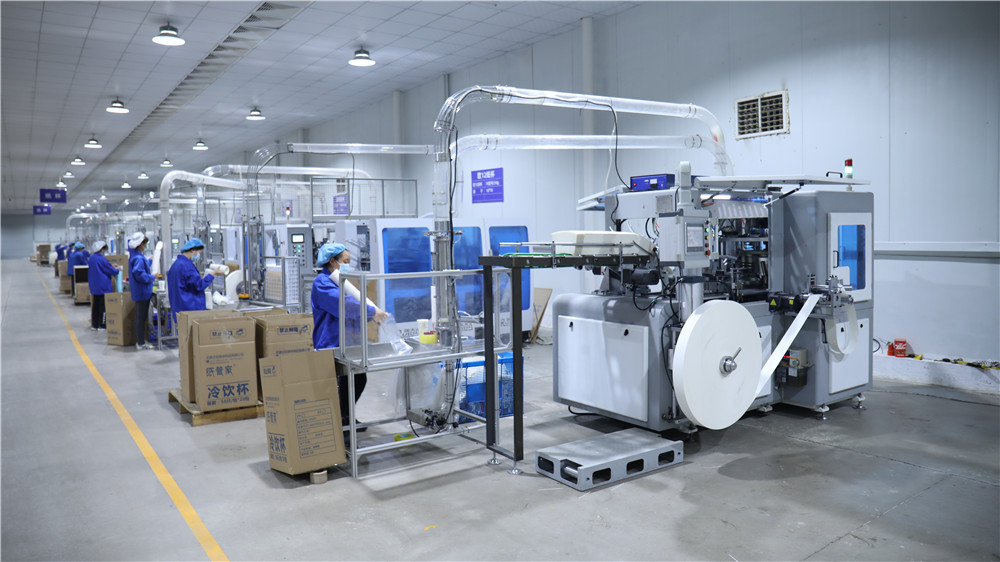
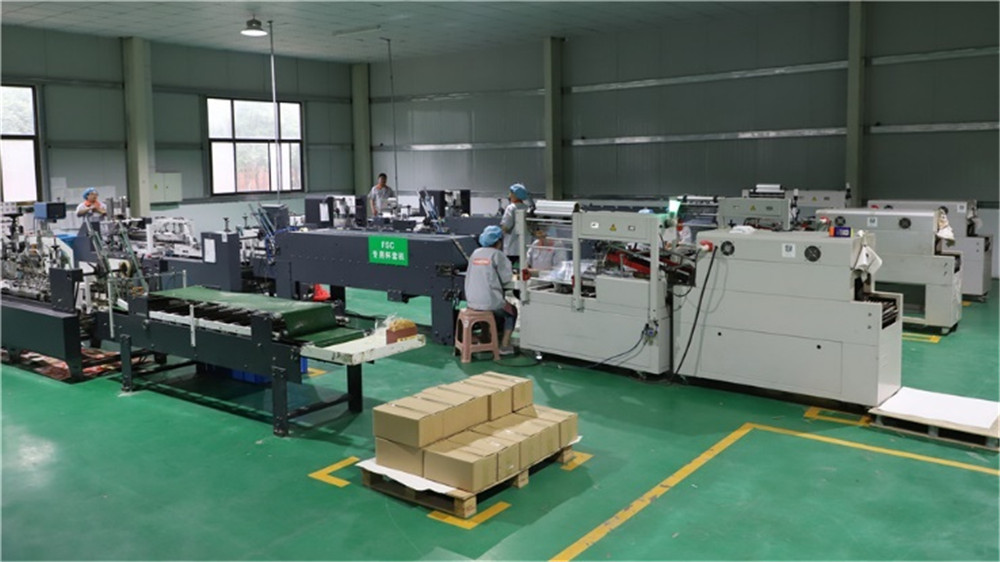
Understanding the logistical and raw material advantages that secure global supply chains.
China is a major producer of base biopolymer components, including raw BDO (butanediol), adipic acid, and PTA (purified terephthalic acid). These components are processed into PBAT and blended locally, reducing cross-border material transportation costs and stabilizing production lead times.
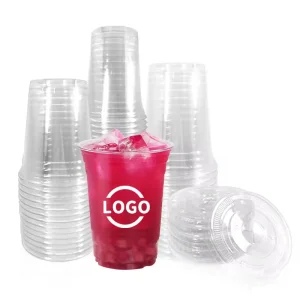
Our facilities support high-definition, multi-color water-based ink flexographic printing, allowing brands to implement custom logos without degrading the product's compostability. Water-based inks avoid volatile organic compounds (VOCs), maintaining compliance with environmental regulations.
Our proximity to major ports like Qingdao simplifies shipping logistics. Direct container loading and customs clearances reduce transit times, helping us meet demanding timelines for global distributors and retail brands.
How biodegradable bags perform in real-world retail and industrial environments.
High-volume checkout lines require bags with consistent puncture resistance. Starch-PBAT blended bags are formulated to handle damp groceries and sharp-edged boxes without tearing, matching the carrying performance of traditional plastics.
E-commerce shipping requires robust barrier properties to protect goods from moisture and dust during transit. Extruded co-polymer bubble wraps and mailer bags offer reliable tear resistance and seal strength, protecting products through various handling stages.
Food delivery services require bags with heat and grease resistance to carry hot food. Our grease-resistant materials and heavy-duty structural designs prevent condensation buildup and leakage, ensuring clean deliveries.
Independent verification ensures global market entry and environmental safety.
Our compostable bags are certified to meet European standard EN 13432 and US standard ASTM D6400. In industrial composting facilities, these products are tested to degrade within 180 days without releasing toxic residues or microplastics into the soil.
For markets with limited municipal composting systems, we offer HOME-certified biodegradable formulations. These decompose at lower, natural temperatures, making them suitable for garden compost piles and residential soil disposal.
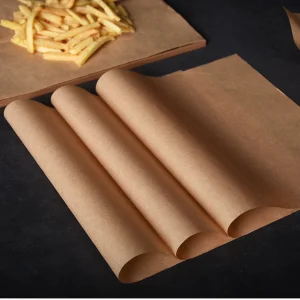
Food-grade packaging products, including wrapping papers and bags, use FDA-cleared raw materials. This ensures no chemical transfer occurs during food contact, meeting safety regulations for hot, acidic, or fatty food products.
Answers to technical and logistical questions commonly asked by procurement managers.
 PsiPrime Packaging