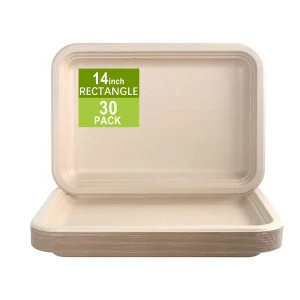
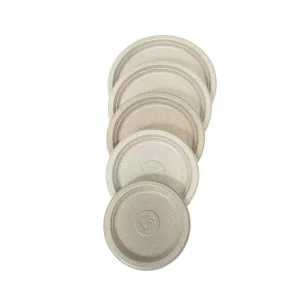
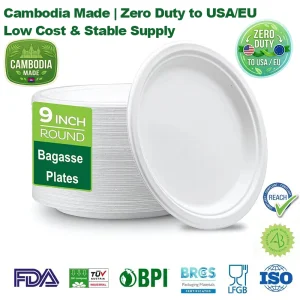
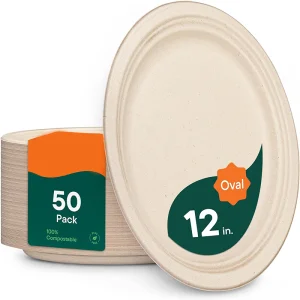
Engineered from premium sugarcane pulp, our top-tier disposable plates offer unmatched durability and environmental compliance across Kenya.
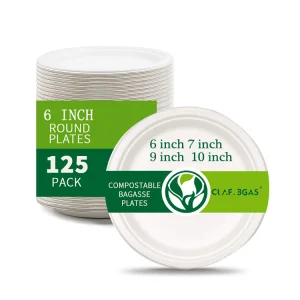
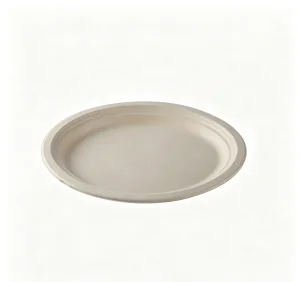
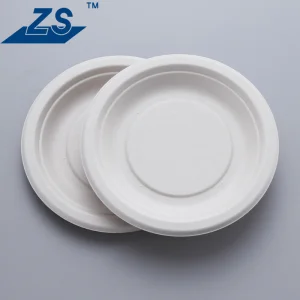
An analytical assessment of market drivers, regulatory shifts, and the green packaging transition in East Africa.
Ever since Kenya introduced its historic ban on single-use plastics under the National Environment Management Authority (NEMA) guidelines, the local market has experienced a massive paradigm shift. The ban did not just target carrier bags; it sparked an intensive regulatory push to eradicate all forms of non-degradable polymer food packaging. This legislative shift has left commercial food processors, supermarket chains (such as Naivas and Carrefour Kenya), and major quick-service restaurants scrambling for viable, cost-effective bio-alternatives.
In major economic hubs like Nairobi, Mombasa, and Kisumu, a booming urban population has accelerated the demand for takeaway and food delivery platforms. Standard paper options often fail due to structural degradation under the moisture and oil of local culinary staples. Sugarcane bagasse tableware has emerged as the definitive standard, delivering structural integrity for heavy stews, Nyama Choma, and Ugali dishes, without resorting to banned petroleum-based polymer linings.
East Africa is progressively aligning with circular economy models. By importing sugarcane bagasse tableware, Kenyan enterprises are effectively repurposing agricultural residue. Instead of burning residual sugarcane stalks, the pulp is transformed into high-value products. As a packaging partner, Shandong PsiPrime Packaging Co., Ltd. helps bridge this technical gap, exporting premium bagasse solutions directly into the East African logistics framework.
How PsiPrime is advancing pulping technology, chemical barriers, and localized degradation performance.
Historically, oil and water resistance in molded fiber products relied on per- and polyfluoroalkyl substances (PFAS). However, as international standards tighten, PsiPrime is deploying cutting-edge fluorine-free (PFAS-Free) biological additives. These plant-derived barriers achieve superior oil resistance (up to 120°C) and hot water tolerance (up to 100°C) through hydrogen bonding modifications within the cellulose matrix, ensuring compliance with both local KEBS standards and global health regulations.
Our engineering pipeline leverages automated wet-pressing thermoforming. Unlike dry-pressing, wet-pressing provides a smooth double-sided surface finish, eliminating loose fibers and maximizing tensile strength. Our automated systems monitor density consistency and moisture levels in real-time, preventing warping during container transit across tropical marine zones to the Port of Mombasa.
The majority of compostable products require industrial composting facilities, which are still growing in East Africa. Our technical roadmap focuses on modifying the lignin-to-cellulose ratios of the bagasse pulp. This adjustment accelerates the degradation speed, allowing the sugarcane plates to break down naturally in backyard composting systems within 45 to 60 days under local Kenyan climatic conditions.
We provide end-to-end supply solutions customized to resolve localized logistics and fiscal constraints in East Africa.
We streamline custom clearing procedures in East Africa. By utilizing direct shipping lines, we minimize transit times from China to the Port of Mombasa, optimizing freight volumes to keep landing costs highly competitive.
Enhance your presence in the Kenyan market with custom embossing options. We can engrave distributor logos directly onto bagasse plates during the structural molding process, establishing brand premiumization.
Avoid regulatory hurdles at Kenya Customs. We supply comprehensive testing certificates (FDA, LFGB, EN13432, SGS) required to quickly secure the KEBS Import Standardization Mark (ISM).
How Shandong PsiPrime Packaging Co., Ltd. matches manufacturing excellence with consistent global logistics.
Shandong PsiPrime Packaging Co., Ltd. is dedicated to advancing sustainable packaging solutions and mitigating the global footprint of single-use plastics. We specialize in research, development, and high-capacity manufacturing of eco-friendly food-grade packaging. Our comprehensive factory ecosystem comprises advanced forming machines, strict checking mechanisms, and highly efficient packaging setups. This industrial framework ensures stable delivery performance, cost efficiency, and reliable international supply pipelines.
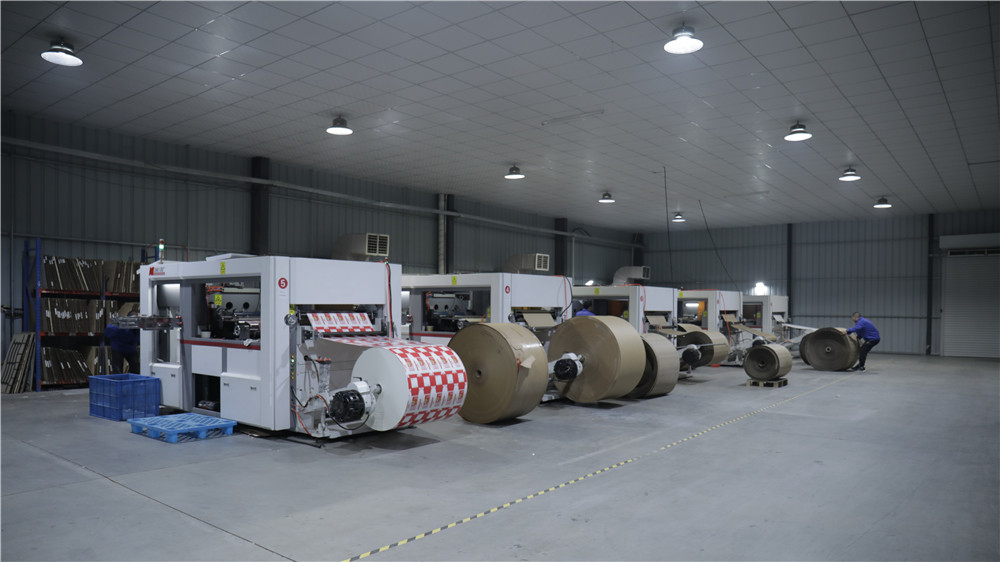
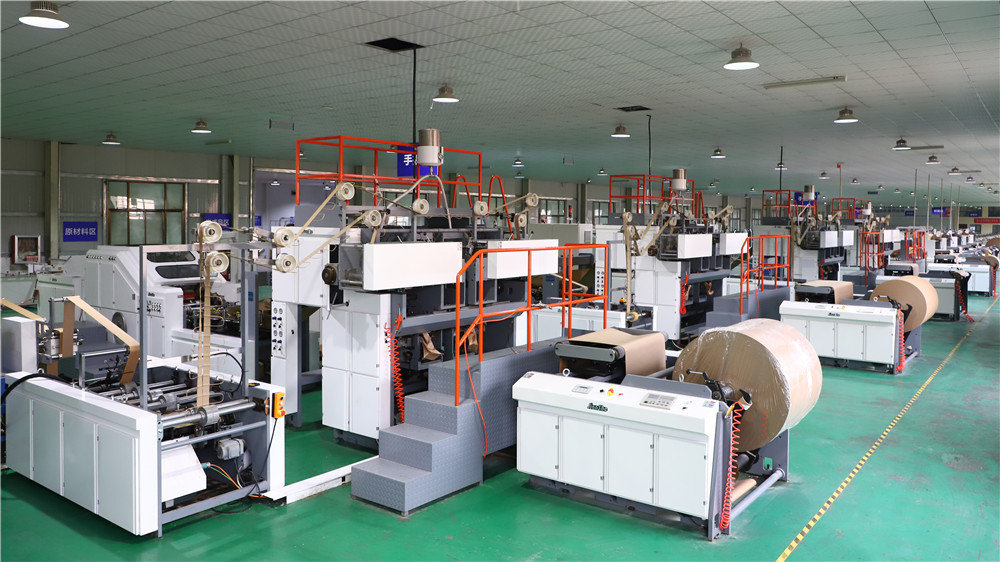
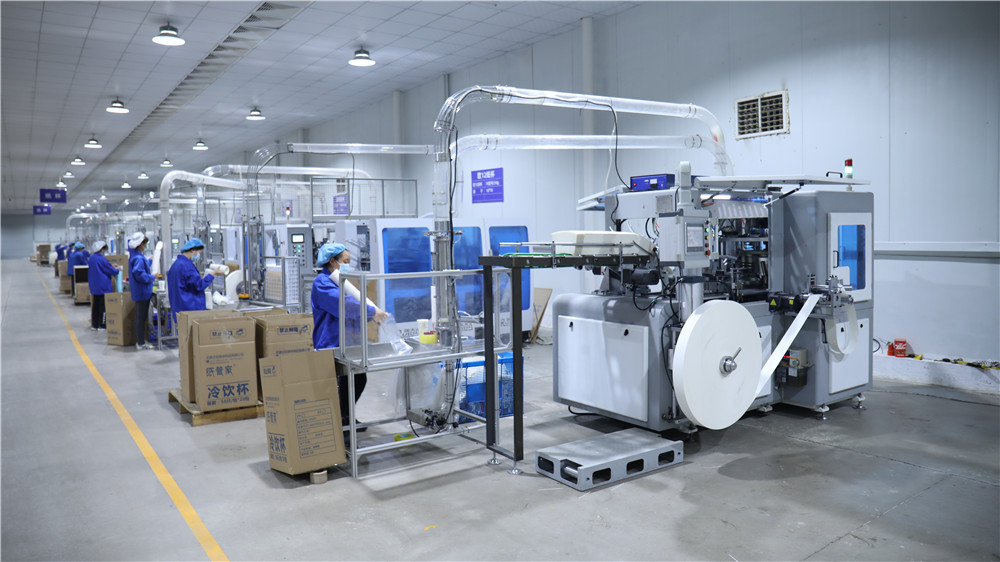
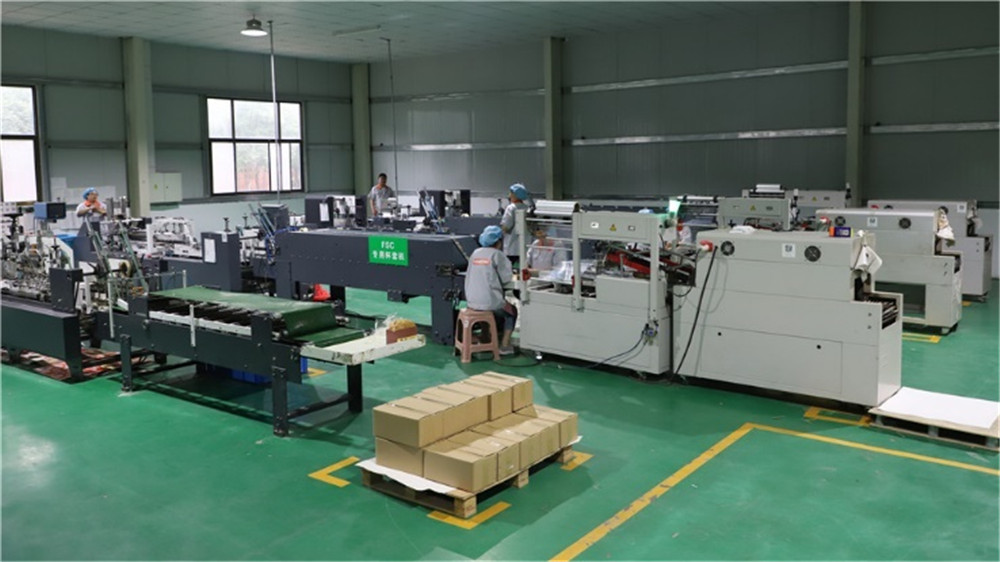
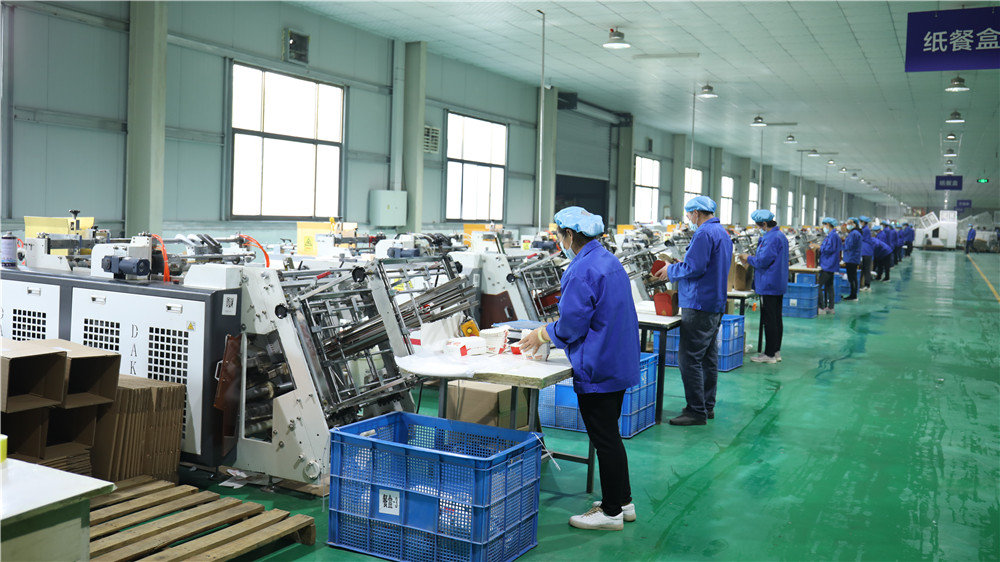
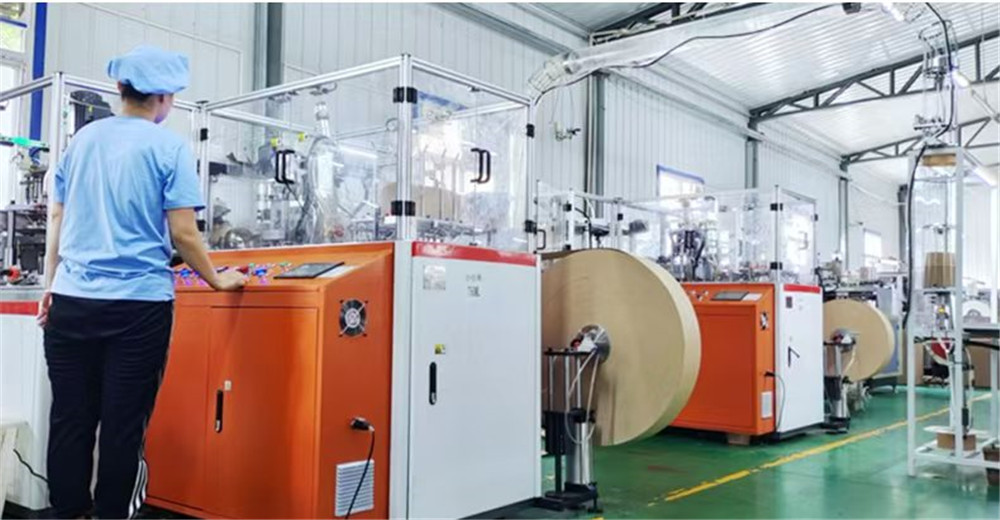
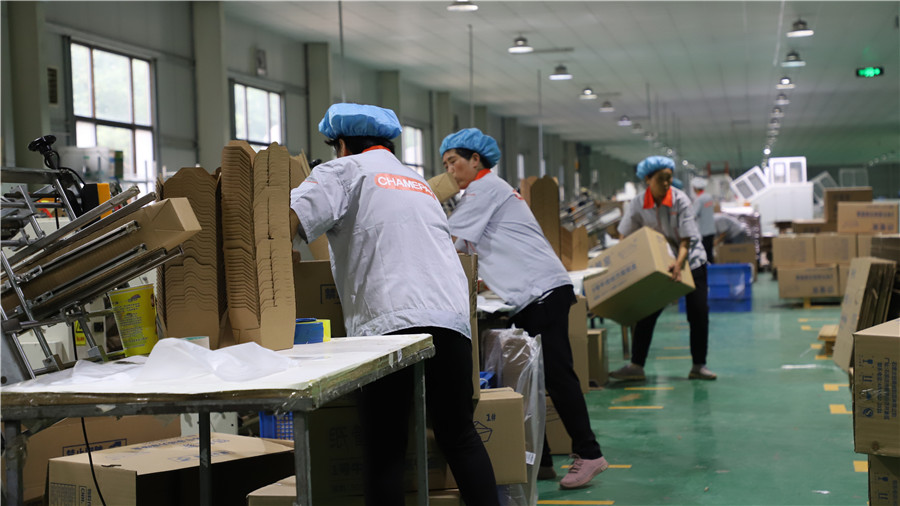
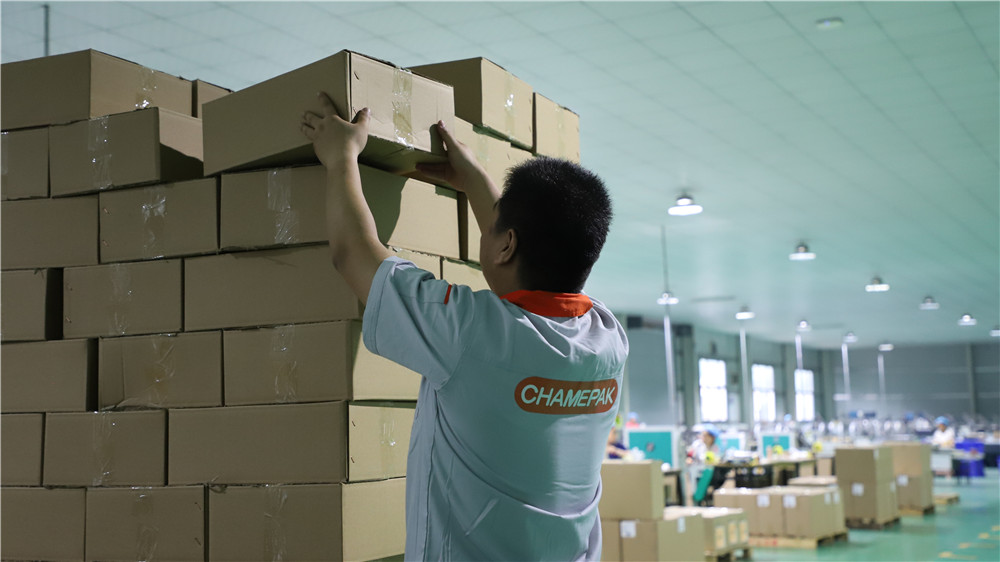
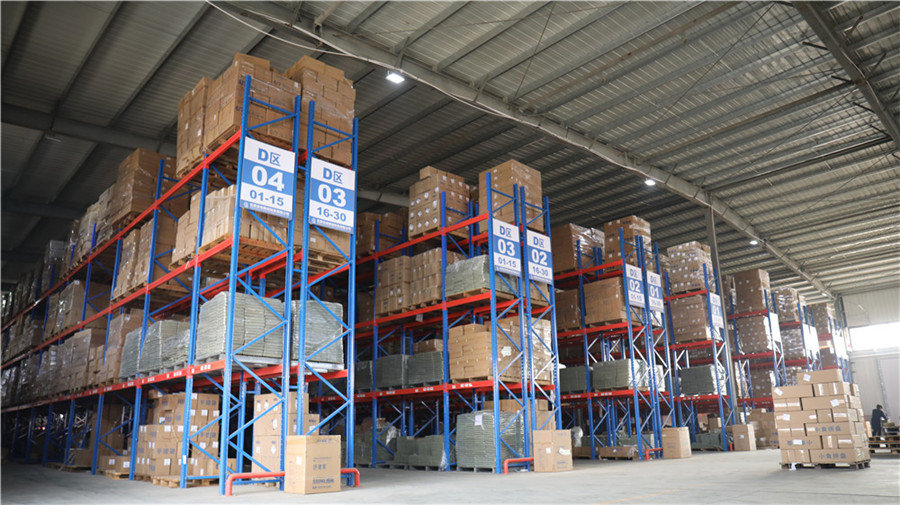
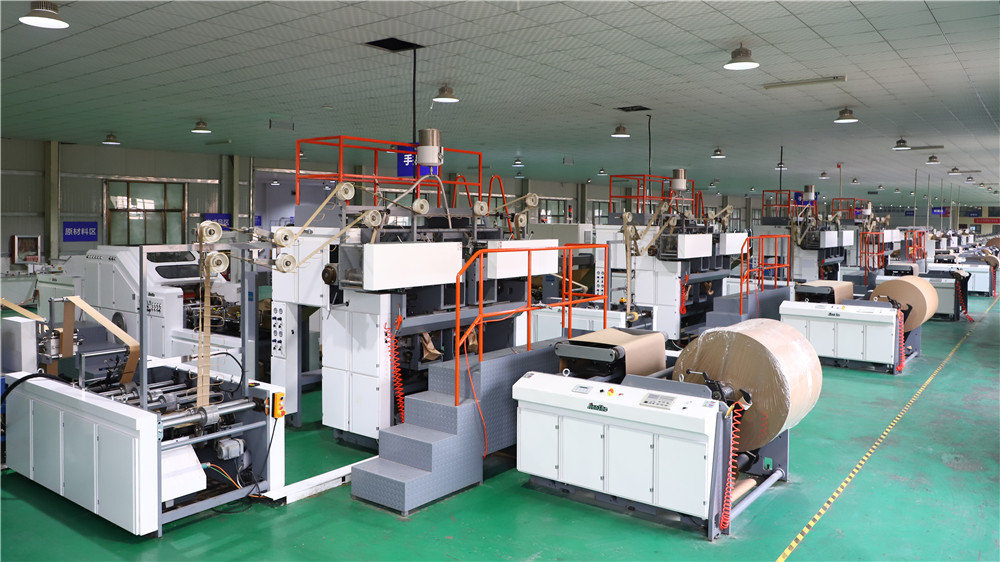
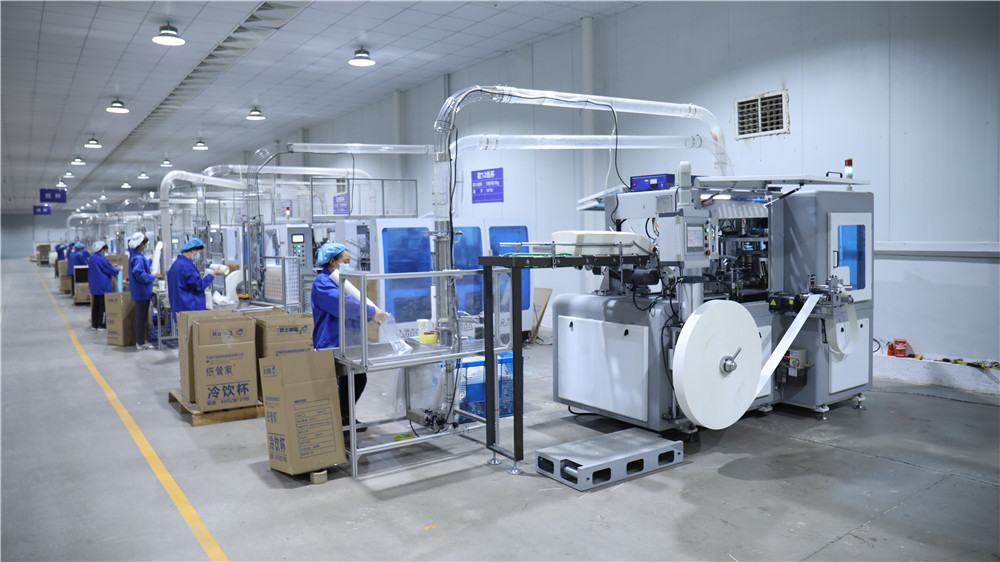
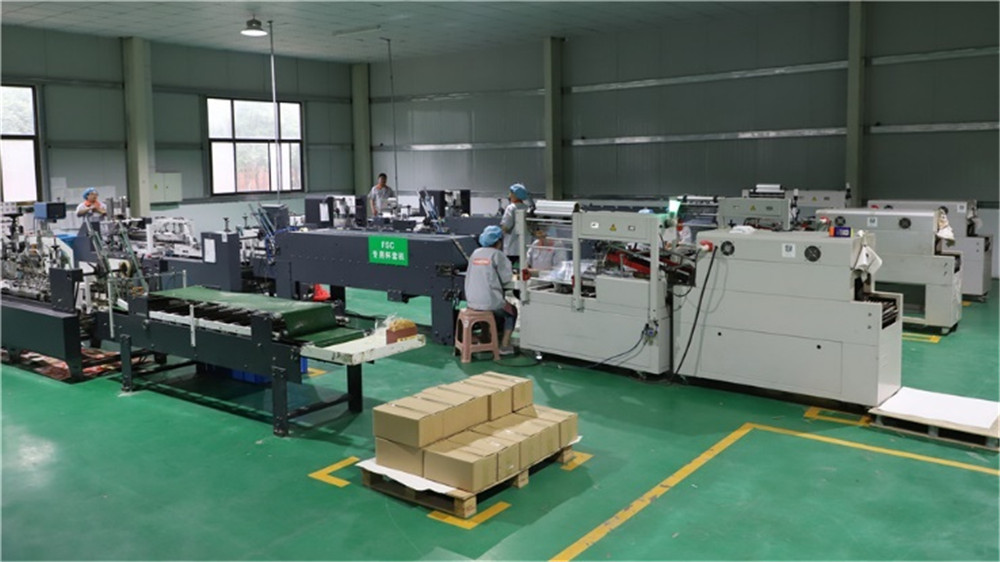
Technical parameters and standards maintained across our sugarcane bagasse manufacturing pipelines.
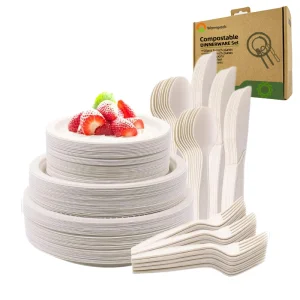
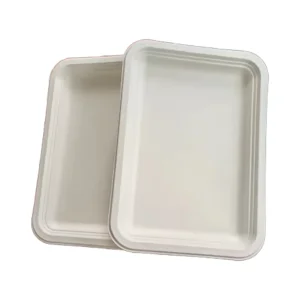
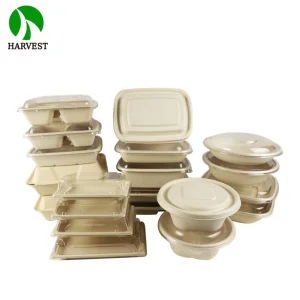
Expanded solutions covering heavy-duty meal trays, rice husk configurations, and compartmentalized options.




Clear, authoritative information regarding procurement, logistics, and compliance for importing to Kenya.
Partner with Shandong PsiPrime Packaging Co., Ltd. for factory-direct prices, reliable quality controls, and comprehensive compliance support for the Kenyan market.
Send Inquiry Now PsiPrime Packaging