Discover our primary selection of biodegradable food-grade packaging containers optimized for Egyptian quick-service restaurants, delivery hubs, and eco-resorts.
Mapping the regulatory shifts and raw material constraints reshaping the Egyptian foodservice supply chain.
Egypt is witnessing an unprecedented transformation in its retail, food service, and packaging sectors. Driven by the presidential decree on eco-friendly transitions and the National Solid Waste Management Law (Law No. 202 of 2020), Egyptian enterprises are shifting away from petroleum-based single-use plastics.
This macro policy is coupled with a structural change in tourism hubs such as Sharm El-Sheikh, Hurghada, and El Gouna, where municipalities have enforced strict municipal bans on single-use plastics. For luxury resorts and Quick Service Restaurants (QSRs) operating in Cairo, sourcing highly reliable, high-performance plant-based salad bowls has evolved from a branding exercise to a fundamental operational compliance requirement.
Additionally, macro-economic conditions and local currency shifts have highlighted the value of robust, direct manufacturer relationships. By sourcing directly from scalable industrial production bases in China, Egyptian procurement groups can secure cost margins, consistent thickness specifications, and reliable delivery parameters that local Egyptian converting facilities cannot currently match due to domestic raw material deficits.
Comparing production dynamics, raw material integration, and international regulatory alignment.
| Evaluation Parameter | Global Industry Benchmark | Egyptian Domestic Production | PsiPrime China Manufacturing Advantage |
|---|---|---|---|
| Raw Material Access | High dependency on regional crop yields (bamboo, sugarcane pulp, corn starch PLA). | Limited domestic production of wood pulp or virgin PLA. High import dependency for raw pellets. | Direct supply agreement access to virgin agro-industrial sugarcane bagasse and high-strength bamboo fiber. |
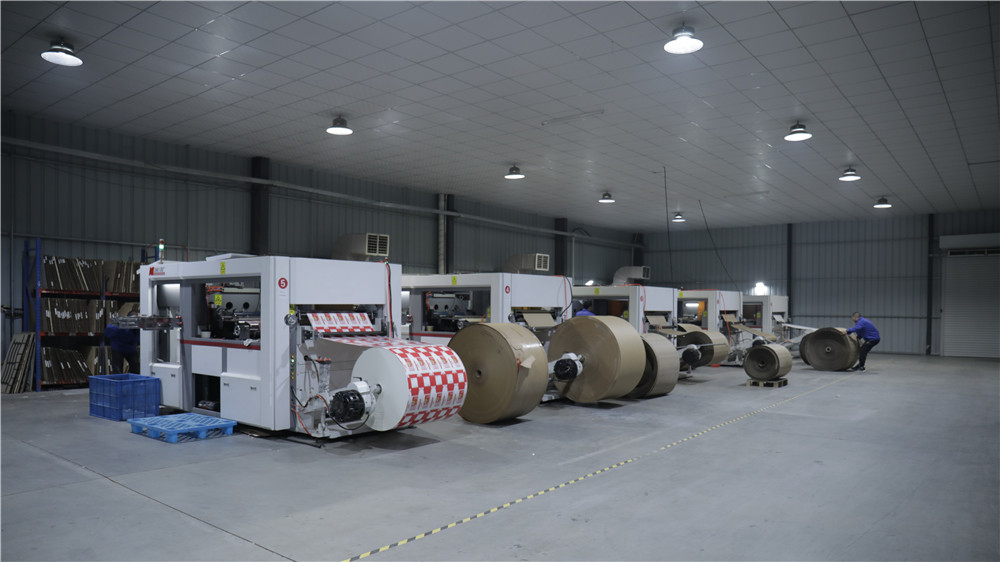
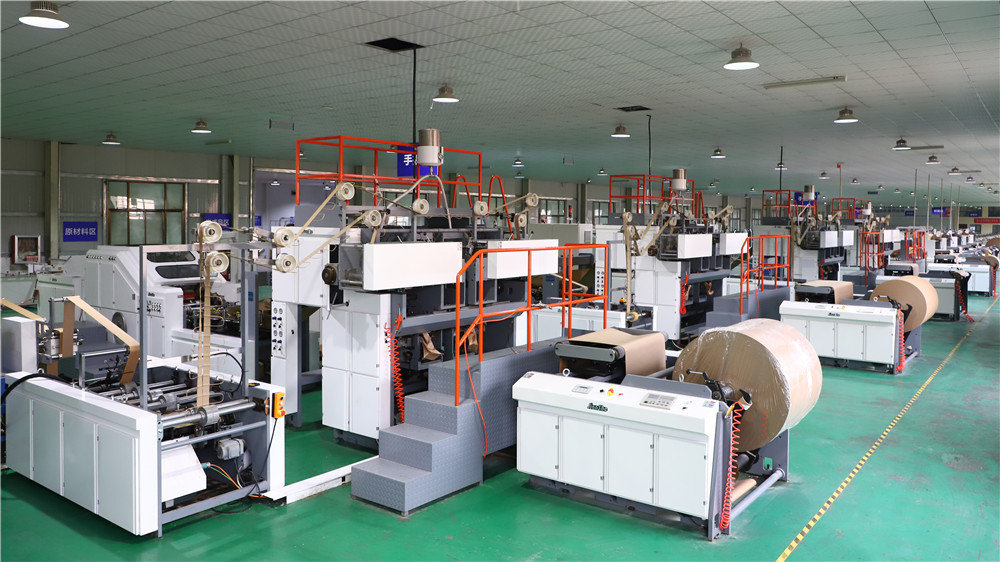
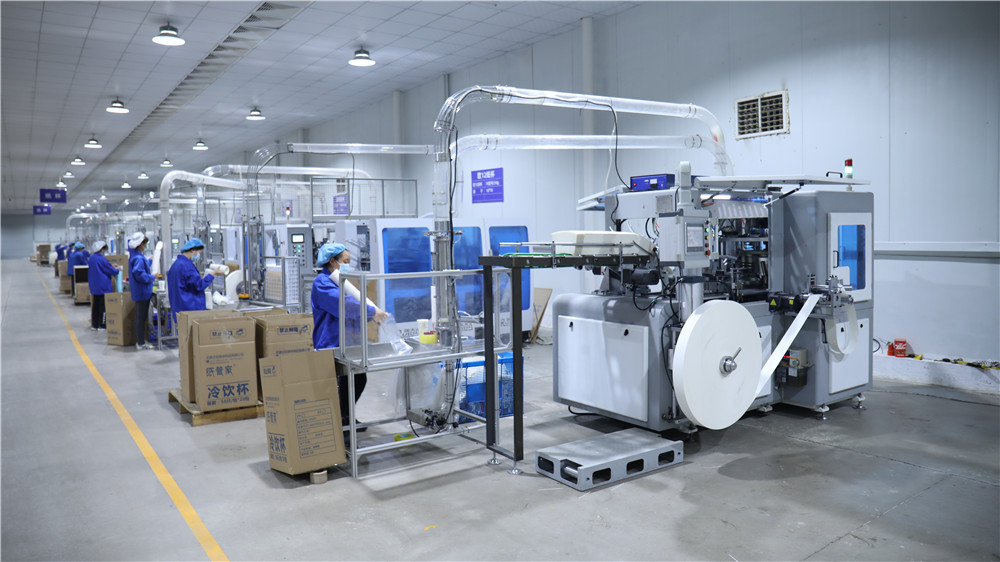
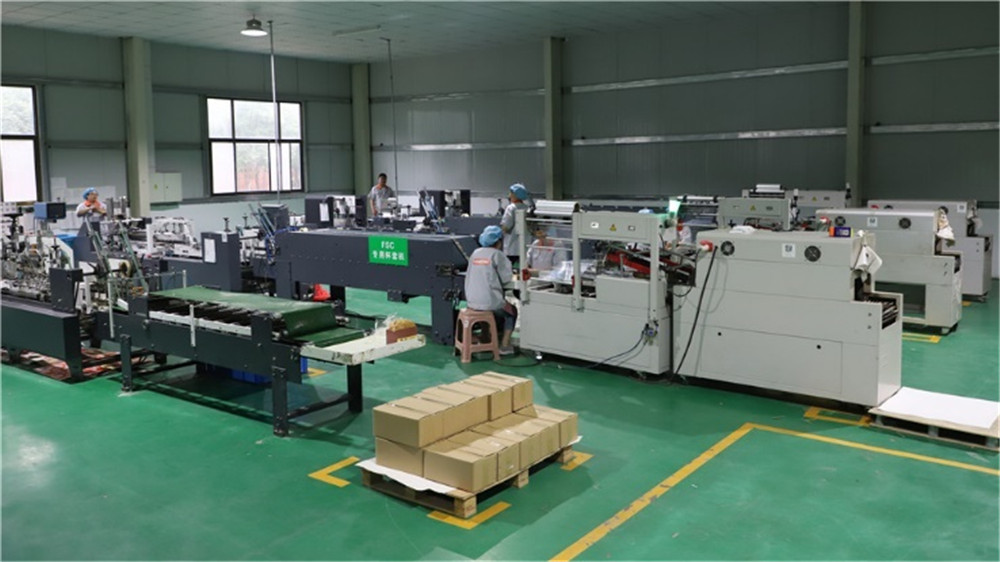
| Manufacturing Scale | Varied. Small regional facilities run high overheads; mega factories dominate. | Largely regional conversion setups with high processing wastes and limited high-volume thermoforming lines. | Integrated raw pulping, cutting, forming, and automated packaging under one massive industrial site. |
| Oil & Grease Barrier Compliance | Strict international transition to PFAS-free barrier technologies. | Frequent usage of traditional LDPE linings or wax coatings, restricting composting and recyclability. | Advanced aqueous dispersion barrier coatings and biological PLA layers that biodegrade in under 90 days. |
| Per Unit Production Costs | Relatively high due to energy prices in Europe/North America. | Subject to volatile energy supply chains and high processing scrap rates. | High-speed, multi-cavity automated thermoforming machinery minimizing unit costs while maintaining structural integrity. |
Shandong PsiPrime Packaging Co., Ltd. - Empowering the Global Shift to High-Performance Plant-Based Containers
Shandong PsiPrime Packaging Co., Ltd. is committed to advancing sustainable packaging solutions and promoting the reduction of single-use plastics, helping foodservice and food-related industries transition toward more environmentally responsible operations.
The company strongly believes that biodegradable and compostable packaging materials represent the future of sustainable development. It actively promotes the concept of "plastic alternatives" and works to raise awareness of eco-friendly packaging across global markets. With extensive industry experience and a reliable supply chain, we provide high-quality, sustainable food packaging solutions to customers in many countries and regions.
From bagasse fiber chemistry to heat-stabilized PLA compounds, we continually engineer higher structural walls and better thermal properties for hot and cold foods.
Providing high-precision printing with soy-based non-toxic inks, custom embossing, tailored sizing, and localized brand integration for Middle Eastern hospitality groups.
Direct export configurations via Shanghai, Qingdao, or Ningbo ports to Alexandria and Sokhna, guaranteeing fast customs transitions and reliable lead times.
Why specific plant-based fiber products match the micro-climates and usage behaviors of Egypt's food sector.
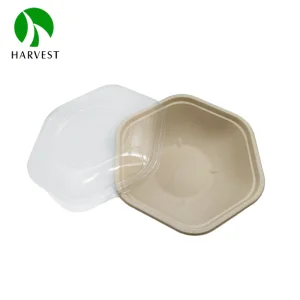
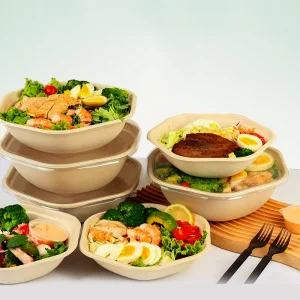
In Sharm El-Sheikh, Hurghada, and Marsa Alam, hotels aiming for the prestigious Green Star Hotel certification must phase out plastic tableware. Our compostable sugarcane hexagon bowls and rice husk serving bowls provide the premium feel, high heat resistance, and complete biodegradability necessary to maintain resort standards.
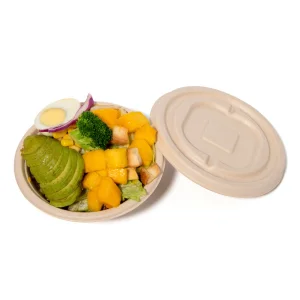
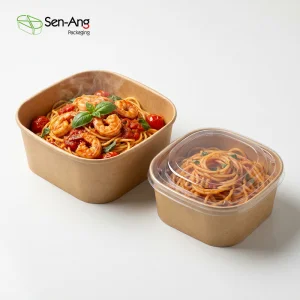
Cairo's high-speed delivery ecosystems require robust leak-proof lunch boxes. The 90-day degradation sugarcane paper lunch box offers excellent structural strength, oil-resistance, and snap-on lids. These features prevent sogginess during extended delivery times across New Cairo, Maadi, and Heliopolis.
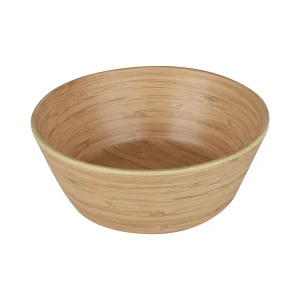
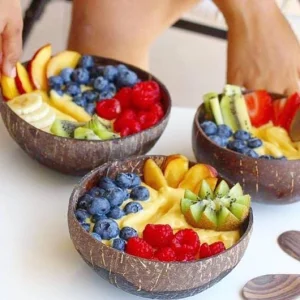
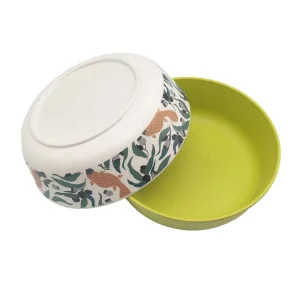
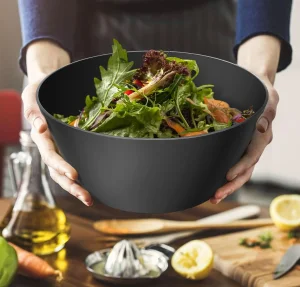
For wellness and health food venues catering to Egypt's growing organic sector, our handcrafted coconut shell bowl sets and custom natural bamboo fiber salad bowls match the clean, premium, botanical aesthetic of organic menus and artisanal foods.
Every step of our manufacturing is certified, traceably managed, and optimized for maximum efficiency.
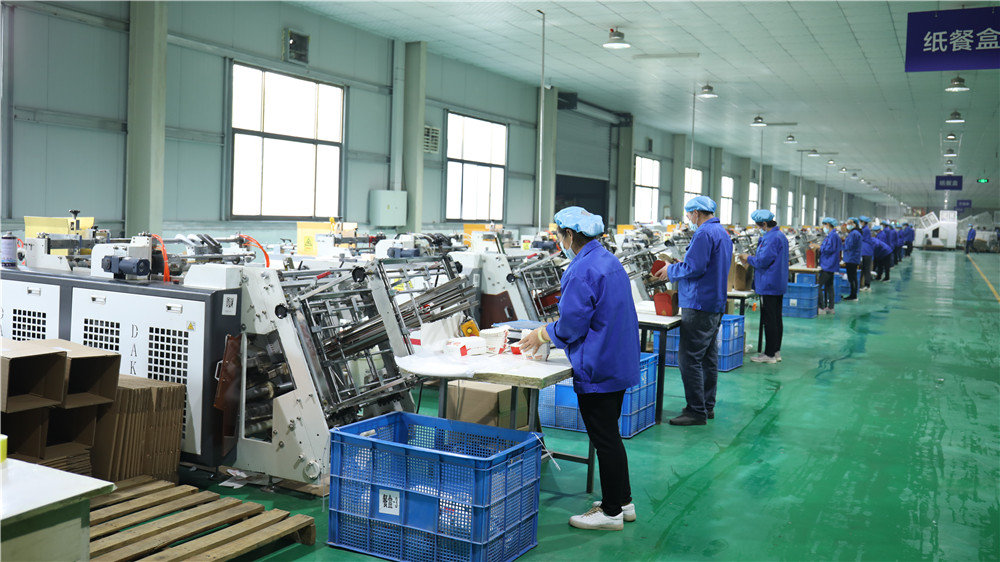
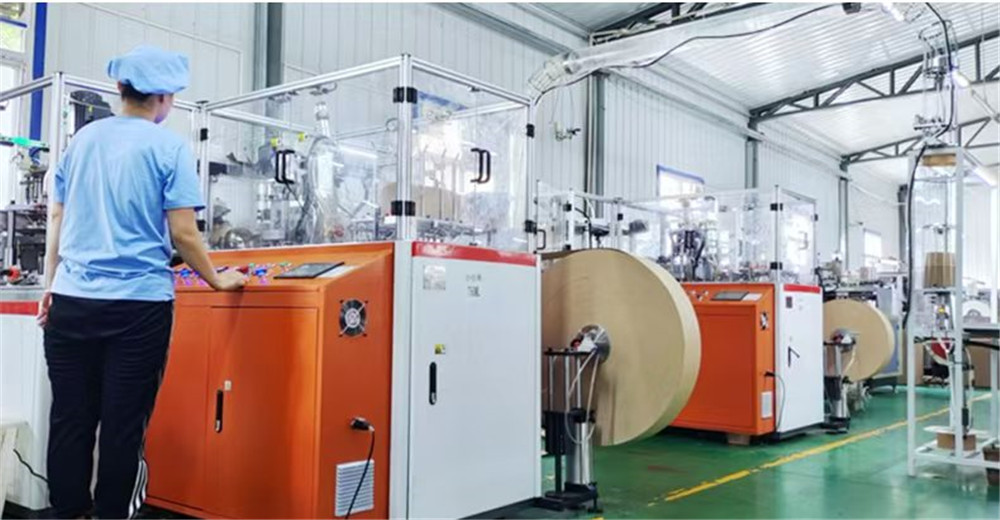
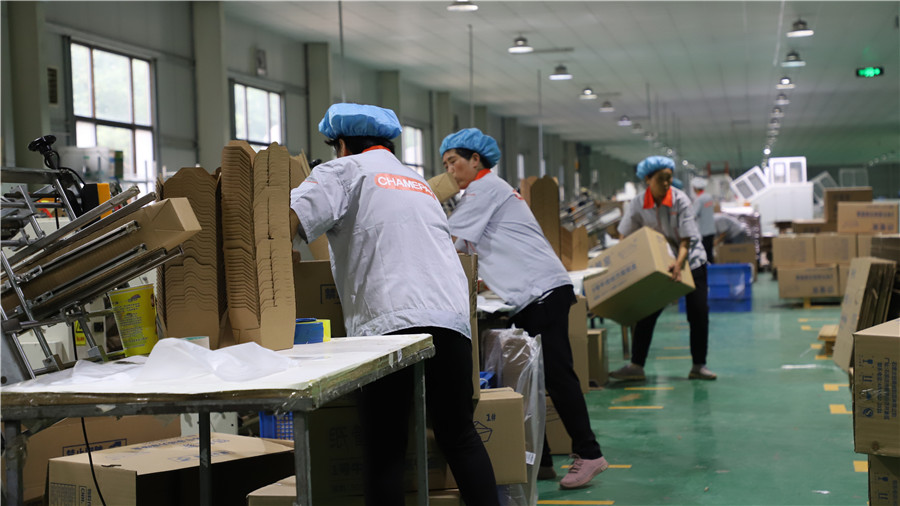
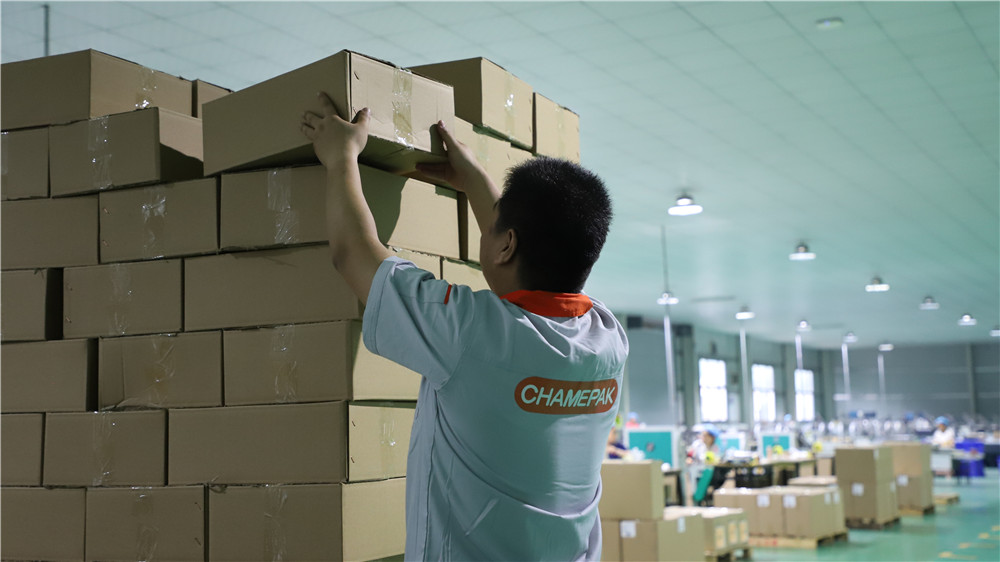
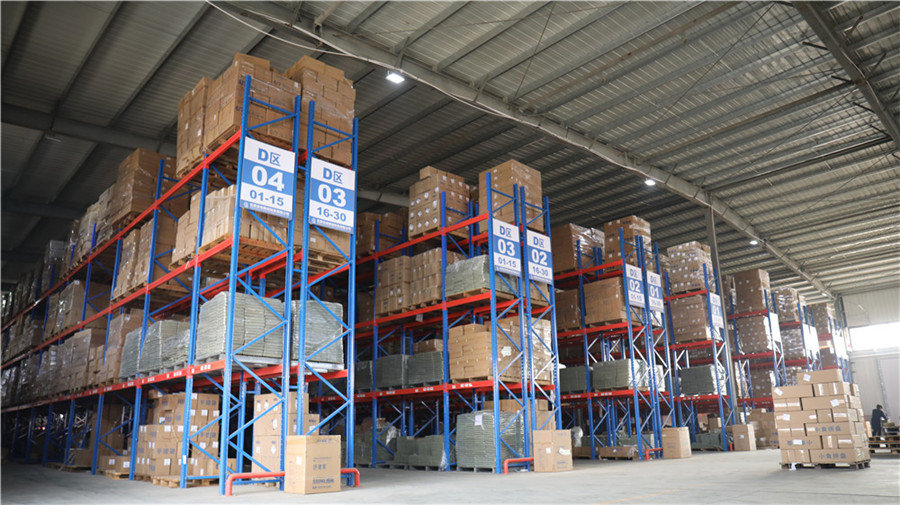
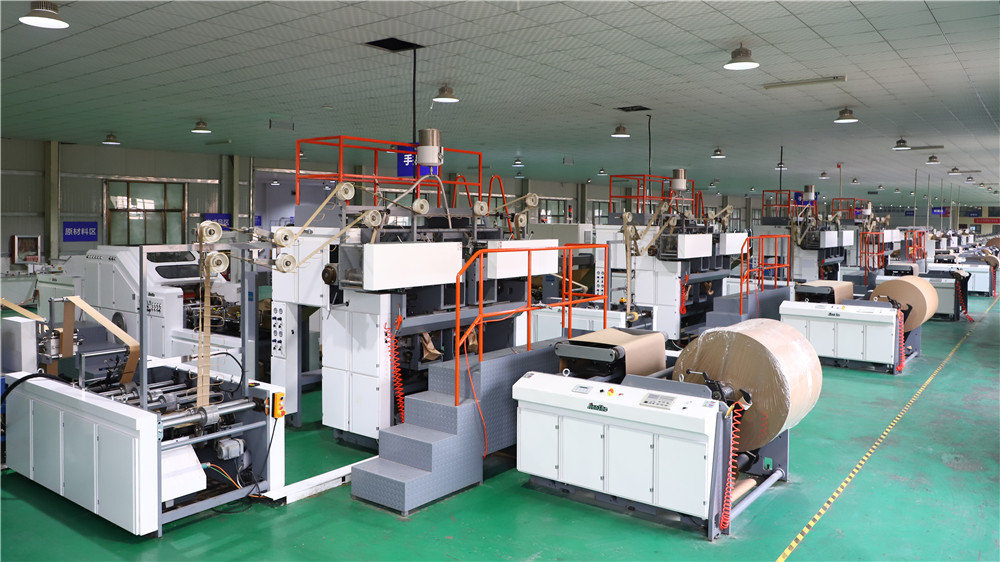
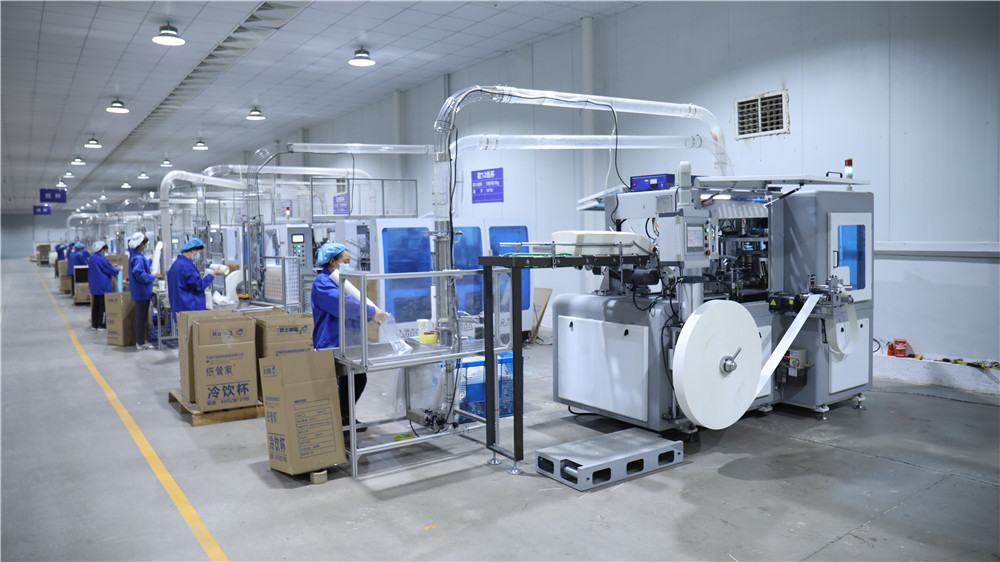
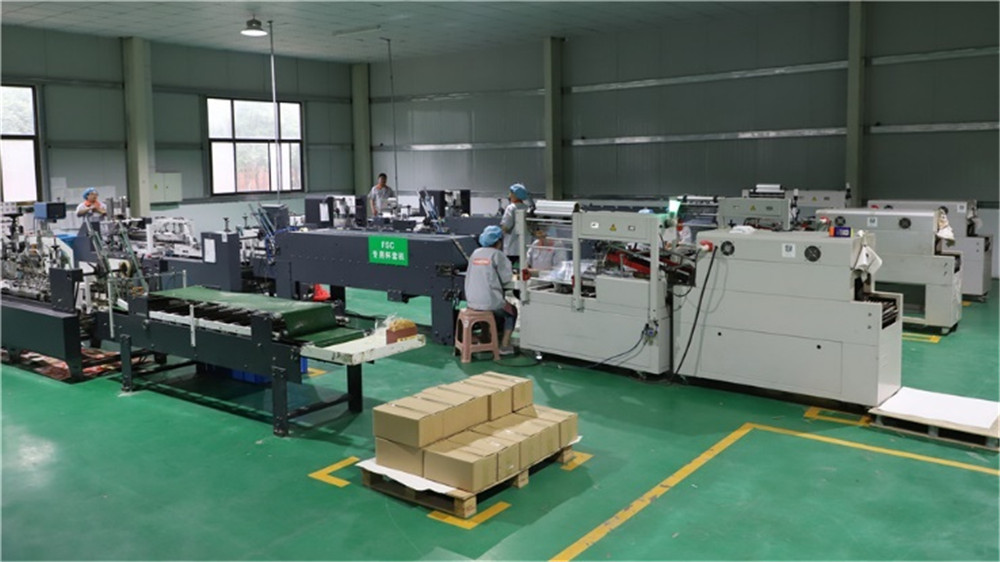
Essential insights for procurement managers, eco-resort operators, and wholesale importers regarding regulatory approvals and performance.
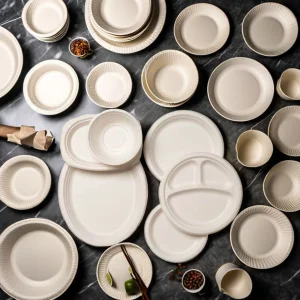
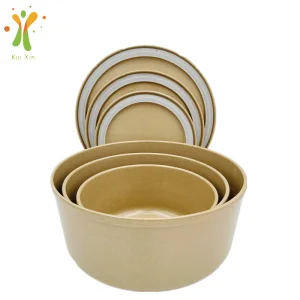
Explore our full selection of compostable, plant-based, and biodegradable bowls and food service trays designed to meet diverse functional needs.
 PsiPrime Packaging