Analyzing the intersection of commercial demand, regulatory pressure, and environmental stewardship in South Korea's vibrant beverage landscape.
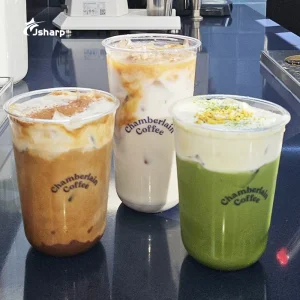
The Seoul metropolitan area has emerged as one of the world's most concentrated and innovative cafe markets. With over 18,000 cafes operating across Gangnam, Hongdae, Seongsu-dong, and Myeongdong, the consumption of disposable cold drink cups is staggering. Simultaneously, the South Korean Ministry of Environment has implemented strict policies targeted at reducing single-use petroleum-based plastics. The Enforcement Decree of the Act on the Promotion of Saving and Recycling of Resources significantly restricts traditional PET and PP cups in dine-in establishments, pushing businesses to seek certified biodegradable alternatives.
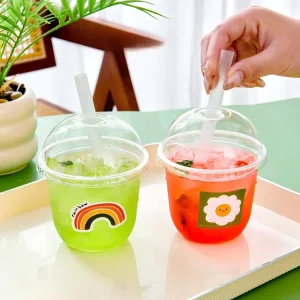
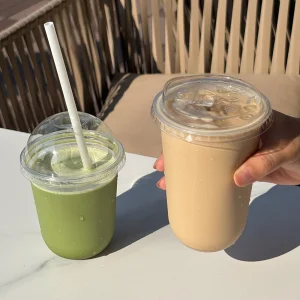
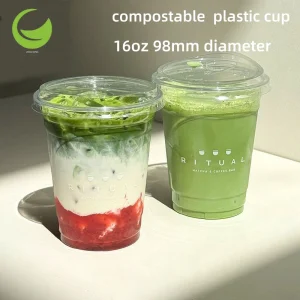
In response to this ecological pivot, PLA (Polylactic Acid) cold drink cups have become the gold standard. Derived from 100% renewable resources such as corn starch or sugarcane, PLA offers the crystalline clarity and structural rigidity of traditional plastics while being fully industrial-compostable. As a leading manufacturer and exporter, Shandong PsiPrime Packaging Co., Ltd. supplies high-precision, eco-label-compliant PLA packaging designed to satisfy the rigorous performance and aesthetic expectations of Seoul’s premium cafes, franchise chains, and eco-conscious consumers.
Engineered for high clarity, thermal stability below 40°C, and certified compostability in urban waste streams.
A comprehensive examination of material science, market constraints, and local waste processing dynamics.
Unlike traditional petrochemical plastics like Polyethylene Terephthalate (PET) and Polypropylene (PP), which persist in landfills for centuries, Polylactic Acid (PLA) provides a closed-loop biological cycle. In Seoul, where municipal waste management is highly sophisticated and governed by volume-rate garbage disposal fees (Jongnyangje), compostable waste streams are increasingly segmented. Cafes operating near major business hubs such as Yeouido and Gwanghwamun are adopting PLA to align with corporate ESG (Environmental, Social, and Governance) targets. Large conglomerates, multi-national brand chains, and tech HQs in Pangyo Techno Valley are actively mandating zero-plastic events, creating an insatiable local demand for certified PLA cold cups.
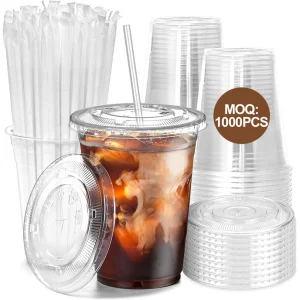
PLA is synthesized via the polymerization of lactic acid, which is produced through the fermentation of agricultural byproducts. While PLA offers outstanding optical clarity, rendering cold beverages like iced Americanos—Seoul’s most popular cafe beverage—visually appealing, it possesses a glass transition temperature (Tg) of approximately 55–60°C. This makes PLA strictly suitable for cold beverage service (below 40°C). Our manufacturing process optimizes the crystallinity of PLA resin, ensuring that our cups maintain physical integrity, impact resistance, and leakproof sealing when exposed to ice and condensation, outperforming generic bioplastics in high-throughput urban environments.
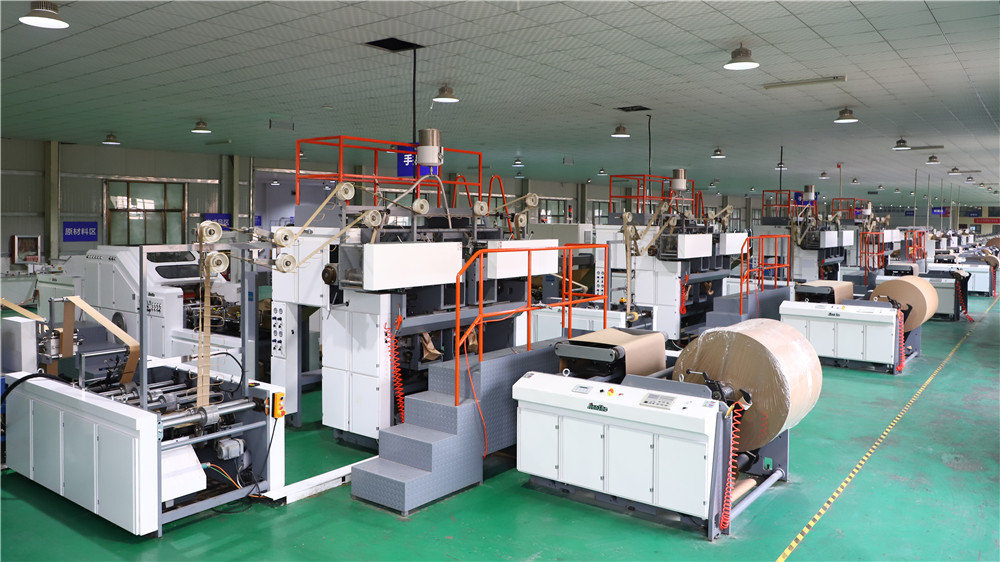
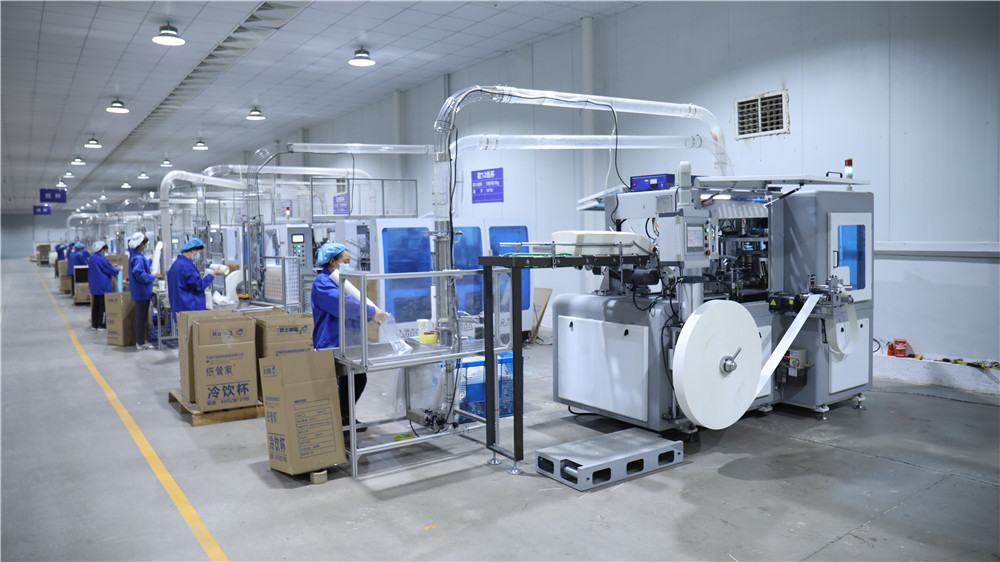
A major friction point for Seoul-based coffee franchises sourcing bioplastics is cost stability. Producing PLA cups requires specialized extrusion and thermoforming machinery. By leveraging our state-of-the-art facility in Shandong, China—strategically located near the shipping ports of Qingdao and Weihai—we provide a highly optimized logistical pipeline directly to Incheon and Busan. This geographic proximity allows us to deliver high-quality, FDA-approved PLA cups with shorter lead times and significantly lower customs/shipping overheads compared to European or North American suppliers, offering Seoul distributors a distinct cost advantage.
Completely decomposes into carbon dioxide and water under industrial composting conditions within 180 days, leaving no toxic microplastics behind.
Boasts a refractive index matching that of premium PET, showcasing the vibrant colors of specialized beverages, fruit juices, and cold brews.
Manufactured in dust-free, ISO-certified environments complying with US FDA 21 CFR, EU 10/2011, and South Korea’s Food Sanitation Act standards.
Bio-based PLA Resin
Industrial Composting Cycle
Annual Production Capacity
Global & Korean Standards Compliant
A trusted global manufacturer leading the transition to eco-friendly food and beverage packaging.
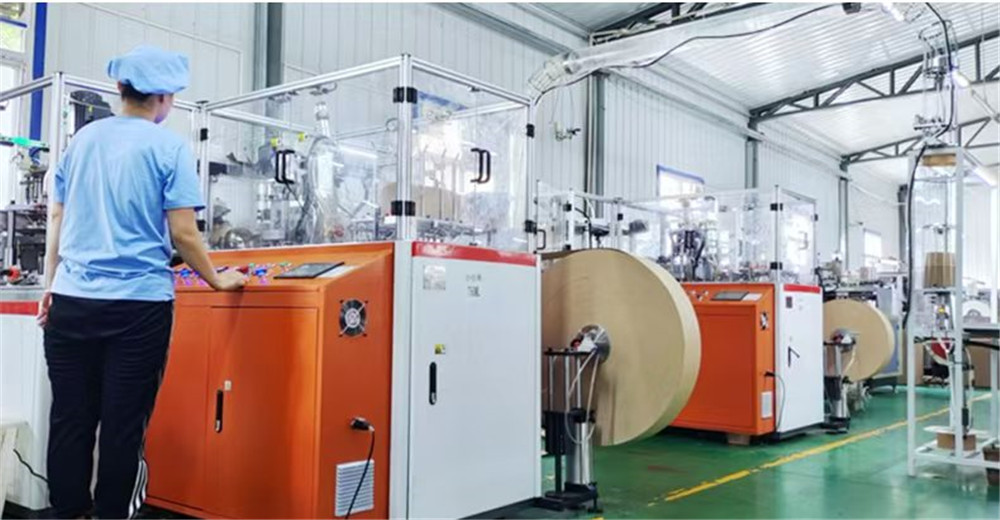
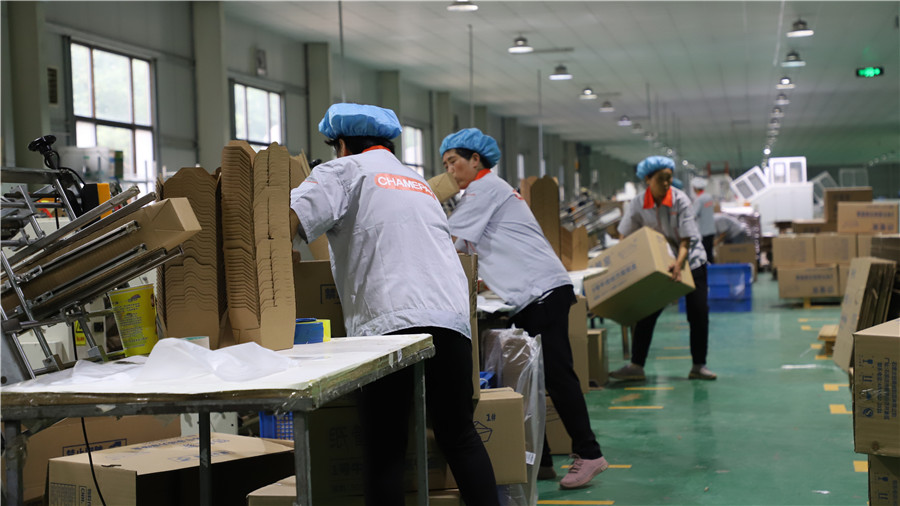
Shandong PsiPrime Packaging Co., Ltd. is committed to advancing sustainable packaging solutions and promoting the reduction of single-use plastics, helping foodservice and food-related industries transition toward more environmentally responsible operations. The company strongly believes that biodegradable and compostable packaging materials represent the future of sustainable development. It actively promotes the concept of “plastic alternatives” and works to raise awareness of eco-friendly packaging across global markets. With extensive industry experience and a reliable supply chain, we provide high-quality, sustainable food packaging solutions to customers in many countries and regions.
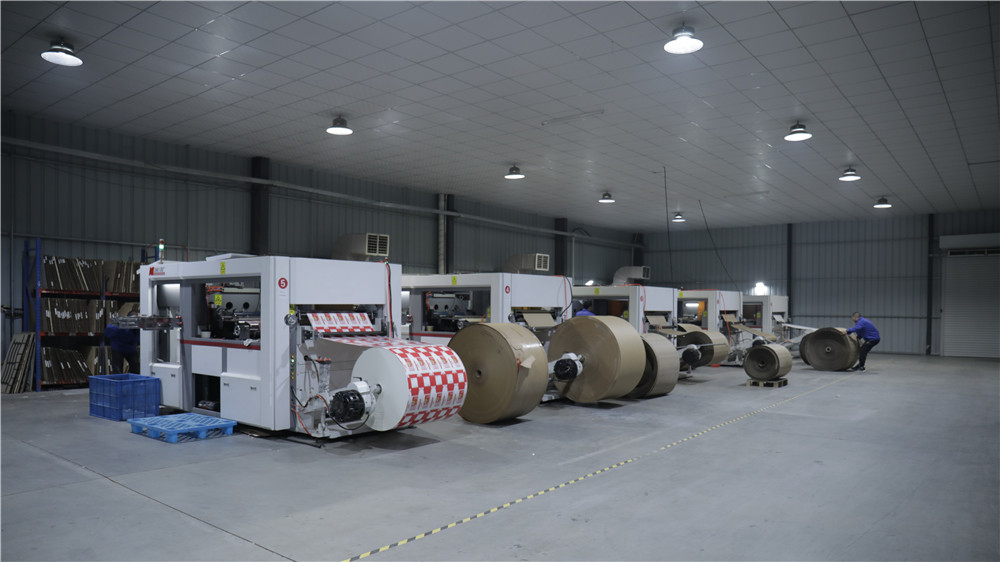
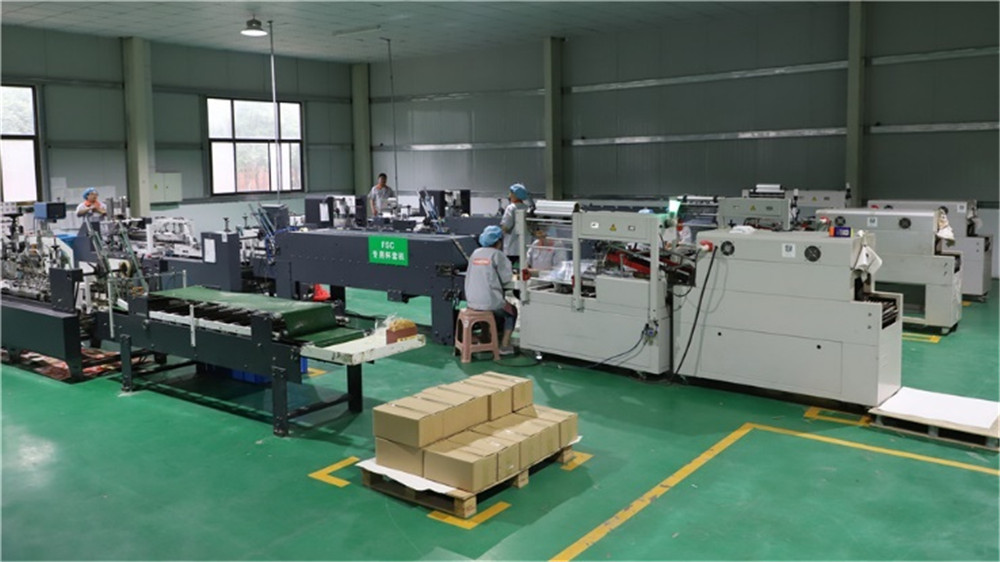
Shandong PsiPrime Packaging Co., Ltd. specializes in the research, development, and manufacturing of eco-friendly food-grade packaging products. Its product portfolio includes compostable food containers, paper-based food packaging, eco-friendly paper bags, food wrapping paper, and disposable catering supplies. These solutions are designed to meet the diverse needs of restaurants, food delivery platforms, food processors, and retail businesses.
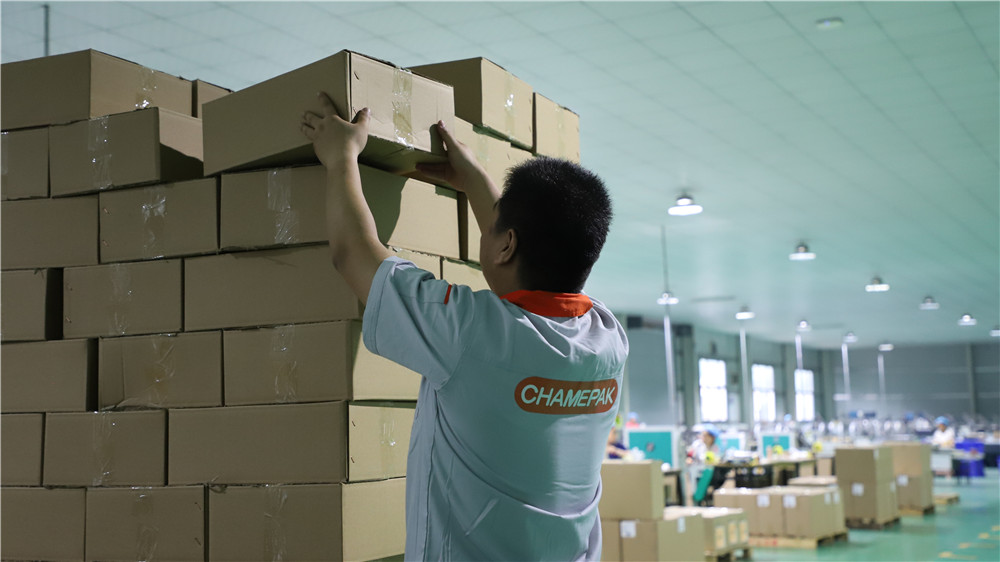
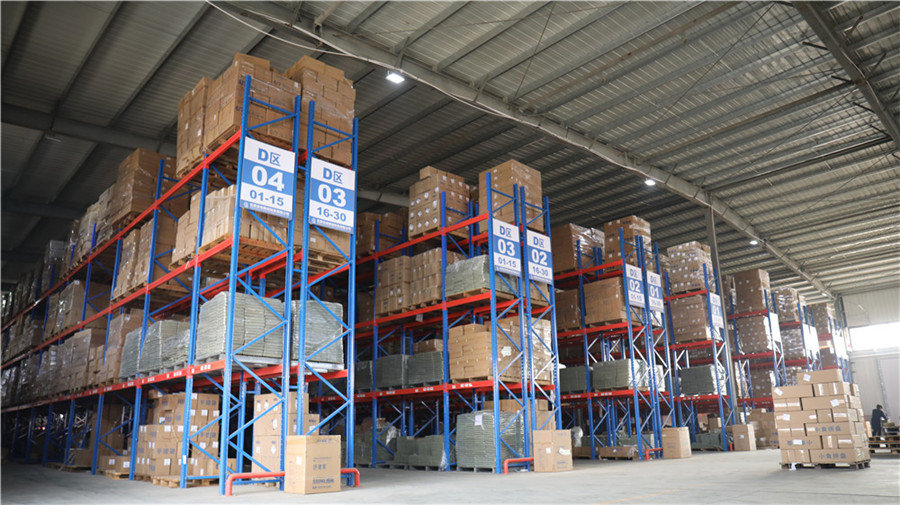
The company is dedicated to a customer-centric philosophy, offering one-stop customization services ranging from product design and material selection to custom printing. This enables clients to build strong, recognizable brand packaging while maintaining sustainability goals. At the same time, we emphasize stable delivery performance and strict quality control to ensure efficient and reliable global supply. Through continuous improvements in production processes and supply chain management, Shandong PsiPrime Packaging Co., Ltd. enhances both cost efficiency and operational reliability, supporting clients in achieving sustainable growth in competitive markets.
Looking ahead, the company will continue investing in innovation in biodegradable materials and expanding the application of compostable products across more industries, working together with global partners to build a low-carbon, environmentally friendly, and sustainable future.
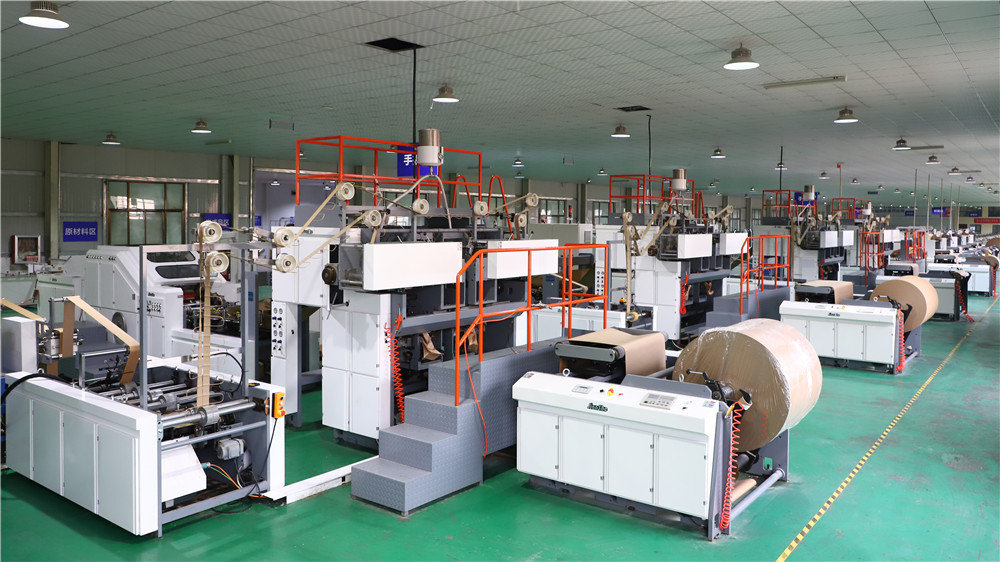
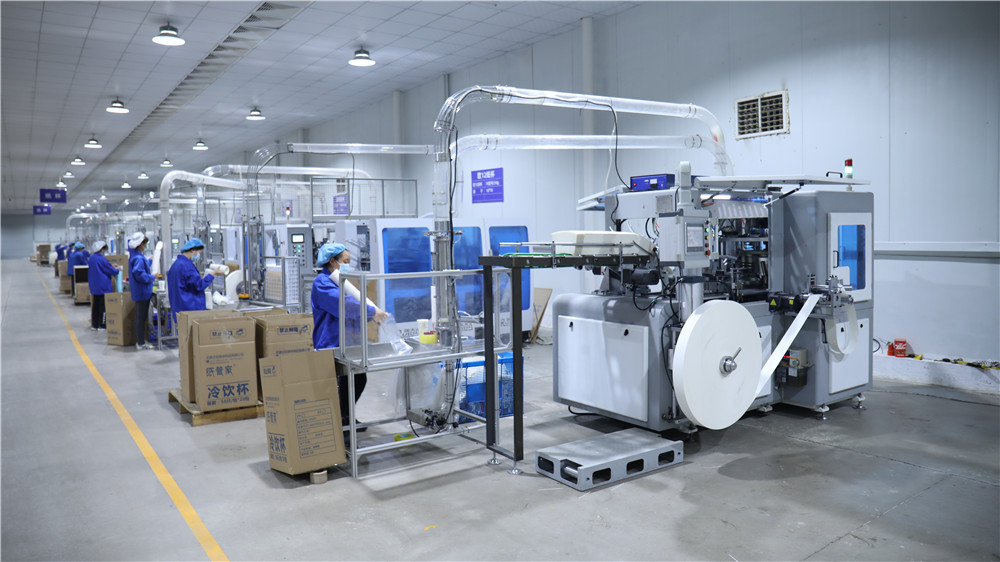
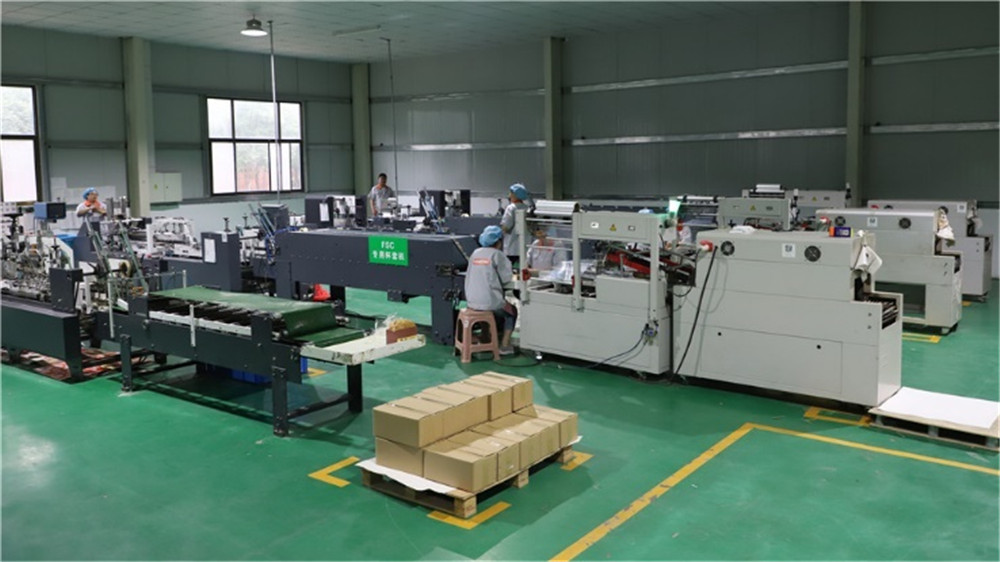
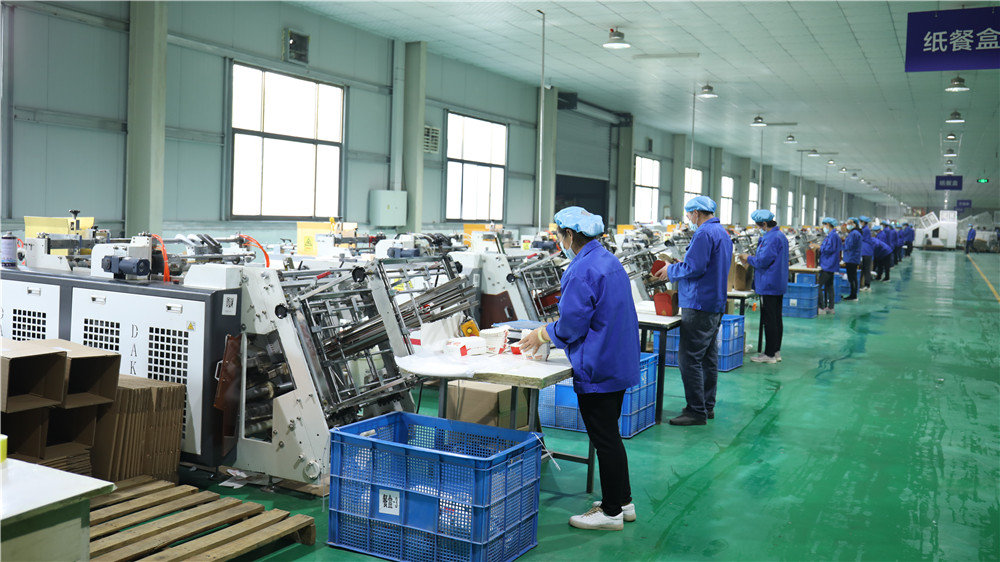
Navigating the complex waste circulation and commercial standards of the Seoul Metropolitan Government.
To successfully market food containers and cold drink cups in the South Korean market, suppliers must clear strict verification guidelines. The Korean Ministry of Environment enforces the Eco-Label certification (specifically EL724 for biodegradable resin products). This certification verifies that the product decomposes by more than 90% in industrial composting conditions (maintained at 58±2°C) within a 180-day window. Shandong PsiPrime Packaging’s PLA solutions are formulated using resins that meet these composting profiles, allowing our Korean import partners to seek appropriate local Eco-Label markings smoothly.
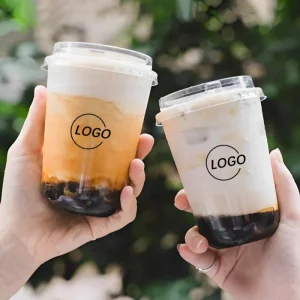
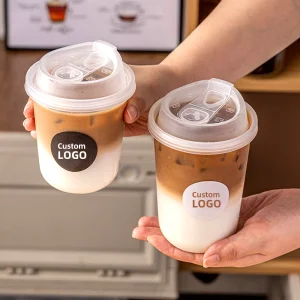
Furthermore, we utilize food-contact safe inks for brand customization. Understanding that Seoul’s trend-conscious cafes rely heavily on localized branding and design differentiation, we offer custom UV printing with soy-based or water-based inks. These eco-friendly inks guarantee that customization does not impair the cup’s biodegradability, complying fully with the Safety Standards for Food Utensils, Containers, and Packages promulgated by the South Korean Ministry of Food and Drug Safety (MFDS).
Browse our extensive selection of biodegradable cups, lids, and custom solutions ideal for cafes, hotels, and retail distribution across Seoul.
Shaping the next generation of biopolymers to overcome traditional thermal and structural constraints.
As the premier partner for Seoul beverage businesses, Shandong PsiPrime Packaging is constantly scanning the technological horizon to elevate the physical limitations of bioplastics. We are actively researching Crystallized PLA (CPLA) blends and polyhydroxyalkanoates (PHA) modifications. PHA, produced by microbial fermentation of lipids or sugars, biodegrades in marine environments and has a higher thermal threshold, making it the perfect candidate for next-generation lids and hot-beverage applications.
Additionally, we are testing barrier technology optimizations, integrating ultra-thin aqueous dispersion coatings into our paper container lines to completely eliminate the need for traditional plastic linings. By optimizing these raw materials and production processes, we aim to decrease the carbon footprints of our Korean enterprise clients while ensuring zero compromise on the operational durability and reliability of the final packaging.
Technical, logistical, and environmental queries answered by our senior product specialists.
Connect with our senior engineering team to receive a custom quote, verify material standards, and obtain localized samples for testing in the Seoul market.
Send Inquiry Now PsiPrime Packaging