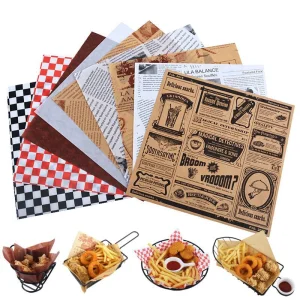
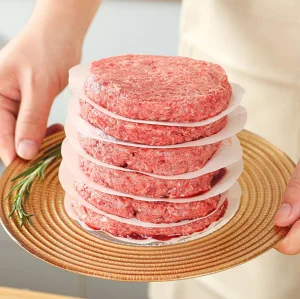
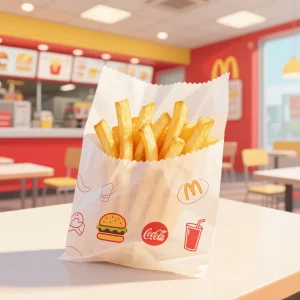
Discover our primary selection of industrial-grade wrapping solutions optimized for fast-food restaurants, commissaries, and takeaway applications across Manila, Cebu, Davao, and the wider Philippine market.
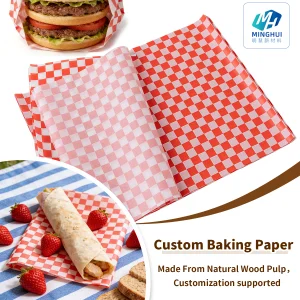
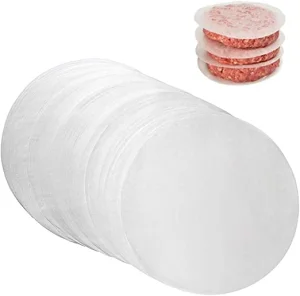
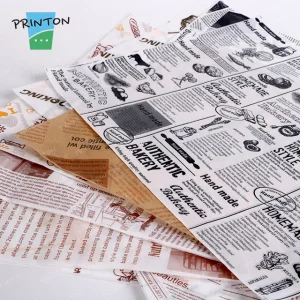
The fast-food sector in the Philippines—historically dominated by homegrown giants and international franchises—is experiencing a pivotal transition toward functional, eco-compliant packaging. With the enactment of the Extended Producer Responsibility (EPR) Act of 2022 (Republic Act No. 11898), large-scale enterprise food companies, food delivery platforms, and manufacturers are now legally obligated to manage the life cycle of their packaging materials. Plastic alternatives, particularly in high-volume areas like burger and sandwich wrapping, are no longer a voluntary choice but a structural regulatory mandate.
However, the Philippine tropical environment poses severe physical challenges to standard paper wrappers. High humidity (often exceeding 80% relative humidity year-round) combined with high-temperature food products like fried chicken, sizzling burgers, and steam-cooked rice melts low-grade wax barriers. This results in grease leakage, compromised structural integrity of the wrapper, and a degraded consumer experience. Food service operators require high-performance, moisture-resistant, and high-kit-value greaseproof sheets designed to survive the delivery ride from kitchen to consumer in Metro Manila traffic.
Understanding paper density, coating methods, and barrier ratings is critical for procurement managers seeking the optimal cost-to-performance ratio.
| Parameter | Industrial Standard Range | Shandong PsiPrime Quality Standard | Suitability for Philippine QSR Needs |
|---|---|---|---|
| Basis Weight (GSM) | 30 gsm - 50 gsm | 30gsm, 40gsm, 45gsm (Customized) | Optimal balance between hand-feel, folding strength, and shipping volume. |
| Grease Resistance (Kit Rating) | Kit 1 to Kit 12 | Kit 4 to Kit 10 (Targeted options) | Kit 7+ is recommended for local fast-food burgers with rich sauces and animal fats. |
| Coating Material | PE, Paraffin Wax, Silicone | Eco-friendly Silicone Oil, Aqueous Coatings, Plant-based Wax | Supports local biodegradable mandates, zero plastic traces under food contact. |
| Tensile Strength (MD) | >1.5 kN/m | >2.2 kN/m (Reinforced fiber mesh) | Prevents tearing during automated wrapping and commercial high-speed operations. |
| Biodegradability | Variable | 100% compostable and recyclable (Uncoated/Silicone-coated base) | Assists Philippine companies with packaging auditing compliance requirements. |
Greaseproof papers are classified by their "Kit Level" (TAPPI T 559 standard), which measures the paper’s resistance to penetration by oil and organic solvents. Standard local bakery items require a low Kit level (3–5), whereas cheese-heavy, double-patty hamburgers packaged for delivery need a minimum Kit level of 7 to 9. We engineer the base paper using mechanical refining processes to hydrate cellulose fibers, causing them to bond tightly and eliminate microscopic pores. This structure is combined with safe barrier coatings to provide absolute protection against localized moisture, animal fats, and steam buildup.
Shandong PsiPrime Packaging Co., Ltd. is committed to advancing sustainable packaging solutions and promoting the reduction of single-use plastics, helping foodservice and food-related industries transition toward more environmentally responsible operations.
The company strongly believes that biodegradable and compostable packaging materials represent the future of sustainable development. It actively promotes the concept of “plastic alternatives” and works to raise awareness of eco-friendly packaging across global markets. With extensive industry experience and a reliable supply chain, we provide high-quality, sustainable food packaging solutions to customers in many countries and regions, including specialized logistic corridors straight to key ports in the Philippines.
Shandong PsiPrime Packaging Co., Ltd. specializes in the research, development, and manufacturing of eco-friendly food-grade packaging products. Its product portfolio includes compostable food containers, paper-based food packaging, eco-friendly paper bags, food wrapping paper, and disposable catering supplies. These solutions are designed to meet the diverse needs of restaurants, food delivery platforms, food processors, and retail businesses.
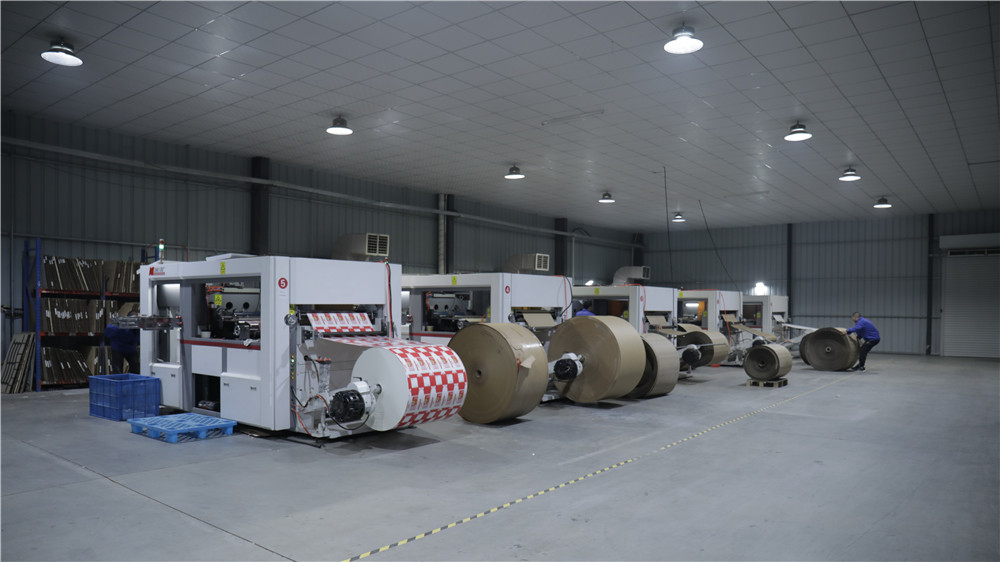
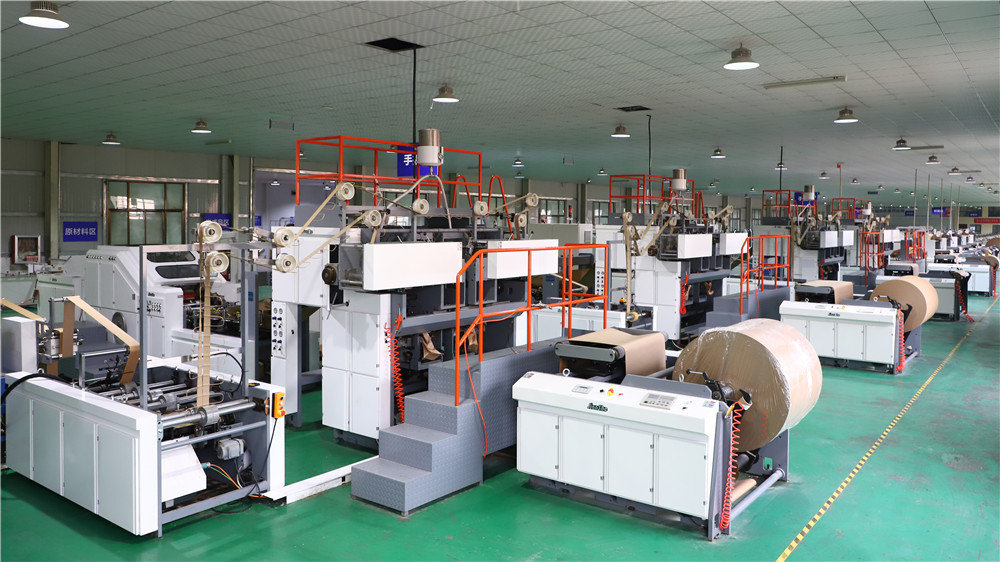
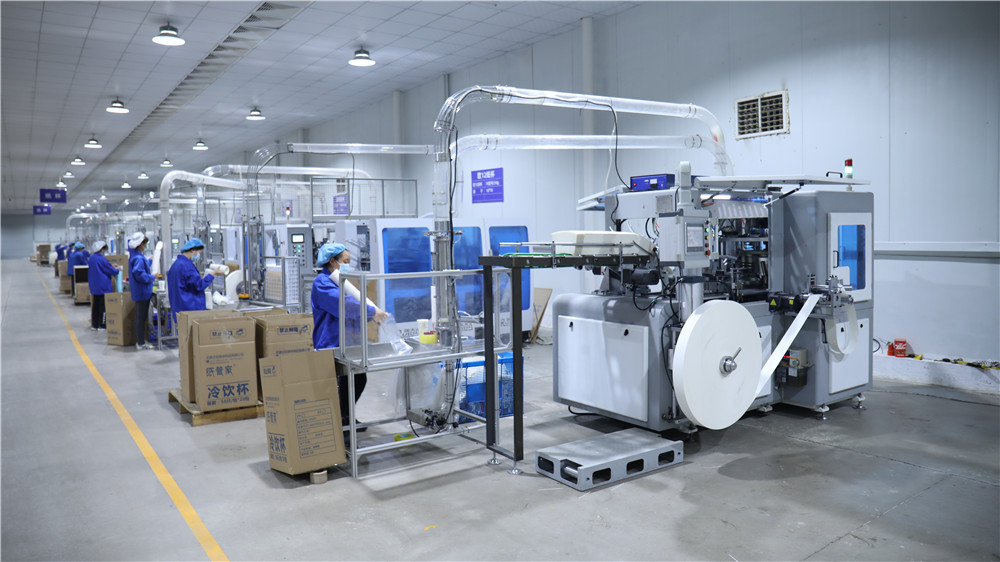
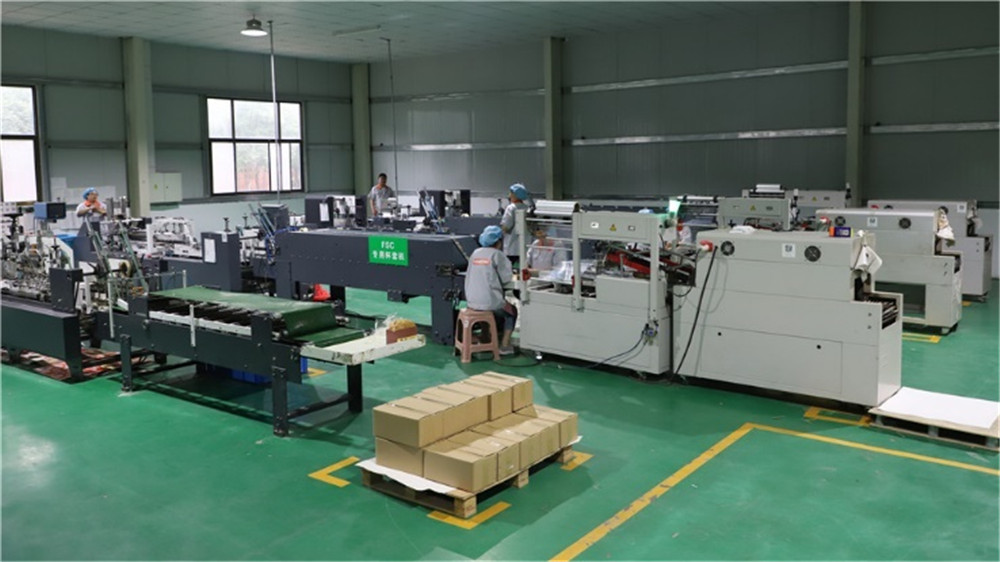
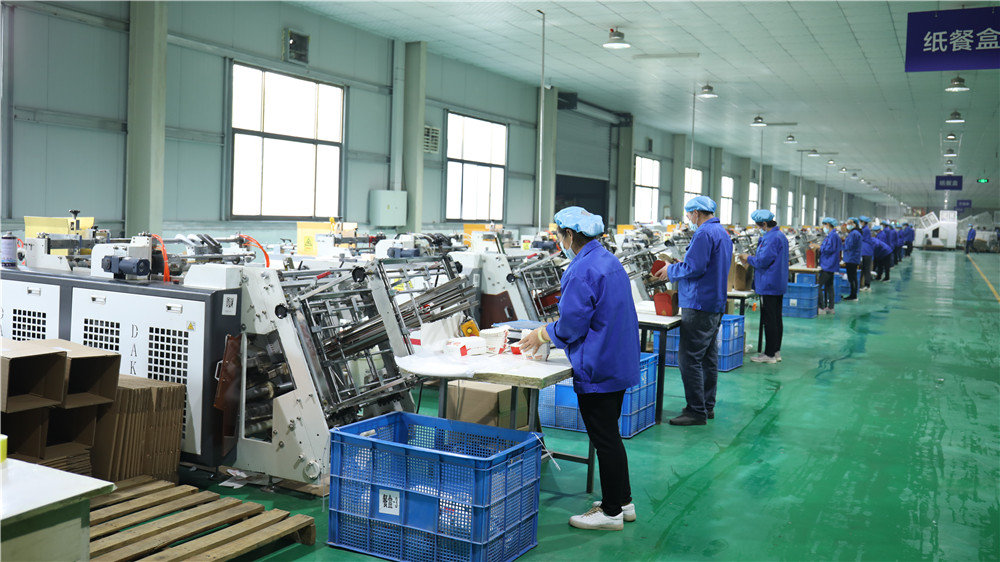
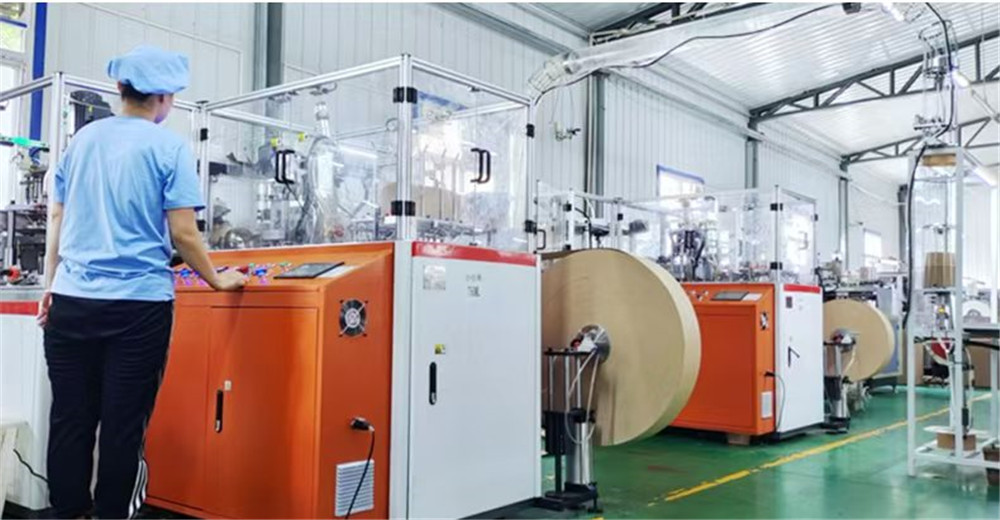
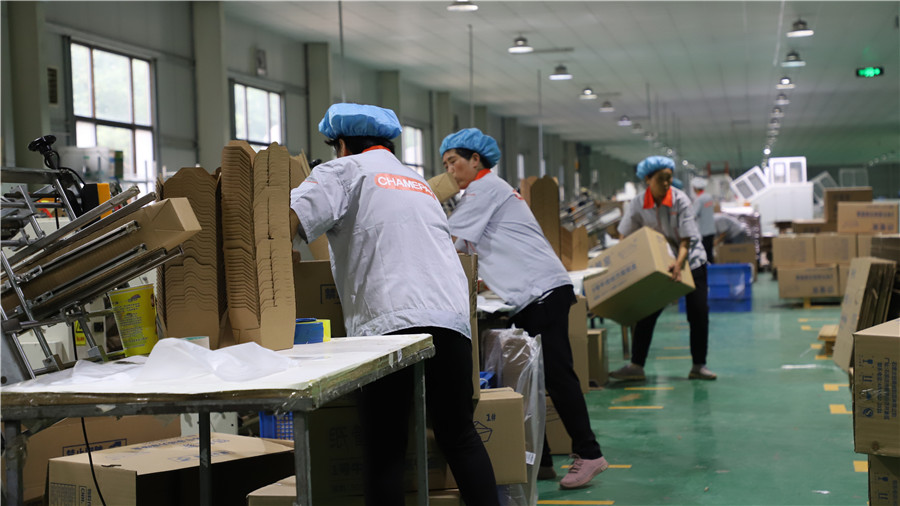
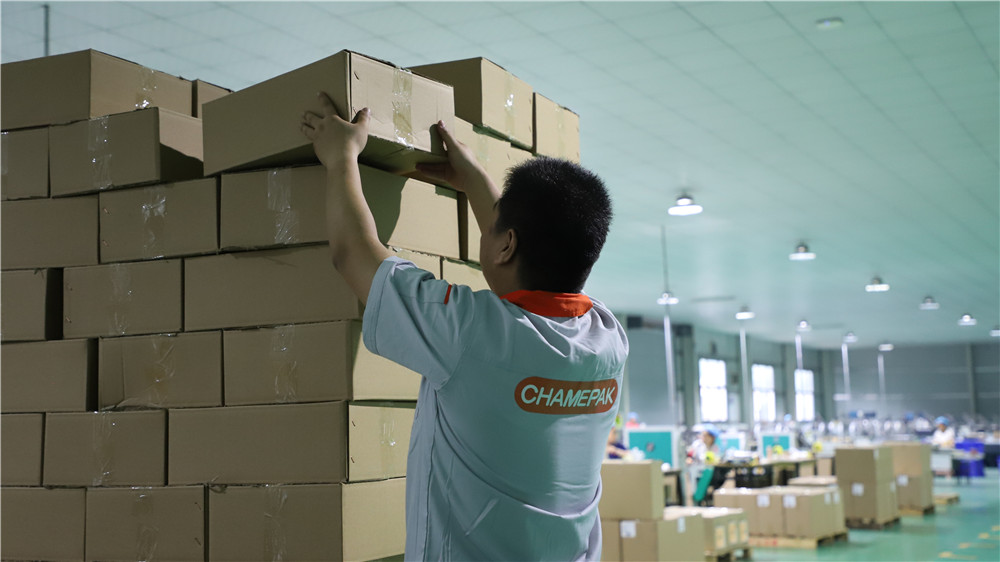
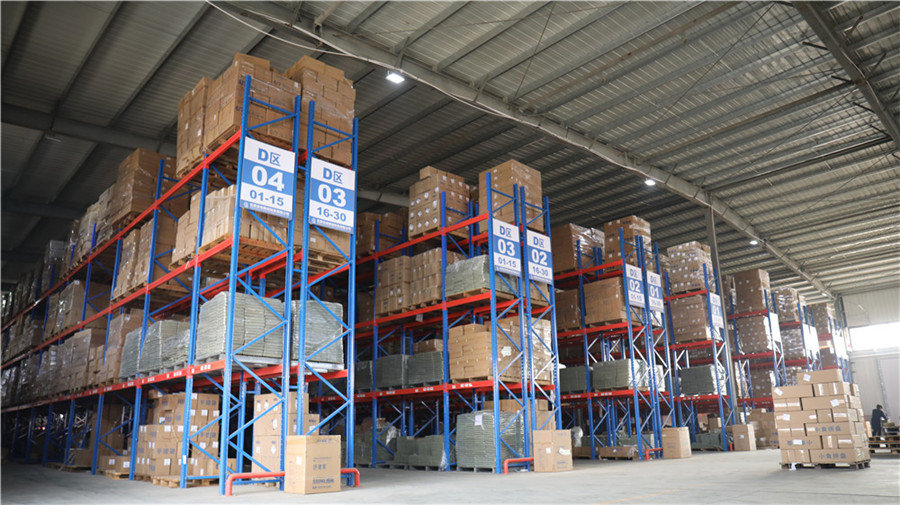
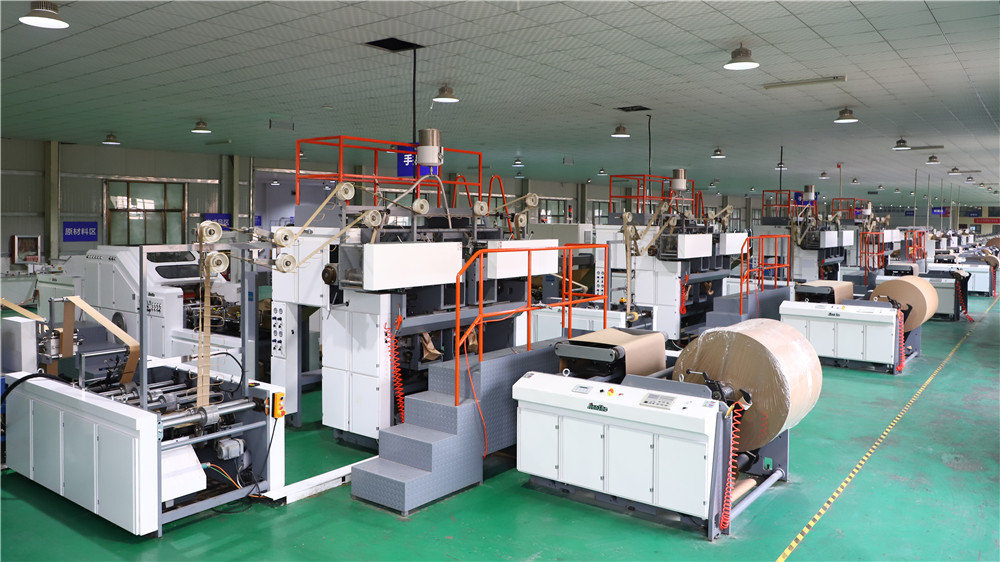
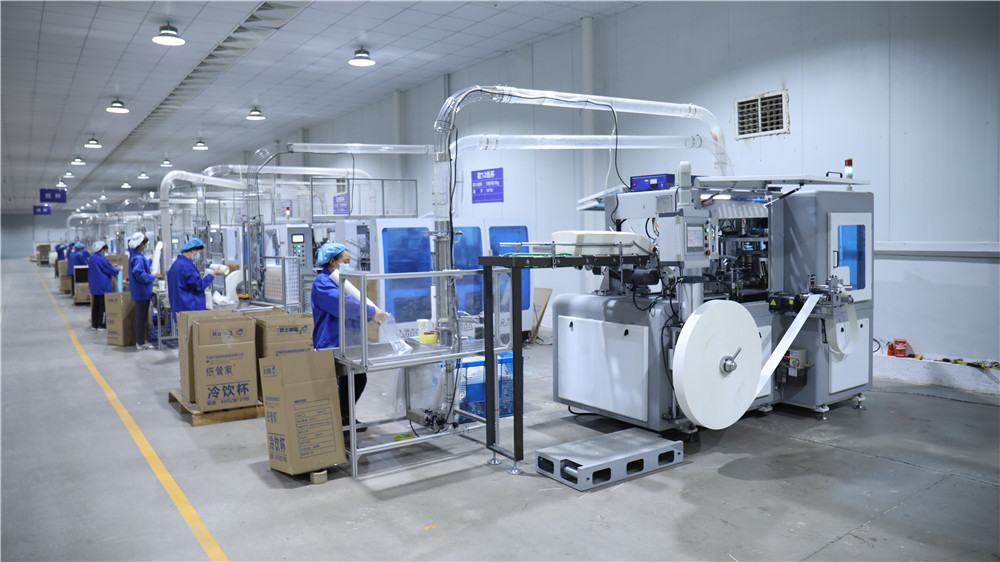
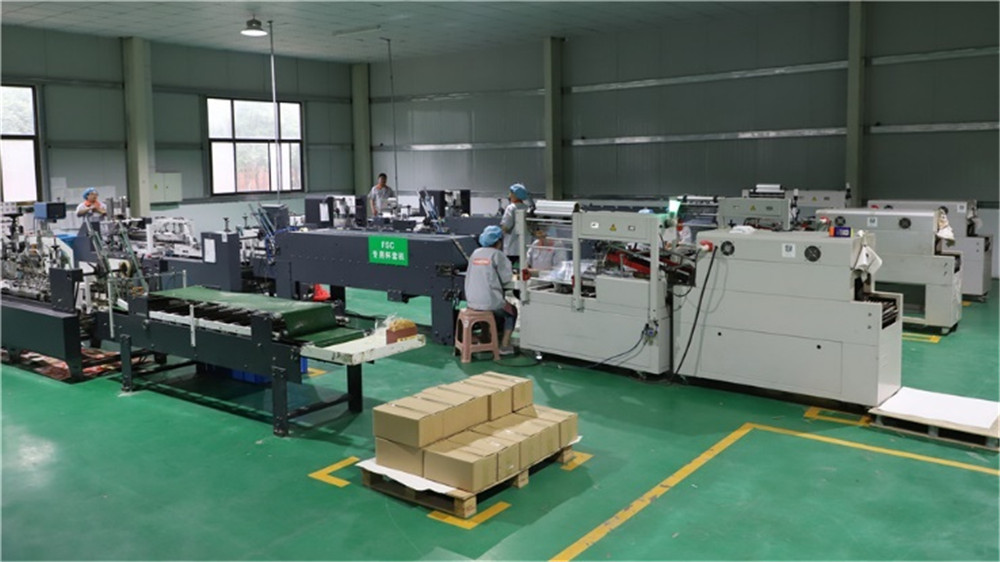
Through continuous improvements in production processes and supply chain management, Shandong PsiPrime Packaging Co., Ltd. enhances both cost efficiency and operational reliability, supporting clients in achieving sustainable growth in highly competitive markets. Looking ahead, the company will continue investing in innovation in biodegradable materials and expanding the application of compostable products across more industries, working together with global partners to build a low-carbon, environmentally friendly, and sustainable future.
All packaging materials exported to the Philippines are fully certified to meet US FDA and EU food contact regulations, easing the process of obtaining a Certificate of Product Registration (CPR) and License to Operate (LTO) from the Philippine FDA.
We supply plastic-free paper solutions that degrade easily under commercial compost settings, allowing major local fast-food brands to document structural waste reductions and meet local municipal plastic ban ordinances.
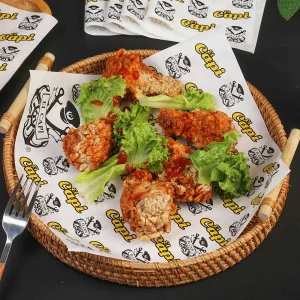
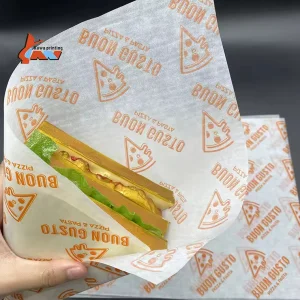
Using food-safe, soy-based inks, we customize your sheets with high-definition branding patterns. Enhance your customer's unboxing experience in key retail locations across Metro Manila and key regions.
Our engineering team continuously innovates to stay ahead of ecological policies and technical requirements for the global market.
Replacing typical fluorocarbon-based greaseproof agents with specialized bio-based dispersion barriers. This ensures zero chemical runoff and matches global green packaging directives.
Applying water-based polymer coatings that form a continuous, flexible protective film on paper. This delivers heat-sealability and grease prevention while remaining fully recyclable in existing paper recycling systems.
Collaborating with clean-technology research units to deploy seaweed-derived alginates that provide a natural, home-compostable barrier against oily fast food.
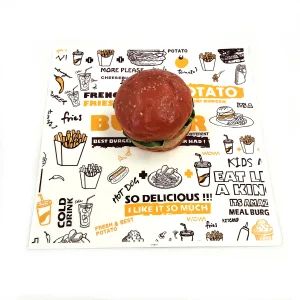
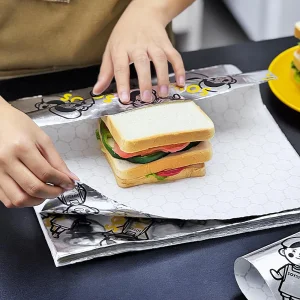
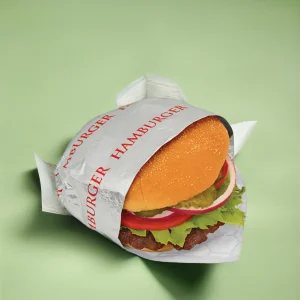
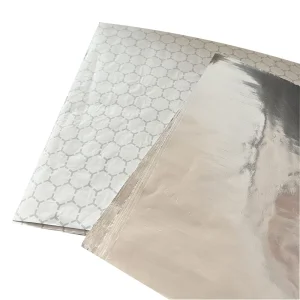
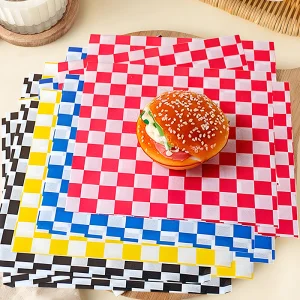
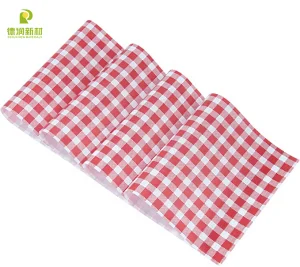
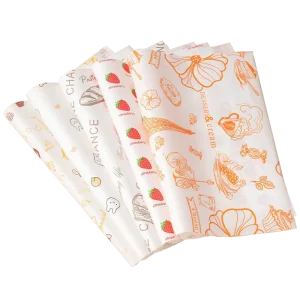
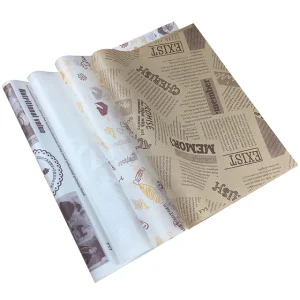
Explore our full catalog of greaseproof wrap papers, silicone-coated parchment sheets, and custom-printed fast-food packaging designs available for direct sea and air freight to major distribution hubs in the Philippines.
Get answers to critical technical, custom printing, and import logistics questions tailored for the Philippine market.
 PsiPrime Packaging