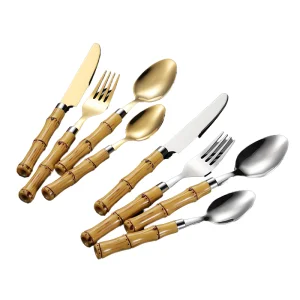
Premium compostable cutlery engineered for high-performance commercial and retail dining in Kuala Lumpur

As urbanization intensifies and green policies tighten globally, the food and beverage (F&B) industry stands at a critical environmental crossroads. In Southeast Asia, particularly in Malaysia’s economic powerhouse, Kuala Lumpur, the shift from single-use plastics to biodegradable, organic alternatives has transitioned from a localized CSR initiative to a mandatory regulatory requirement. This comprehensive report outlines the industrial dynamics, raw material sciences, and manufacturing innovations that enable Shandong PsiPrime Packaging Co., Ltd. to service the rapidly expanding KL market with high-volume, eco-friendly cutlery solutions.
Malaysia’s "Roadmap towards Zero Single-Use Plastics 2018-2030" forms the cornerstone of environmental policies affecting F&B businesses in Kuala Lumpur. Local councils, including Dewan Bandaraya Kuala Lumpur (DBKL), are actively enforcing bans on conventional petroleum-based plastics and polystyrene. Businesses must adopt certified compostable or renewable materials to sustain compliance and retain consumer trust.
Kuala Lumpur, characterized by its vibrant culinary culture and dense corporate centers (KLCC, Bukit Bintang, and Bangsar), generates millions of food delivery orders daily. Rapid urbanization has catalyzed the food delivery sector, making packaging waste a primary concern for municipal authorities. DBKL’s strict environmental guidelines have pushed premium hotels, cloud kitchens, and multinational corporate canteens to look for packaging partners that guarantee not just "biodegradability" but validated compostability.
Firms operating in this tropical climate face unique physical requirements. High ambient humidity and temperature mean that paper-based or wooden cutlery must possess superior structural integrity and moisture resistance. Untreated, low-grade alternatives fail rapidly under hot, liquid-heavy local cuisines like Laksa or Curry Mee. This necessitates precision-engineered tableware, such as heat-treated birchwood and high-density CPLA (Crystallized Polylactic Acid), designed to withstand structural stress at temperatures reaching 85°C.
Globally, the market for eco-friendly tableware is expanding at a Compound Annual Growth Rate (CAGR) of over 10.2%. Major legislative developments, such as the EU's Single-Use Plastics Directive and strict state-level plastic bans in North America, have strained global manufacturing supply chains. In response, global enterprise buyers are shifting from fragmented, regional distributors to fully integrated, large-scale manufacturing facilities capable of guaranteeing volume, raw material stability, and compliance certifications (e.g., FSC, BPI, OK Compost, and FDA approval).
This macro-trend places high-efficiency manufacturing regions in China at the heart of global trade. By centralizing the raw material sourcing, chemical engineering of bio-polymers, and advanced automated molding processes, Chinese factories serve as highly reliable export nodes that feed logistics corridors terminating at Port Klang, Malaysia.
Shandong PsiPrime Packaging Co., Ltd. operates state-of-the-art facilities specializing in research, development, and high-volume output of food-grade paper and bio-composite packaging. The region’s advanced industrial cluster offers significant logistics and supply chain advantages:
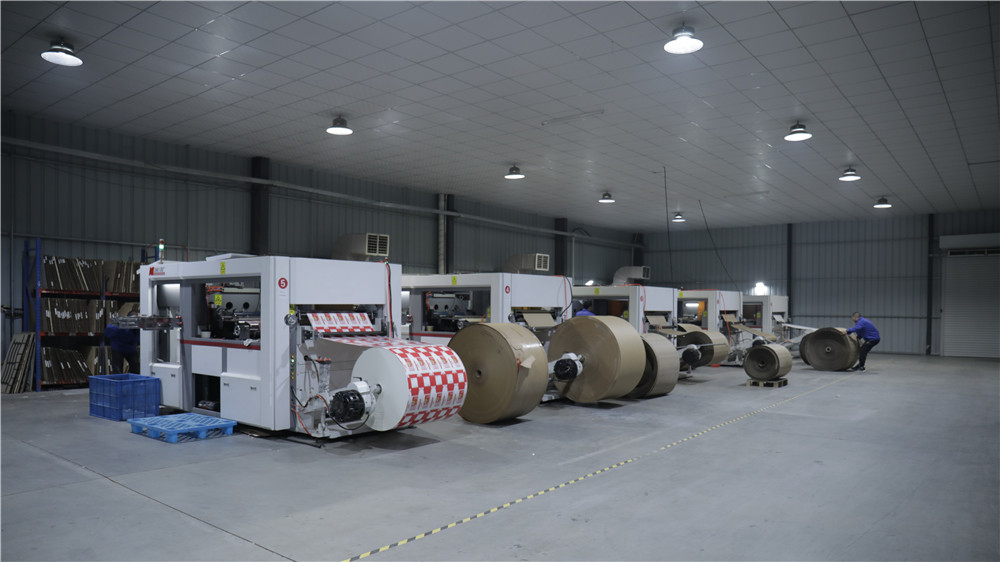
A transparent view of our automated manufacturing pipeline and quality assurance protocols
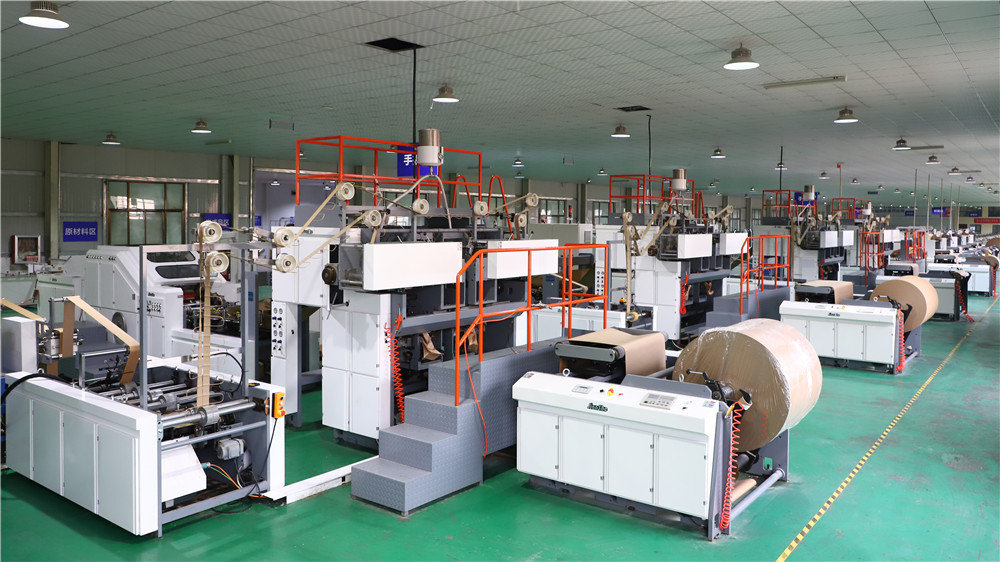
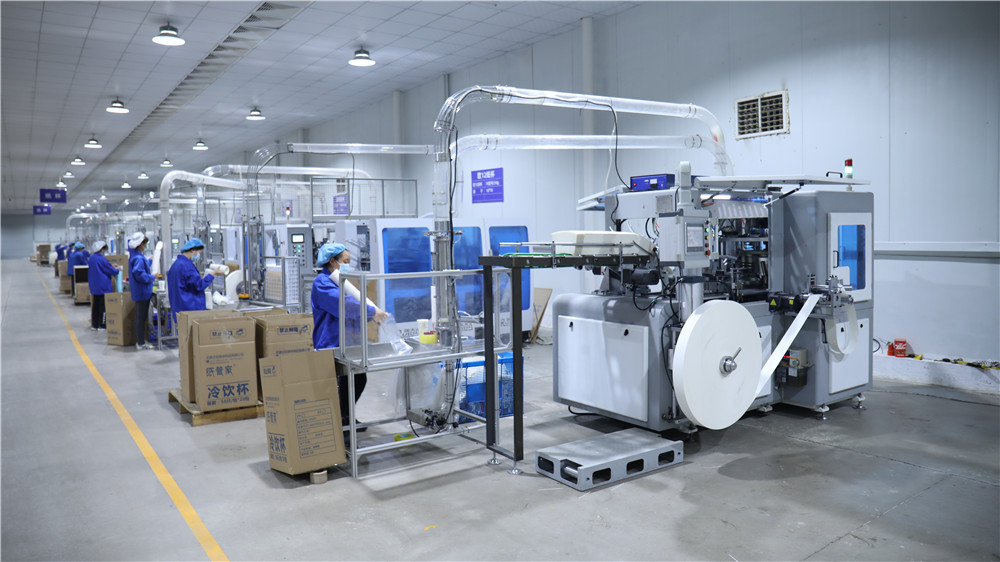
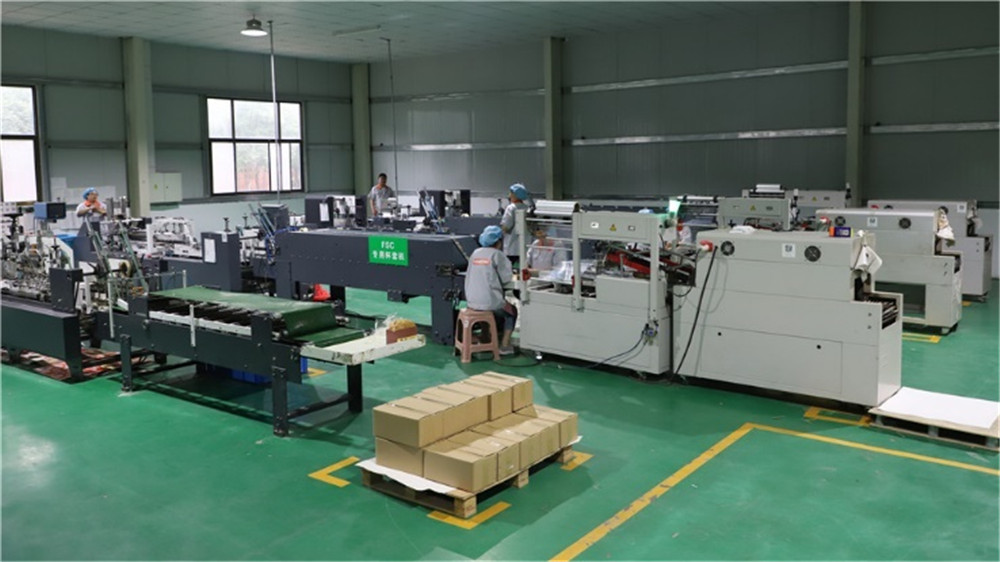
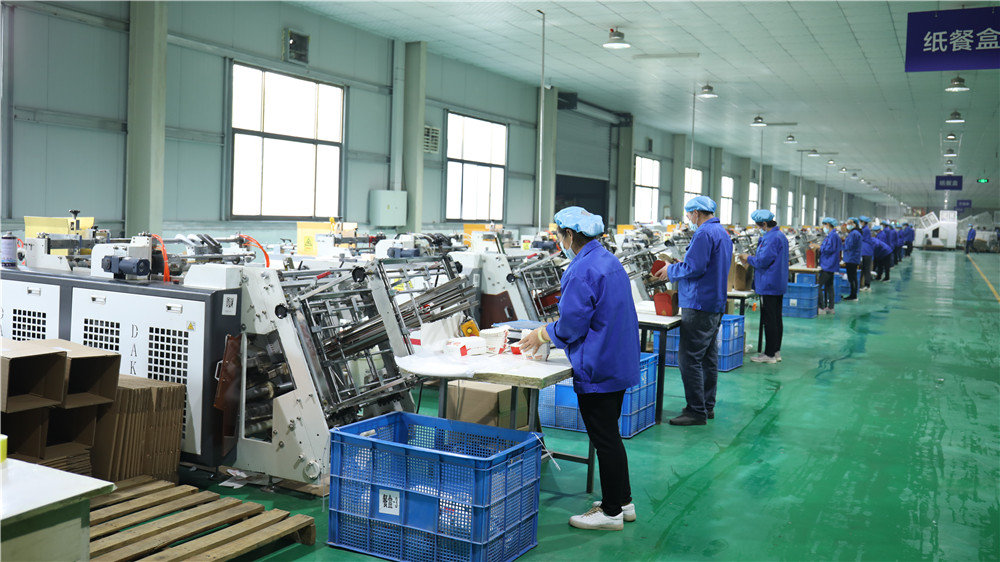
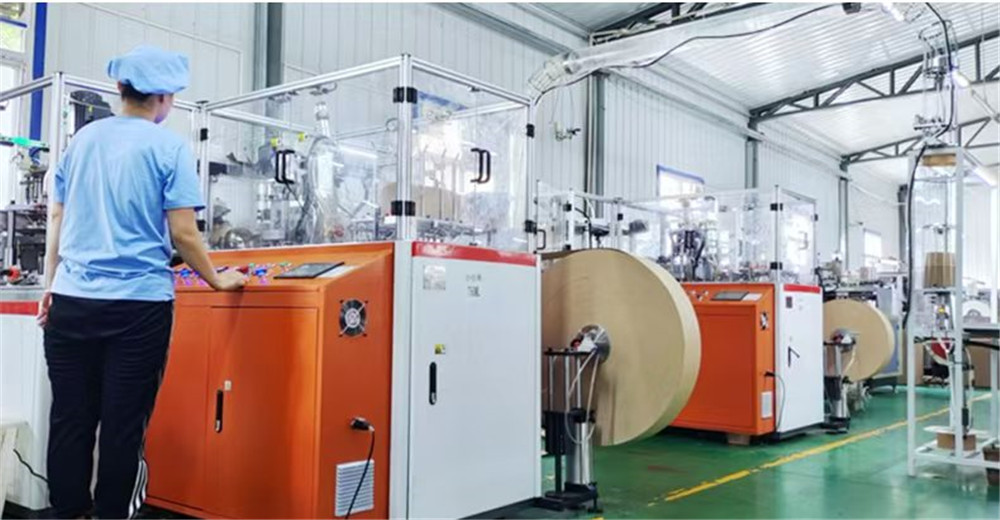
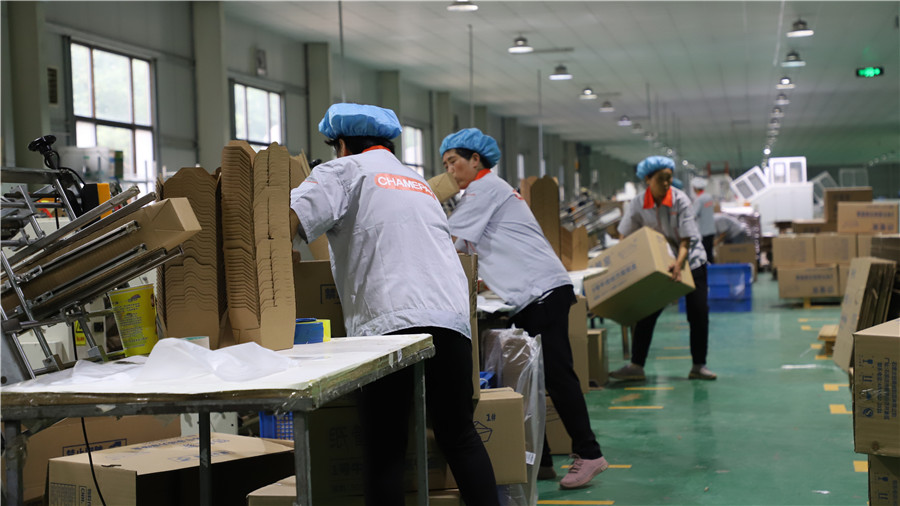
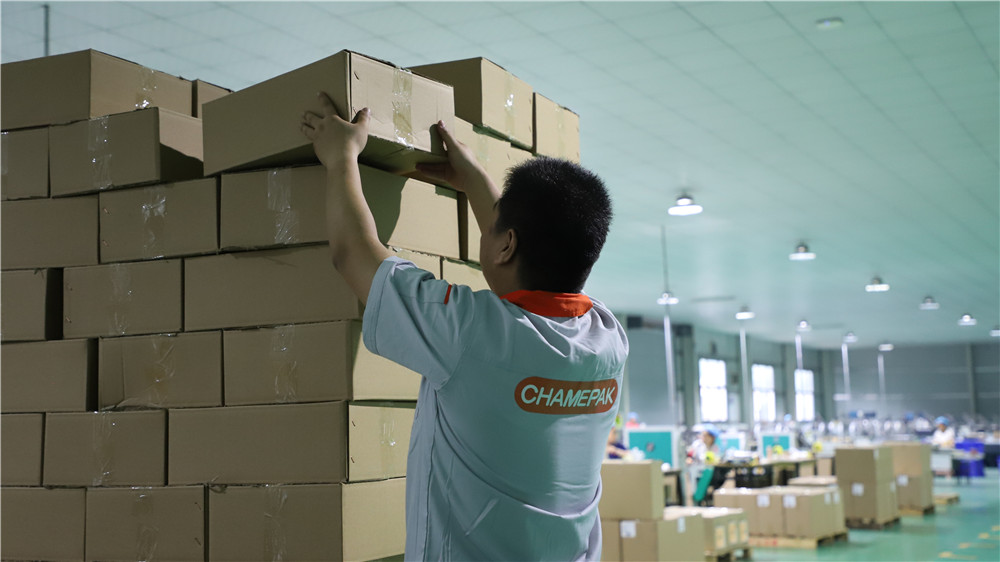
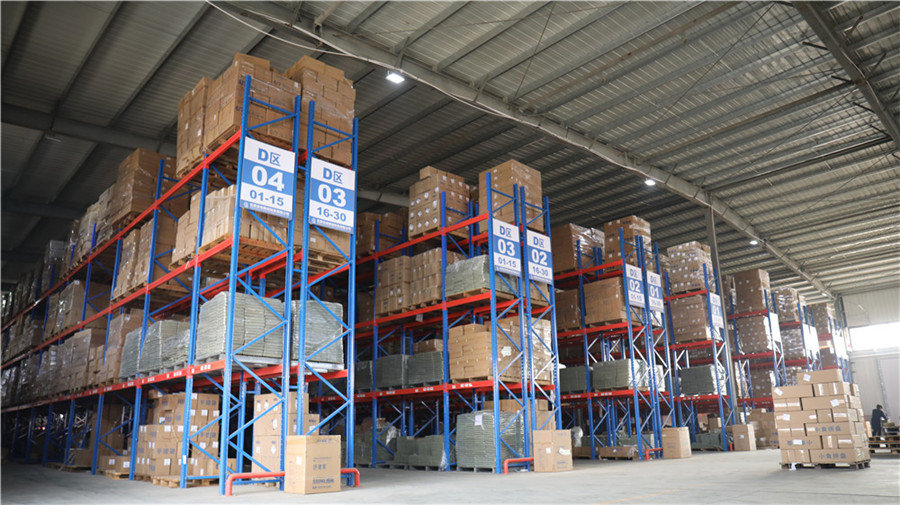
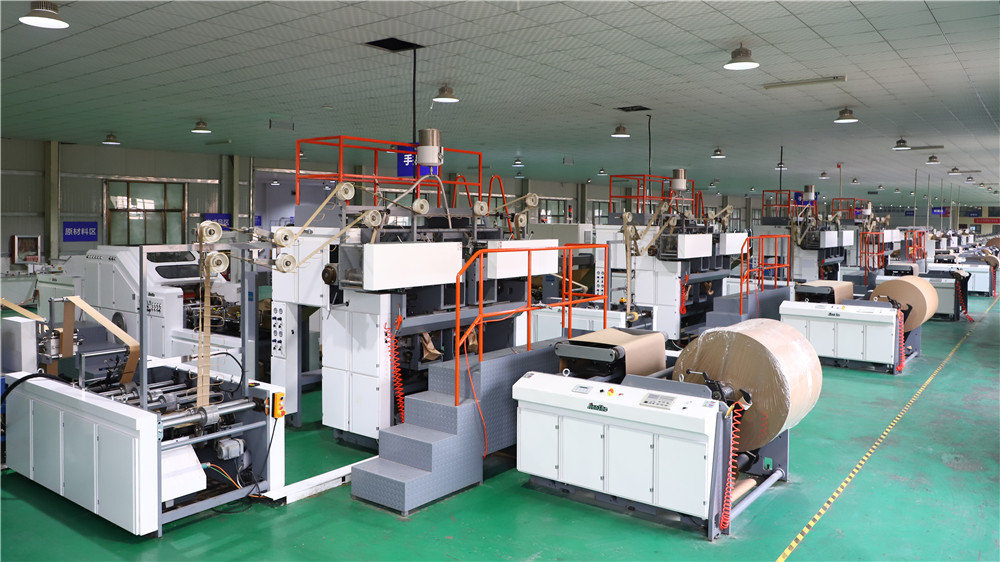
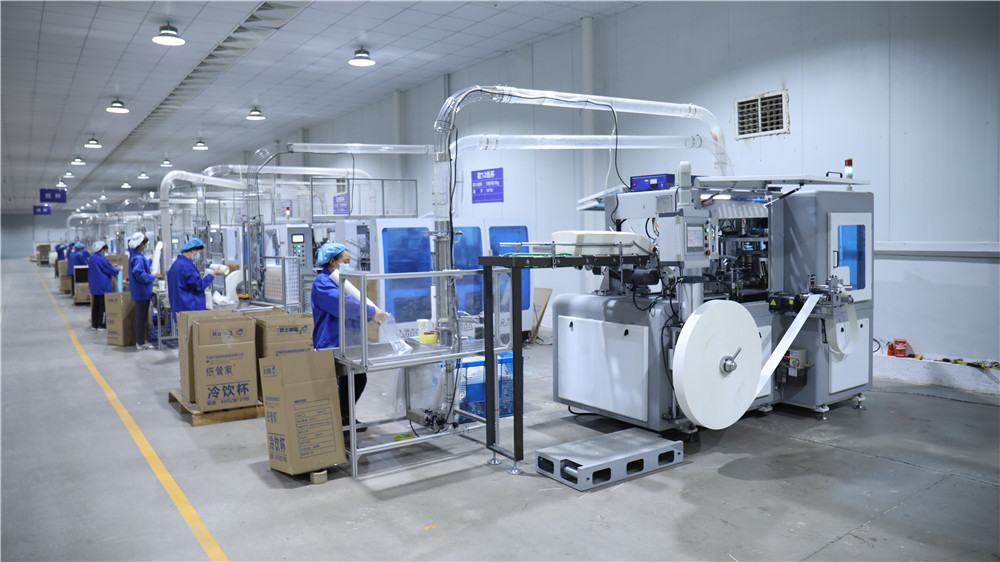
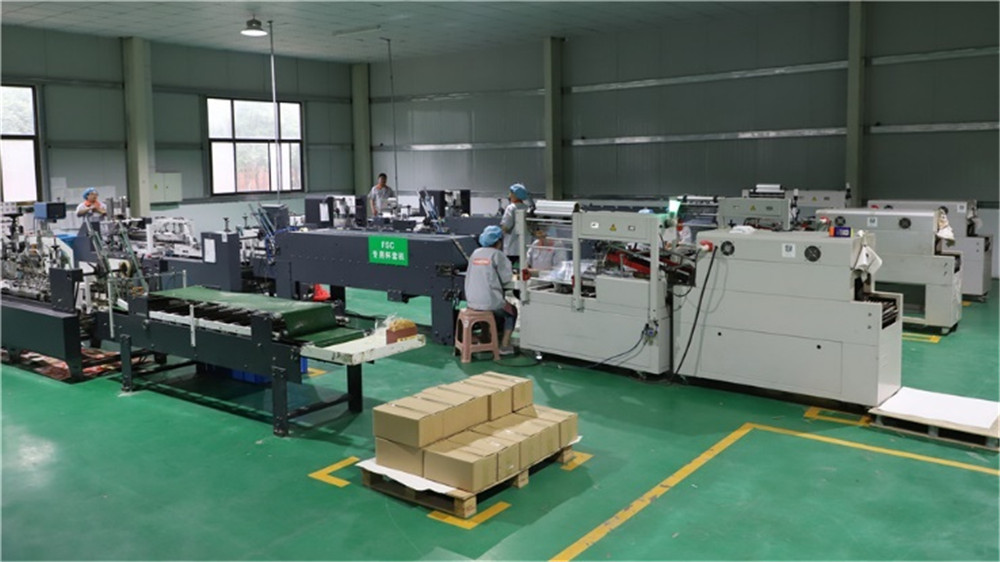
To deliver maximum information gain to technical buyers and procurement officers in Kuala Lumpur, it is vital to contrast the performance metrics of alternative packaging substrates. Not all eco-friendly cutlery is manufactured equal. The selection of materials dictates the shelf life, customer experience, and post-consumer decomposition rate:
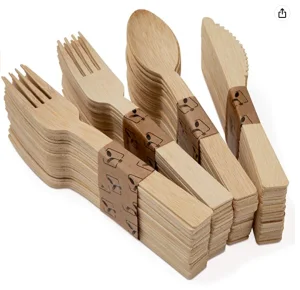
Natural Birchwood (Betula pendula): Birchwood features a dense, tight-grain structure, offering high natural rigidity without the need for synthetic coatings or chemical laminates. During production, wood planks undergo computerized steam conditioning and die-pressing. This guarantees smooth surfaces without splintering risk, which is critical for food-safety compliance. It is naturally biodegradable and will decompose fully under ambient soil conditions in approximately 90 to 120 days, returning carbon and organic matter back to the earth.
Sustainable Moso Bamboo (Phyllostachys edulis): Bamboo is structurally superior to most softwoods, boasting a tensile strength comparable to steel alloys. This makes bamboo flatware highly suitable for premium dining experiences where structural deflection must be minimized. Due to the presence of "Bamboo Kun"—a natural bio-agent—the material exhibits inherent resistance to bacteria and pests, reducing the need for intensive post-harvest chemical sterilization.
CPLA (Crystallized Polylactic Acid): For operations requiring complex geometries (such as deep-bowled soup spoons or serrated steak knives), CPLA is the premier alternative. By incorporating natural chalk (calcium carbonate) into Polylactic Acid derived from fermented cornstarch, the material undergoes crystallization. This raises its thermal deflection threshold from 50°C (standard PLA) to 85°C, ensuring stability in hot soups, gravies, and beverages common in Malaysian food culture.
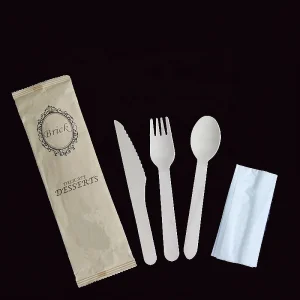
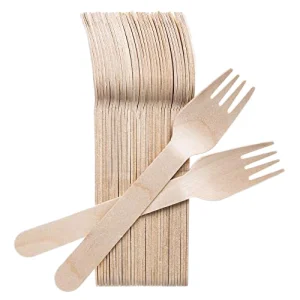
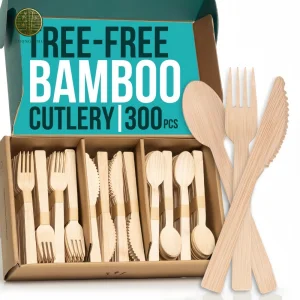
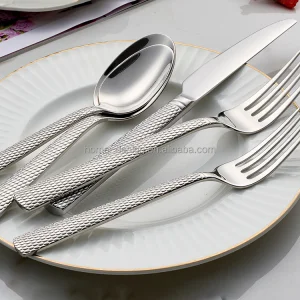
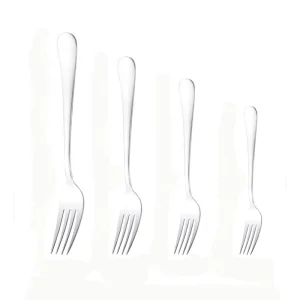
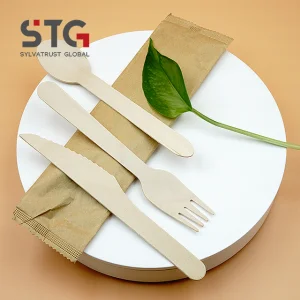
A diverse catalog of sustainable flatware and utensils catering to the Kuala Lumpur commercial market


Optimizing import workflows, freight logistics to Port Klang, and customs clearance
Large-scale eco-friendly cutlery import involves complex operational requirements, including minimum order quantities (MOQ), custom branding parameters, container packing densities, and international shipping lanes. For procurement officers situated in Kuala Lumpur, the primary port of discharge is Port Klang (Westport or Northport). Our shipping office manages full container load (FCL) bookings directly from Qingdao Port to Port Klang, ensuring highly cost-effective maritime routes.
To ensure high quality, we recommend buyers ask for specific chemical test records. Wood and bamboo products must not have sulfur dioxide residues from bleaching. CPLA items must undergo high-heat testing to verify they won't warp or bend during hot food service in Malaysia's tropical climate. Our products come with detailed testing reports for every batch, which speeds up customs clearance at Malaysian ports.
Expert analysis addressing critical compliance, performance, and logistics inquiries
Yes. Our wooden, bamboo, and CPLA products are fully compostable and biodegradable. They meet DBKL guidelines and Malaysia’s "Roadmap towards Zero Single-Use Plastics 2018-2030." We provide certificates like EN 13432 and ASTM D6400 to show local inspectors that your cutlery is compliant.
Our birchwood and bamboo cutlery goes through a specialized high-temperature drying process that reduces moisture content below 10%. This prevents warping, bending, or mold during transit, storage, and food service in Malaysia's tropical climate. We also wrap bulk orders in moisture-resistant film for extra protection.
Production typically takes 15 to 20 days depending on the size of the order and customization. Ocean freight from Qingdao Port to Port Klang takes about 10 to 14 days. We provide all the needed import paperwork, like the Bill of Lading, Certificate of Origin, Packing List, Commercial Invoice, and FDA/compostability certificates, to ensure quick customs clearance.
Yes, we offer laser engraving for wooden and bamboo cutlery, and custom embossing for CPLA products. Custom branding helps F&B businesses, hotels, and cloud kitchens in Kuala Lumpur build brand identity while showing their commitment to sustainability. We also offer custom kraft paper packaging with eco-friendly soy inks.
Standard PLA cutlery can soften around 50°C, but our CPLA (Crystallized Polylactic Acid) cutlery is heat resistant up to 85°C. This makes it ideal for hot soups, coffee, and local KL dishes. CPLA provides the strength of regular plastic but remains 100% compostable.
 PsiPrime Packaging