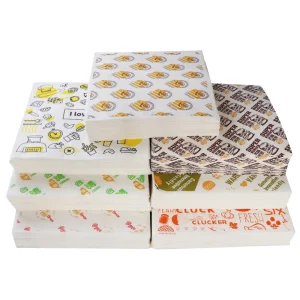
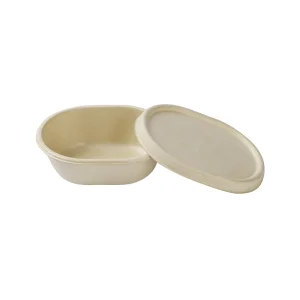
Explore our primary selection of customizable, food-grade biodegradable containers, barrier papers, and dynamic logistics mesh systems optimized for modern cold-chain and retail food operations.
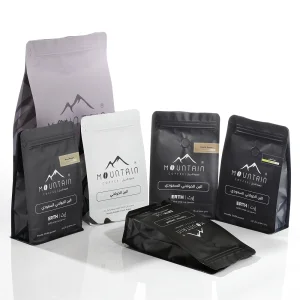
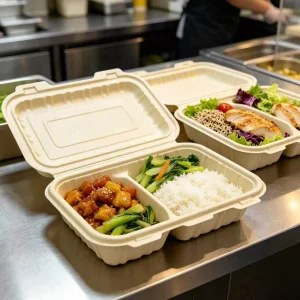

In the rapidly changing global logistics matrix, packaging is no longer just a vessel for containment; it is a critical variable in product quality preservation, waste mitigation, and energy conservation. The distribution of temperature-sensitive items, specifically in the ice cream and frozen confectionery sector, presents complex thermodynamic challenges. Moisture accumulation, frost formation, and localized heat traps can severely compromise product aesthetics, structural integrity, and brand value.
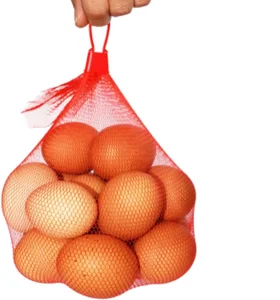
This industry whitepaper explores the integration of advanced material science and high-tensile mesh systems to create optimized cold-chain pathways. Traditionally, solid plastic barriers have been the default choice, but they often restrict ventilation, trap condensation, and lead to early thawing or frost degradation. By shifting toward specialized Mesh Ice Cream Bags and breathable polymer structures, distributors can improve air circulation, prevent ice crystal build-up, and ensure energy-efficient cooling in blast freezers.
Increasing consumer demand for premium frozen goods requires packaging that maintains consistent sub-zero temperatures. Mesh bags allow cold air to flow freely, reducing the load on refrigeration compressors.
Moisture management is crucial in sub-zero environments. Airflow prevents frost build-up on cardboard packaging and stops ice cream containers from sticking together or warping.
Using high-density polymers, our mesh designs offer excellent load-bearing capacity and puncture resistance, preventing tearing when subjected to rough handling.
The performance of mesh ice cream bags depends on material selection. At Shandong PsiPrime Packaging Co., Ltd., we use food-grade, high-density polyethylene (HDPE) and polypropylene (PP) formulations. These polymers undergo an extrusion process that creates a seamless, high-tensile mesh structure. The plastic is melted under controlled heat and forced through specialized dies, forming a continuous network of interconnected filaments.
This structural layout ensures that tension is evenly distributed across the bag. Unlike woven fibers, extruded mesh doesn't fray when cut. The material is formulated with stabilizers to prevent brittleness at temperatures down to -40°C.
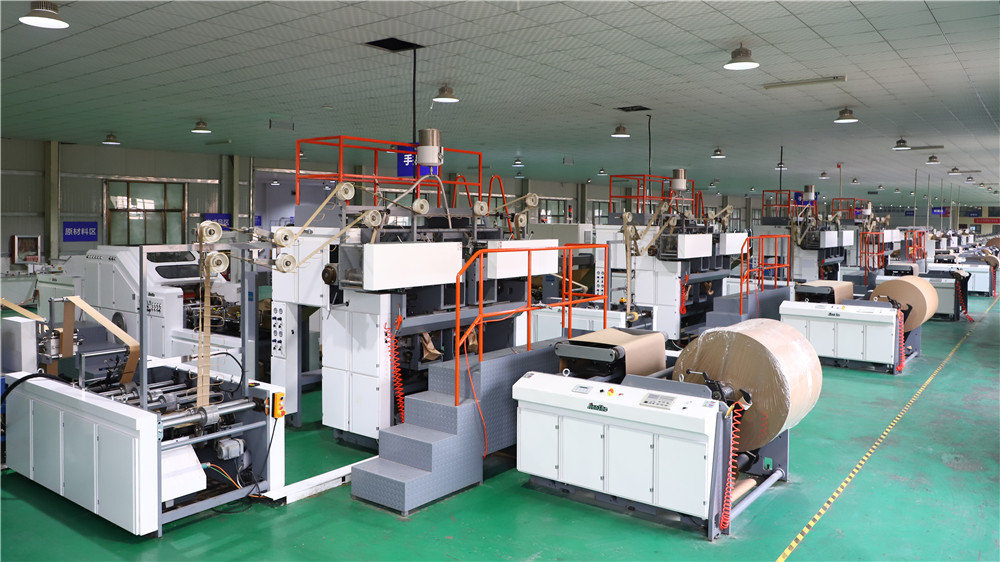
Our roadmap highlights Shandong PsiPrime's focus on research, sustainable chemistry, and advanced automation to deliver food-safe, high-performance packaging solutions globally.
Shandong PsiPrime Packaging Co., Ltd. operates advanced production facilities in Shandong, China. By integrating automated manufacturing with strict quality control, we ensure reliable delivery of food-grade packaging worldwide.
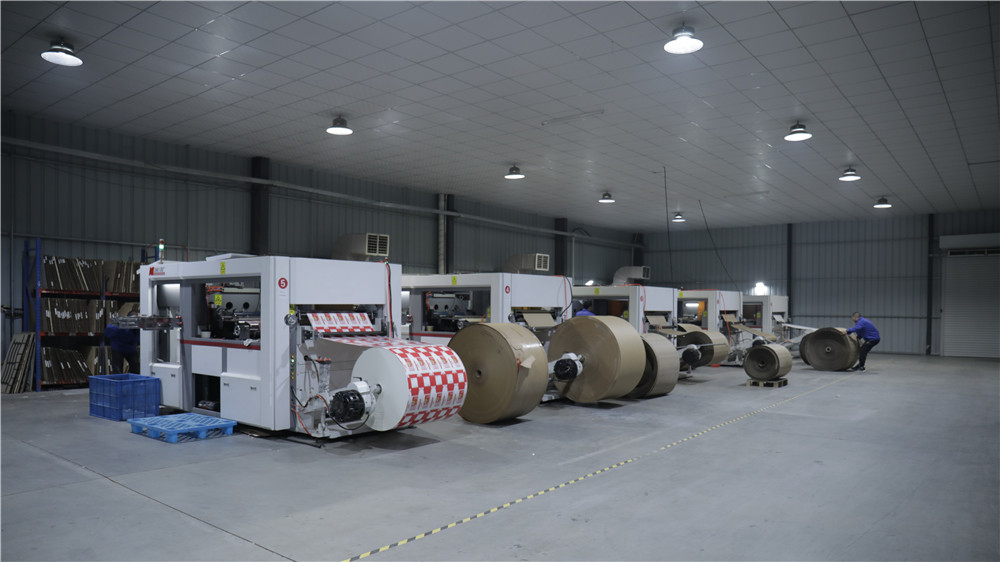
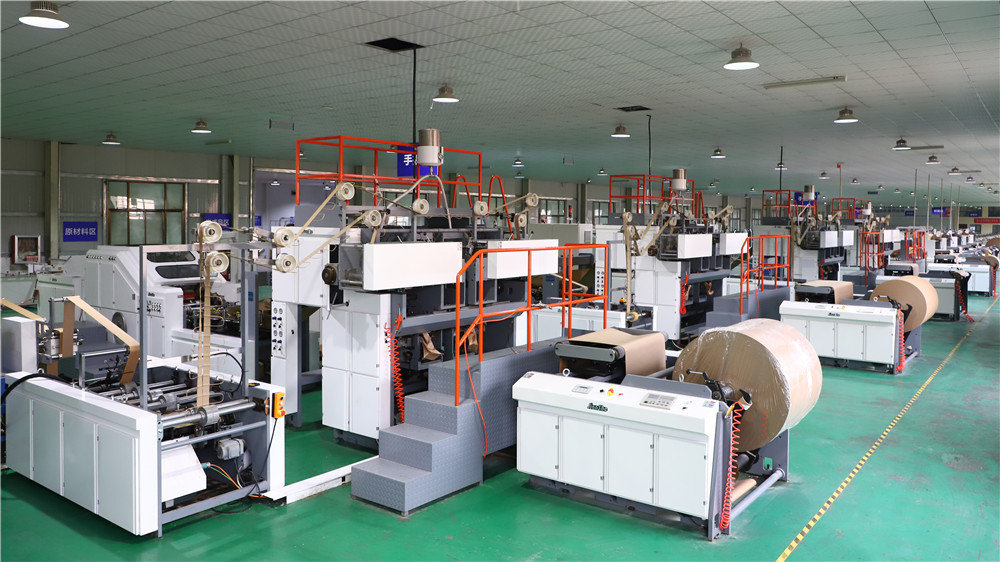
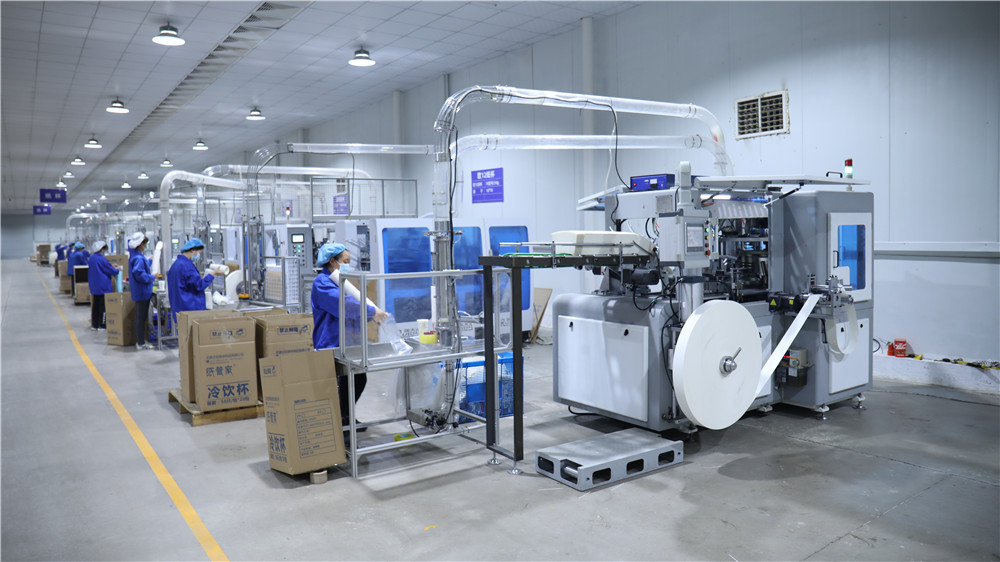
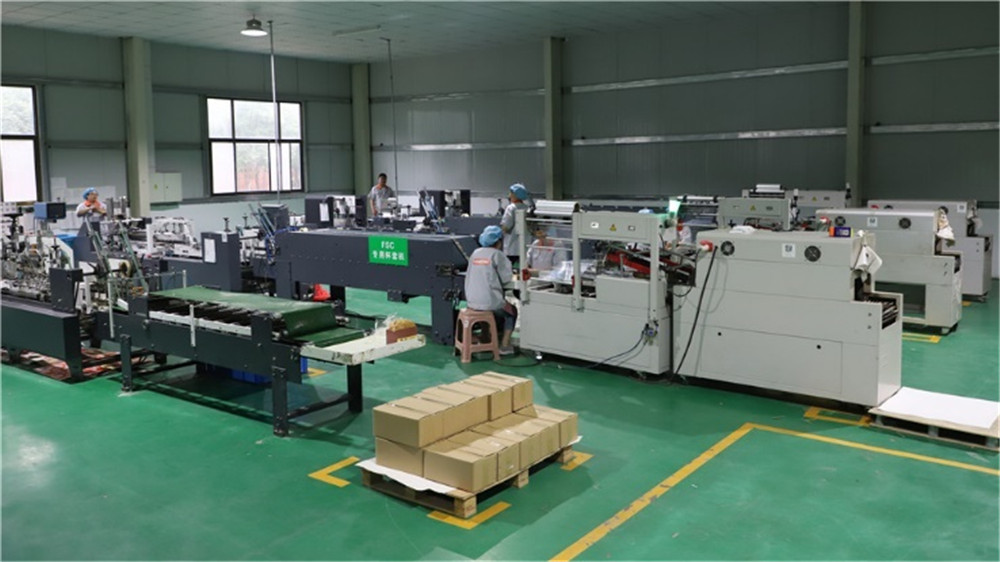
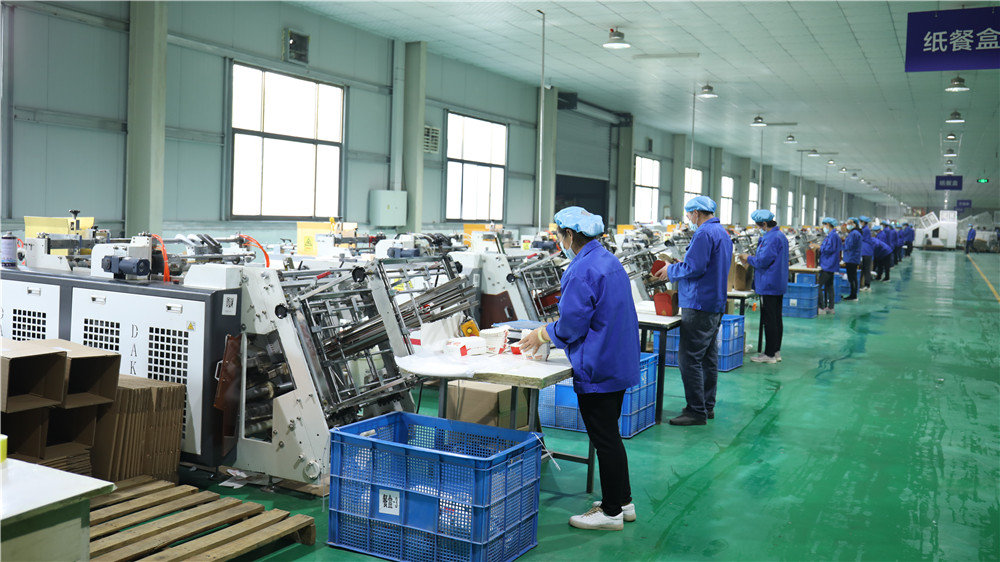
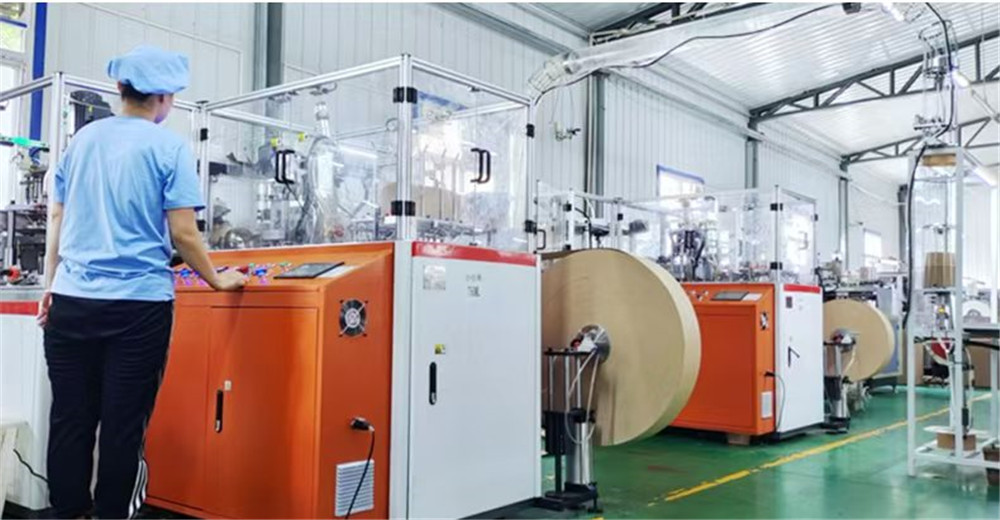
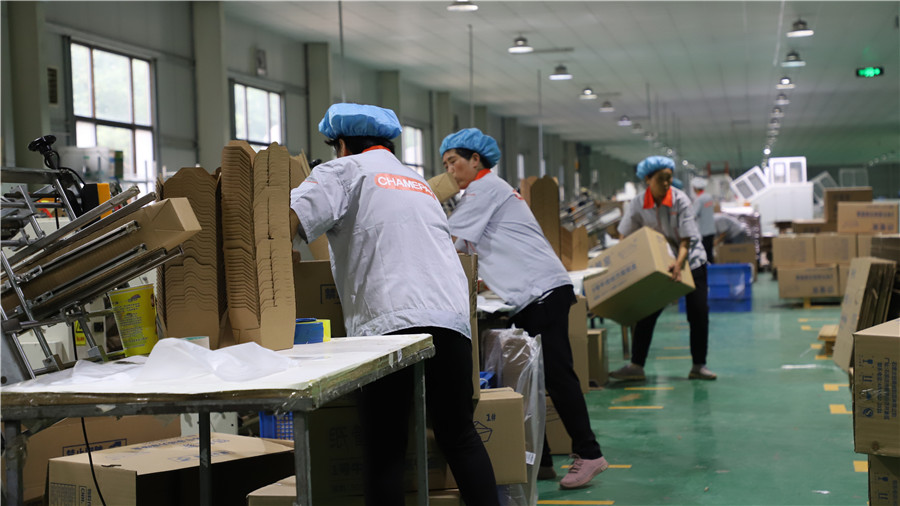
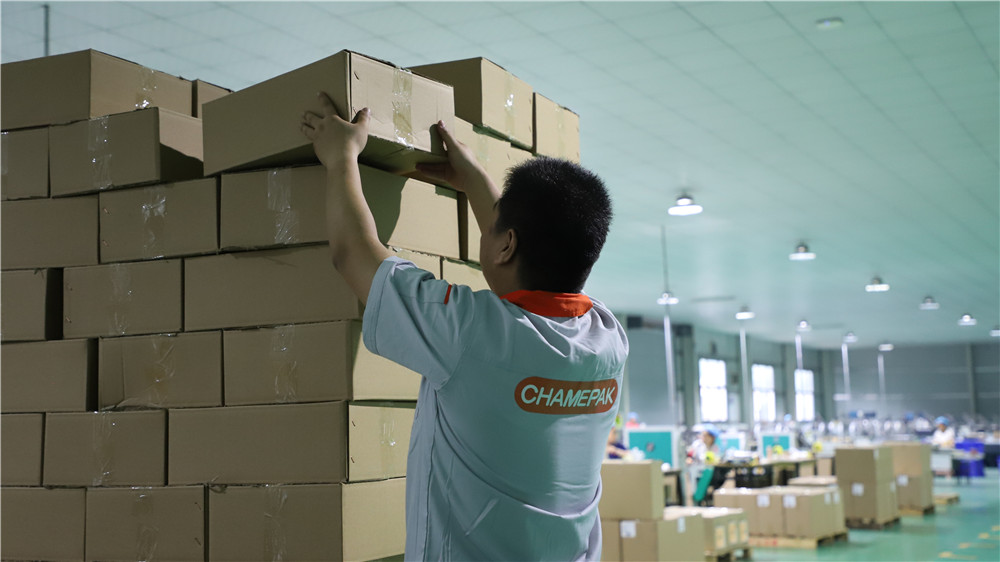
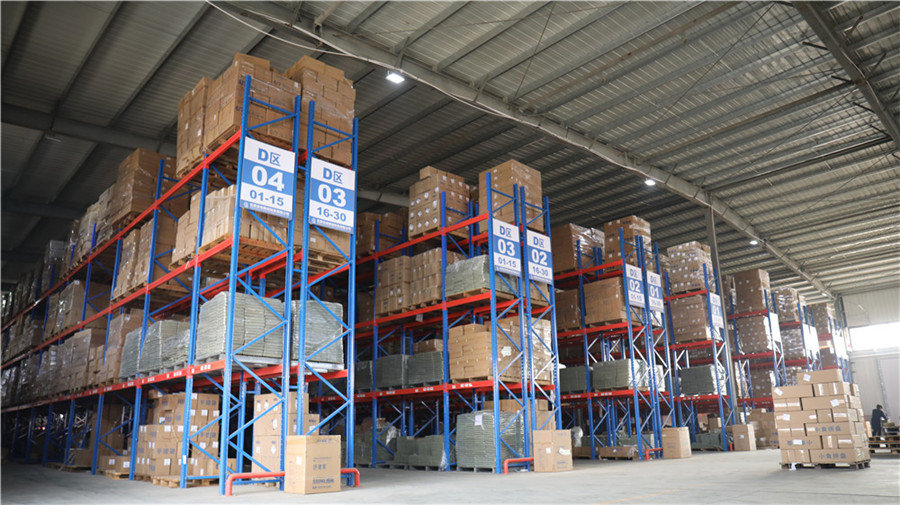
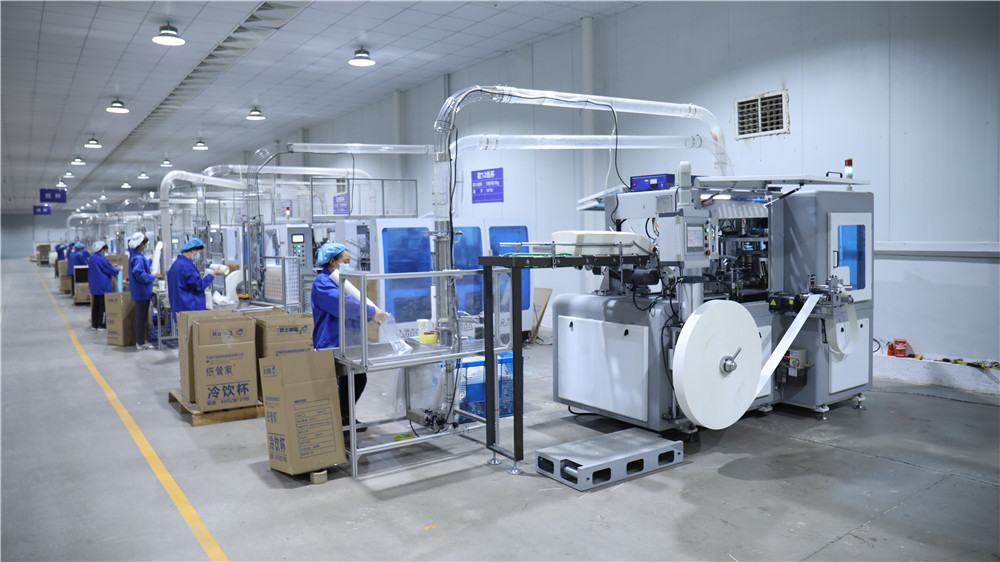
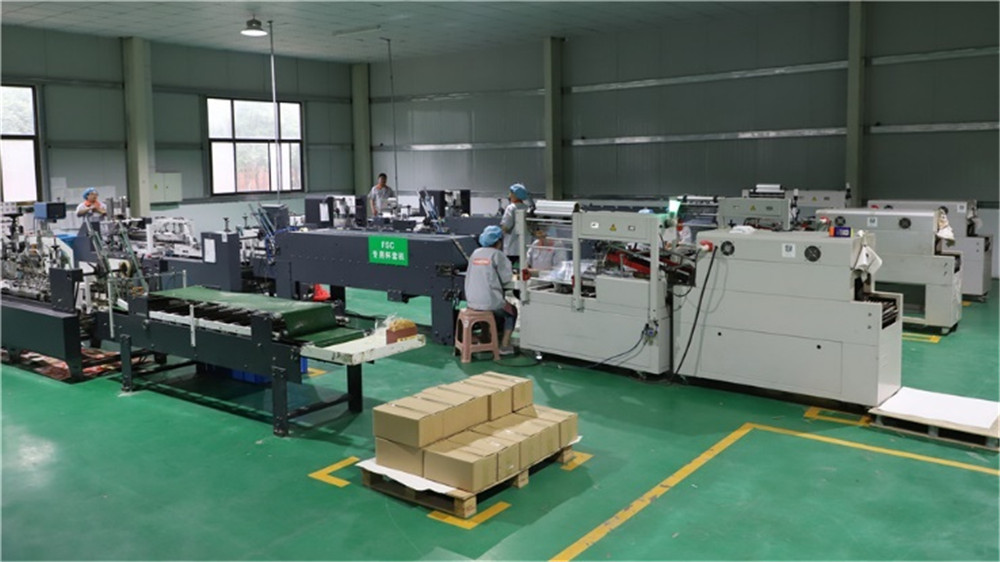
Industrial packaging must adapt to varying climates and local market expectations. The performance of packaging in cold storage is affected by local temperature profiles and humidity levels. Our mesh and biodegradable systems are designed to adapt to these variables, ensuring reliable performance in different climates.
Food packaging requires strict adherence to international safety standards. Shandong PsiPrime Packaging Co., Ltd. ensures compliance with major international food-contact regulations. Our materials undergo rigorous laboratory testing to verify safety for direct food contact.
These compliance steps include testing under FDA, LFGB, and European Union food-contact directives. Our paper products are verified to be free of PFAS and heavy metals, and plastic mesh formulations are monitored for chemical migration limits at sub-zero temperatures.
Find answers to common questions about material selection, customization options, and global shipping policies for our food-grade packaging lines.
Mesh netting allows air to circulate freely. In cold-chain distribution, static cold air can trap moisture, causing ice build-up, and can lead to uneven cooling. Mesh construction helps maintain consistent temperatures, reduces freezer burn, and keeps cardboard cartons dry by preventing condensation.
Yes, our food-grade packaging materials, including our greaseproof rolls, paper bowls, and coffee packaging, are LFGB and FDA certified. We maintain strict manufacturing controls to prevent contamination, ensuring safe contact with food products.
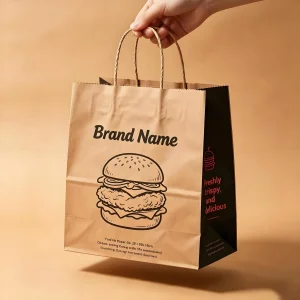
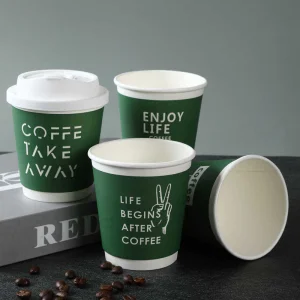
We provide full customization, including custom sizes, colors, and printing. Using water-based, non-toxic inks, we can apply your brand logo and designs to our paper cups, bowls, bags, and mesh packaging to support your marketing goals.
We source raw materials through stable partnerships and handle major production stages, including extrusion, printing, and cutting, in-house. Our location in Shandong offers convenient access to major shipping ports like Qingdao, helping us manage delivery timelines and minimize shipping delays.
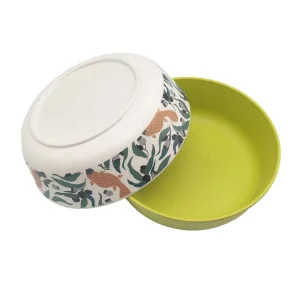
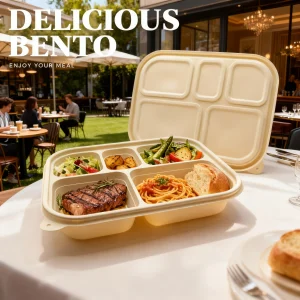
Browse our range of sustainable packaging products, including bamboo-fiber wares, multi-compartment lunch boxes, and custom paper carry bags designed for reliable performance.
 PsiPrime Packaging