Engineered to preserve quality, extend freshness, and meet rigorous global food safety standards.
The global fresh produce supply chain is undergoing an unprecedented structural shift. Spurred by accelerating consumer demand for farm-to-table freshness, combined with stringent international regulations targeting single-use plastics, the market for fresh produce shipping containers and protective logistics media has moved beyond simple containment. Today, it represents a highly specialized cross-disciplinary field combining advanced material science, active biological preservation, and ecological sustainability.
Industry reports estimate that post-harvest losses of agricultural products can exceed 30% without optimized packaging and temperature containment systems. In cold chain logistics, moisture fluctuations and mechanical compression are primary catalysts for accelerated cellular decay and fungal infestation. Forward-thinking manufacturers are responding by developing containers and wraps that actively manage gas exchange, block microbial transmission, and integrate compostable, plant-based materials to dramatically lower carbon footprints.
"True innovation in fresh produce shipping containers balances structural integrity under severe high-humidity transport conditions with rapid post-lifecycle biodegradation. We are transitioning from inert transit vessels to active preservation ecosystems."
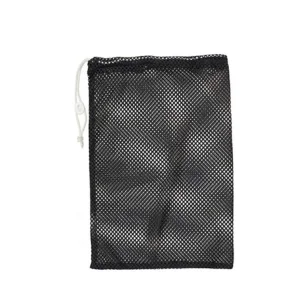
This macro-industrial dynamic has propelled manufacturing hubs toward fully automated, high-precision facilities that can yield specialized materials—such as high-tensile mesh vegetable bags, bio-based barrier plates, and high-purity aluminum foil sheets. These designs ensure structural survivability during weeks-long ocean crossings while maintaining strict compliance with the European Union Single-Use Plastics Directive and the US FDA's Food Contact Materials protocols.
From passive transit vessels to active bio-preservation packaging systems.
Modified Atmosphere Packaging (MAP) technology is integrating directly into fiberboard containers and organic polymer liners, dynamically modulating oxygen depletion and carbon dioxide saturation to halt fruit ripening.
Traditional PE and wax-lined containers are rapidly giving way to water-based dispersion barriers and CPLA coatings. These plant-derived barriers block water vapor and grease without compromising paper pulp compostability.
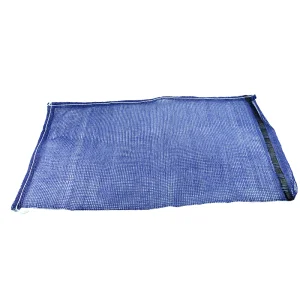
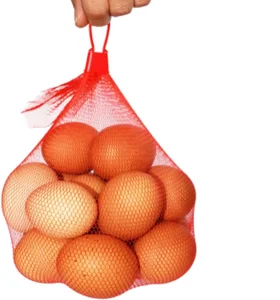
For high-respiration crops like garlic, onions, and root vegetables, specialized open-mesh extrusion containers are replacing closed-box systems to promote airflow and eliminate localized mold-incubating humidity pockets.
Our strategic framework for advancing food-safe compostable materials and manufacturing processes.
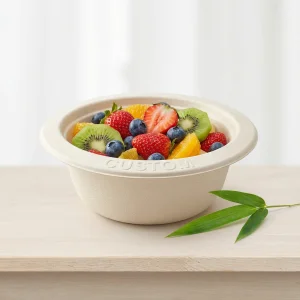
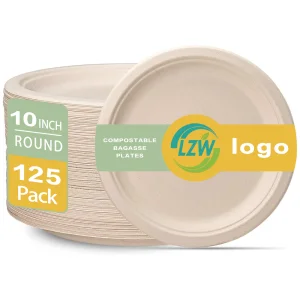
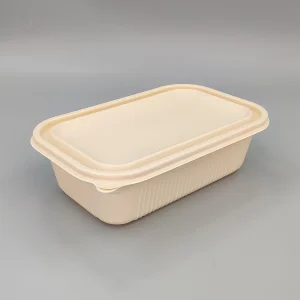
Pioneering the industrialization of sugarcane bagasse and agricultural residue fibers. Engineering high-density thermal molding to achieve complete grease resistance and heat-retention parameters without synthetic chemicals.
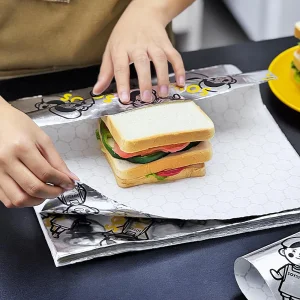
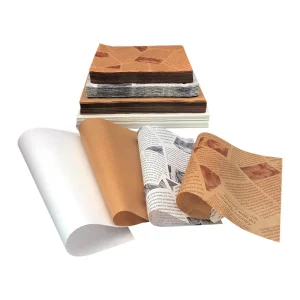
Deploying micro-embossed honeycomb foil structures and food-grade mineral-coated wrapping paper to mitigate condesation build-up inside agricultural shipping containers during multi-climate global distribution.
Developing tailored containers optimized for region-specific agricultural crops, accounting for varying moisture output levels, transpiration dynamics, and structural weight stresses in long-distance transit.
Global fresh produce export logistics demand precise regional localization. In North American distribution loops, produce requires high physical impact protection to survive overland freight networks. Here, heavy-duty molded fiber trays and bagasse-based containers prevent physical bruising of high-value berries and stone fruits.
Conversely, the European market prioritizes zero-plastic, circular loop compatibility. Recyclable kraft paper packaging with biodegradable PLA barriers has become the benchmark. Under tropical Southeast Asian conditions, structural integrity in high relative humidity is paramount. Exporters rely on high-durability plastic mesh packaging and greaseproof barrier papers to prevent moisture-induced structure collapse.
Shandong PsiPrime Packaging Co., Ltd. is a leading designer and manufacturer of sustainable packaging solutions. We specialize in reducing single-use plastics and helping food service, agricultural, and logistics industries transition toward environmentally responsible operations.
We believe that biodegradable and compostable packaging represents the future of sustainable logistics. By advocating for viable "plastic alternatives," we raise the standard of eco-friendly packaging across global markets. Backed by deep industry experience, an advanced supply chain, and state-of-the-art production machinery, we deliver high-performance packaging to clients worldwide.
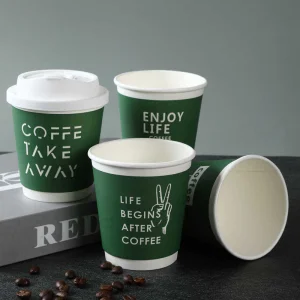
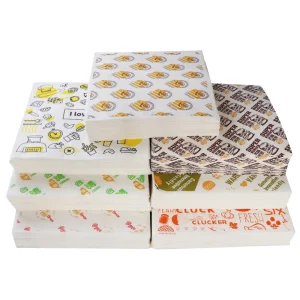
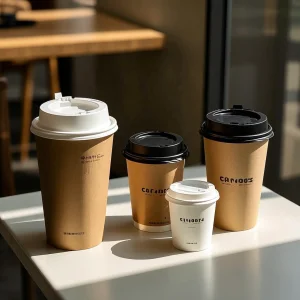
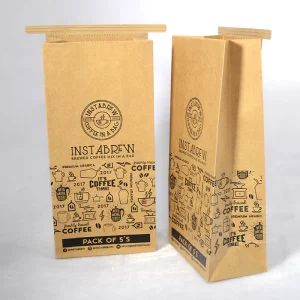
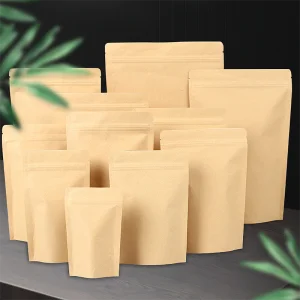
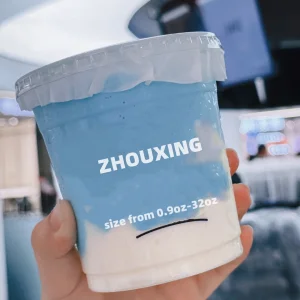
Our capabilities cover the research, development, and manufacturing of food-grade packaging, including compostable food containers, paper-based fresh produce wraps, eco-friendly paper bags, and specialty food-safe paper cups. We provide a one-stop customization workflow, assisting brands with custom sizing, structure design, and printing to build brand identity while meeting strict sustainability goals.
Strict quality assurance and advanced machinery from raw material processing to final finished products.
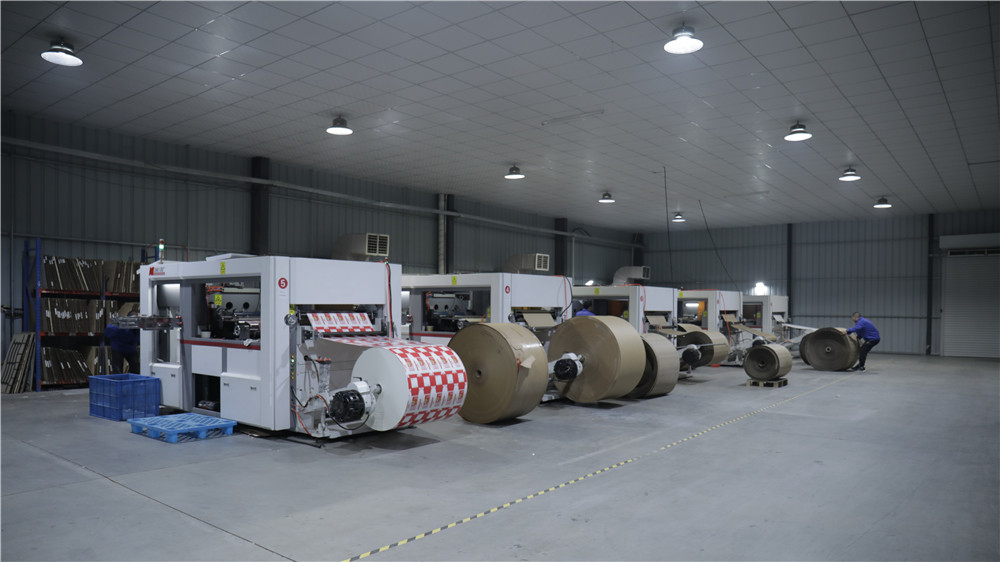
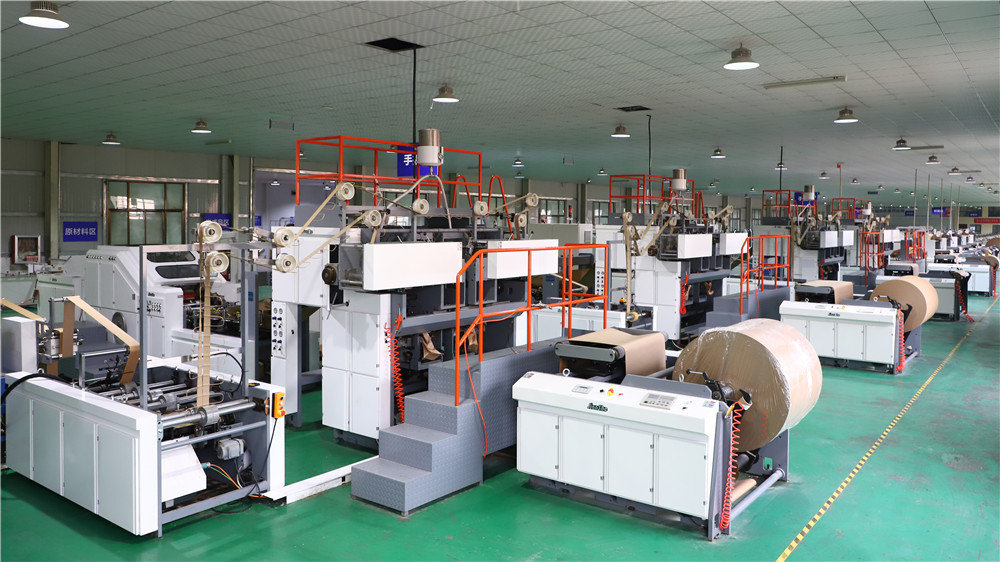
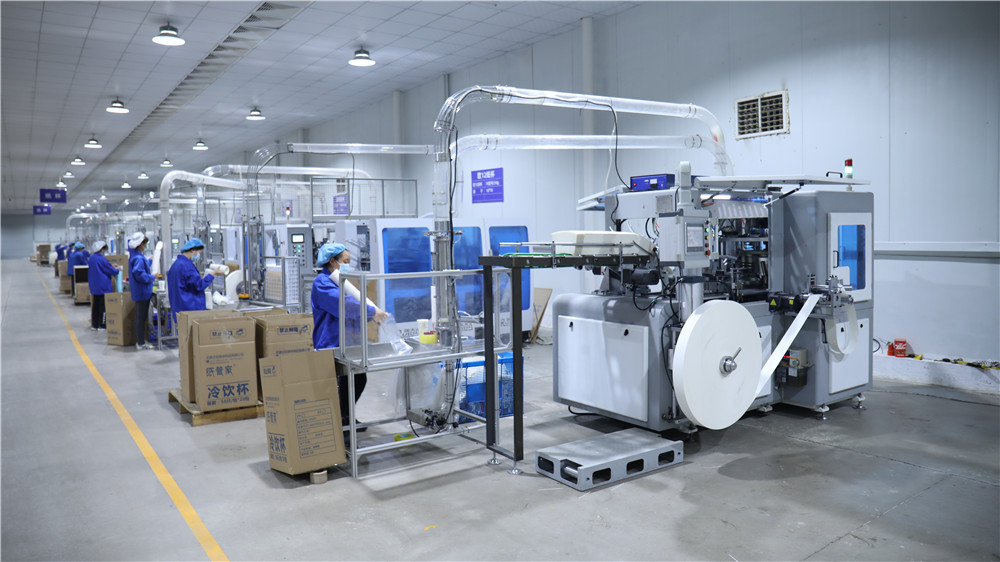
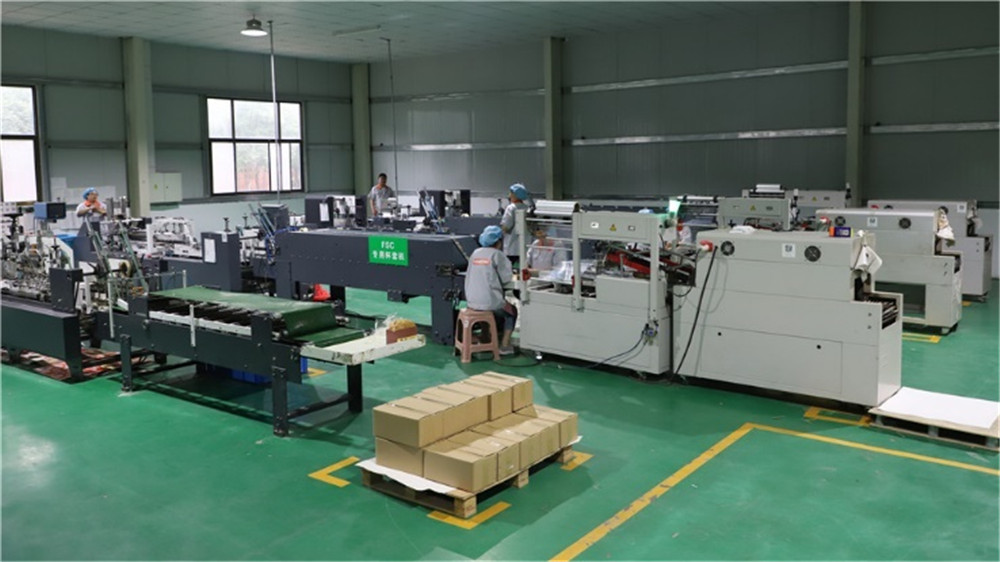
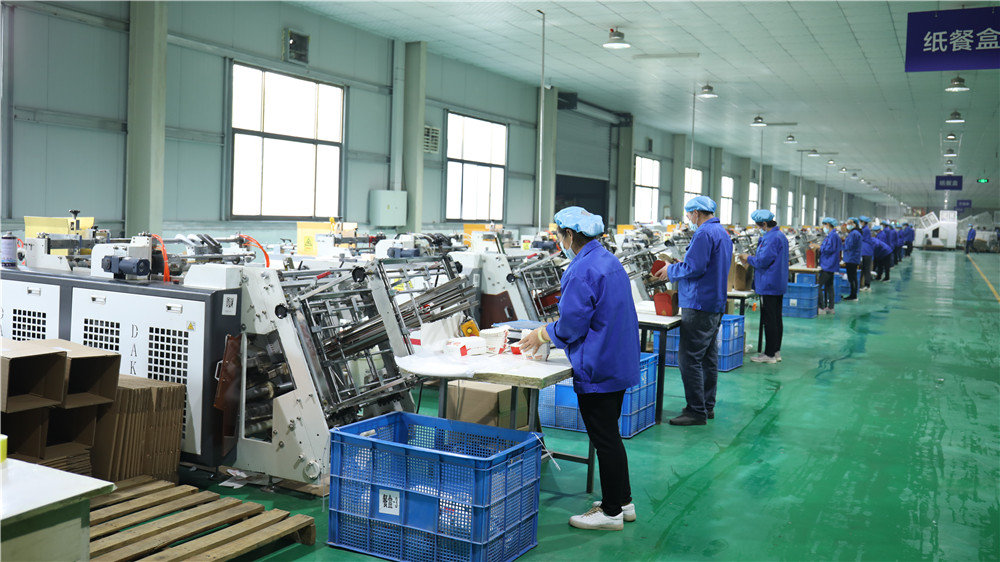
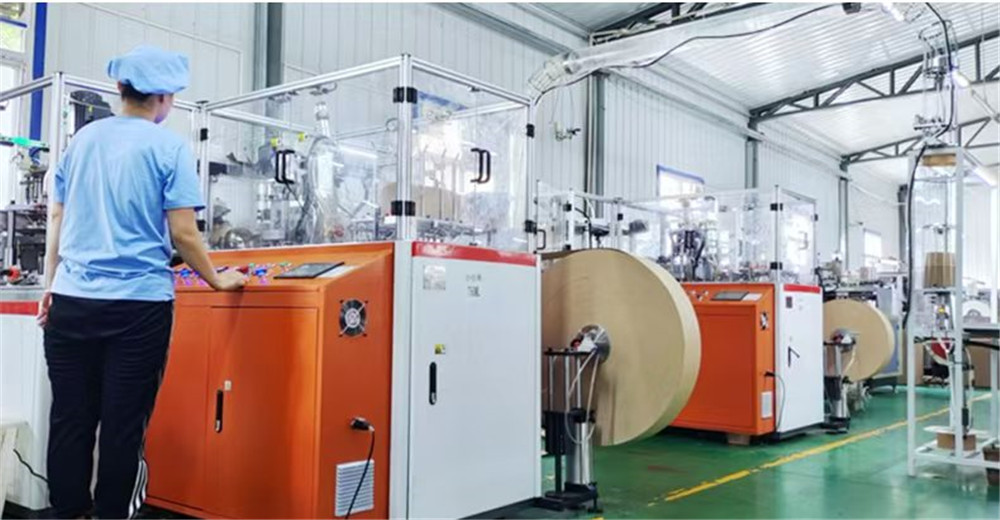
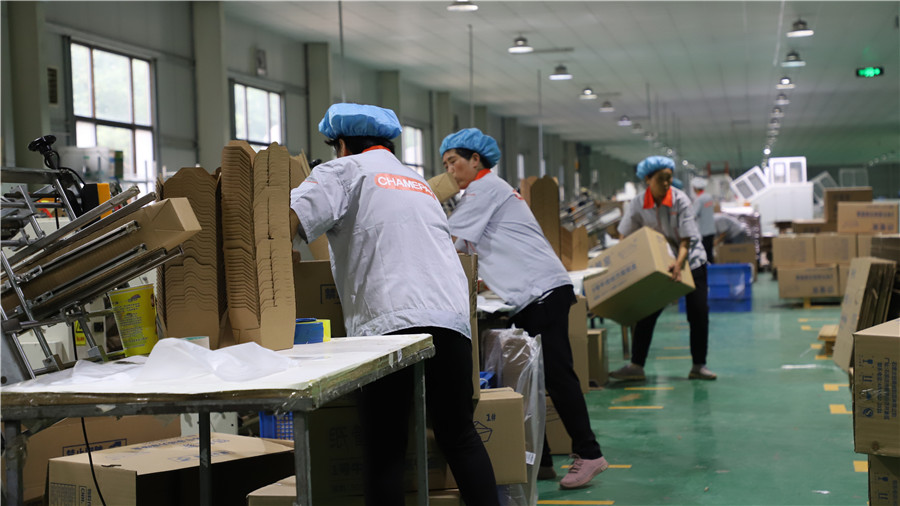
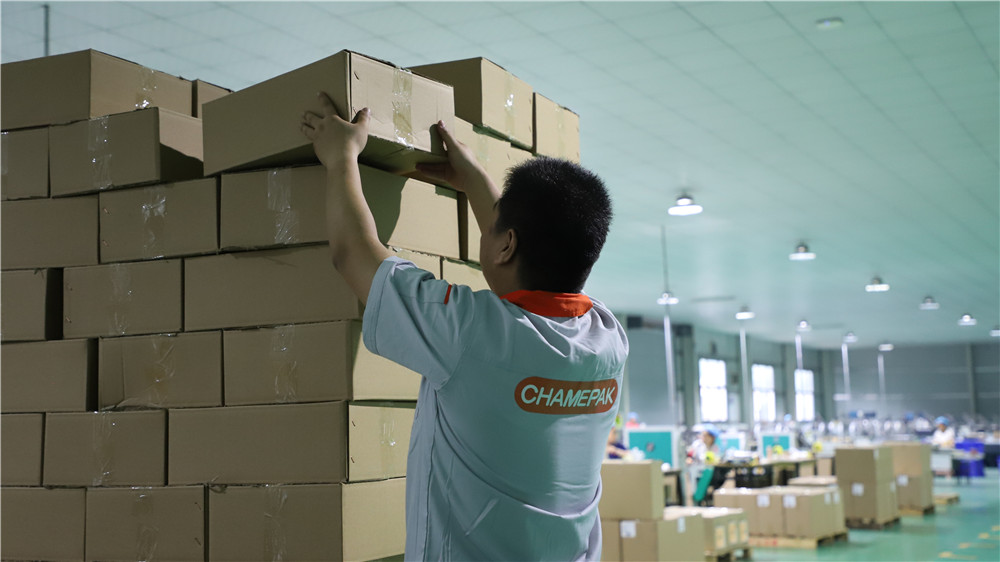
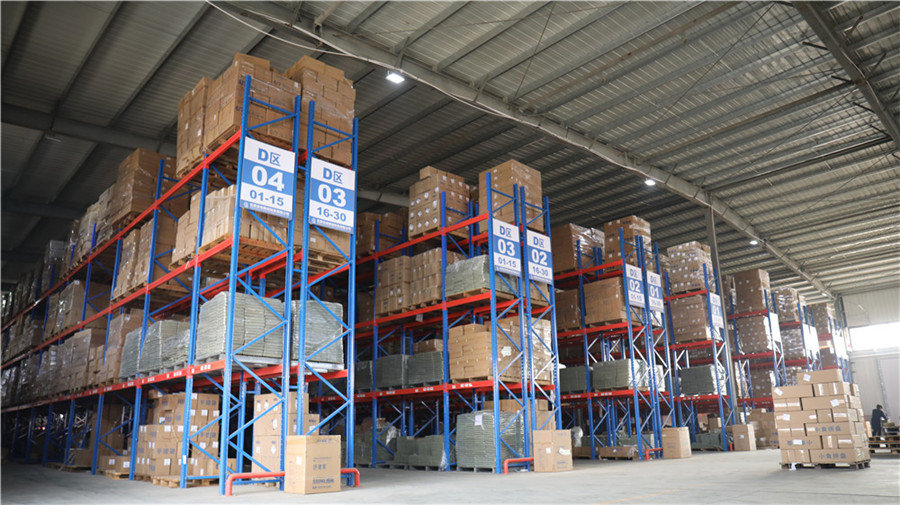
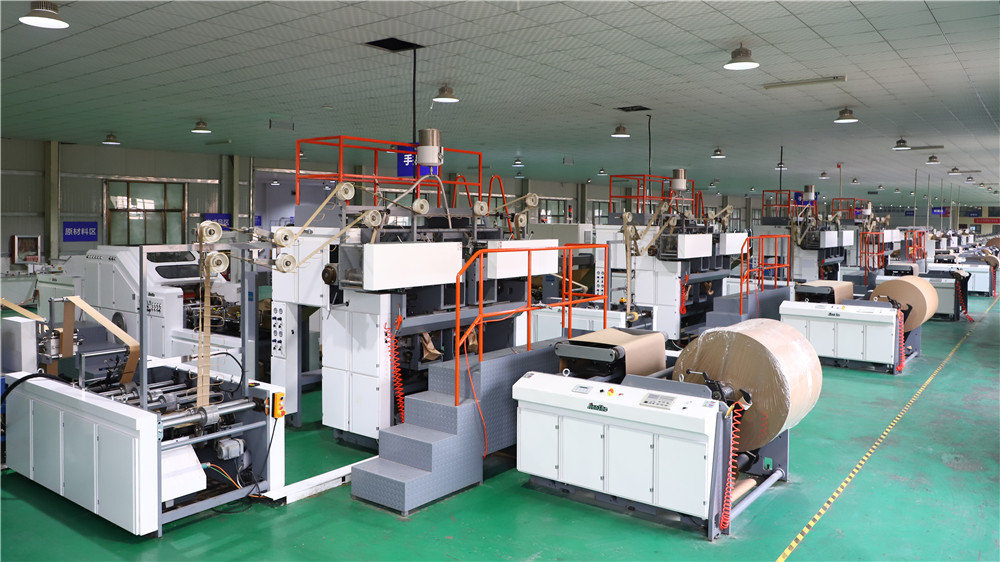
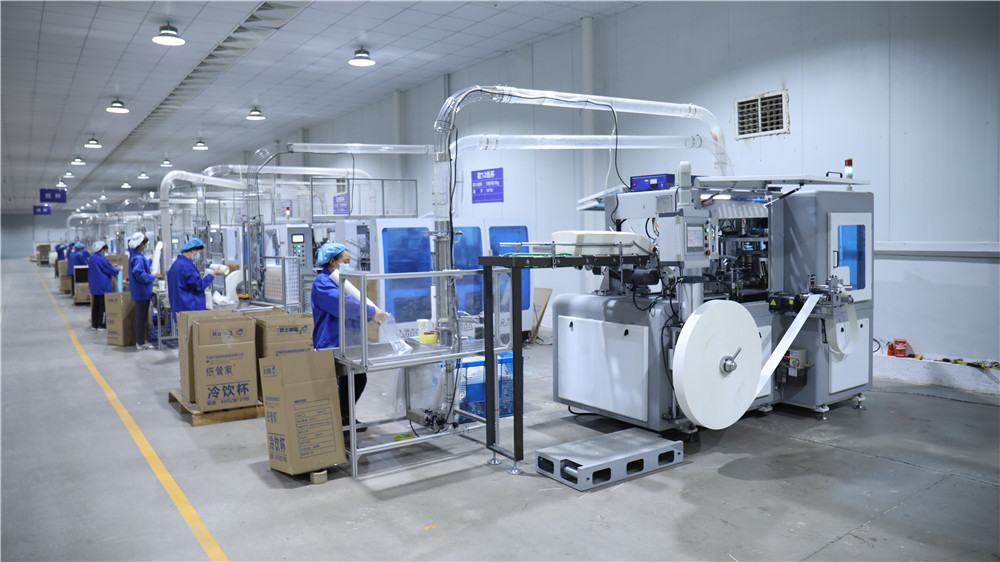
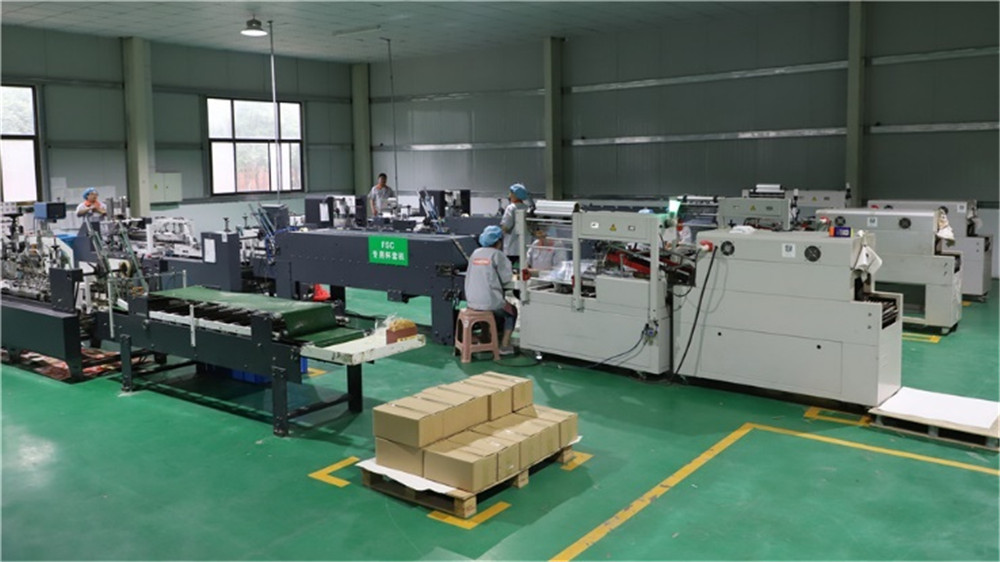
Integrating materials, design, and manufacturing for optimized global supply chains.
Engineered for long-distance sea transport. Incorporates greaseproof and waterproof layers that prevent internal moisture condensation, protecting against product degradation, mold, and bacterial rot.
Full compliance solutions for markets with strict environmental bans. Replaces standard PE film liners with compostable plant fibers and water-based coatings that decompose naturally in industrial compost systems.
Engineered to survive multi-layer stacking forces in freight cargo containers. Prevents product crushing and bruising during road shipping, ensuring your produce arrives in premium retail condition.
Expert answers regarding materials, preservation, compliance, and supply chain logistics.
High-performance sustainable alternatives designed for agricultural logistics, food packaging, and commercial foodservice operations.
 PsiPrime Packaging