Direct from China's leading eco-packaging industrial hub. Exploring certified compostable alternatives for global foodservice chains.
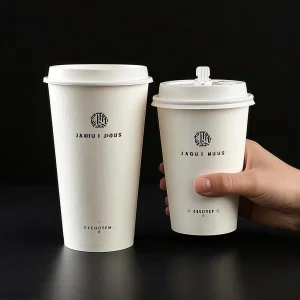
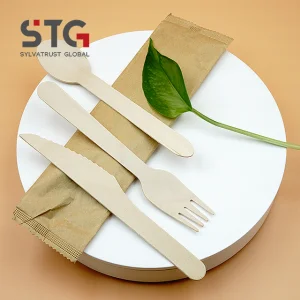
A comprehensive analysis of material properties, regulatory shifts, procurement strategies, and manufacturing technologies shaping the future of eco-friendly foodservice packaging.
In the wake of rapid global environmental transformations and increasingly stringent regulatory crackdowns on single-use plastics—such as the EU Single-Use Plastics Directive (SUPD), China's "National Plastic Ban," and various state-level mandates in North America—the international foodservice sector is undergoing a massive paradigm shift. Traditional petroleum-based plastics (primarily Polypropylene, or PP, and Polystyrene, or PS) are being aggressively phased out. Among the array of eco-friendly alternatives, Polylactic Acid (PLA) straws have emerged as the premier choice, offering the performance characteristics of conventional plastics while being 100% bio-based and compostable.
This industrial whitepaper examines the dynamics of sourcing, manufacturing, and deploying PLA straws at scale, with a focus on China's manufacturing ecosystems. As global brands look to transition from paper straws—which suffer from poor mouthfeel, structural sagging, and chemical leakage issues (such as PFAS)—PLA straws stand out as the premium consumer-approved solution.
Polylactic Acid (PLA) is a thermoplastic aliphatic polyester synthesized from renewable biomass resources, predominantly fermented plant starch (typically corn, sugarcane, or cassava). The production process involves the fermentation of agricultural starch into lactic acid, followed by ring-opening polymerization of the cyclic dimer lactide to yield high-molecular-weight PLA polymers.
For high-heat or high-stress applications, manufacturers employ CPLA (Crystallized Polylactic Acid). By introducing nucleating agents and executing precise thermal crystallization profiles during processing, the mechanical strength and thermal deflection limits of the material are significantly elevated. The table below outlines the core properties of these materials:
| Material Type | Raw Source | Thermal Resistance | Degradation Behavior | Key Applications |
|---|---|---|---|---|
| Standard PLA | Corn Starch / Cassava | Up to 50°C (122°F) | Industrial Compostable (180 days) | Cold drinks, juice, bubble tea straws |
| CPLA | Modified PLA Resin | Up to 90°C (194°F) | Industrial Compostable (180 days) | Hot beverage lids, coffee stirrers, cutlery |
| Paper / Cellulose | Wood pulp / Bamboo | Up to 80°C (176°F) | Home & Marine Biodegradable | Standard straws, takeaway cups, bowls |
| Traditional Polypropylene (PP) | Fossil Fuels (Petroleum) | Up to 120°C (248°F) | Non-biodegradable (Centuries) | Traditional single-use plastics |
Navigating the technical and logistical hurdles of high-volume bio-plastic distribution.
Unlike fossil-fuel polymers, PLA is inherently hygroscopic and susceptible to ambient degradation. Under prolonged exposure to high relative humidity (RH > 65%) and elevated temperatures (>45°C), the polyester chains undergo slow hydrolytic cleavage, leading to structural brittleness. Enterprise buyers must design supply chains that enforce strict temperature-controlled warehousing and maintain tight distribution lead times of under 12 months.
Shipping PLA-based materials through equatorial shipping lanes can expose dry-van cargo containers to temperatures exceeding 60°C. Standard PLA straws exposed to these environments will suffer from thermal deformation, softening, and warping. Best-in-class manufacturers utilize insulation thermal blankets inside containers or arrange for refrigerated reefers (typically maintained at 25°C) to ensure structural integrity is maintained from factory to dock.
To qualify for importation into North American, European, and Australian jurisdictions, PLA products must carry rigorous certifications from independent laboratories. The gold standards include ASTM D6400 (USA) and EN 13432 (Europe), confirming that the product will break down completely in industrial composting facilities without leaving toxic residues or heavy metals behind.
Top factories comply with strict global safety limits, such as FDA 21 CFR (United States Food and Drug Administration) regulations and EU Commission Regulation No 10/2011. Cleanroom manufacturing environments and state-of-the-art extrusion lines prevent cross-contamination from standard polymers or plasticizers.
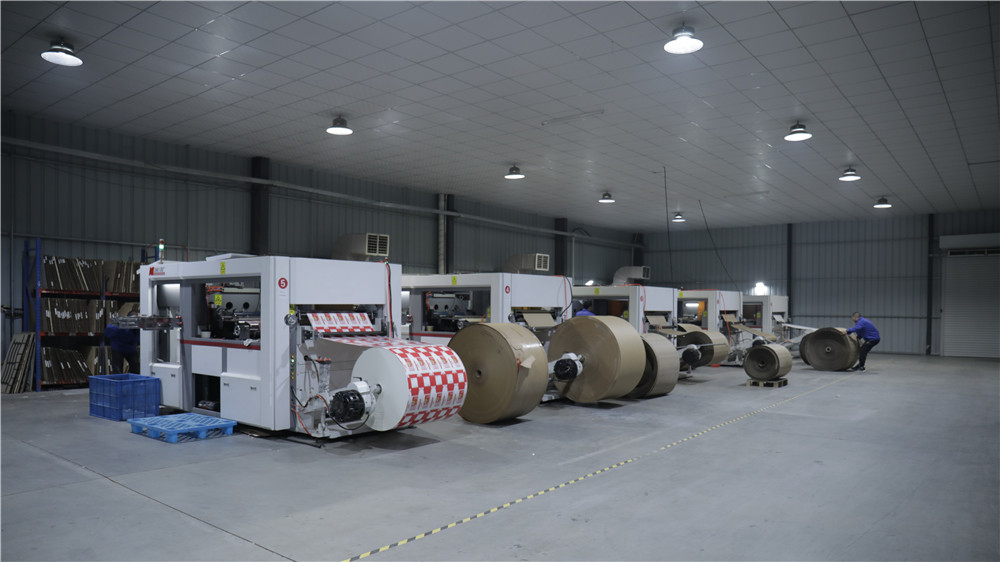
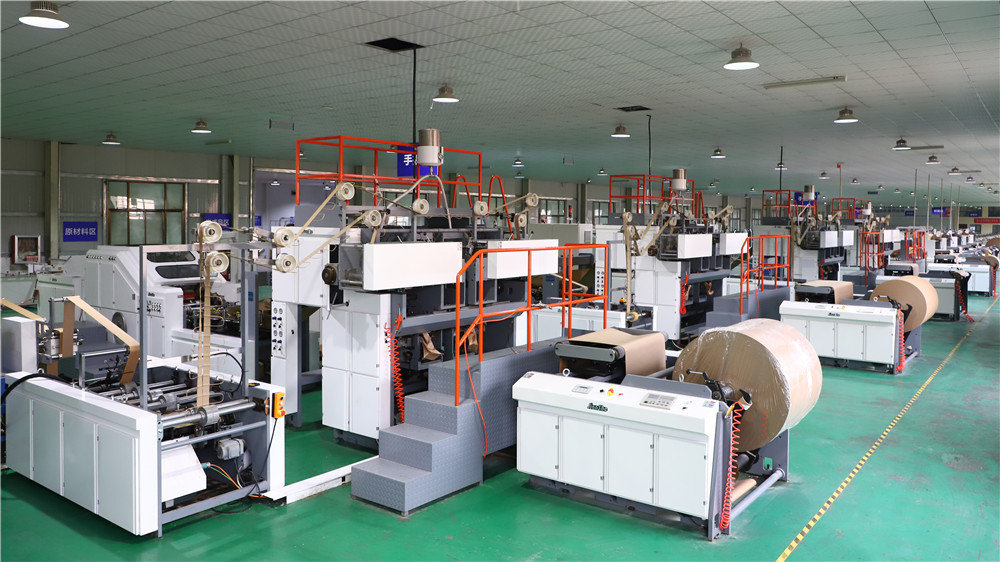
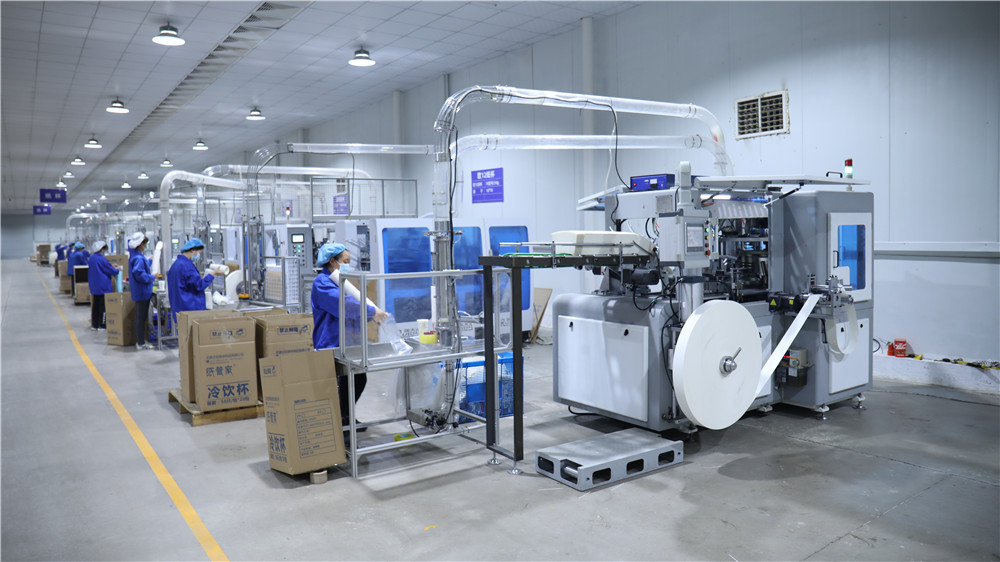
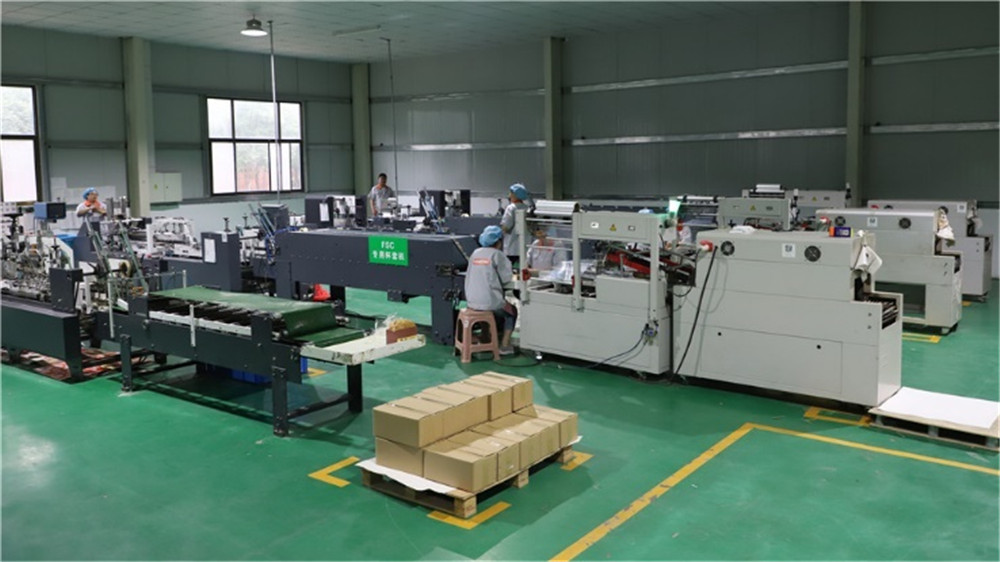
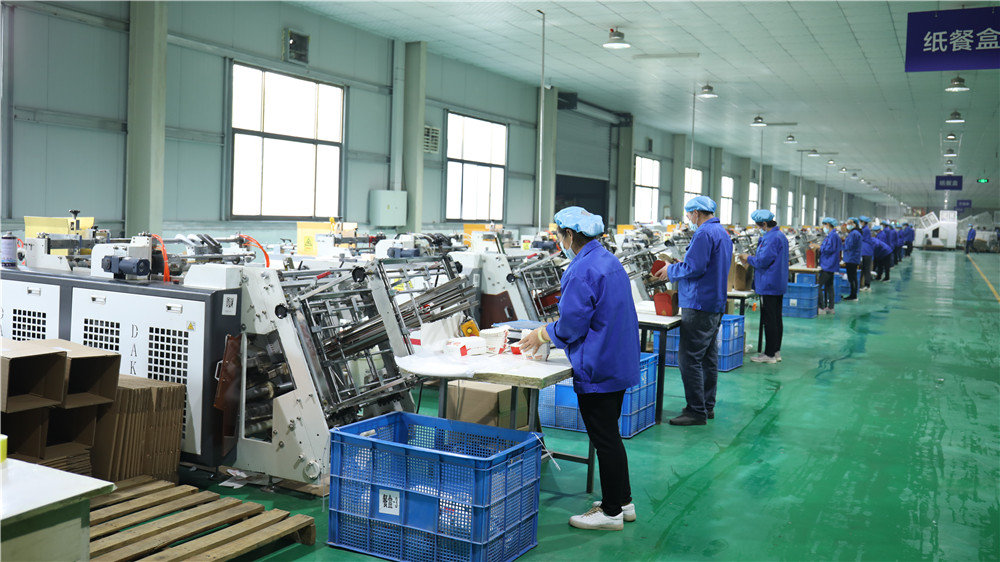
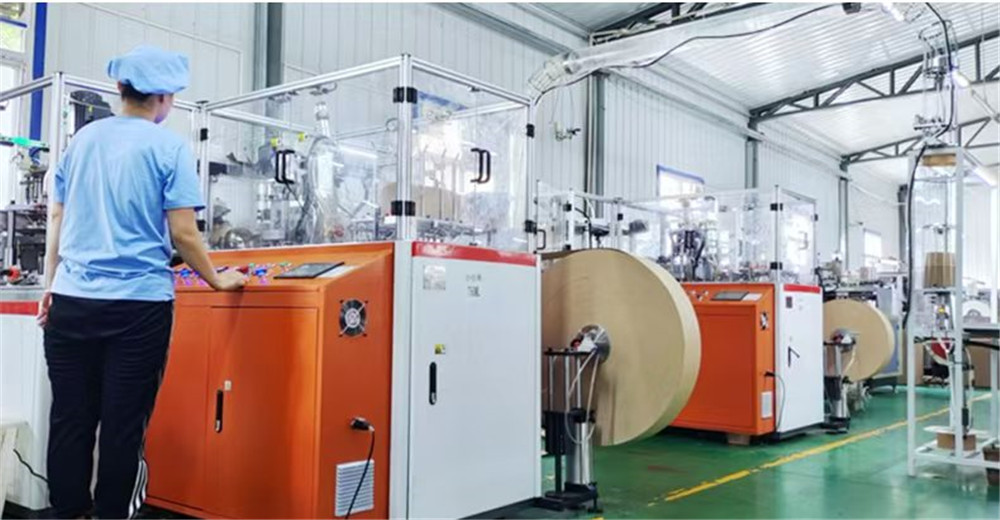
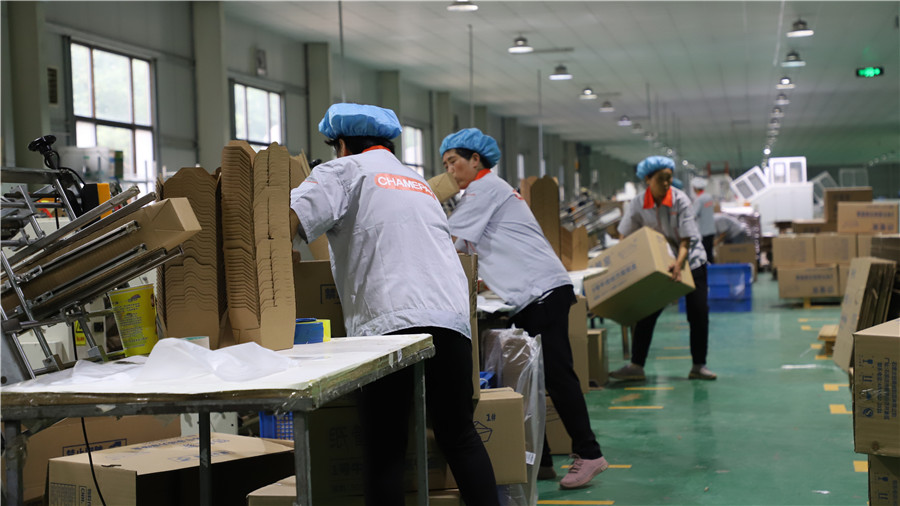
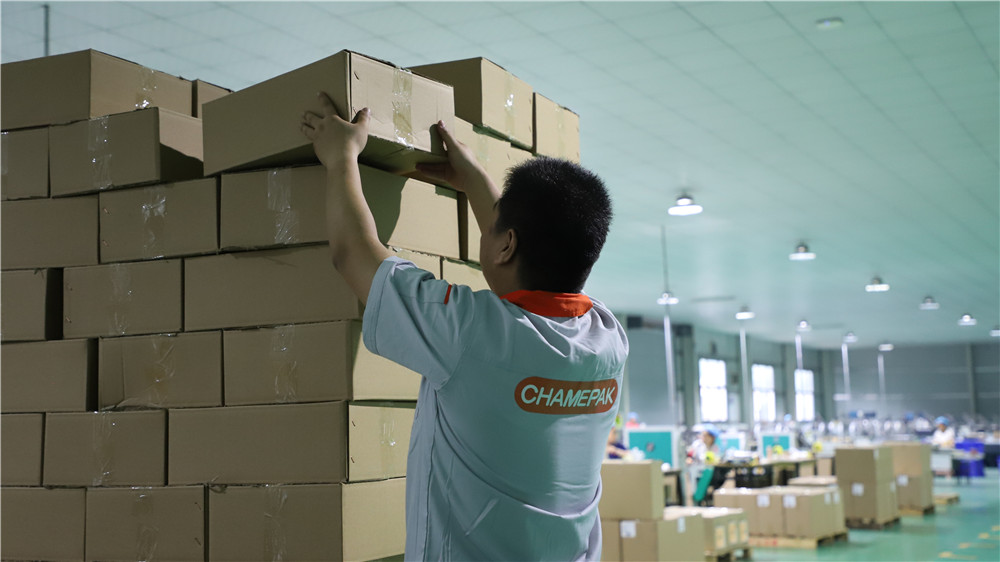
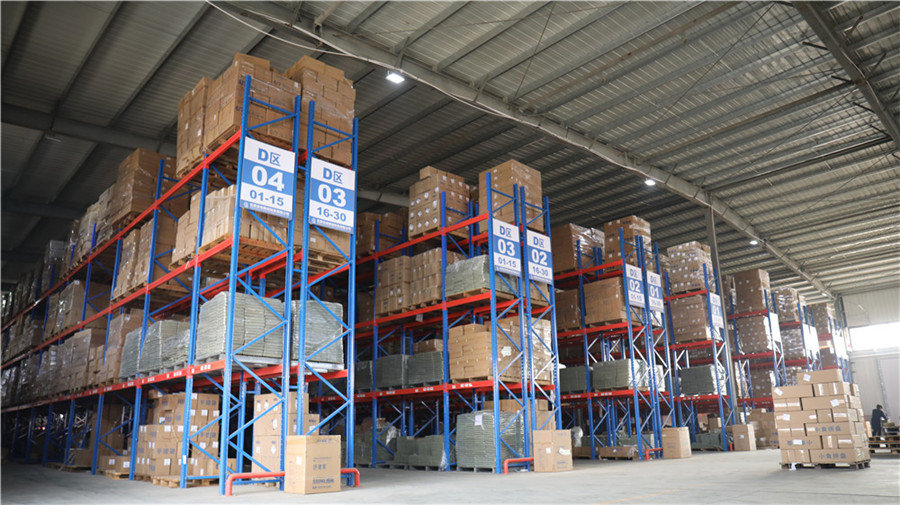
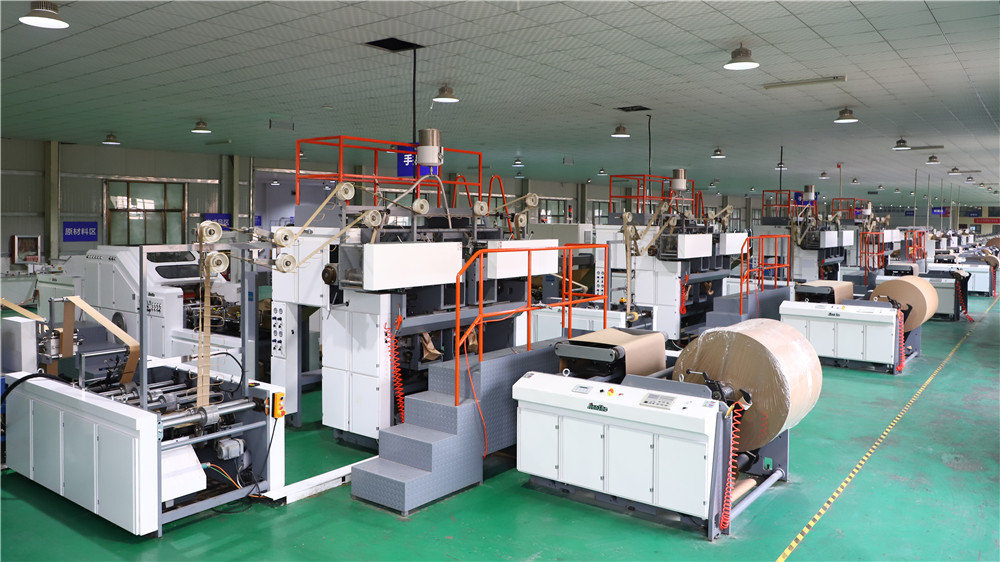
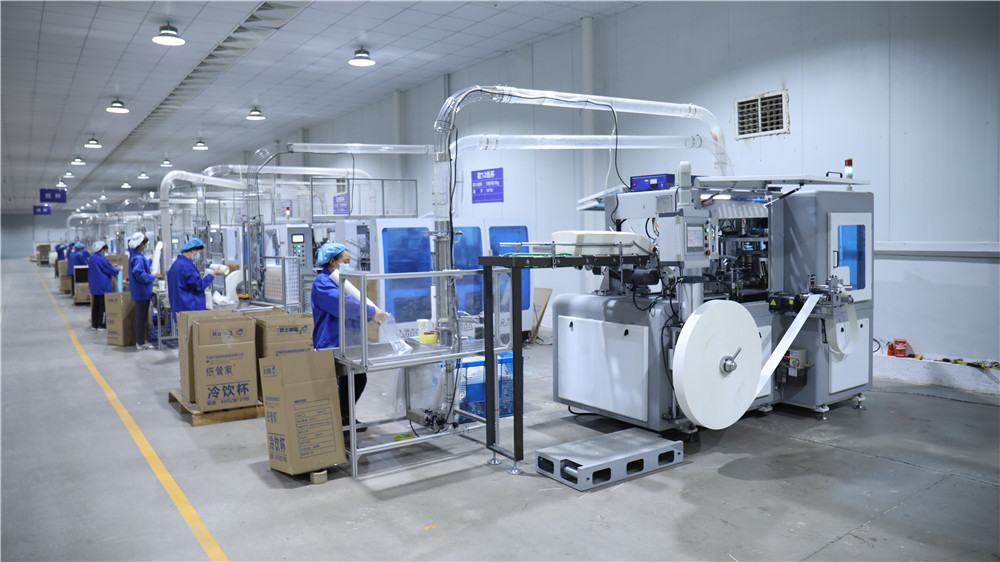
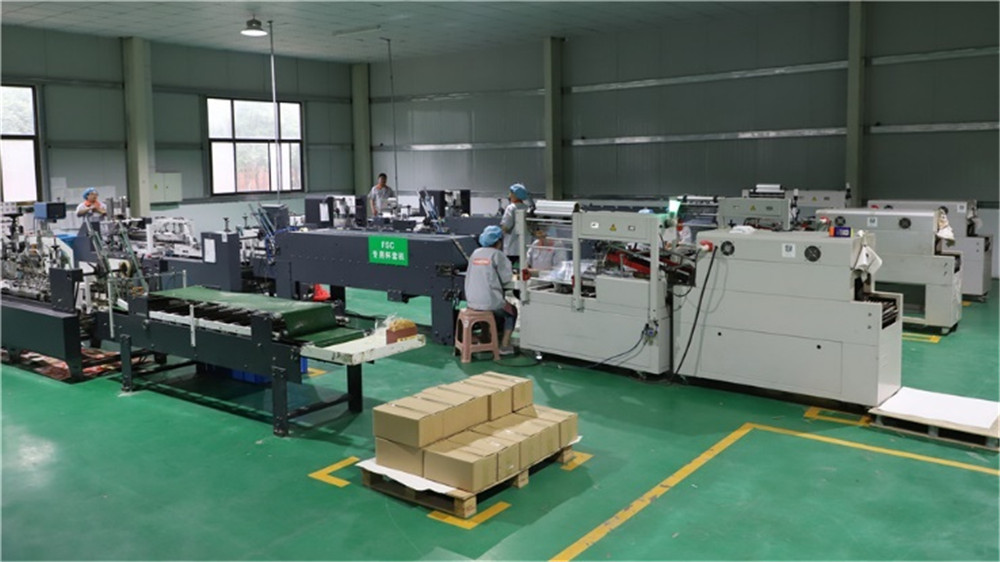
Inside Shandong PsiPrime Packaging Co., Ltd. and associated advanced production hubs, delivering reliable quality control and scale.
Shandong PsiPrime Packaging Co., Ltd. is dedicated to advancing sustainable packaging solutions and promoting the reduction of single-use plastics, helping foodservice and food-related industries transition toward more environmentally responsible operations.
The company strongly believes that biodegradable and compostable packaging materials represent the future of sustainable development. It actively promotes the concept of “plastic alternatives” and works to raise awareness of eco-friendly packaging across global markets. With extensive industry experience and a reliable supply chain, we provide high-quality, sustainable food packaging solutions to customers in many countries and regions.
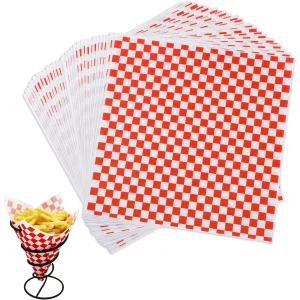
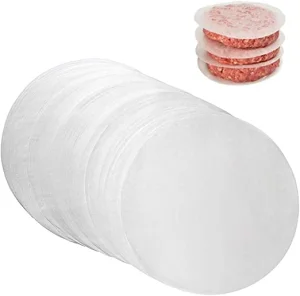
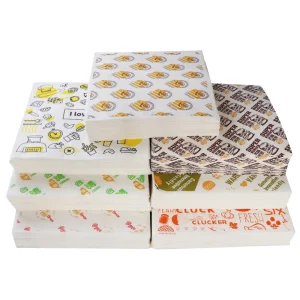
The company specializes in the research, development, and manufacturing of eco-friendly food-grade packaging products. Its product portfolio includes compostable food containers, paper-based food packaging, eco-friendly paper bags, food wrapping paper, and disposable catering supplies. These solutions are designed to meet the diverse needs of restaurants, food delivery platforms, food processors, and retail businesses.
Exploring R&D innovations that address the core limitations of standard polylactic acid products.
The current generation of PLA primarily relies on food-grade agricultural starch (first-generation feedstock), which raises ethical concerns regarding food security and arable land utilization. Leading Chinese manufacturing research facilities are pivoting toward second-generation agricultural residues, such as bagasse, crop straw, and lignocellulosic biomass. This shift not only reduces manufacturing footprint but also lowers the net cost of the raw bioplastic resin, offering a highly economical alternative to downstream buyers.
Standard PLA is inherently rigid and brittle, which can cause fracturing under mechanical pressure (e.g., during transport or when piercing thick cup seals). By melt-blending PLA with flexible compostable co-polyesters like PBS (Polybutylene succinate) or PBAT (Polybutylene adipate terephthalate), material scientists can tune the ductility, tensile strength, and impact resistance of the final straw product. This provides a soft-touch, high-durability user experience that mirrors traditional PP straws.
While standard PLA requires industrial composting parameters (58°C, specific microflora, high relative humidity) to degrade, next-generation research targets the development of PHA (Polyhydroxyalkanoates) and PLA blends. PHA additions accelerate the breakdown process in marine and natural soil environments, tackling one of the major critiques of standard PLA materials.
Crucial questions answered for procurement managers, sustainability officers, and quality assurance specialists.
In an industrial composting facility (running at temperatures around 58°C and high relative humidity), PLA straws will biodegrade within 90 to 180 days into water, carbon dioxide, and nutrient-rich organic compost. However, in ambient environments like landfills or marine environments, degradation takes significantly longer due to lower temperatures and lack of industrial microbial activity.
Standard PLA straws have a thermal deflection threshold of approximately 50°C to 55°C (122°F - 131°F). Beyond this point, the material will begin to soften, warp, or collapse. For hot coffee or hot tea applications, we recommend CPLA (Crystallized Polylactic Acid) straws or bamboo-derived alternatives, which are thermally stable up to 90°C (194°F).
Yes, our manufacturing lines support full customization. Diameters range from standard 5mm to 12mm (ideal for boba/bubble tea applications). We offer custom lengths (15cm to 25cm), sharp-cut ends for sealing film puncture, and customizable wraps (paper or PLA sleeves) printed using eco-friendly, soy-based inks.
The standard factory-direct MOQ for customized PLA straws typically starts at 100,000 units. For unprinted or standard specification stock, smaller trial shipments can be accommodated. High-volume purchases receive significant economies of scale, helping brands lower their unit costs.
No. Unlike some paper-based straws that are treated with fluorochemicals (PFAS) to prevent water absorption and structural breakdown, PLA straws are naturally water-resistant and do not require chemical water-proofing treatments. They are certified free of bisphenols, phthalates, and fluorinated compounds.
If stored in a cool, dry warehouse below 35°C (95°F) and away from direct sunlight, PLA straws have a stable shelf life of 12 to 18 months. Beyond this timeframe, mechanical properties may slowly decrease, increasing brittleness.
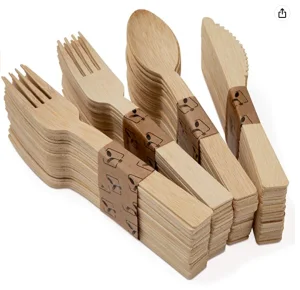
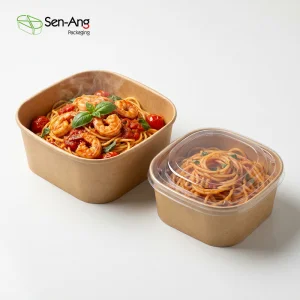
Expand your sustainable brand portfolio with our fully compostable catering supplies and food packaging.
 PsiPrime Packaging