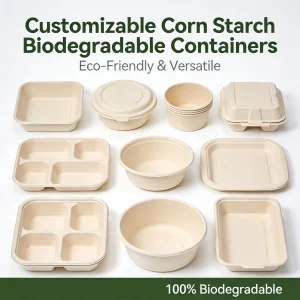
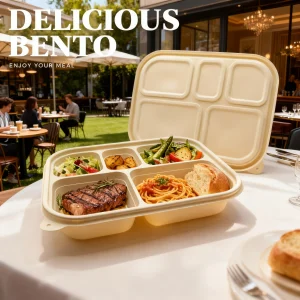


In the wake of tightening ESG (Environmental, Social, and Governance) regulations worldwide, the global foodservice sector is undergoing a rapid shift away from petrochemical-derived plastics. The integration of bamboo fiber serving bowls, sugarcane bagasse plates, and organic paper packaging represents more than a cosmetic choice; it is a foundational reconfiguration of packaging life cycles. Organizations that deploy highly durable, food-grade plant pulp alternatives achieve significant carbon reductions and protect their brands against emerging regulatory compliance risks, including EU Single-Use Plastics Directives (SUPD) and extended producer responsibility (EPR) taxes.
As a leading supplier of eco-friendly and compostable tableware, Shandong PsiPrime Packaging Co., Ltd. leverages abundant agricultural raw materials to manufacture sustainable products. In China, our localized sourcing of premium raw materials enables us to scale production while ensuring exceptional structural integrity. By selecting bamboo pulp—a material characterized by rapid growth rates and superior tensile strength—we deliver structural properties that rival traditional synthetic polymers. This creates a circular economy where materials return safely to the earth via industrial composting facilities.
Moso bamboo reaches maturity in 3-5 years without the need for pesticides or chemical fertilizers. This rapid growth rate makes it a highly efficient carbon sink compared to softwood or hardwood forests.
By optimizing pulp preparation and fiber matrices, our chemical processes produce durable products that are resistant to deformation, oils, and moisture.
Compostable tableware decomposes under commercial composting conditions, reverting to natural organic compounds within 90 days. This prevents long-term microplastic contamination in oceans and landfills.
At Shandong PsiPrime Packaging Co., Ltd., we are committed to advancing sustainable packaging solutions and helping foodservice and food-related industries transition toward more environmentally responsible operations. Our company works to raise awareness of eco-friendly packaging across global markets while actively promoting the concept of “plastic alternatives.” With an established supply chain and extensive industry experience, we provide high-quality, sustainable food packaging solutions to customers in many countries and regions.
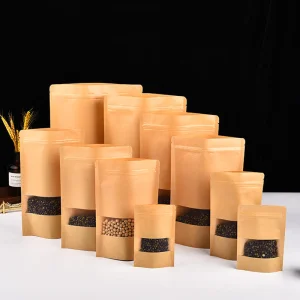
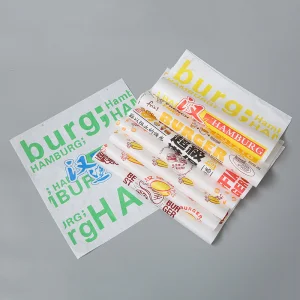
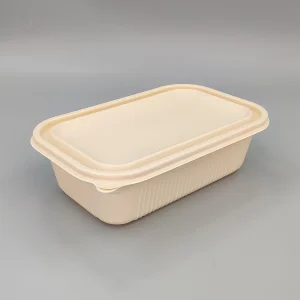
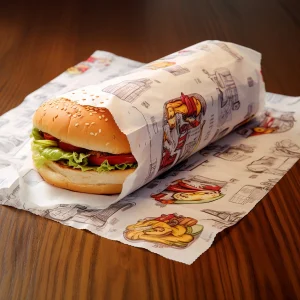
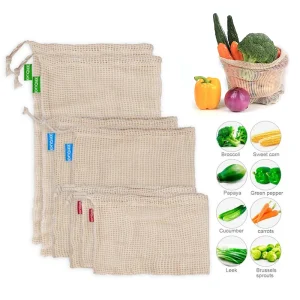
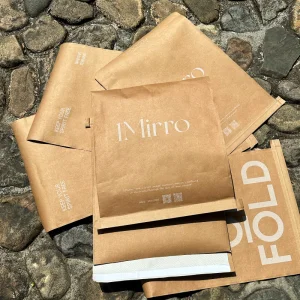
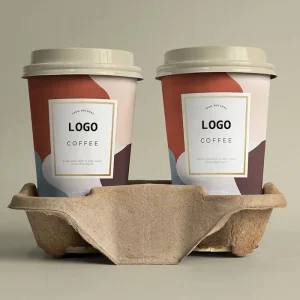
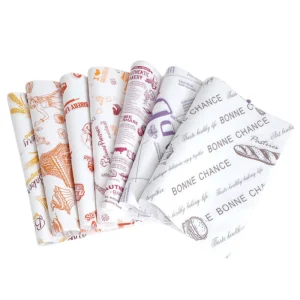
Our product portfolio includes compostable food containers, paper-based food packaging, eco-friendly paper bags, food wrapping paper, and disposable catering supplies. These solutions are designed to meet the diverse needs of restaurants, food delivery platforms, food processors, and retail businesses. We offer comprehensive customization services ranging from product design and material selection to custom printing. This enables clients to build strong, recognizable brand packaging while maintaining their sustainability goals.
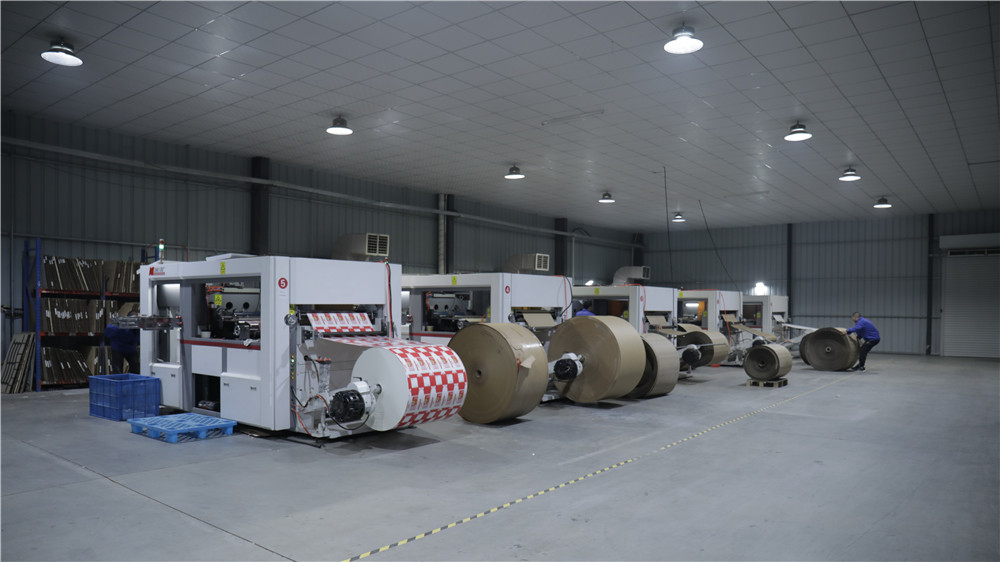
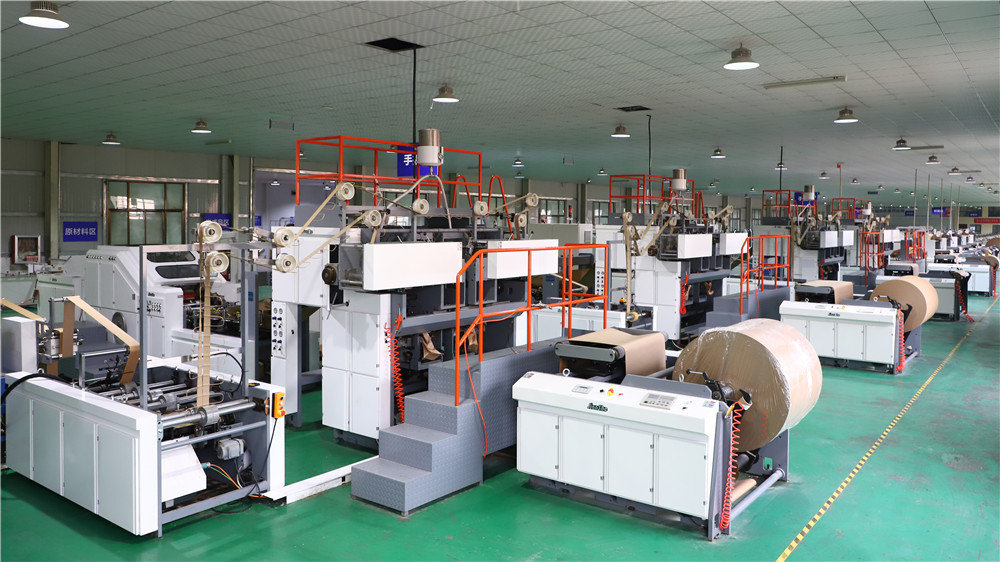
Our manufacturing complex utilizes advanced thermoforming, automated molding, and precision cutting technologies to ensure consistent quality across production runs. Below are the key stages of our manufacturing and assembly lines, which demonstrate our focus on precision at every step:
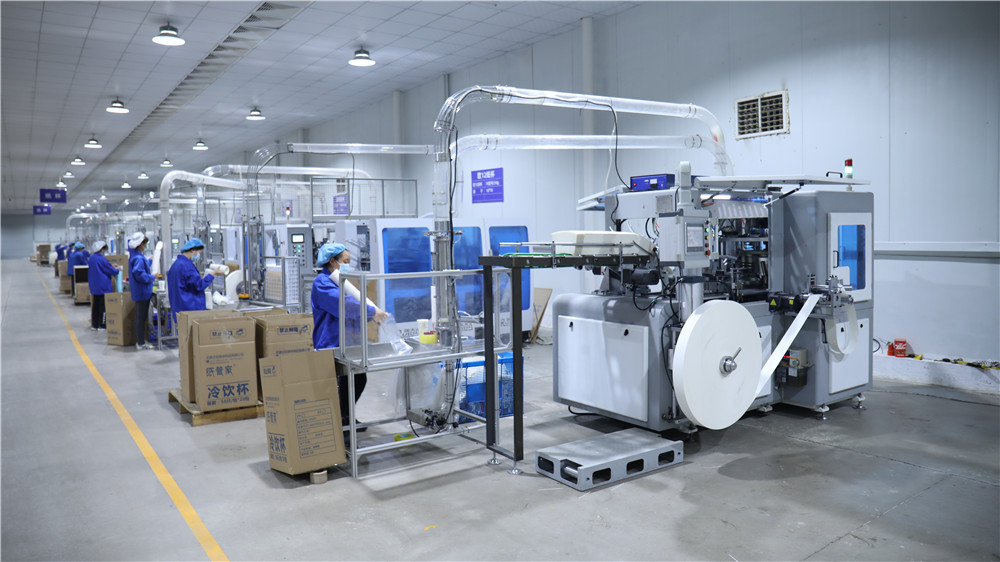
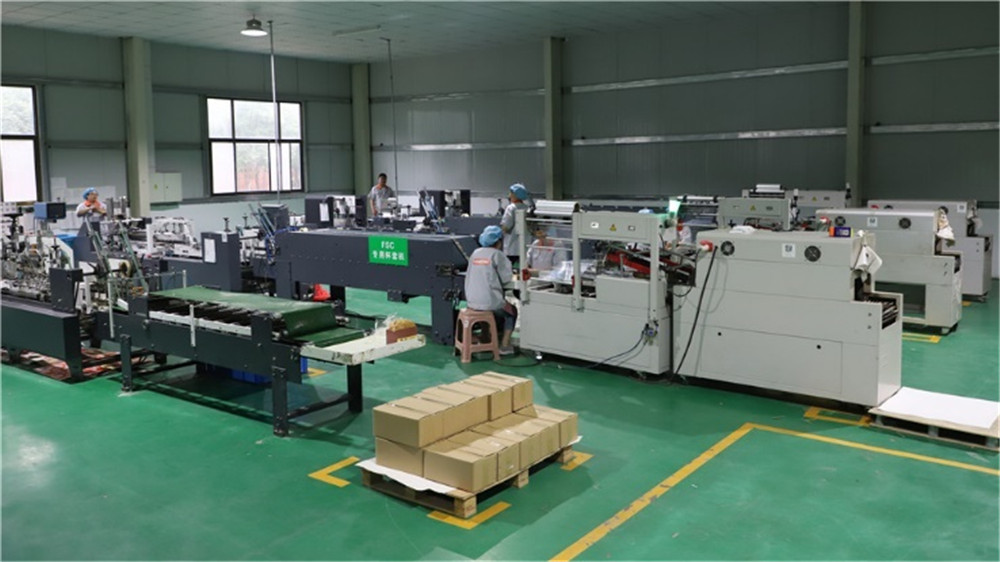


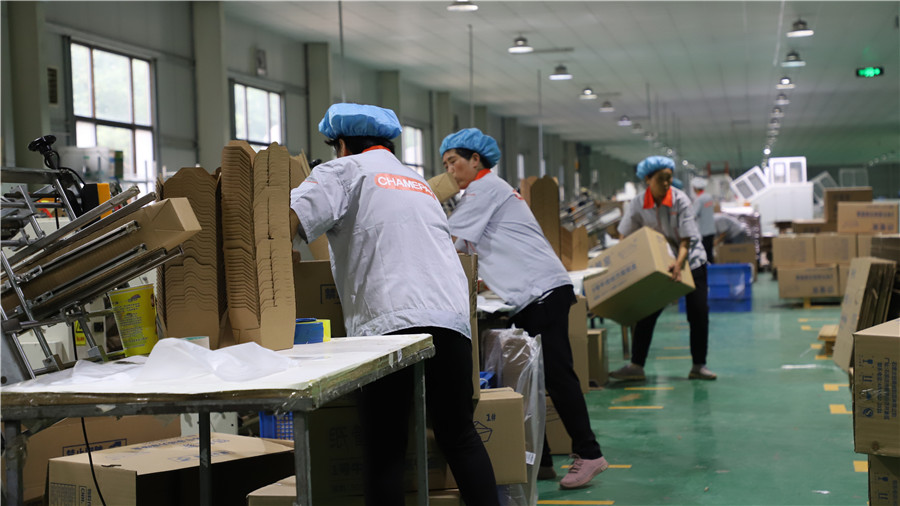
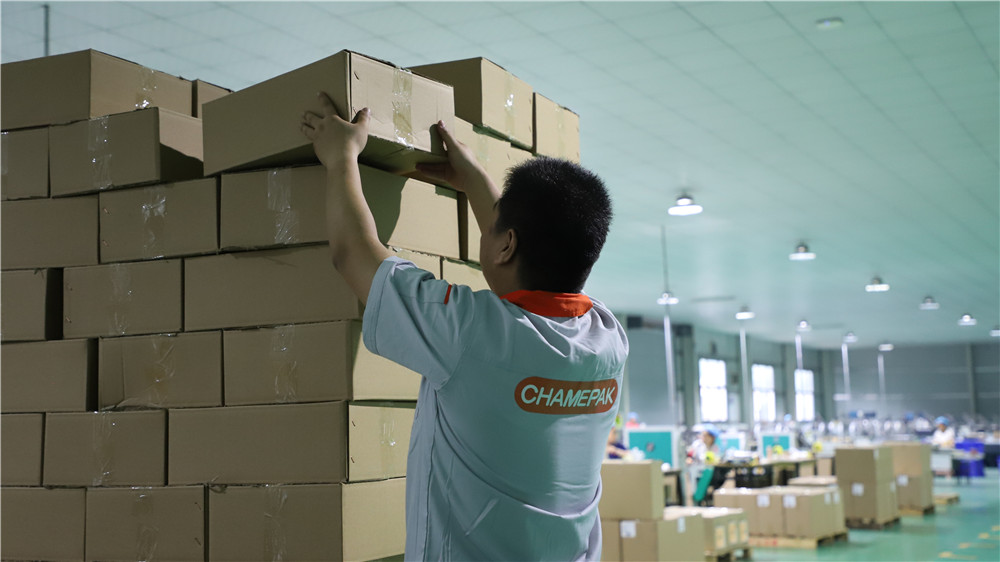
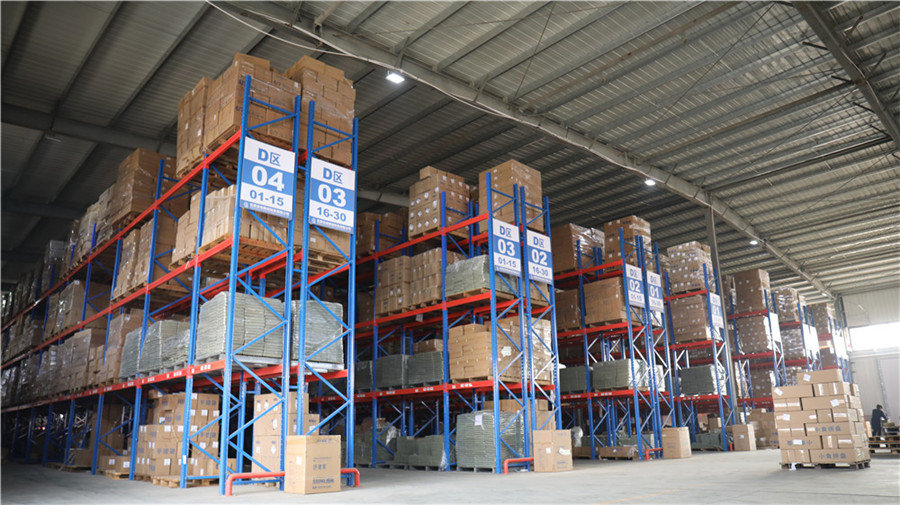
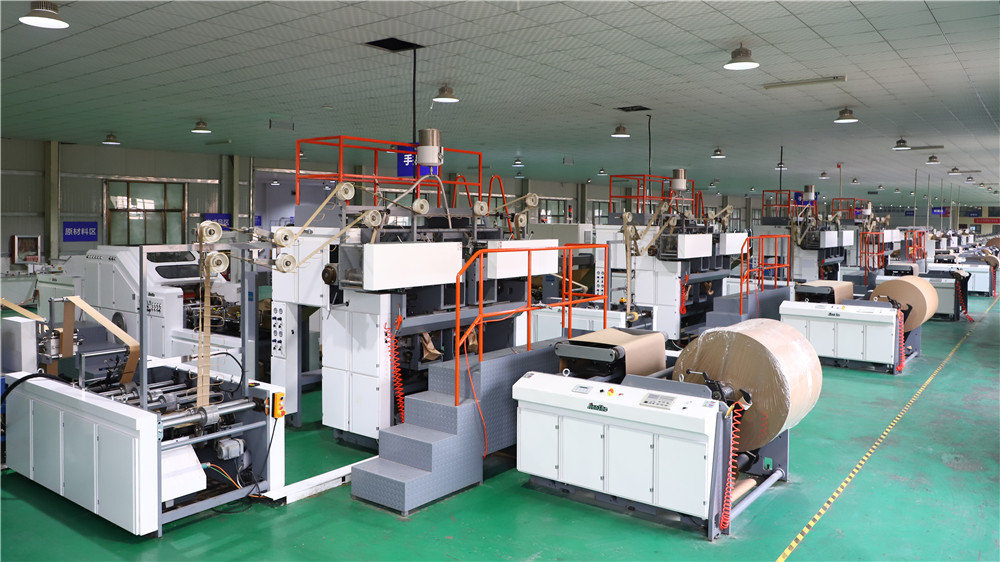
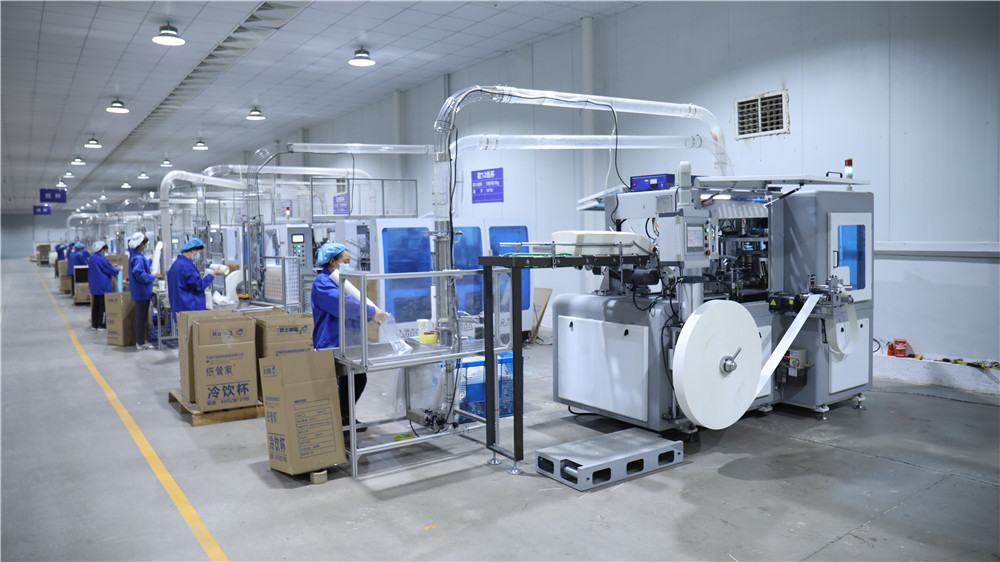
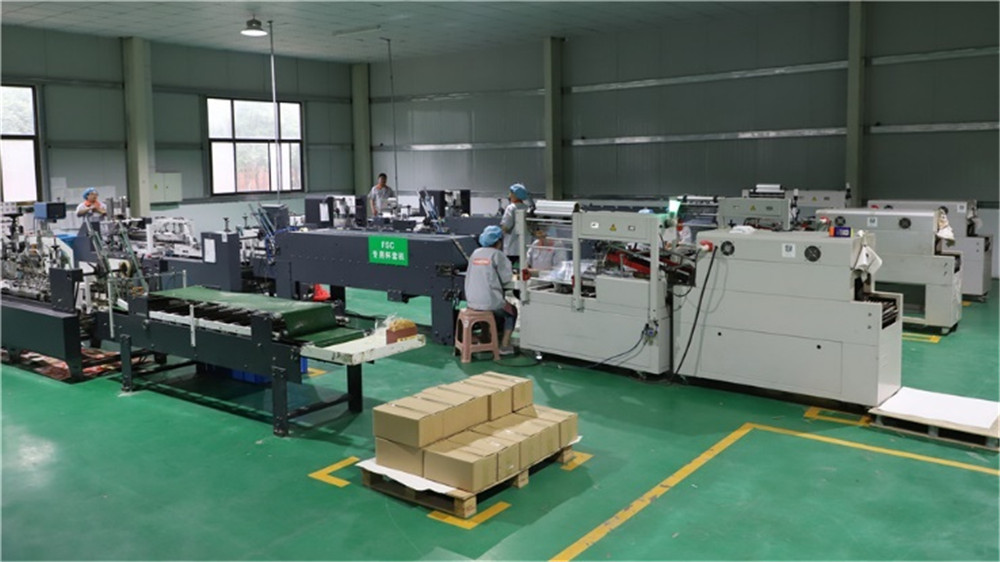
Developing high-performance, non-plastic tableware requires managing complex material properties. Untreated plant fibers are naturally hydrophilic and lack the structural integrity required to contain hot liquids or greasy foods. To address these challenges, Shandong PsiPrime Packaging Co., Ltd. uses a proprietary mechanical and thermal refinement process to create specialized tableware formulations:
Selling B2B products internationally requires strict compliance with food contact safety and environmental standards. Standard plastic polymers are subject to chemical migration limits. Similarly, plant-fiber products must undergo rigorous testing to verify they do not contain harmful heavy metals, pesticide residues, or non-approved synthetic additives. Shandong PsiPrime Packaging Co., Ltd. complies with major international regulatory frameworks through comprehensive certifications:
Verified compliant with FDA and EU Regulation No. 1935/2004 requirements. We use only food-grade raw materials to ensure safety under a wide range of operational temperatures.
Tested and certified to meet European standard EN 13432 and US standard ASTM D6400. Products decompose into water, CO2, and organic biomass in commercial composting facilities without leaving harmful chemical residues.
Our manufacturing centers operate under ISO 9001, ISO 14001, and ISO 22000 management standards, ensuring consistent quality, batch traceability, and high hygienic standards.
Our plant-fiber products are engineered to perform reliably across a variety of demanding commercial and industrial food service environments. Because different food products present unique moisture and fat profiles, our materials are tailored to meet specific real-world demands:
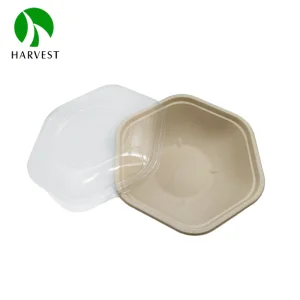
Engineered to prevent oil breakthrough, our containers keep delivery meals hot and fresh without softening. Secure lids help prevent leaks during transport.
Designed for easy stacking and handling, our lightweight, break-resistant tableware helps high-volume corporate and institutional kitchens operate efficiently.
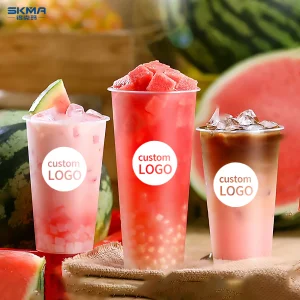
We support corporate sustainability initiatives with custom embossed logos, unique shapes, and specialized dimension molding, helping brands stand out.
At Shandong PsiPrime Packaging Co., Ltd., we continuously invest in materials science to improve the performance of plant-fiber tableware. Our R&D team is focused on developing new bio-based coatings, such as PHA (polyhydroxyalkanoates), which offer excellent water and grease resistance while remaining fully compostable in backyard gardens.
By streamlining our production lines and upgrading to high-speed automated forming systems, we have improved energy efficiency across our facilities. We are also working toward zero-waste production by recycling pulp trimmings back into our feedstock loop, supporting our long-term goals for circular manufacturing.
Review key technical, logistical, and material questions to support your procurement decision-making processes.
 PsiPrime Packaging