Direct supply line of eco-packaging and green catering solutions engineered for reliability, safety, and brand value.
Navigating Material Science, Global Policy Compliance, and Supply Chain Integrity in Sustainable Foodservice Sourcing.
The global food packaging market is undergoing a seismic structural shift. Urged by strict regulatory frameworks—such as the European Union’s Single-Use Plastics Directive (SUPD), state-wide PFAS bans across North America, and strict carbon accounting requirements under ESG reporting—foodservice platforms, brand owners, and hospitality giants are actively phase-out petroleum-based plastics in favor of sustainable packaging. Among these solutions, plant-based fiber bowls have emerged as the gold standard for hot, oily, and delivery-centric food applications.
However, sourcing high-performance molded pulp items at global scale is a complex process. Enterprise buyers must evaluate critical parameters: water and oil barrier integrity, thermal stability, heavy metals safety compliance, and regional certifications (e.g., BPI, DIN CERTCO, TUV OK Compost). This comprehensive guide is designed by global procurement experts to analyze the top supplier ecosystems, assess material compositions, and evaluate production technologies, providing key purchasing managers with the information gain required to execute long-term, low-carbon sourcing strategies.
Strict global adherence to FDA 21 CFR, LFGB, and emerging state-level regulations limiting fluorinated compounds (PFAS) in food-contact interfaces.
Engineered tolerance for temperature thresholds from -20°C up to 120°C, ensuring leakproof performance in microwavable and delivery logistics.
Transitioning from linear "take-make-waste" pathways to 100% biological degradation within 90 days in certified municipal composting facilities.
A reliable leader in high-volume production of compostable foodservice wares and customizable eco-friendly solutions.
Shandong PsiPrime Packaging Co., Ltd. is committed to advancing sustainable packaging solutions and promoting the reduction of single-use plastics, helping foodservice and food-related industries transition toward more environmentally responsible operations.
The company strongly believes that biodegradable and compostable packaging materials represent the future of sustainable development. It actively promotes the concept of “plastic alternatives” and works to raise awareness of eco-friendly packaging across global markets. With extensive industry experience and a reliable supply chain, we provide high-quality, sustainable food packaging solutions to customers in many countries and regions.
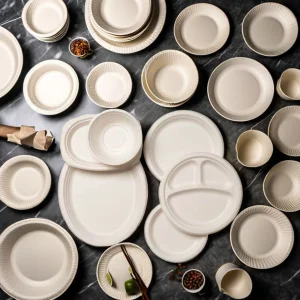
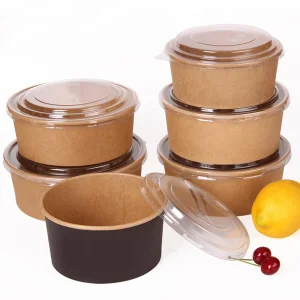
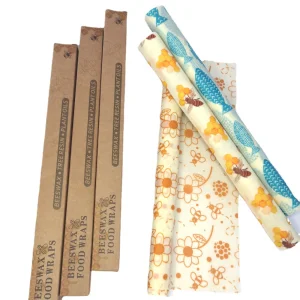
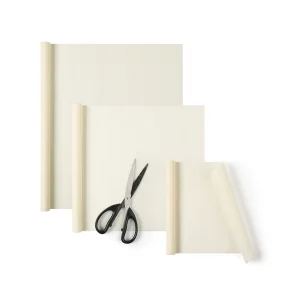
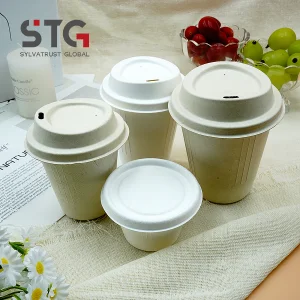
Specializing in the research, development, and manufacturing of eco-friendly food-grade packaging products, Shandong PsiPrime's product portfolio includes compostable food containers, paper-based food packaging, eco-friendly paper bags, food wrapping paper, and disposable catering supplies. These solutions are designed to meet the diverse needs of restaurants, food delivery platforms, food processors, and retail businesses.
The company is dedicated to a customer-centric philosophy, offering one-stop customization services ranging from product design and material selection to custom printing. This enables clients to build strong, recognizable brand packaging while maintaining sustainability goals. At the same time, we emphasize stable delivery performance and strict quality control to ensure efficient and reliable global supply. Through continuous improvements in production processes and supply chain management, Shandong PsiPrime Packaging Co., Ltd. enhances both cost efficiency and operational reliability, supporting clients in achieving sustainable growth in competitive markets.
Looking ahead, the company will continue investing in innovation in biodegradable materials and expanding the application of compostable products across more industries, working together with global partners to build a low-carbon, environmentally friendly, and sustainable future.
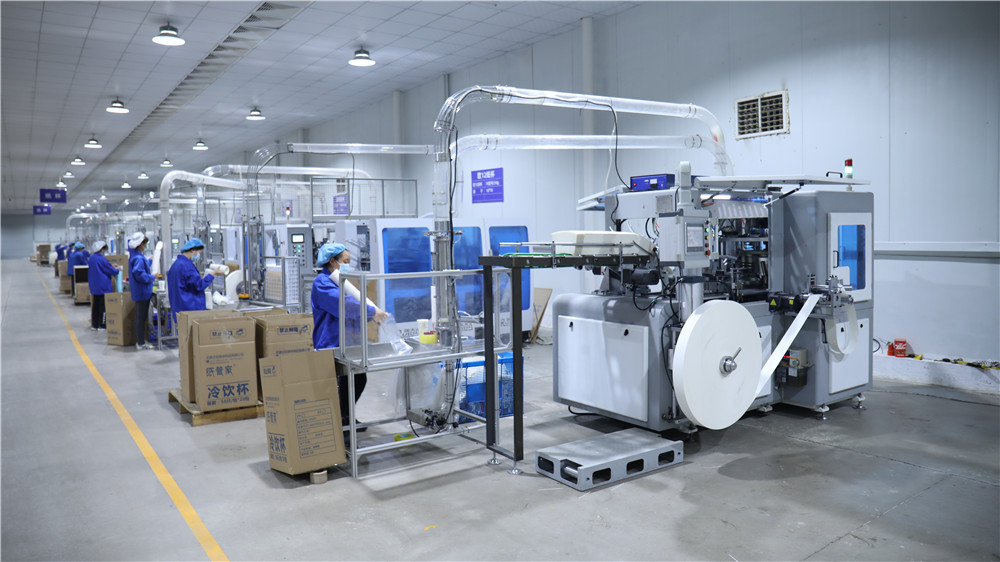
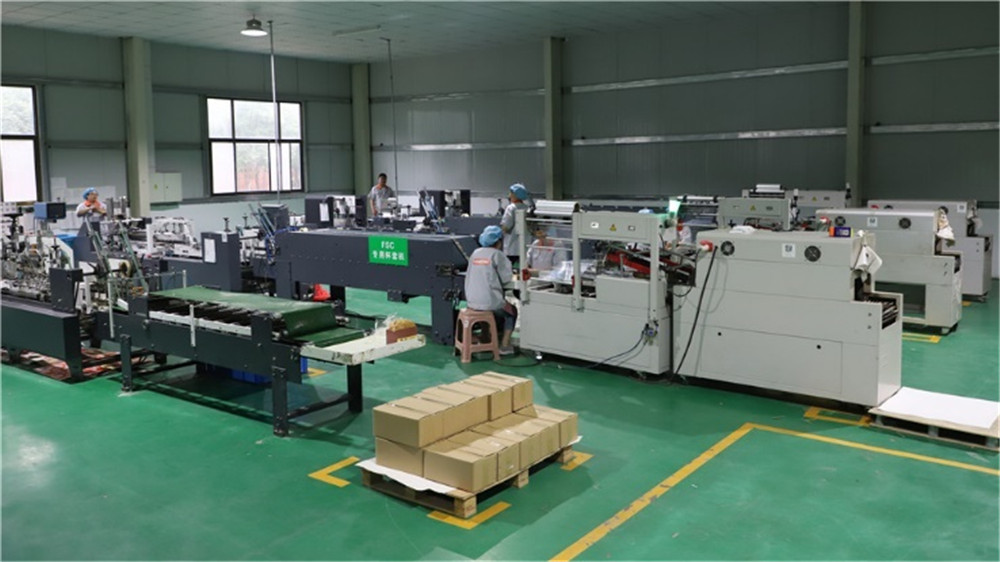
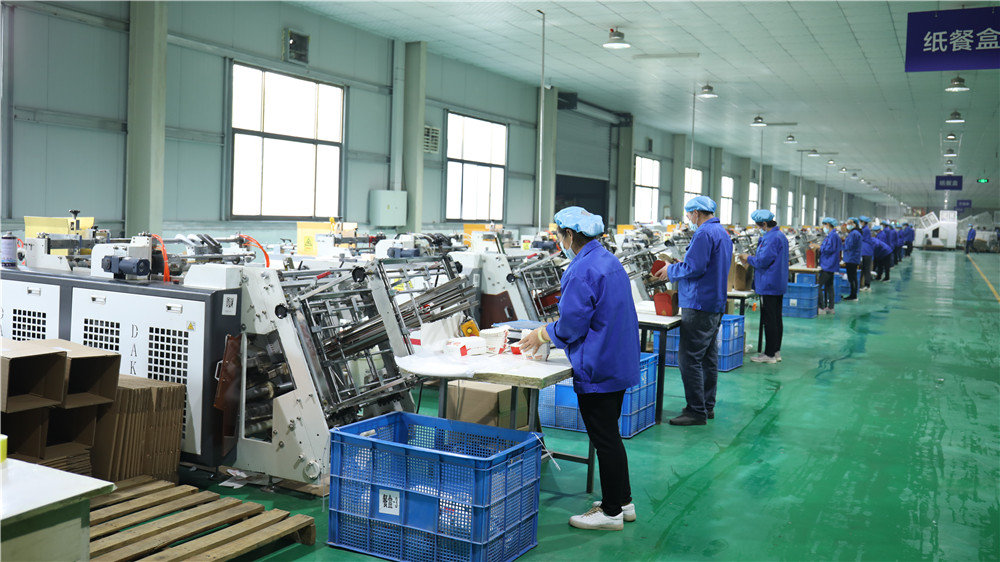
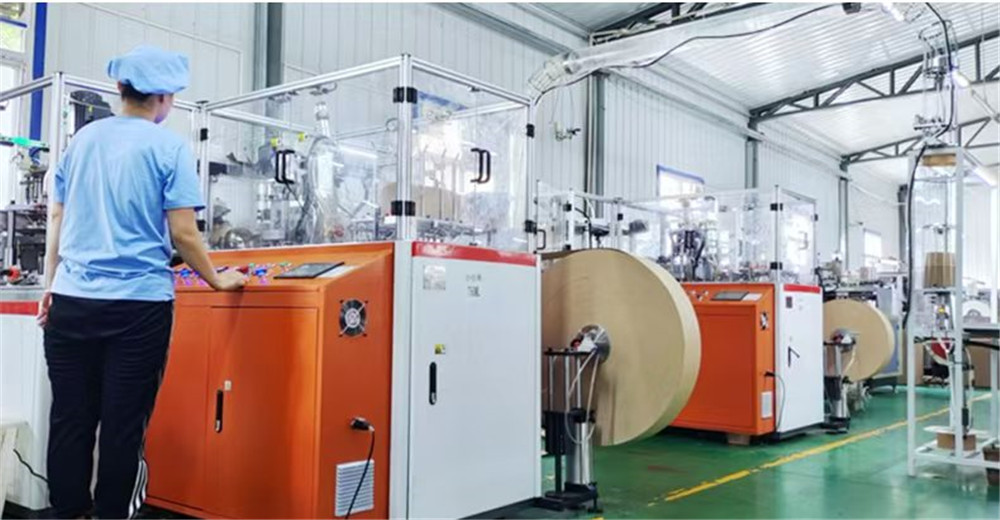
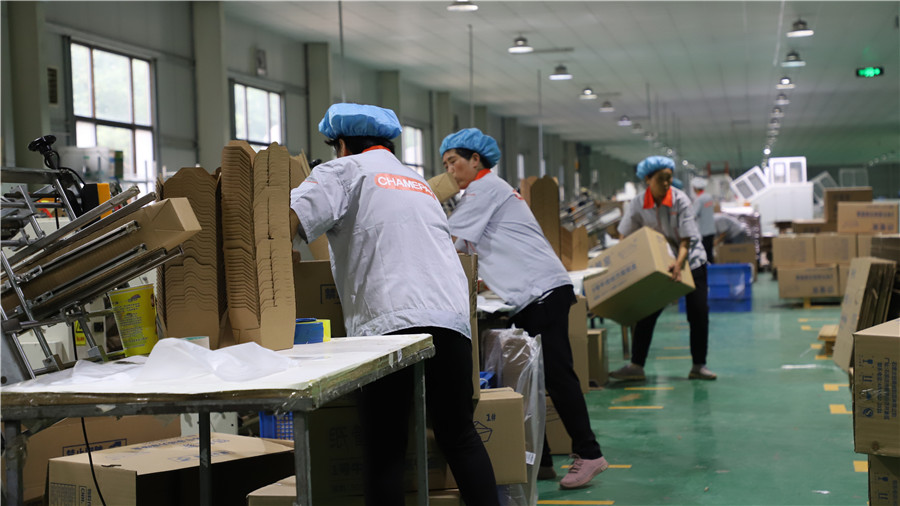
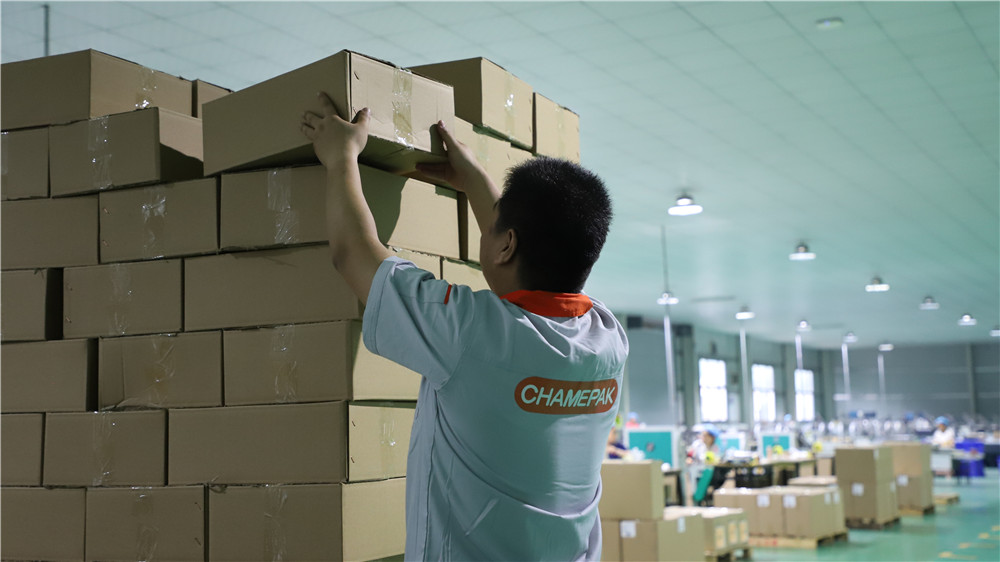
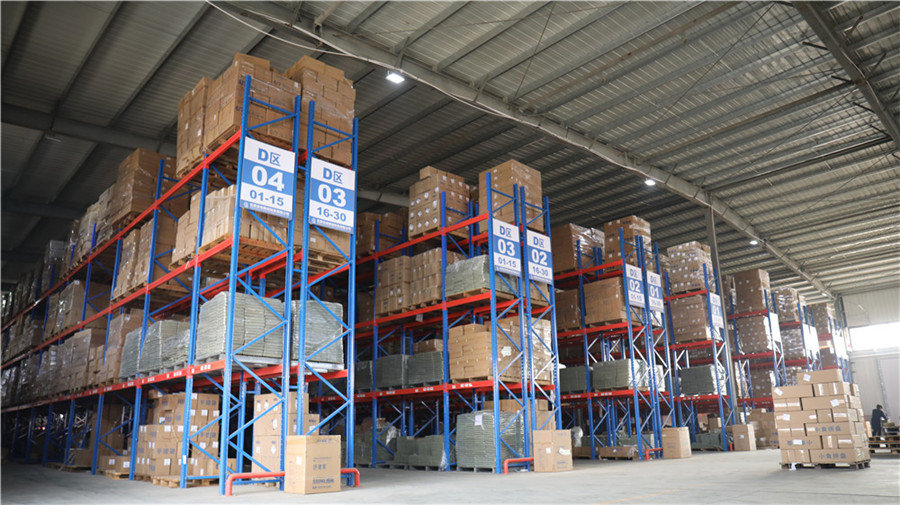
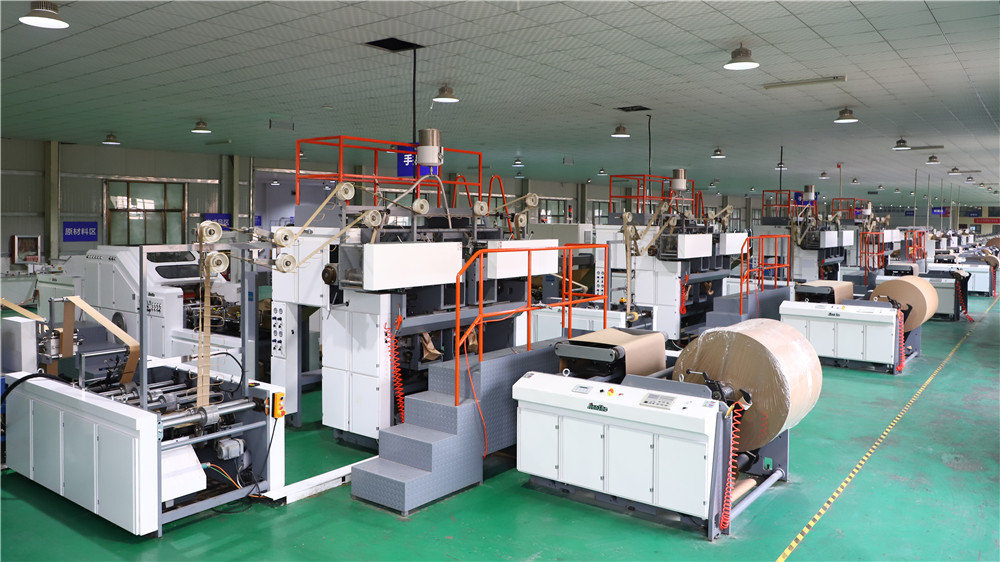
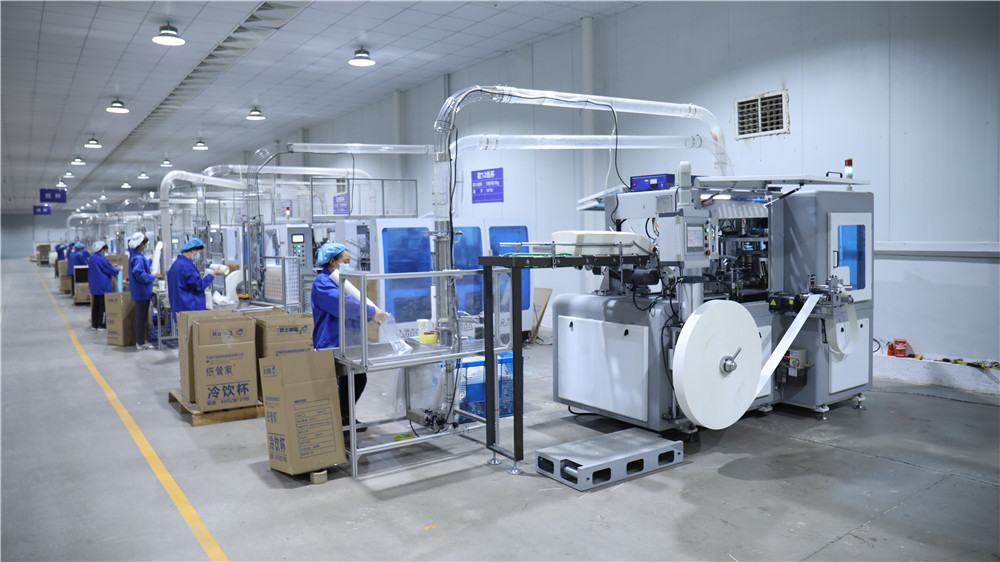
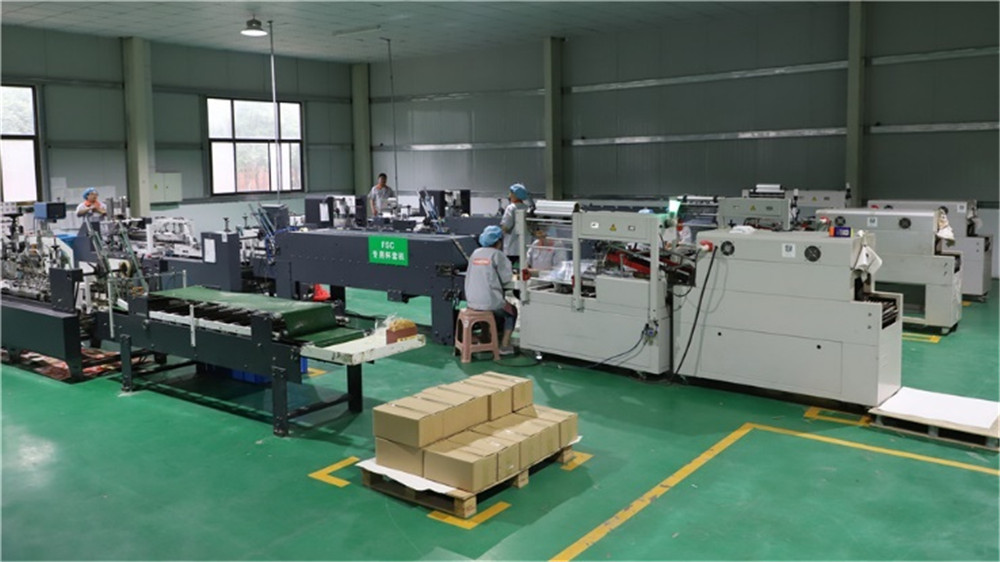
Why international brands rely on Chinese production clusters for scale, speed, and cutting-edge material engineering.
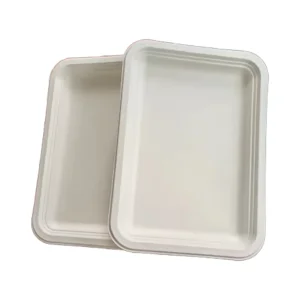
China is home to the world's most robust agricultural residue processing networks. Modern plant-based fiber factories are situated close to sugarcane growing provinces (such as Guangxi) and bamboo-rich zones. This minimizes raw material transport emissions and ensures a constant, secure supply of pulp. Integrating raw material collection, refining, and wet-pulp preparation directly at the factory gate lowers costs and carbon impact.
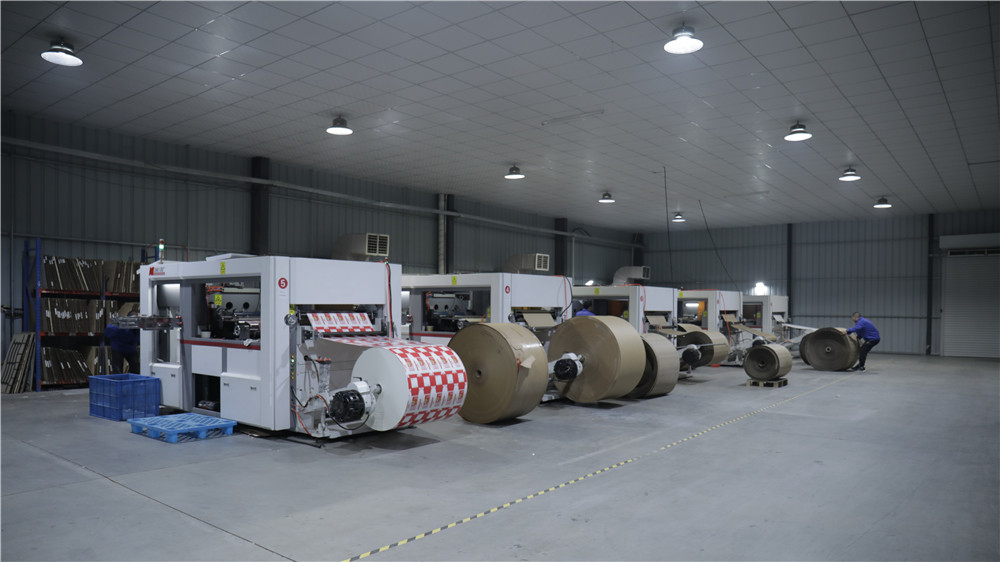
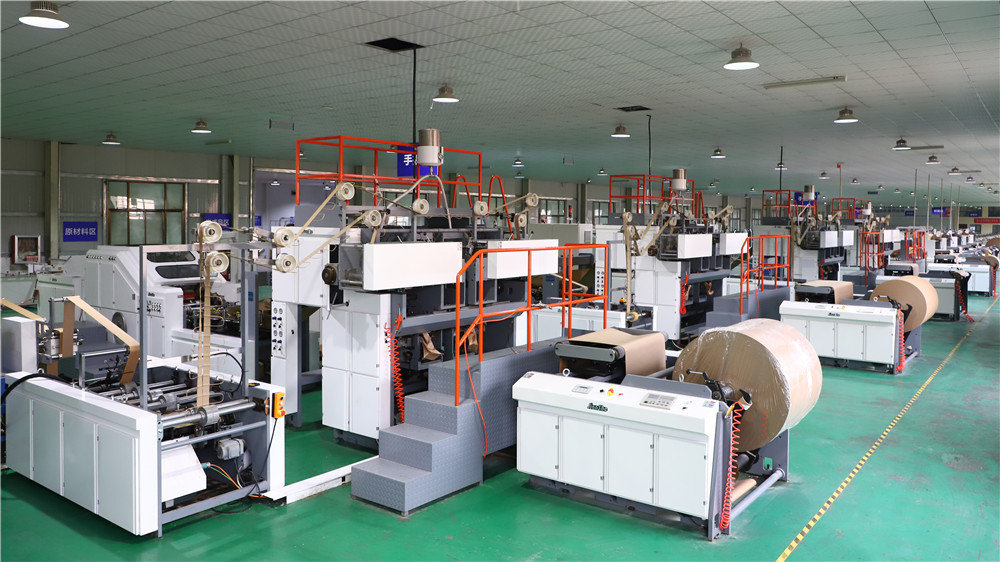
Unlike smaller production sites globally, Chinese manufacturers deploy high-tonnage multi-station hydraulic molding presses. These lines use CNC-milled aluminum or copper molds to yield consistent thickness, smooth edges, and reliable locking lids. This machinery produces millions of units daily, allowing manufacturers to absorb supply shocks and handle high-volume B2B supply lines easily.
Chinese suppliers lead the industry in custom product development:
A data-backed look at the physical properties, temperature limits, and environmental metrics of raw materials.
| Material Type | Tensile Strength | Max Hot Temp (°C) | Water & Oil Barrier | Composting Period | Visual & Aesthetic Finish |
|---|---|---|---|---|---|
| Sugarcane Bagasse | Excellent | 120°C (Hot Oil/Water) | High (Additives Required) | 60 - 90 Days | Clean, warm-white, natural texture |
| Bamboo Fiber | Superior | 110°C | High | 90 - 120 Days | Warm brown, premium woody texture |
| Wheat Straw Pulp | Medium | 100°C | Medium-High | 60 - 90 Days | Light golden, rustic look |
| PLA-Lined Paper | High | 85°C (Lid Limited) | Excellent (Barrier Film) | 120+ Days (Industrial) | Smooth, bleached white or brown |
| Recycled Paper Pulp | Low | 60°C (Non-food Direct) | Low (Needs liners) | Varies | Greyish, speckled industrial look |
Addressing supply chain friction, compliance risk, and logistics optimization for sustainable bulk purchase.
Increasing bans on per- and polyfluoroalkyl substances (PFAS) in food packaging pose import risks. Standard oil-resistant compounds historically used fluorinated barrier agents.
✔ Solution: Partner with factories deploying third-party certified PFAS-free (biodegradable polymer emulsion) agents complying with ASTM D6868 standards.
Molded pulp bowls are bulky. Sourcing lightweight yet high-volume items drives up shipping unit-costs during periods of ocean freight volatility.
✔ Solution: Optimize nestability ratios in the CAD stage. High-density stacking decreases packaging volume, increasing container space utilization by up to 25%.
Customs delays and heavy fines occur when imported disposable wares lack recognized regional composting certificates.
✔ Solution: Ensure suppliers hold authentic, traceable certifications such as BPI (US), TUV OK Compost Home/Industrial (Europe), and ABA (Australia).
Technological trends changing the design, function, and circular value of fiber tableware.
New plant coatings like PHA (polyhydroxyalkanoates) and aqueous dispersions provide natural moisture and oil resistance without sacrificing fast soil-compostability.
Fibers from local crops like hemp, tomato stalks, and coconut husks are blended with sugarcane pulp, improving structural strength and creating a circular supply chain.
Smart manufacturing lines use optical monitoring and weight sensors during pulp deposition, reducing material waste and ensuring consistent weight across all products.
Expert insights on safety, shelf life, and customized product options for corporate buyers.
Explore our wide range of biodegradable, food-safe paper bags, wraps, and takeaway products.
 PsiPrime Packaging