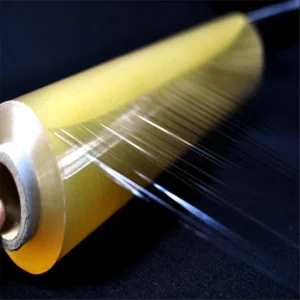
Explore our foundational range of eco-responsible packaging alternatives engineered for global commercial distribution.
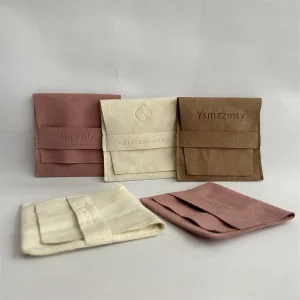
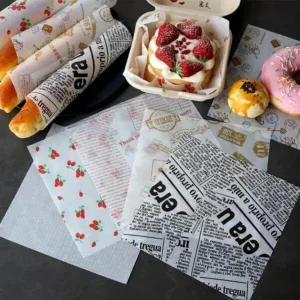
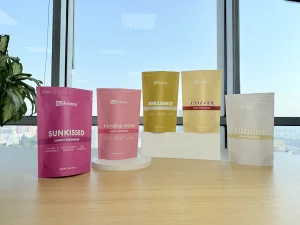
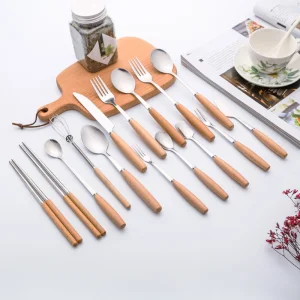
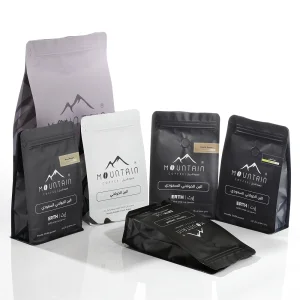
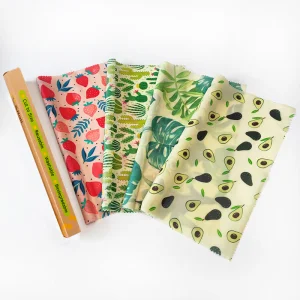
As the global hospitality, packaging, and retail sectors navigate intensive legislative updates targeting single-use plastics, the demand for highly reliable, compostable alternative ware has intensified. Shandong PsiPrime Packaging Co., Ltd. stands at the forefront of this industrial transition, combining rigorous materials research with scalable, custom manufacturing capabilities.
"We believe that biodegradable and compostable packaging materials represent the absolute future of ecological development. By executing structural 'plastic alternatives,' we actively raise global market standards for green catering packaging."
Shandong PsiPrime Packaging Co., Ltd. specializes in the research, development, and manufacturing of premium, food-grade packaging products. Our comprehensive portfolio includes compostable food containers, paper-based food packaging, eco-friendly paper bags, food wrapping sheets, and disposable catering supplies designed specifically to support restaurants, food delivery platforms, processors, and mass-market retailers in achieving circular economics.
Analyzing the resource localization, industrial cluster concentration, and processing advantages of Chinese manufacturers.
China holds over 6.01 million hectares of bamboo forest resources, with Mao Bamboo serving as the premier material for structural tableware. Growing up to 1 meter per day, it is harvested selectively every 3 to 5 years without destroying the root systems, providing an endlessly renewable yield advantage over traditional hardwoods.
From local forest harvesting to high-speed hydraulic hot-pressing facilities, Chinese manufacturers leverage highly localized clusters (primarily in Fujian, Zhejiang, and Shandong provinces). This tight spatial proximity drastically reduces domestic logistics costs and optimizes raw-material-to-finished-good turnaround speeds.
Modern Chinese plants employ advanced automated multi-cavity hot-pressing molds and high-speed CNC trimming systems. This ensures a consistent density (typically between 750–850 kg/m³), eliminating warping, splintering, or delamination, and resulting in structural safety indicators that outperform basic softwoods.
Sustainable development is no longer optional. Let us examine the technological data and macro trends directing B2B sourcing decisions.
Directives like the European Union's Single-Use Plastics Directive (SUPD) and various state-level bans in the USA are driving foodservice brands to replace plastic ware with certified compostable alternatives.
Bamboo plates act as a carbon sink during their growth phase. They exhibit a significantly lower carbon footprint than petroleum-based plastics and use up to 90% less water than bagasse-based paper alternatives during processing.
Unlike standard bioplastics (PLA) which soften around 50°C, high-grade thermoformed bamboo plates comfortably withstand temperatures from -20°C up to 120°C, making them highly compatible with hot meals.
When discarded into municipal or home composting systems, natural bamboo plates degrade fully into organic biomass within 90 days, avoiding the microplastic residues associated with conventional plastics.
From high-volume QSR chains to premium events, bamboo tableware meets the needs of diverse commercial use cases.
Quick Service Restaurants require rigid, lightweight plates that can handle high-temperature foods and dressings without leaking. Thermoformed bamboo plates provide excellent resistance to oil and moisture without the need for synthetic PFAS linings.
For large-scale corporate catering, traditional single-use paper plates can feel flimsy. Bamboo plates offer a premium, natural look and structural strength, raising the visual appeal of buffet stations and dining areas.
Meal prep services and corporate canteens need highly stackable, secure packaging. Our bamboo-based solutions are designed for compact storage, helping delivery services optimize cargo space and maintain transport efficiency.
A closer look at our high-speed thermoforming machinery, clean-room assembly, and packaging systems.
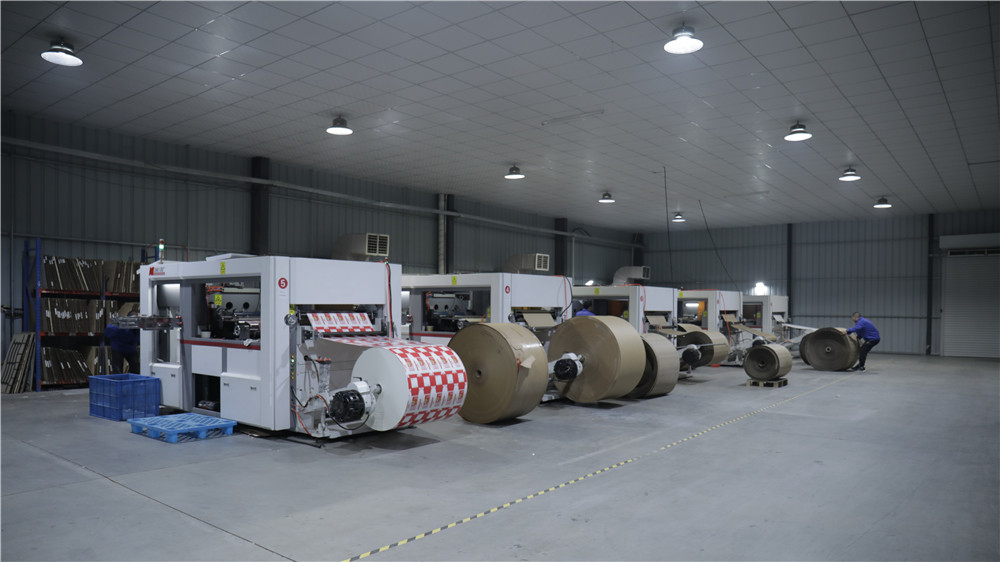
Cutting
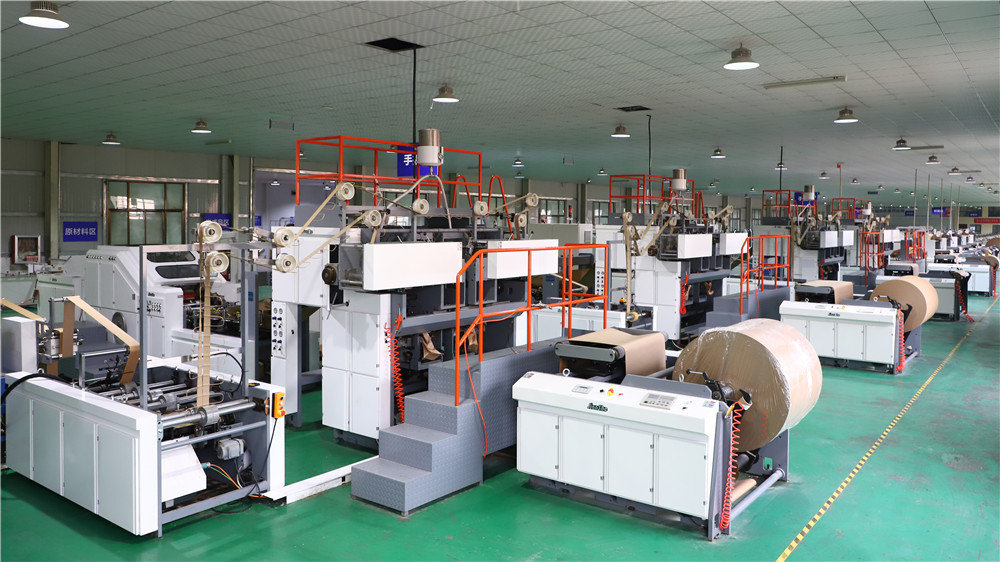
Paper Bag Making
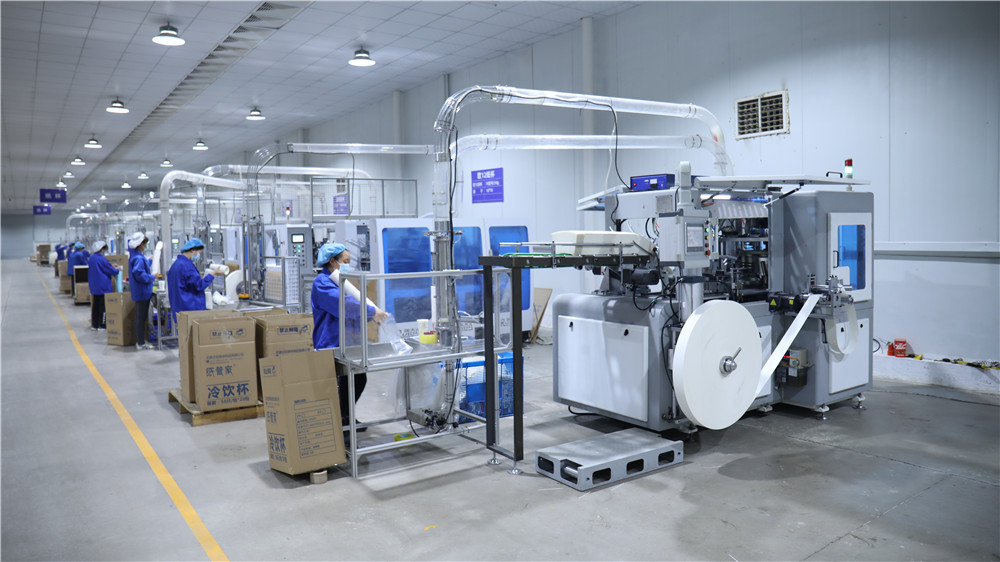
Paper Cup Making
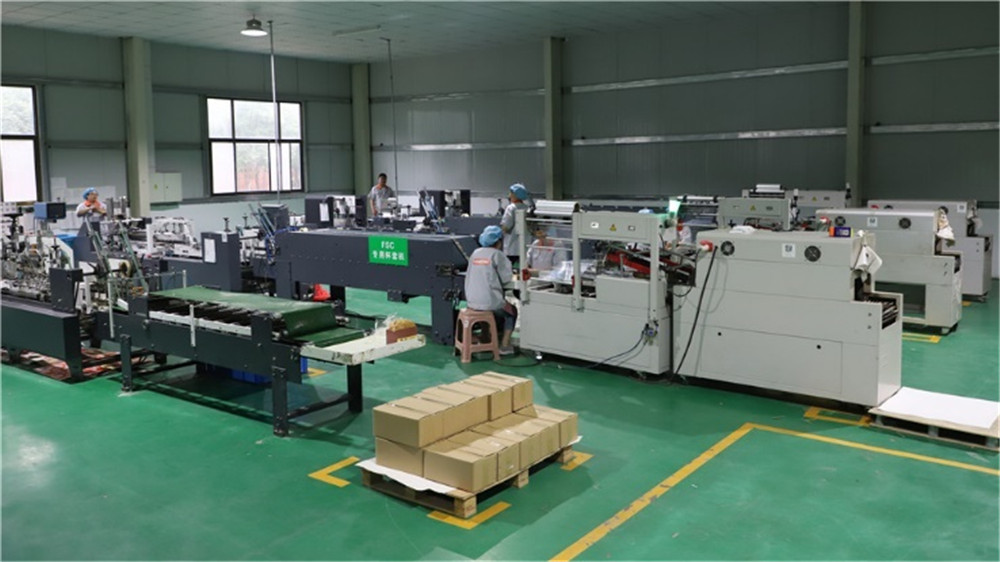
Paper Cup Sleeve Making
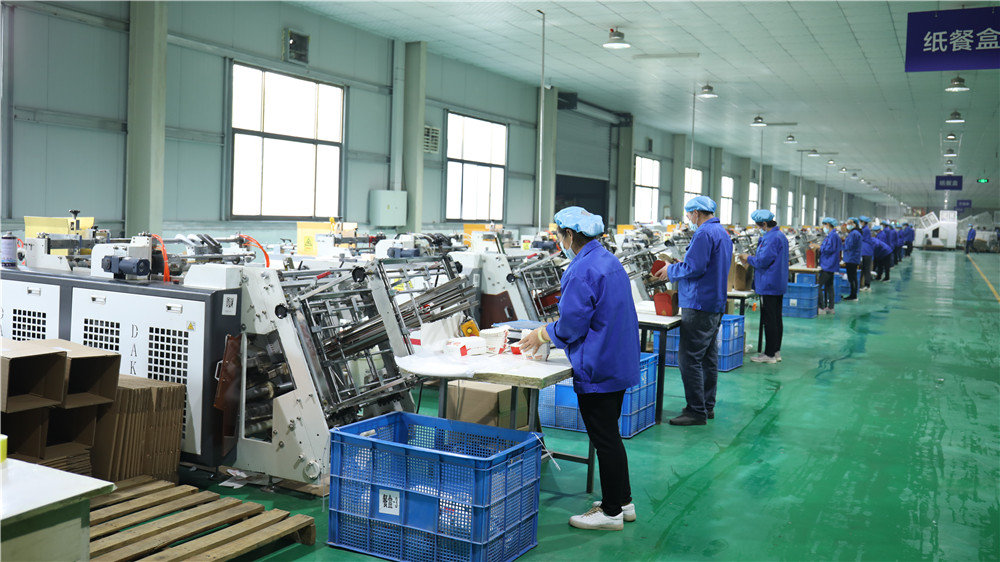
Paper Box Making
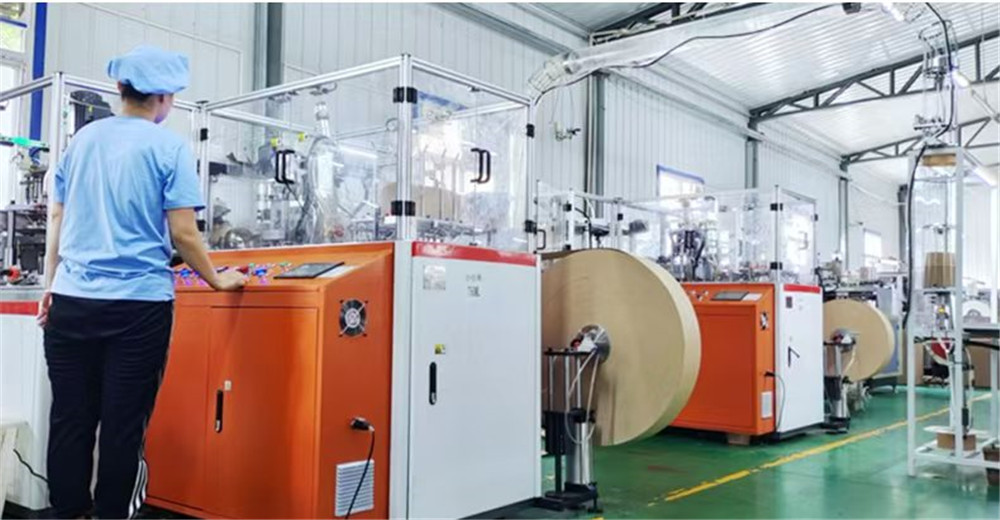
Paper Bowl Making
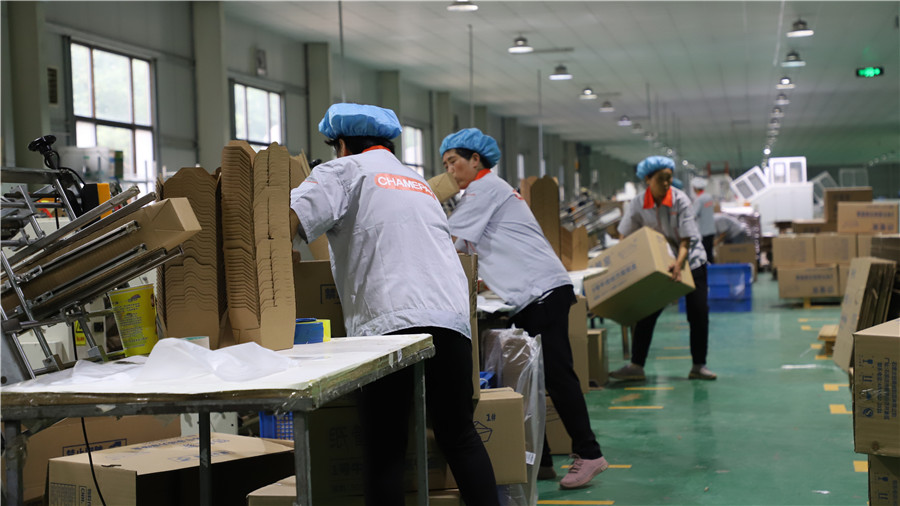
Checking
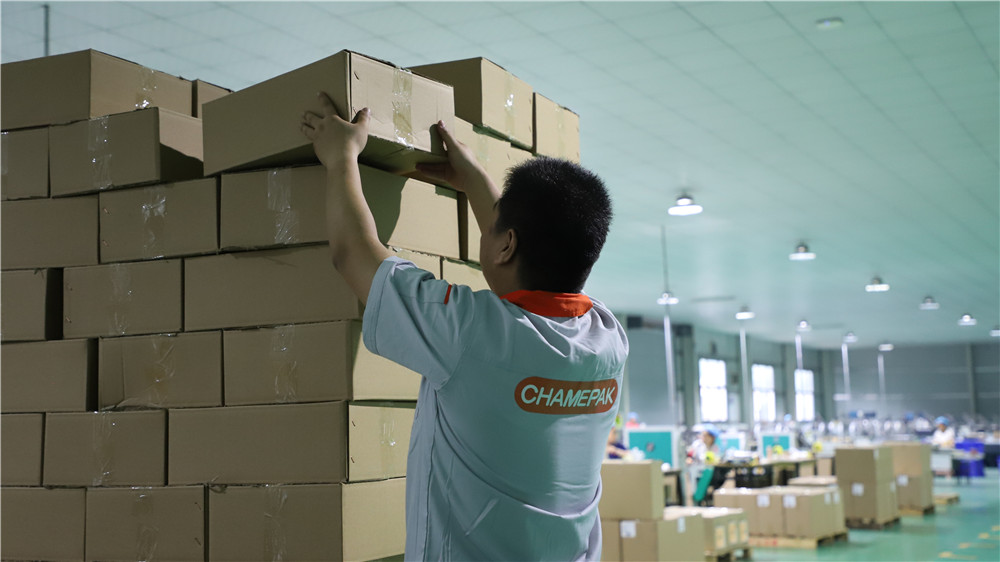
Packing
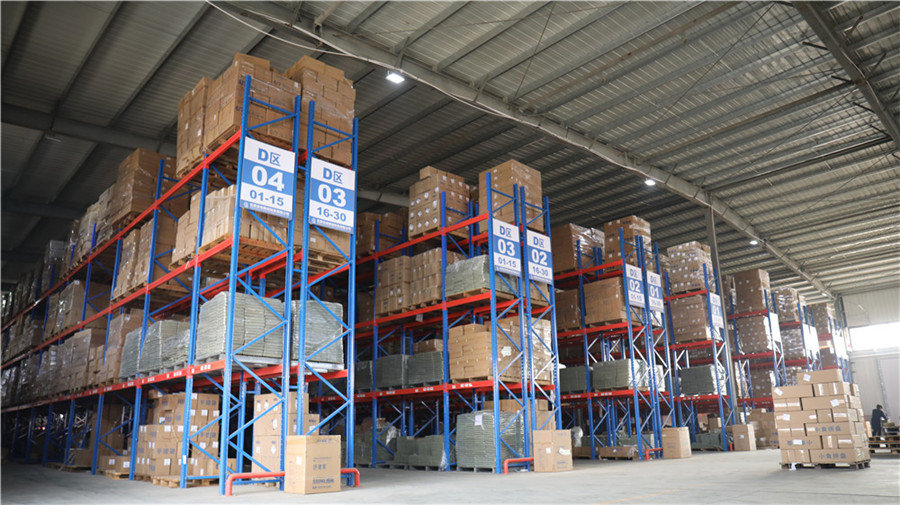
Finished Products
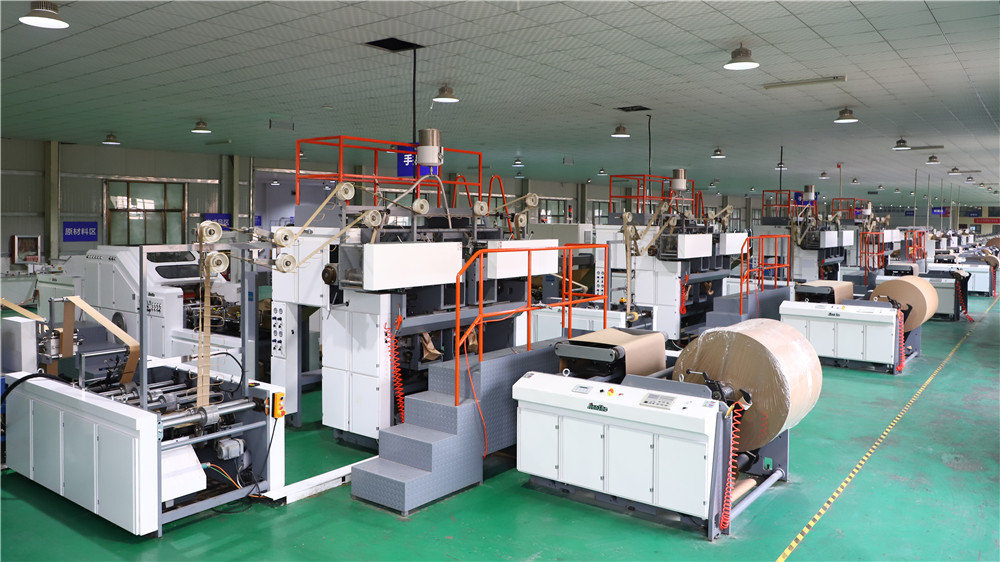
Paper Bag Forming Machine
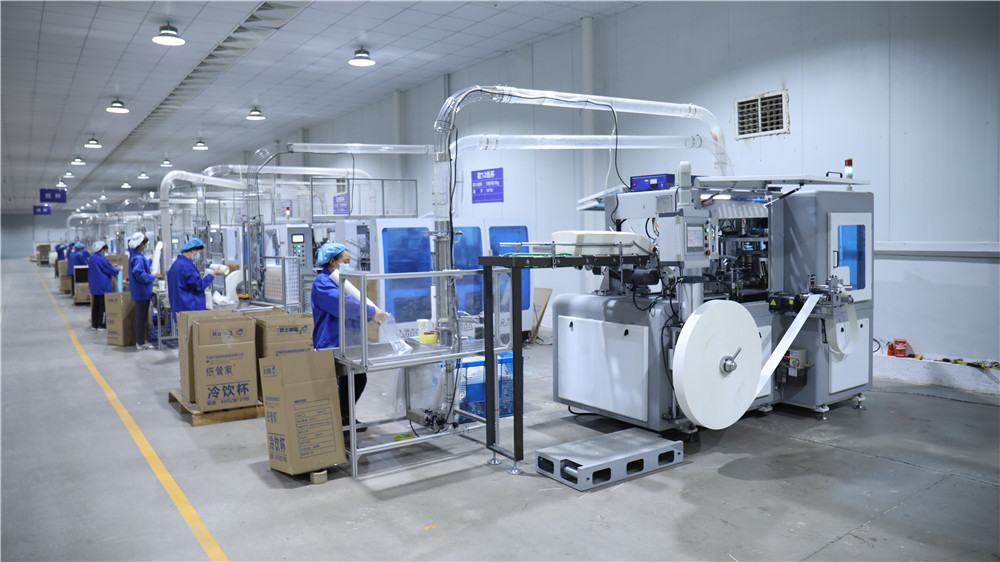
Paper Cup Forming Machine
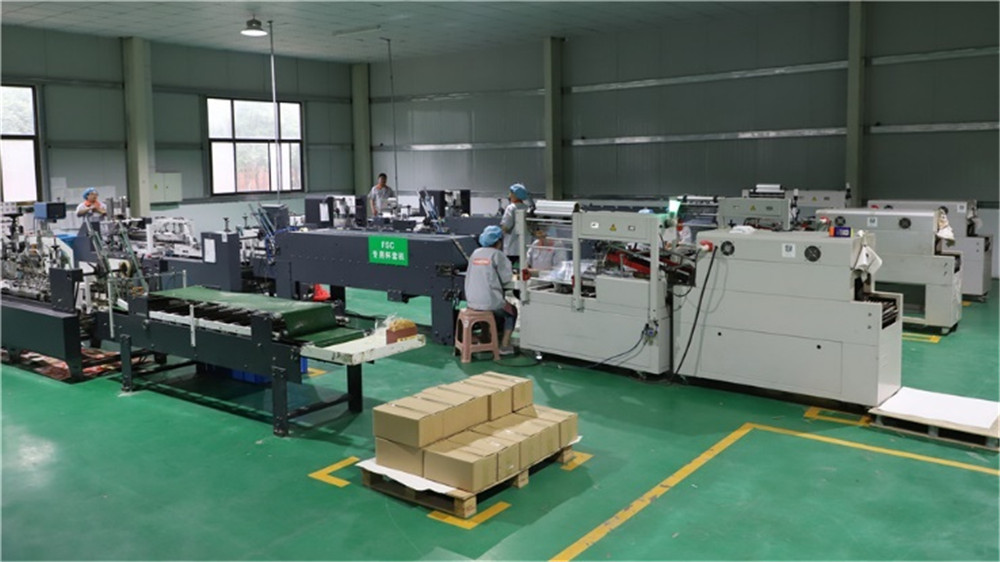
Paper Cup Sleeve Forming Machine
For enterprise buyers, sourcing sustainable packaging requires strict adherence to international safety standards, reliable logistical support, and consistent quality metrics.
All products comply with major global food safety regulations. We maintain certifications including FSC (Forest Stewardship Council) for traceably sourced materials, LFGB (Germany), FDA (USA), and EN 13432 for compostability.
Our in-house design team creates custom molds for unique shapes, divided sections, and branded embossing, providing structural proof-of-concepts within 7-10 working days.
To balance storage efficiency and manufacturing setup times, we offer flexible MOQ tiers for custom printing. We support global FOB, CIF, and DDP shipping configurations with clear tracking updates.
Expert answers to key technical, safety, and logistical questions frequently asked by B2B buyers.
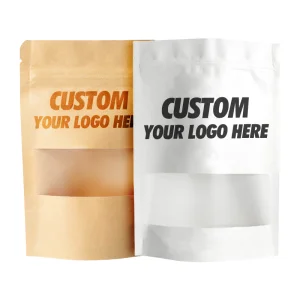
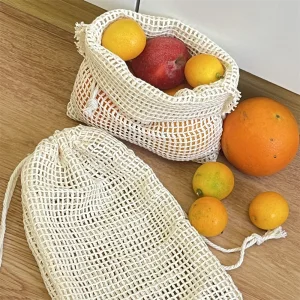
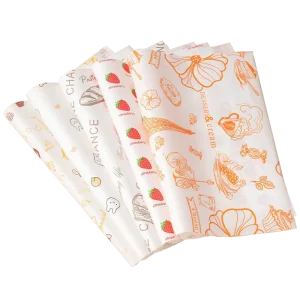
Explore our secondary lineup of food-grade containers, wrap materials, and protective packaging solutions.

 PsiPrime Packaging