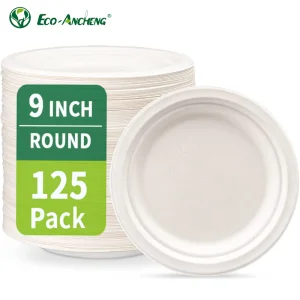
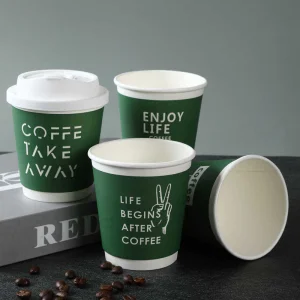
Explore our top-tier biodegradable and eco-friendly solutions engineered for modern cold chain logistics and fresh food distribution.
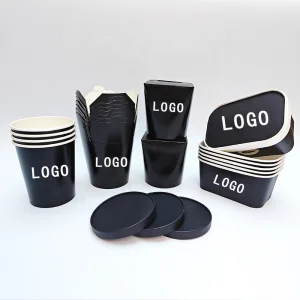
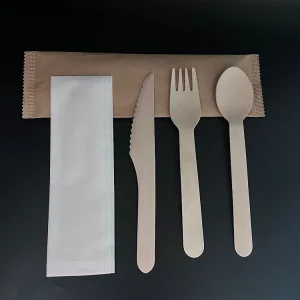
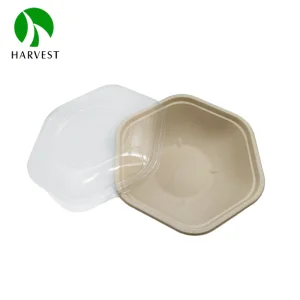
The global agriculture sector is undergoing a profound paradigm shift. Driven by tightening municipal regulations on single-use plastics, expanding ESG directives, and changing consumer habits, the demand for sustainable agricultural packaging has reached unprecedented heights. Statistically, post-harvest losses due to inadequate packaging account for up to 30-40% of agricultural production in developing regions, and approximately 10-15% in fully integrated cold chains. Fresh produce packaging is no longer just a vessel for containment; it is a critical instrument in preserving shelf-life, preventing physical damage, regulating ethylene accumulation, and securing consumer trust.
Historically, petrochemical-based plastics dominated the fresh produce industry because they were cheap and resisted water well. However, this came at a massive cost to the environment, filling ecosystems with non-biodegradable waste. Regulatory measures such as the European Union’s Single-Use Plastics Directive (SUPD), plastic bag bans across major states in America, and China’s strict environmental policies have forced agriculture distributors and major retail chains to seek bio-based, circular alternatives. Paper-based materials, biodegradable polymers, agricultural waste fibers (like sugarcane bagasse, bamboo, and straw), and zero-plastic shock-absorbing structures are rapidly replacing conventional polystyrene and plastic containers.
The E-E-A-T Perspective on Material Integrity: Real sustainability in fresh food logistics requires materials that biodegrade without leaving microplastics or toxic PFAS chemicals. True commercial viability is achieved when bio-based fibers match the mechanical performance, moisture barrier properties, and transport durability of traditional fossil-fuel polymers.
Shandong PsiPrime Packaging Co., Ltd. stands at the forefront of the sustainable packaging revolution. We specialize in the research, development, and high-speed manufacturing of eco-friendly, food-grade packaging products. Our extensive product portfolio includes compostable food containers, paper-based agricultural boxes, bio-degradable bags, and eco-friendly disposable catering supplies designed to support global food service groups, large-scale supermarkets, and fresh produce exporters in their transition to sustainable operations.
Located in Shandong Province, China—a region renowned for its integrated heavy industrial supply chains and deep logistics networks—our facility leverages advanced material science and high-capacity manufacturing lines. Our manufacturing ecosystem integrates raw fiber processing, precision molding, automated die-cutting, high-definition flexographic printing, and online quality inspection. This ensures every product meets strict food contact standards (including FDA compliance and European BfR recommendations) while keeping costs competitive.
As a customer-centric partner, Shandong PsiPrime Packaging Co., Ltd. provides full end-to-end ODM and OEM customization. From initial structural blueprints and material selection to high-precision customized printing, we work closely with our clients to design packaging that enhances brand identity while achieving measurable sustainability goals.
The efficiency of Chinese manufacturing is built on complete, integrated supply chain clusters rather than just low labor costs. At Shandong PsiPrime Packaging Co., Ltd., we combine geographical location, raw material proximity, and state-of-the-art automation to deliver high-quality products at competitive prices:
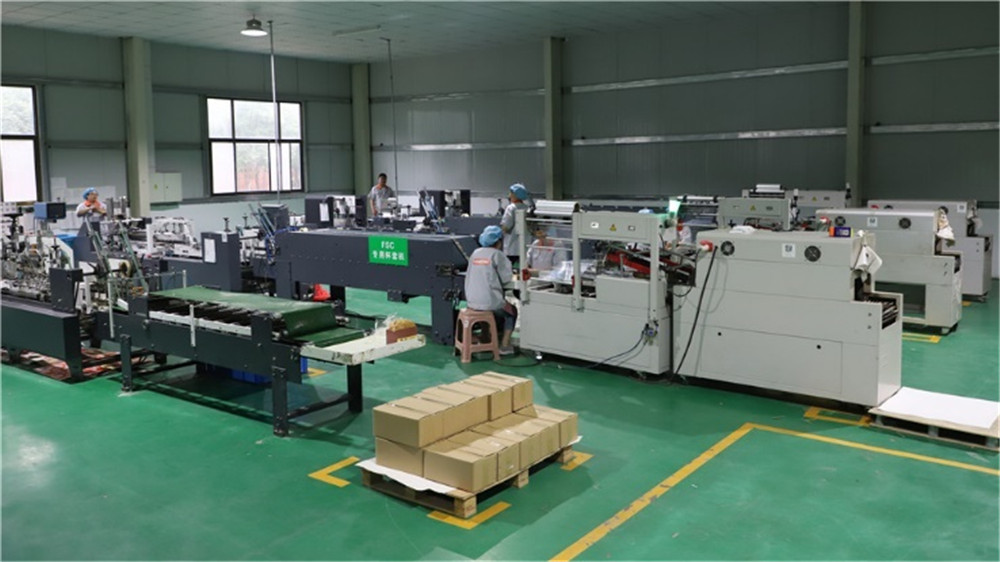
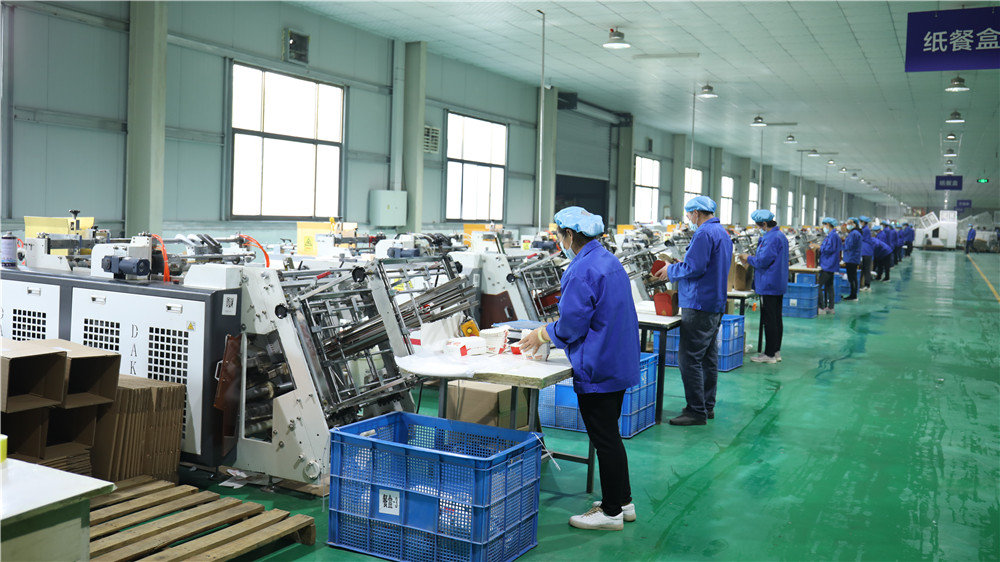
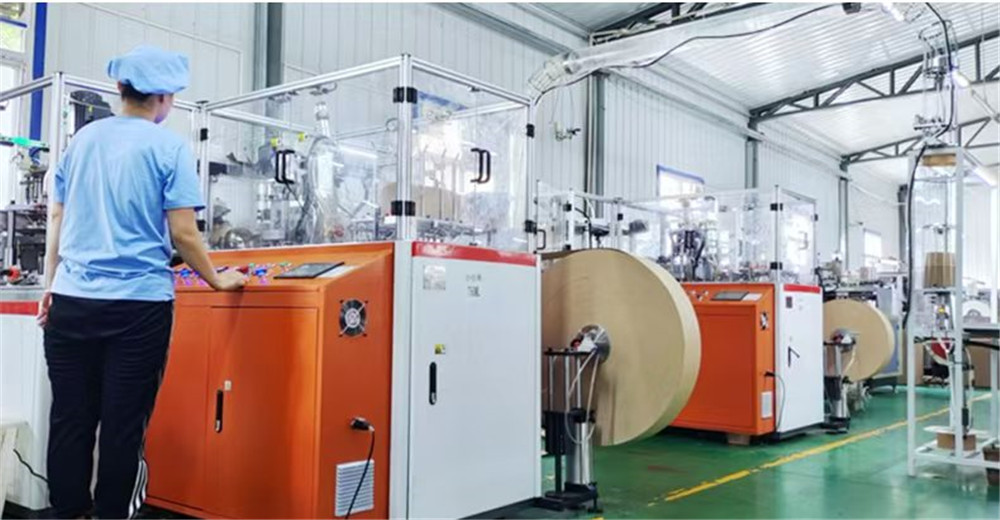
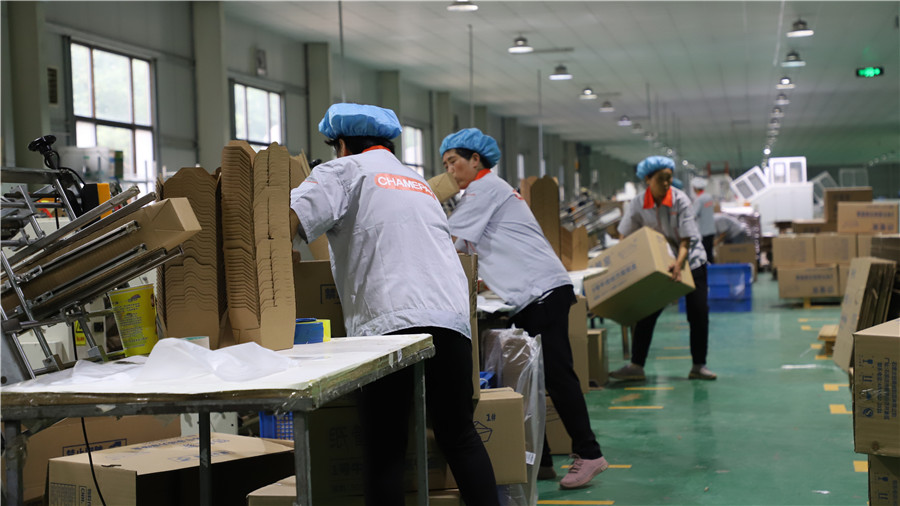
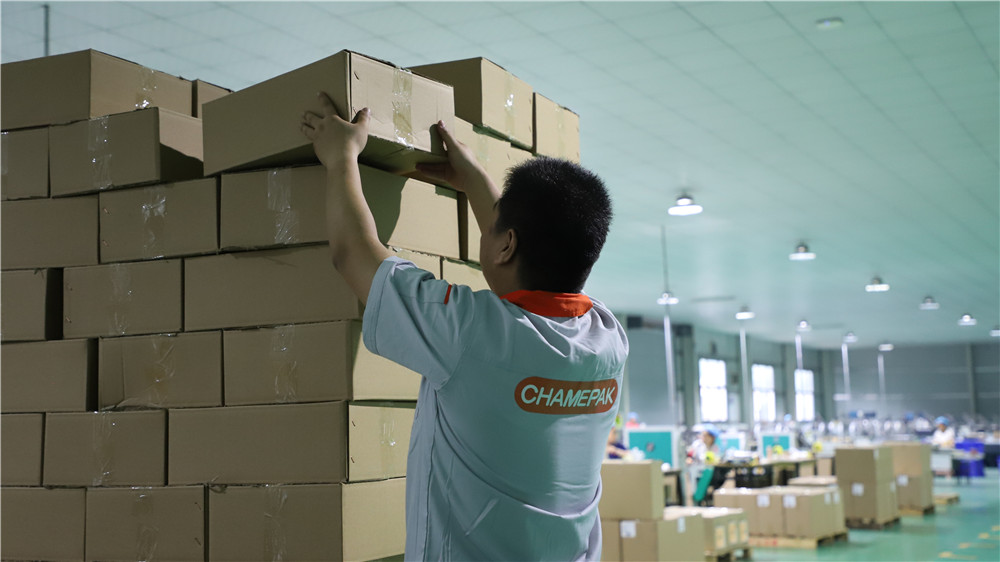
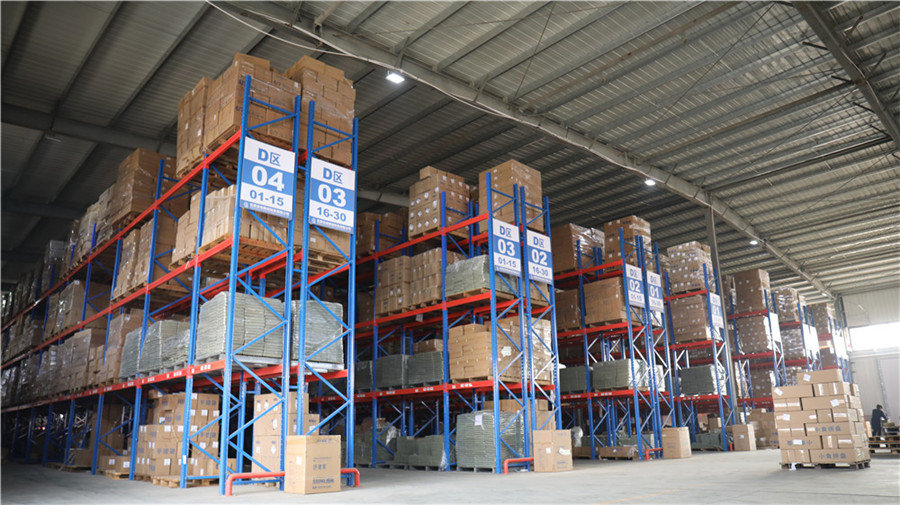
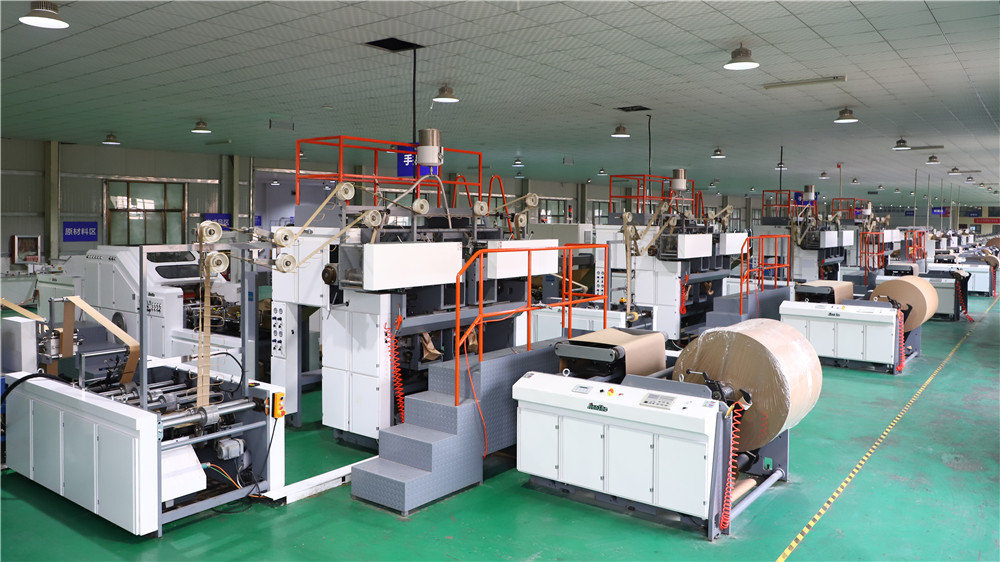
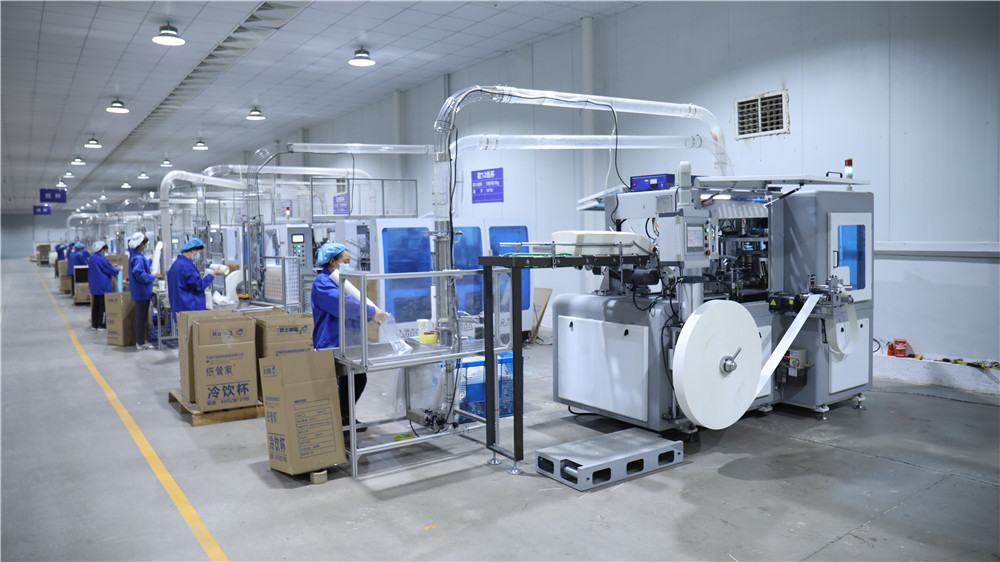
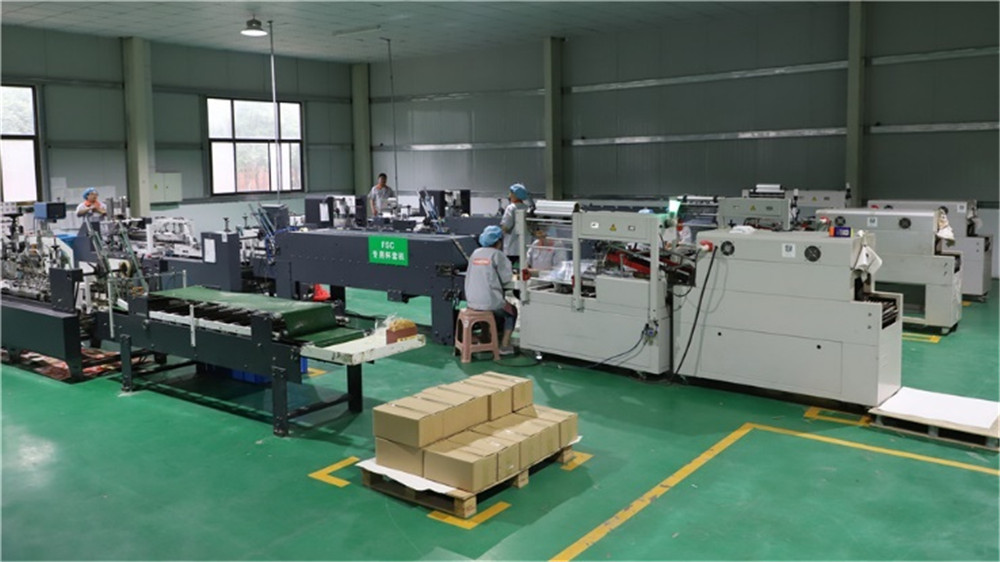
Take a look inside Shandong PsiPrime Packaging Co., Ltd.'s facility. We utilize advanced machinery and automated control systems to ensure food safety and structural excellence.
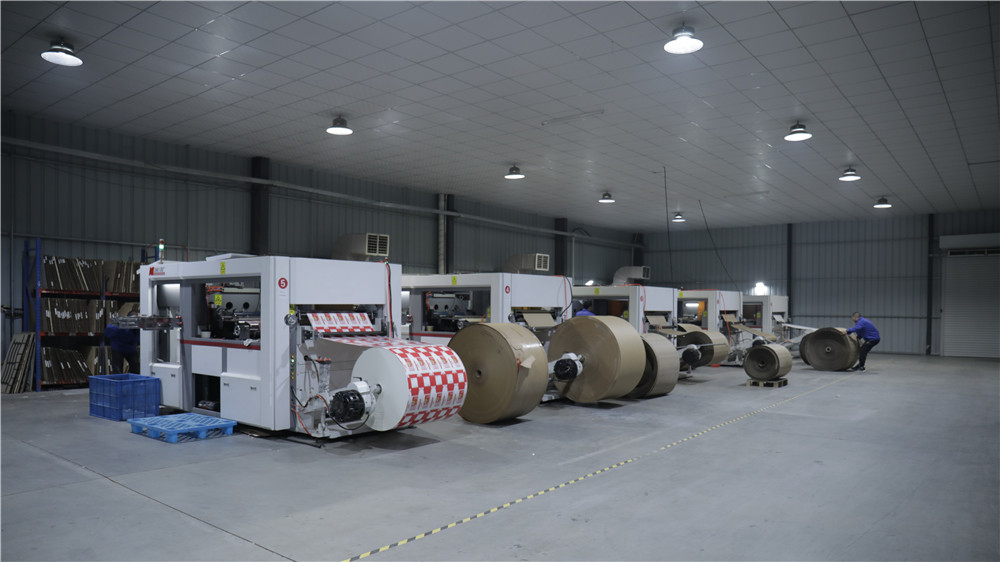
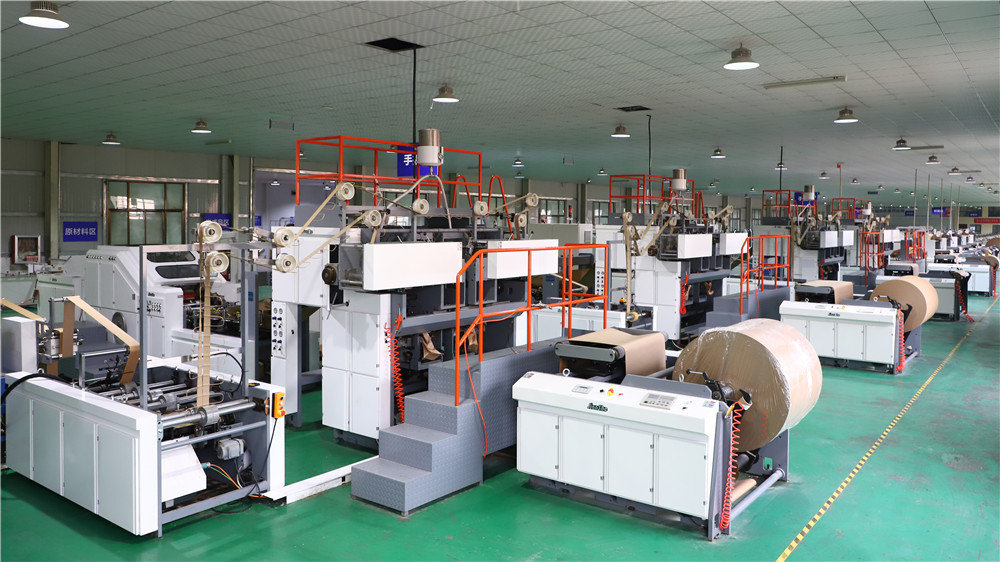
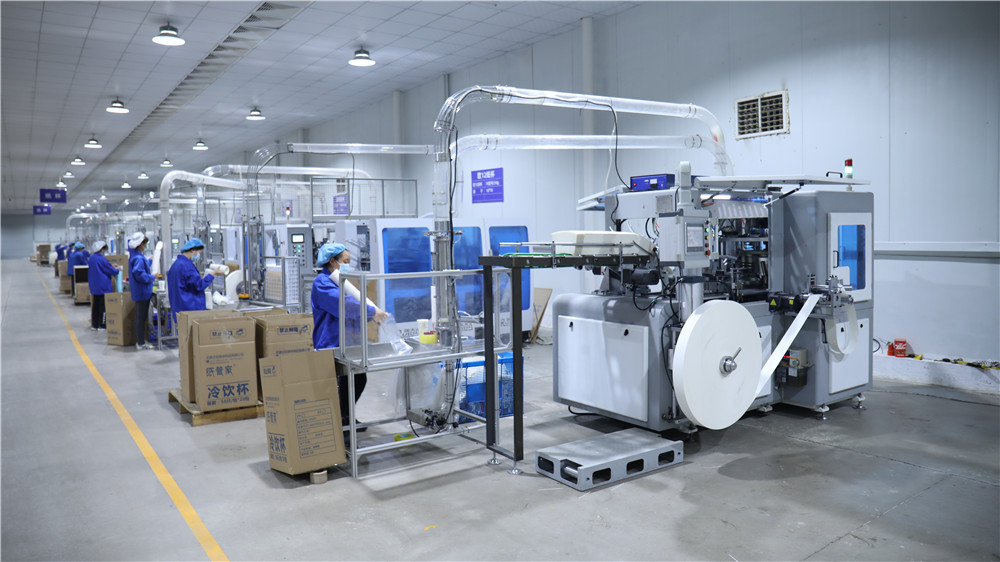
Industrial agricultural logistics require packaging tailored to specific produce types, transportation conditions, and regional consumer preferences. Standard boxes often fail under varying temperature and humidity conditions. That is why Shandong PsiPrime Packaging Co., Ltd. designs customized packaging for different supply chain setups:
Exporting high-value produce like grapes, berries, avocados, and stone fruits requires packaging that can handle prolonged exposure to high humidity (90-95% RH) and low temperatures (0-4°C). Standard paper boxes can absorb moisture, losing up to 50% of their structural strength and leading to collapsed pallets and bruised fruit. Our OEM/ODM fresh produce boxes are designed with natural bio-resins and water-resistant barriers to ensure high stack strength in refrigerated containers.
Vegetables like broccoli, mushrooms, and leafy greens have high respiration rates. Without proper airflow, moisture builds up inside the packaging, causing mold growth and rot. We provide customized, breathable bags and corrugated boxes featuring micro-perforations. These help maintain optimal carbon dioxide and oxygen levels inside the box, extending product shelf life without the need for synthetic chemical preservatives.
In premium supermarkets, consumers expect packaging that reflects their values. Using plastic wrap and polystyrene trays can hurt an organic brand’s reputation. Our sugarcane bagasse pulp trays and windowed kraft paper boxes offer a natural, eco-friendly look while showing off the product inside. These materials are certified 100% home-compostable and plastic-free, making them popular in eco-conscious markets across North America, Northern Europe, and Oceania.
The sustainable packaging industry is shifting away from first-generation compostable materials toward advanced circular alternatives. Understanding these trends helps businesses make future-proof purchasing decisions:
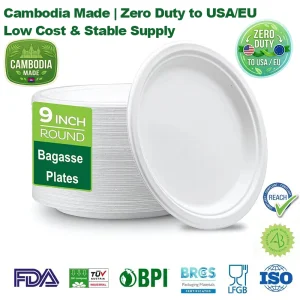
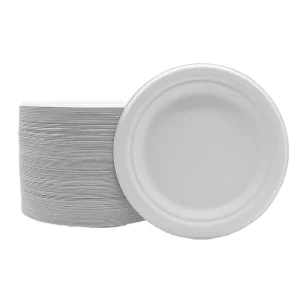
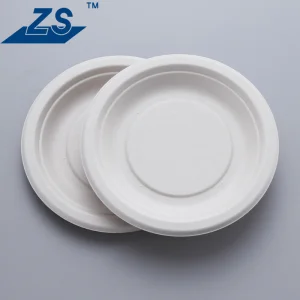
1. The Transition to PFAS-Free Formulations: Per- and polyfluoroalkyl substances (PFAS) have historically been used to make molded fiber plates and boxes water- and oil-resistant. However, because these "forever chemicals" do not break down in the body or the environment, regulators in the EU and US are banning them. Shandong PsiPrime Packaging Co., Ltd. is ahead of this curve, offering PFAS-free, compostable bagasse plates and packaging lines that use bio-based coatings for water and oil resistance.
2. Starch-Based and PLA Bio-Polymers: Polylactic acid (PLA) and polyhydroxyalkanoates (PHA) derived from corn starch or sugarcane fermentation are replacing petroleum-based linings. These bio-polymers perform like traditional plastics but break down completely in industrial composting facilities, leaving zero toxic residue.
3. Closed-Loop Circular Systems: Global retail groups are increasingly looking to establish closed-loop systems. In these setups, packaging waste from supermarkets is collected, processed at composting facilities, and returned to the fields as organic fertilizer, creating a fully circular agricultural supply chain.
For enterprise buyers, purchasing custom packaging involves evaluating more than just the unit price. It requires a detailed review of technical specifications, production capacity, and compliance certifications. Here is our step-by-step OEM/ODM collaboration framework:
Get authoritative answers regarding our materials, custom capabilities, food safety certifications, and global supply chains.
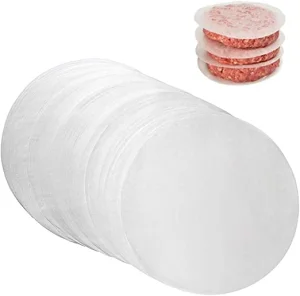
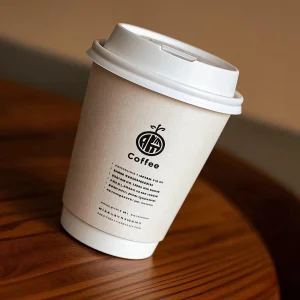
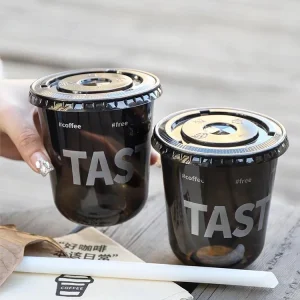
Complete your green transition with our secondary catalog of biodegradable cafe items, tableware, and protective packaging accessories.

 PsiPrime Packaging