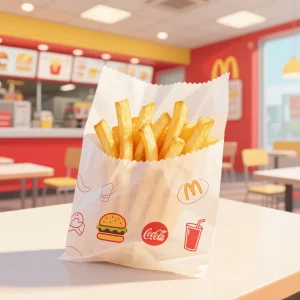
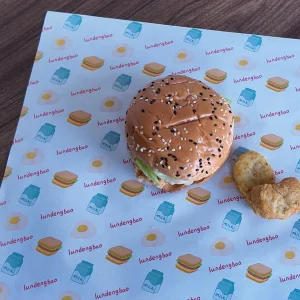
Premium sustainable selections engineered to replace single-use plastics without compromising structural integrity or food safety.
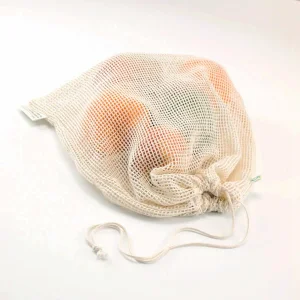
Shandong PsiPrime Packaging Co., Ltd. is a globally recognized manufacturer committed to advancing sustainable packaging solutions and promoting the radical reduction of single-use plastics. We empower foodservice enterprises, catering conglomerates, and packaging distributors to seamlessly transition away from traditional fossil-fuel plastics toward high-performance, environmentally responsible alternatives.
Our operational model is rooted in the strategic philosophy of "plastic alternatives." Through deep material science exploration and reliable supply chain vertical integration, we address the critical pain points of performance, economics, and sustainability. As a specialized OEM/ODM manufacturer, we deliver custom-tailored, food-grade packaging lines built to survive strict regulatory inspections worldwide.
Our design engineers specialize in transforming raw biodegradable polymers, sustainable paperboards, and agricultural crop residues into heavy-duty, aesthetically refined foodservice cutlery and vessels. From design-for-environment (DfE) to high-speed molding, our operation guarantees supply consistency and strict compliance with global food safety standards.
Analyzing the legal, financial, and environmental forces shaping the transition to biological materials in commercial catering.
The global market for biodegradable cutlery and bio-based food packaging is undergoing an unprecedented structural transition. Historically confined to niche eco-conscious markets, compostable tableware has integrated into mainstream procurement strategies for multinational quick-service restaurant (QSR) chains, institutional cafeterias, and massive food delivery platforms. This shift is primarily driven by three convergent forces:
Legislative frameworks like the European Union's Single-Use Plastics Directive (SUPD), California's SB 54, and bans in Canada, India, and China have made traditional fossil-derived polystyrene (PS) and polypropylene (PP) disposable cutlery legally unviable in many markets.
Consumers actively penalize brands that employ non-recyclable plastic packaging. Major catering groups are using compostable cutlery and bio-based bowls as a visible commitment to their Scope 3 greenhouse gas emission reduction goals.
Innovative material compositions, such as Crystallized Polylactic Acid (CPLA) and refined sugarcane bagasse, have eliminated the performance compromises of early bioplastics, offering excellent thermal resilience and physical strength.
In this high-stakes market environment, the procurement paradigm has shifted from "finding the lowest cost per unit" to "securing a highly compliant, structurally sound, and scalable OEM partner." Suppliers must demonstrate deep technical mastery of material behaviors, tooling precision, and international ecological certification standards to shield brand owners from legal and public relation liabilities.
A comparative engineering overview of current sustainable packaging substrates manufactured at our state-of-the-art facilities.
Choosing the correct raw material substrate requires balancing the physical application requirements against target disposal pathways. Shandong PsiPrime Packaging Co., Ltd. implements four core material tracks to cover the entire spectrum of temperature resistance, mechanical torque, and end-of-life performance:
| Material Substrate | Source Basis | Thermal Limit | Composting Target | Primary Use Cases | Compliance Status |
|---|---|---|---|---|---|
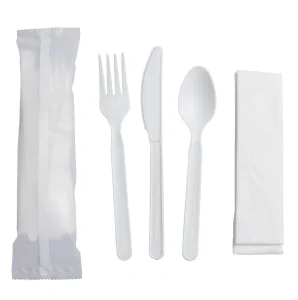
| CPLA (Crystallized PLA) | Cornstarch / Plant sugars | Up to 85°C (185°F) | Industrial (EN 13432) | Heavy-duty forks, knives, spoons, hot cup lids | FDA & BPI Approved |
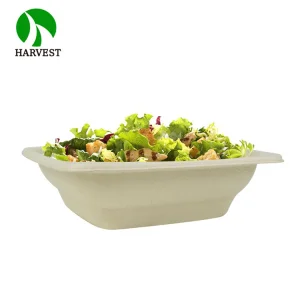
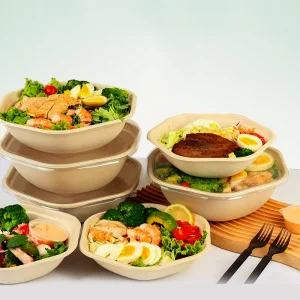
| Sugarcane Bagasse | Agricultural residue fibers | Up to 120°C (248°F) | Home & Industrial | Salad bowls, lunch boxes, plates, takeaway trays | PFAS-free options |
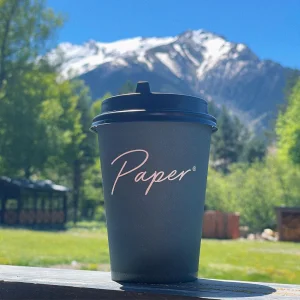
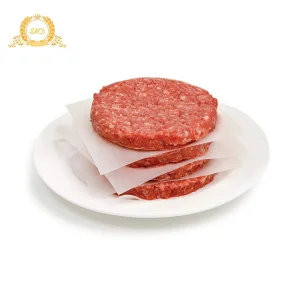
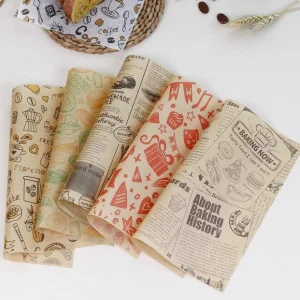
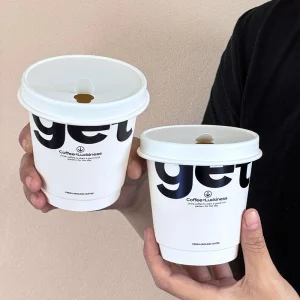
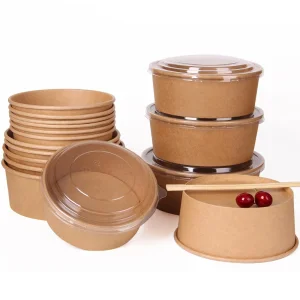
| FSC Certified Paper | Sustainable wood pulp | Up to 95°C (203°F) | Fully Biodegradable | Soup cups, cold beverage cups, wrapping sheets | FSC Mix Certified |
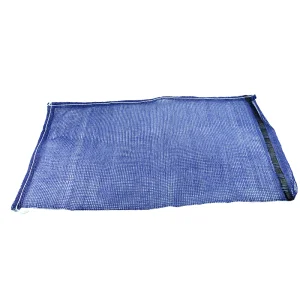
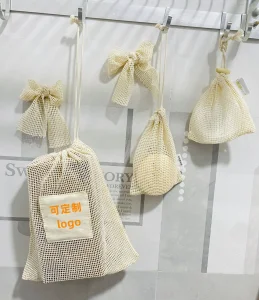
| Cotton/Organic Fibers | Natural plant stems | N/A (Ambient) | Reusable / Washable | Produce bags, shopping storage systems | GOTS Compliant |
Our material engineering lab works directly with B2B clients to customize material formulas. For instance, in hot catering environments where cutlery undergoes extreme torque while exposed to boiling liquids, we apply a crystallization process to Polylactic Acid (PLA) polymers. This process transitions the amorphous PLA matrix into a semi-crystalline state, upgrading the heat distortion temperature (HDT) from a fragile 55°C (131°F) to an industry-leading 85°C (185°F).
Bridging the gap between ecological responsibility and rigorous commercial business requirements.
Enterprise scale B2B procurement of biodegradable catering supplies often encounters three major bottlenecks: price volatility, inconsistent physical performance under pressure, and compliance gaps across different international jurisdictions.
"Our localized supply agreements and fully integrated manufacturing processes help stabilize margins, protecting B2B buyers from sudden fluctuations in bio-resin prices."
We approach B2B supply through structured, macro-level corporate agreements designed to mitigate risks for purchasing directors:
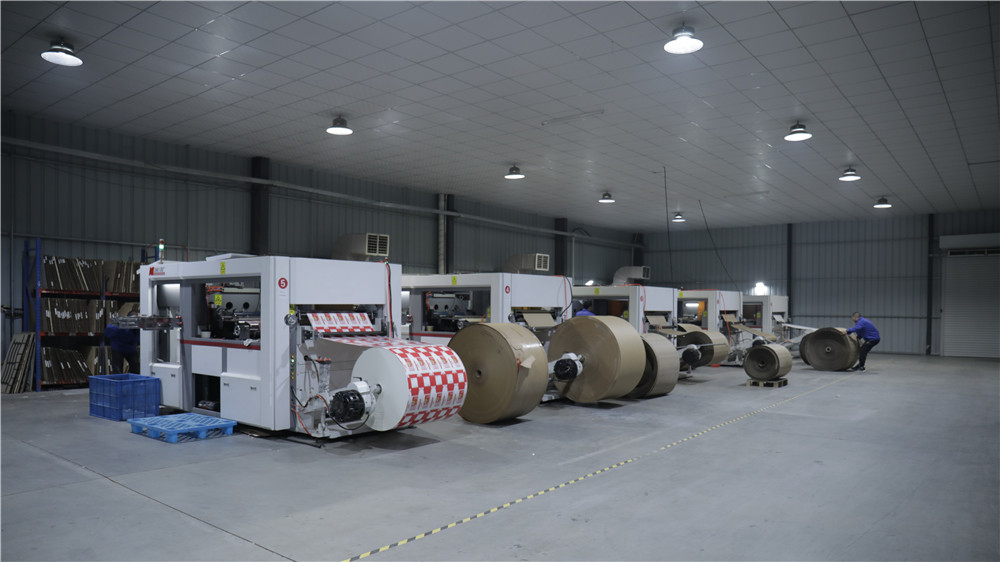
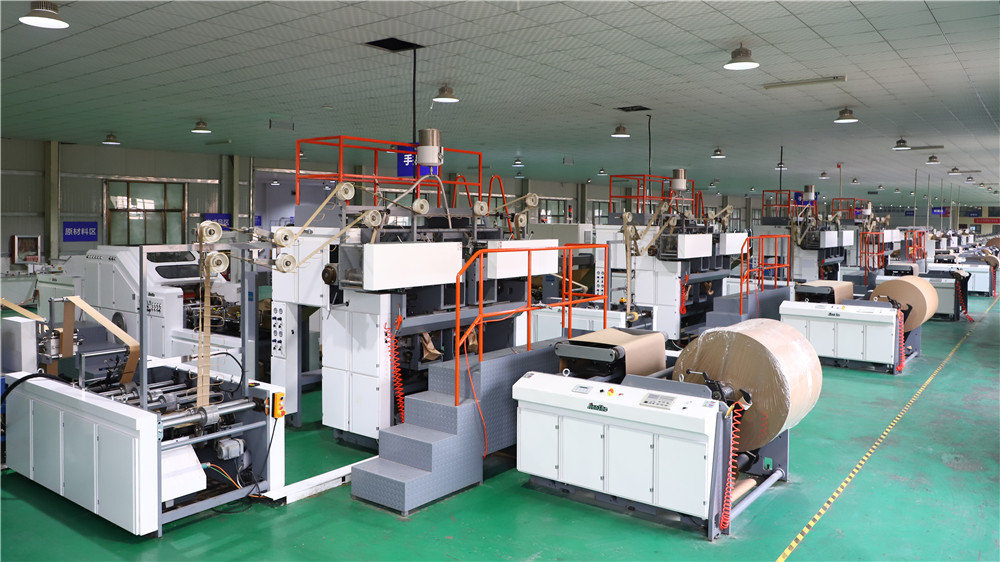
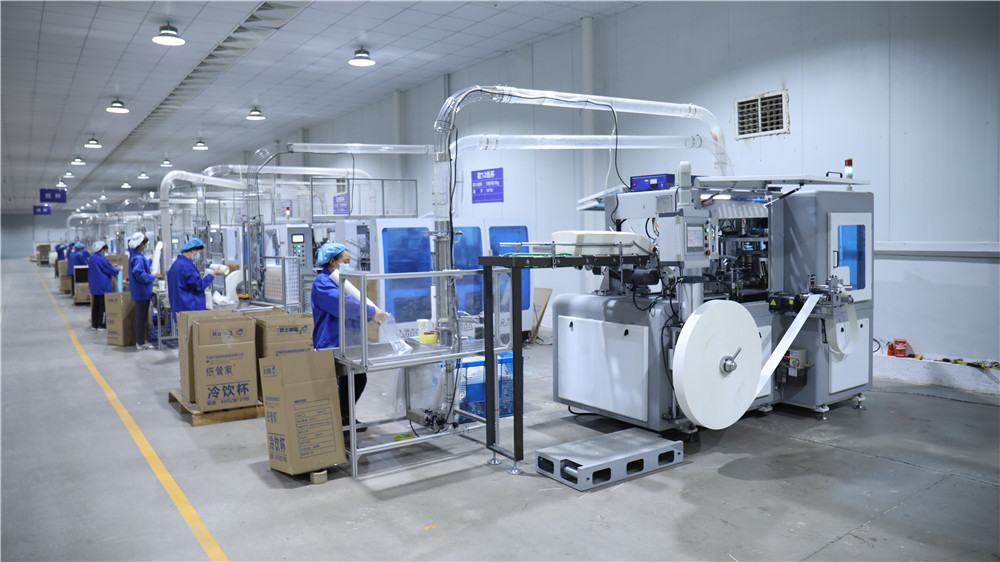
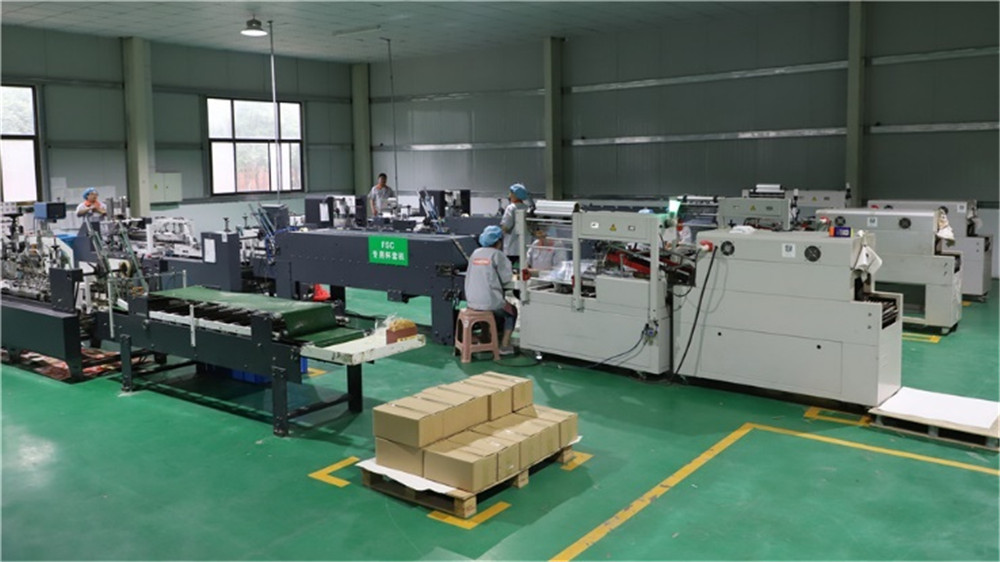
Touring our integrated manufacturing processes: from precision raw material cutting to cleanroom packaging.
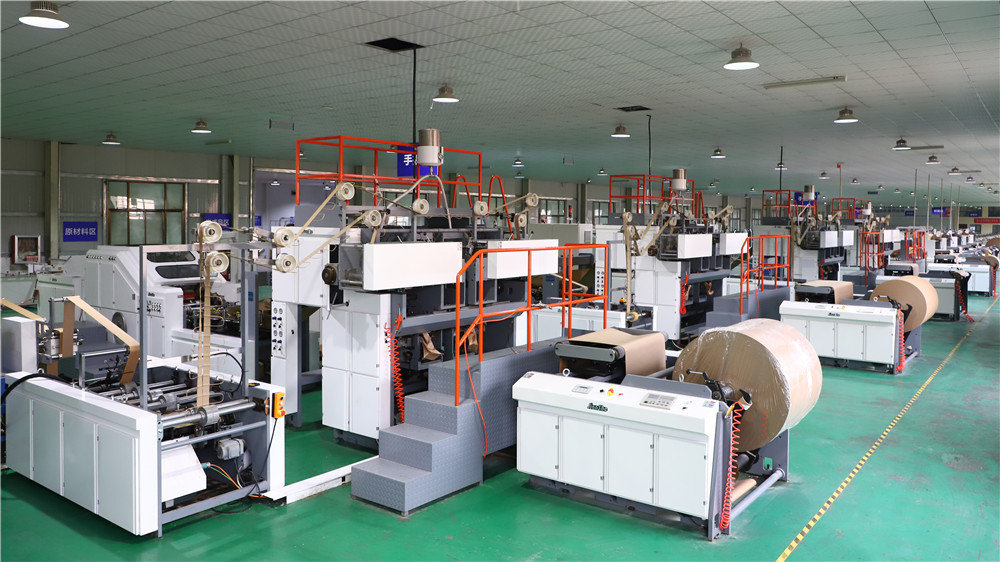
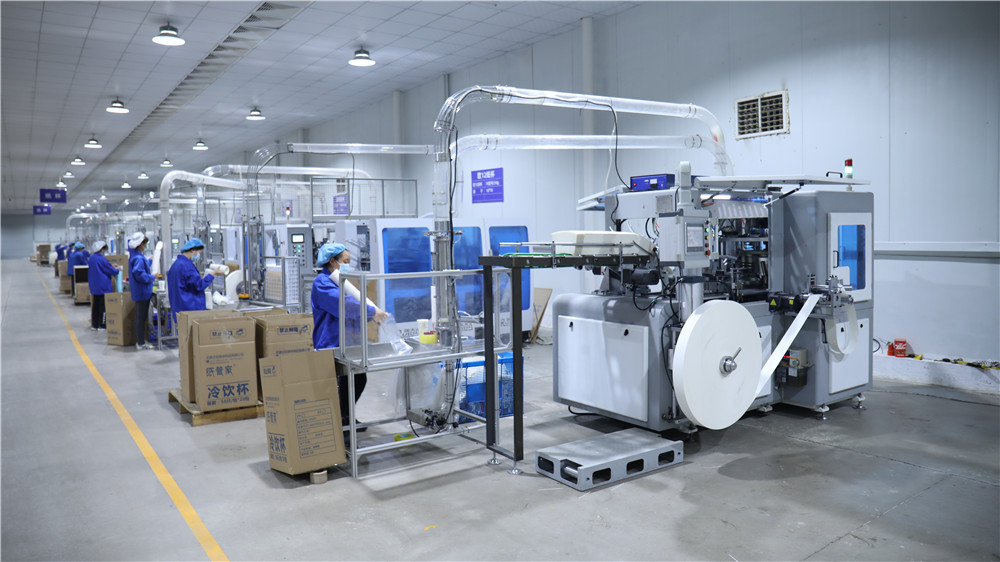
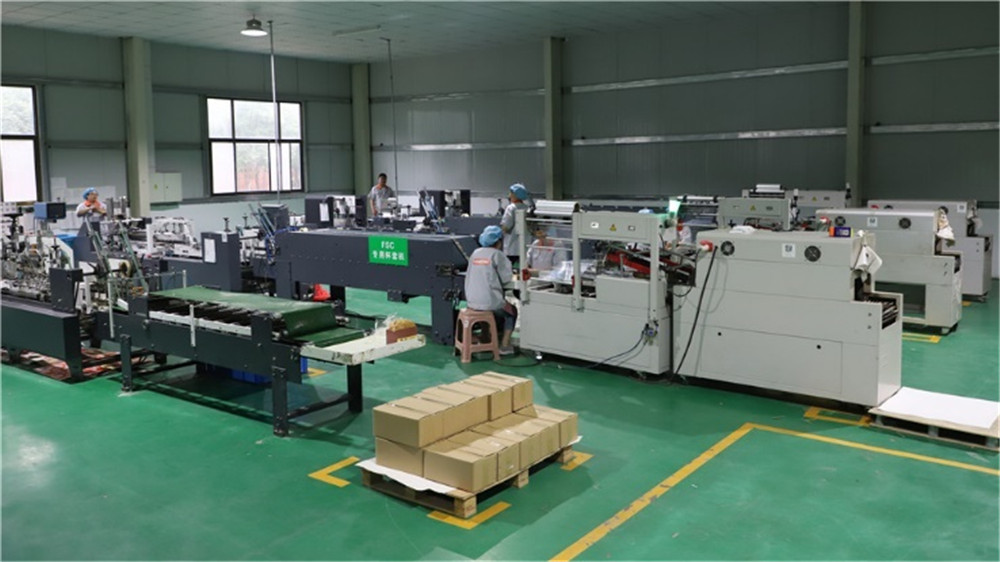
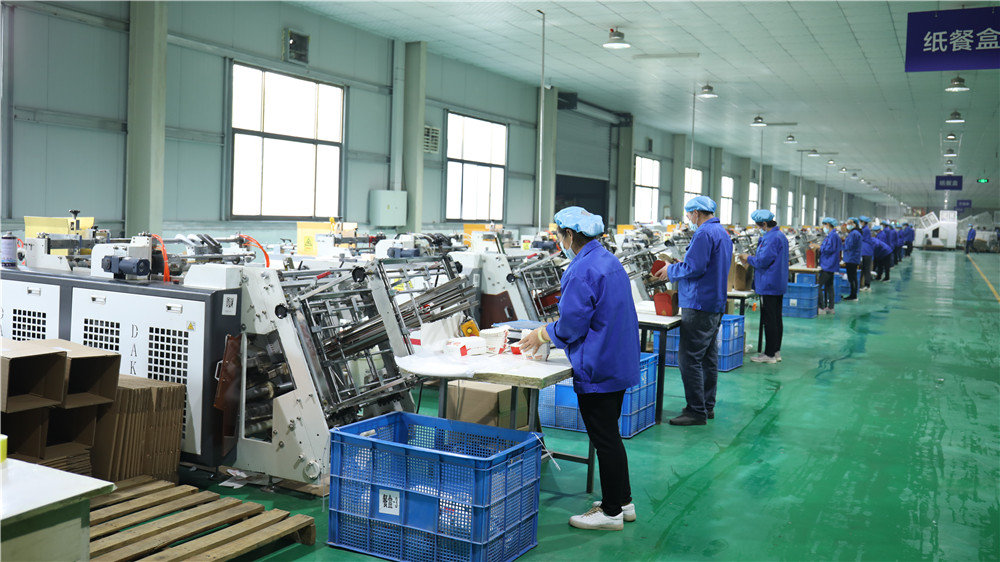
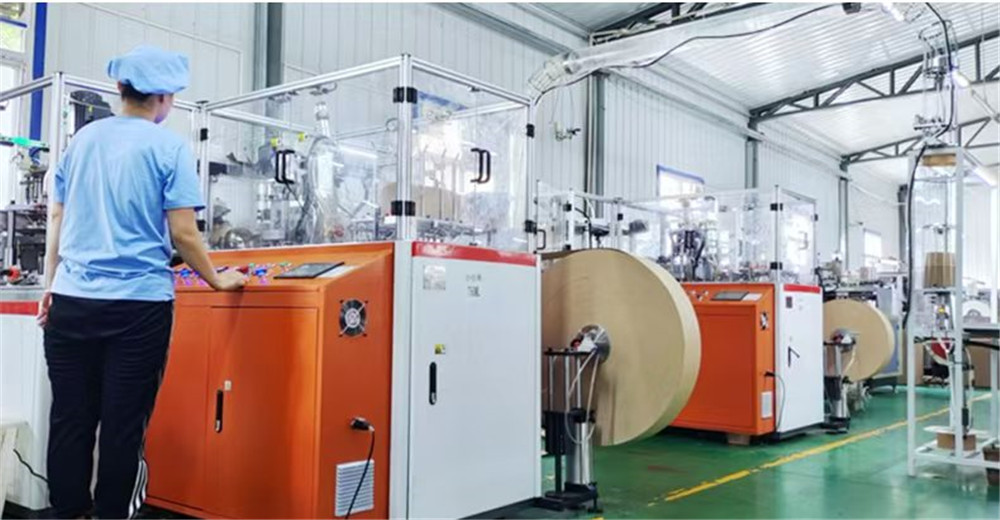
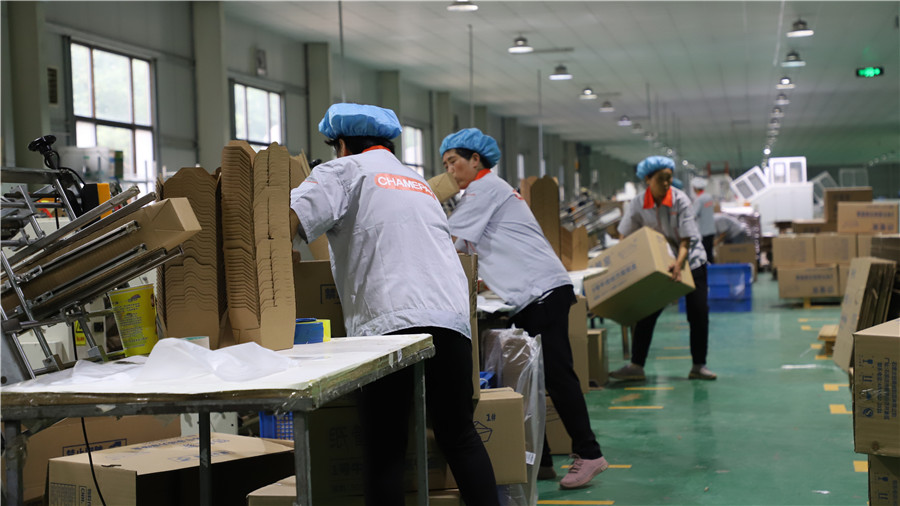
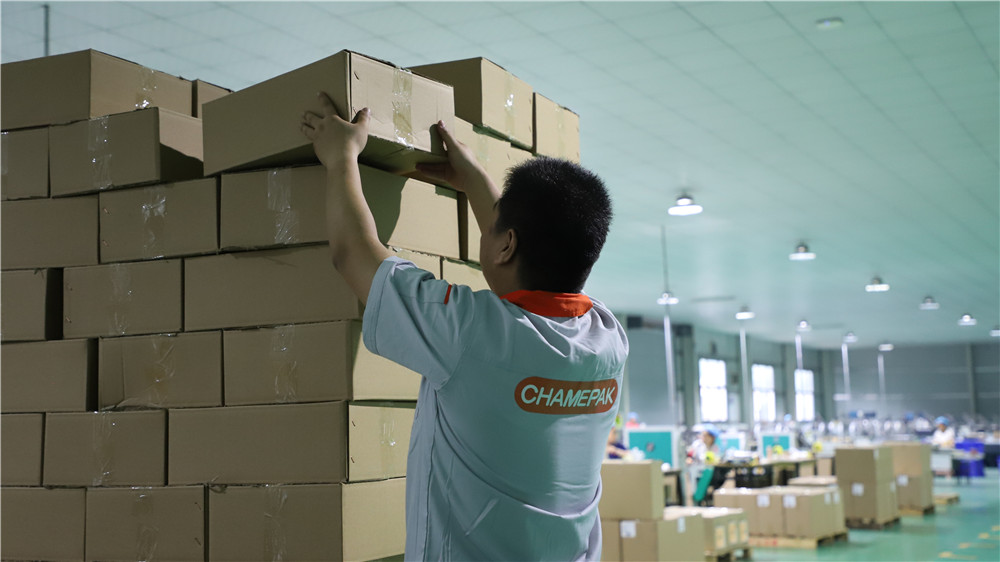
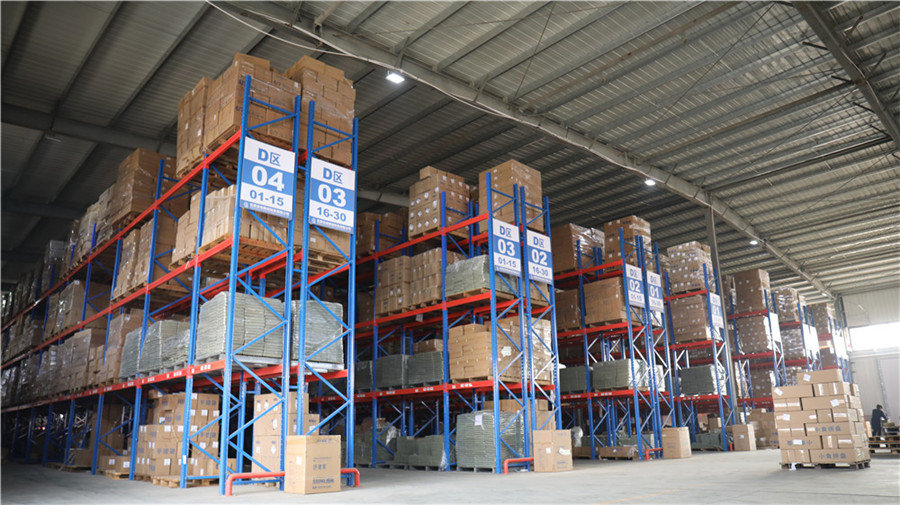
Ensuring cross-border compliance through accredited certifications and strict quality assurance protocols.
Marketing biodegradable foodservice cutlery internationally requires strict adherence to regional environmental and public health laws. Our materials are tested and certified to ensure smooth compliance at customs, avoiding legal issues for distributors and brands:
Compliance with ASTM D6400 and ASTM D6868 protocols, certified by the Biodegradable Products Institute (BPI) for compostability in municipal facilities, alongside FDA food contact approval.
Certified compostable under EN 13432 for industrial facilities. Our wood and paper products carry full FSC Chain-of-Custody (CoC) certification, verifying responsible forestry.
Fully compliant with AS 4736 (industrial composting) and AS 5810 (home composting) frameworks, guaranteeing breakdown without leaving harmful synthetic residues.
Furthermore, our chemical engineering team has developed advanced paper coatings to replace traditional PE linings. Using biological emulsions and PLA thin-film laminates, we offer compostable barrier properties that resist hot water, cooking oils, and acidic citrus dressings while meeting strict global testing requirements.
Investing in next-generation material science to advance circular packaging technologies.
Looking ahead, Shandong PsiPrime Packaging Co., Ltd. continues to invest in advanced material research. Our R&D division is focused on the next generation of bioplastics, aiming to expand application ranges and simplify composting requirements:
By coupling advanced chemistry with high-speed manufacturing, we help global businesses balance environmental responsibility with practical performance. We aim to continually lower carbon footprints while maintaining the high quality and efficiency that modern foodservice operations demand.
Detailed answers to key operational, technical, and regulatory questions from B2B buyers.
High-quality sustainable packaging solutions designed for international food service, delivery, and retail distribution.
 PsiPrime Packaging