In the rapidly changing consumer goods market, custom food packaging is no longer just a container to hold products; it is a critical interface for brand storytelling, environmental compliance, and safety assurance. As international regulations restrict single-use plastics, global procurement directors are looking for manufacturers who can combine high productivity, low costs, and strict compliance with food contact materials (FCM). China's industrial clusters for packaging materials, located primarily in regions like Shandong and Zhejiang, provide a unique manufacturing base that meets these demands.
Modern Chinese custom food packaging factories do not just focus on mass production. They integrate state-of-the-art chemical engineering, automated manufacturing, and eco-friendly raw materials to supply items like compostable plant fiber bowls, greaseproof papers with water-based coatings, and CPLA cutlery. By utilizing advanced production technology, companies like Shandong PsiPrime Packaging Co., Ltd. help brands transition smoothly from conventional plastic-based designs to high-performance, eco-friendly alternatives without losing structural integrity or increasing overall costs.
Exporting custom food packaging to different regions requires navigating a complex web of local laws and certifications. Food contact surfaces must prevent chemical migration that could alter food composition or affect human health. Leading Chinese manufacturers invest heavily in laboratory testing and third-party certifications to guarantee international compliance.
Compliance with FDA CFR 21 rules for paper, board, and polymers. Sustainable materials are certified under ASTM D6400 and ASTM D6868 to guarantee complete compostability in municipal facilities, along with BPI certification.
Compliance with EC 1935/2004 framework and plastic regulation EU 10/2011. Paper products are tested for chemical safety and heavy metals under BfR Recommendation XXXVI, and compostable items carry the TÜV OK Compost (EN 13432) mark.
To meet bans on forever chemicals (PFAS) in the US and EU, our factories utilize advanced dispersion water-based coatings. These coatings provide excellent grease and liquid resistance without using fluorinated compounds.
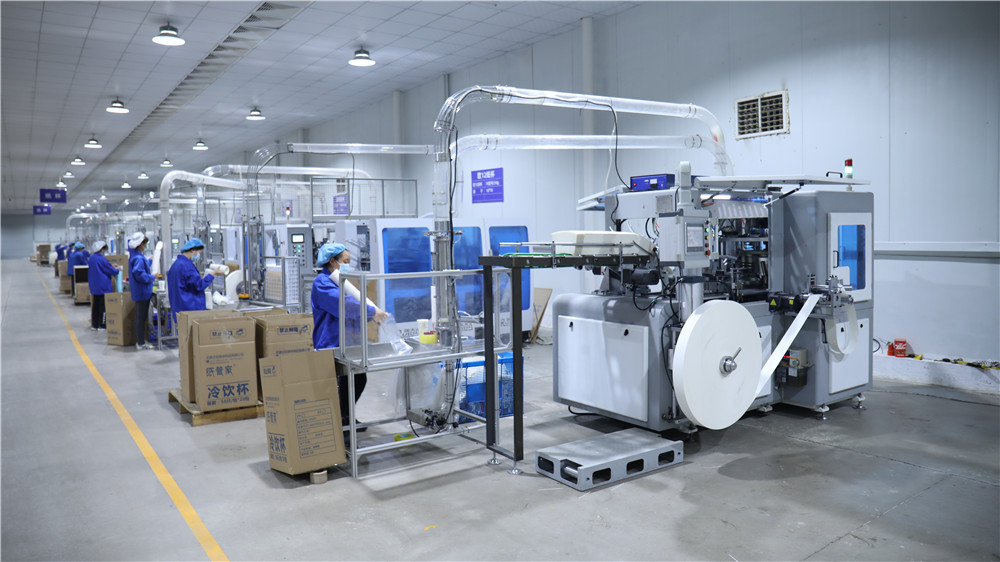
Responsible manufacturing requires clean facilities. Our production plants run cleanrooms with positive air pressure to prevent dust contamination, and they follow strict GMP (Good Manufacturing Practice) standards. We also use soy-based and water-based inks instead of solvent-based inks, ensuring that our printed packaging is free of volatile organic compounds (VOCs) and does not transfer chemical odors to food.
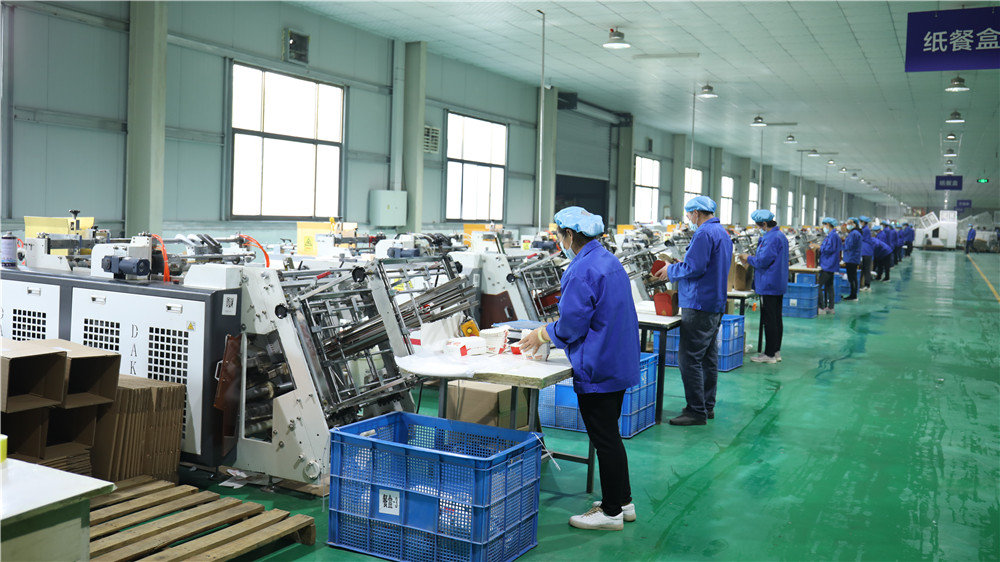
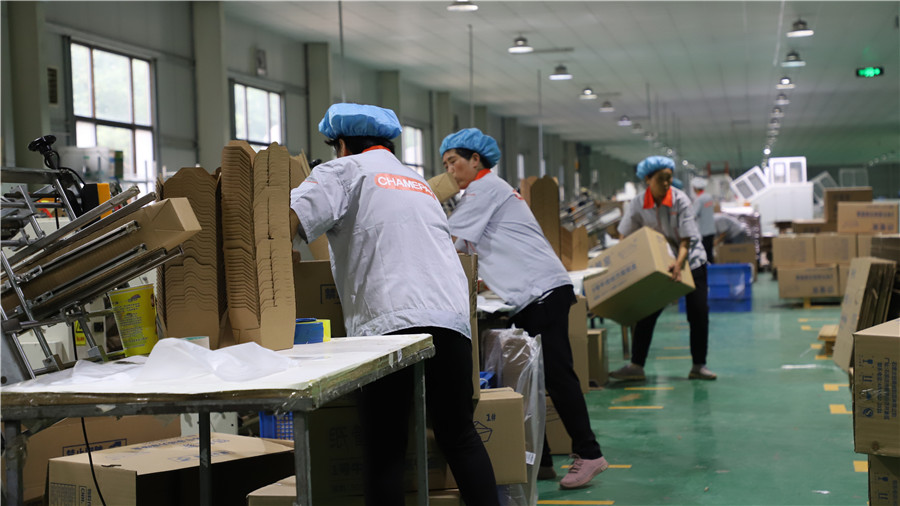
Our factories maintain strict quality control by managing every stage of the production process under one roof. From raw paper roll slitting to automated thermoforming and final inspection, here is how we ensure consistency across large-scale wholesale orders:
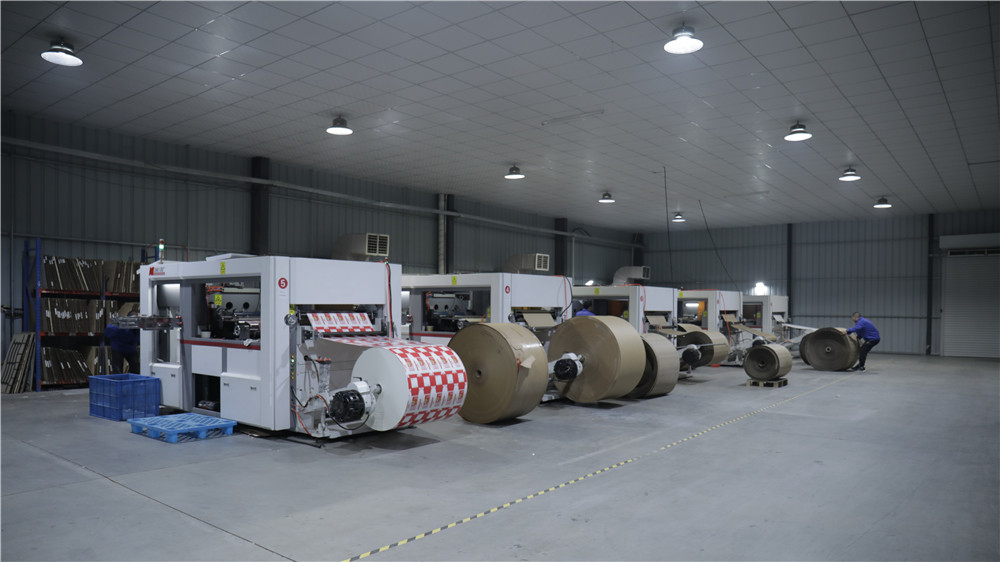
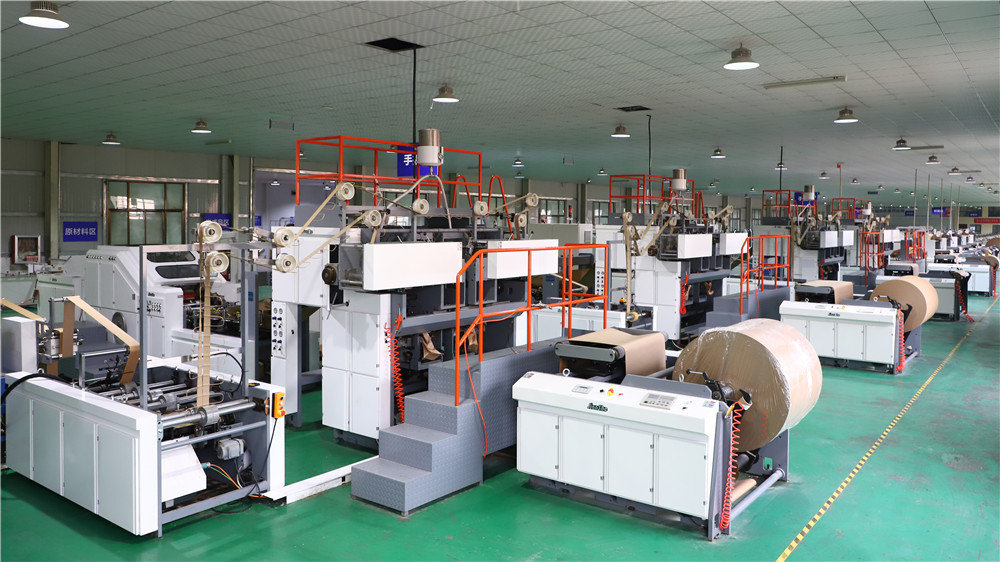
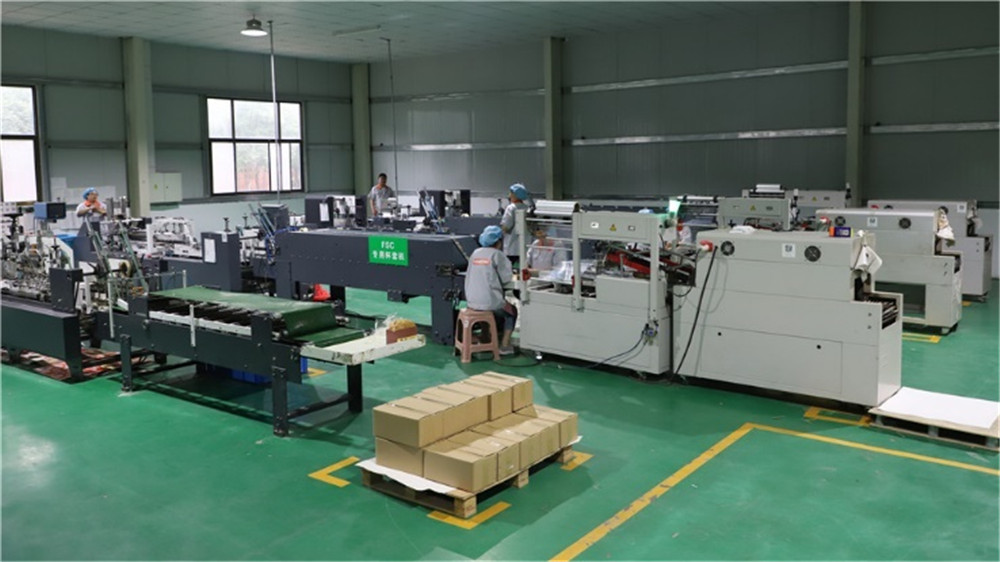
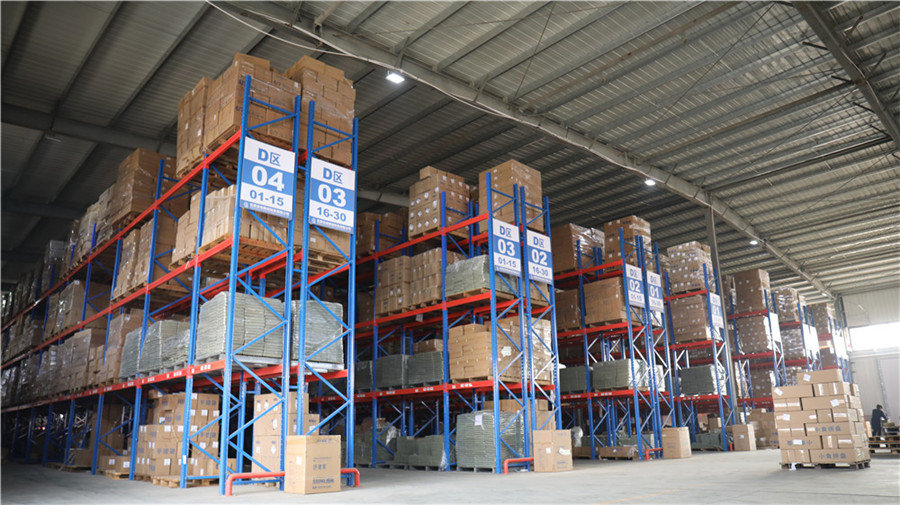
Procurement professionals choose Chinese custom packaging factories for reasons that extend beyond simple unit price calculations. The primary advantage lies in the integration of regional supply chain ecosystems. Industrial hubs in China concentrate raw material suppliers, printing plate factories, die-cutters, and logistics providers in close geographic proximity. This concentration speeds up production and helps insulate buyers from global logistics delays.
Direct sourcing of premium wood pulp, annual agricultural residues (bagasse, bamboo fiber), and compostable biopolymers (PLA, PBS) keeps raw material costs stable and traceable.
Factories run advanced flexographic, gravure, and digital presses, allowing us to support both large-scale runs and short, promotional batch printing without compromising quality.
Our proximity to major deep-water ports like Qingdao, Shanghai, and Ningbo ensures efficient loading, customs clearance, and direct ocean freight routes to global hubs.
To manage supply chain risk, large international buyers look for partners that offer end-to-end design and manufacturing services. Rather than sourcing cups from one vendor, boxes from another, and greaseproof paper wraps from a third, buyers can work with a single integrated manufacturer. This consolidated approach ensures consistent color matching, simplifies quality inspections, and lowers overall freight costs.
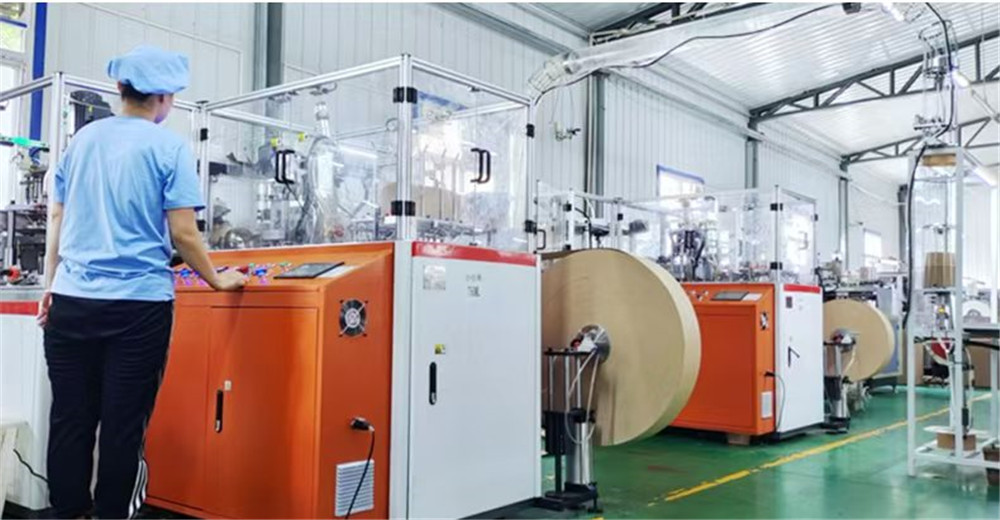
To maintain strict tolerances and ensure food safety, we use automated, high-output production machinery. By minimizing manual handling, we keep product defect rates low and maintain a hygienic environment throughout the manufacturing cycle.
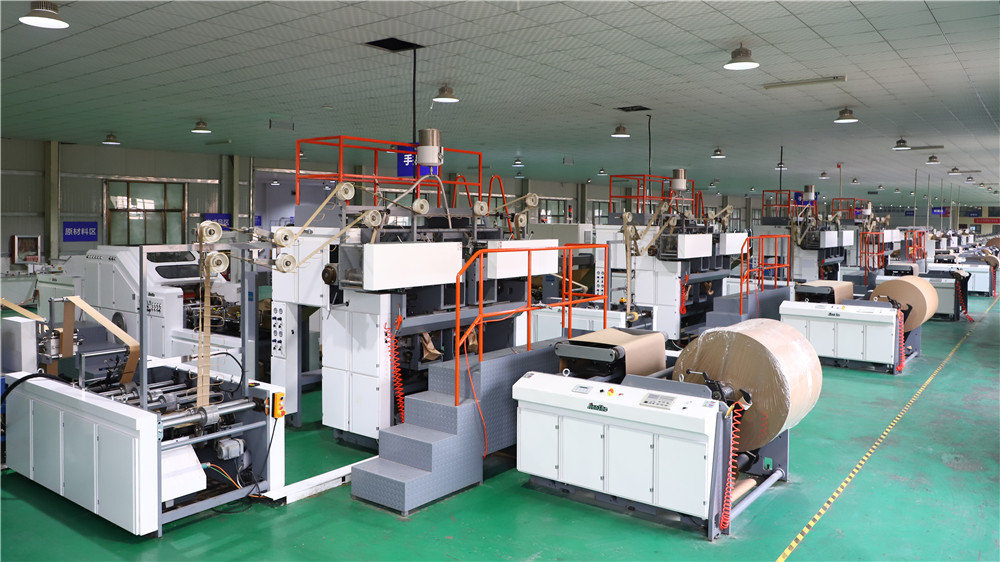
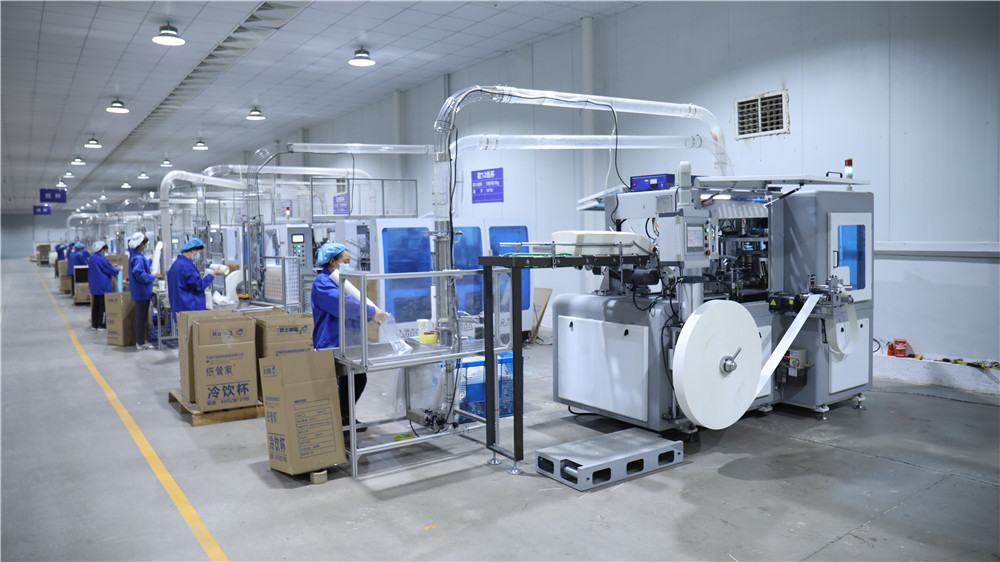
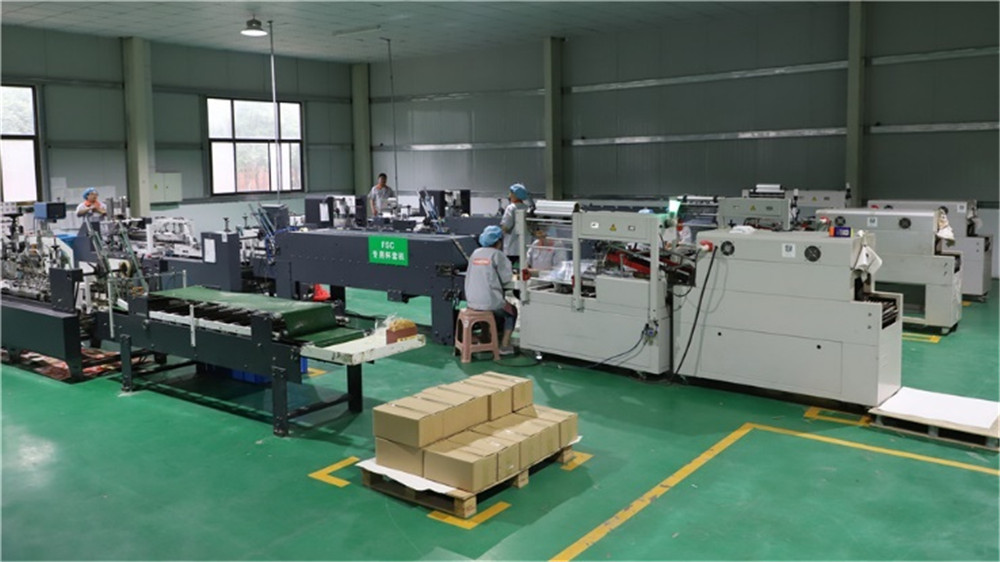
Equipped with advanced multi-station forming machinery, our production lines perform shaping, bottom folding, knurling, and cup lip curling in a single continuous process. Integrated optical sensors inspect production in real-time, instantly identifying and ejecting any items with dimensional variations or printing defects.
Shandong PsiPrime Packaging Co., Ltd. is committed to advancing sustainable packaging solutions and promoting the reduction of single-use plastics, helping foodservice and food-related industries transition toward more environmentally responsible operations.
The company strongly believes that biodegradable and compostable packaging materials represent the future of sustainable development. It actively promotes the concept of “plastic alternatives” and works to raise awareness of eco-friendly packaging across global markets. With extensive industry experience and a reliable supply chain, we provide high-quality, sustainable food packaging solutions to customers in many countries and regions.
Shandong PsiPrime Packaging Co., Ltd. specializes in the research, development, and manufacturing of eco-friendly food-grade packaging products. Its product portfolio includes compostable food containers, paper-based food packaging, eco-friendly paper bags, food wrapping paper, and disposable catering supplies. These solutions are designed to meet the diverse needs of restaurants, food delivery platforms, food processors, and retail businesses.
The company is dedicated to a customer-centric philosophy, offering one-stop customization services ranging from product design and material selection to custom printing. This enables clients to build strong, recognizable brand packaging while maintaining sustainability goals. At the same time, we emphasize stable delivery performance and strict quality control to ensure efficient and reliable global supply.
Through continuous improvements in production processes and supply chain management, Shandong PsiPrime Packaging Co., Ltd. enhances both cost efficiency and operational reliability, supporting clients in achieving sustainable growth in competitive markets. Looking ahead, the company will continue investing in innovation in biodegradable materials and expanding the application of compostable products across more industries, working together with global partners to build a low-carbon, environmentally friendly, and sustainable future.
Modern food service businesses need packaging that performs well across a variety of demanding applications. Whether holding hot delivery meals or displaying fresh supermarket produce, packaging must protect food and look professional.
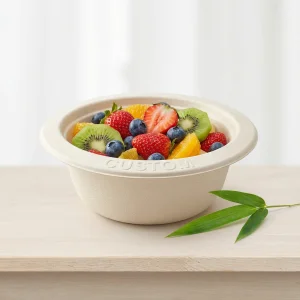
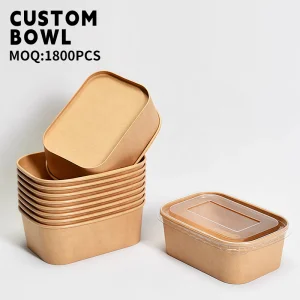
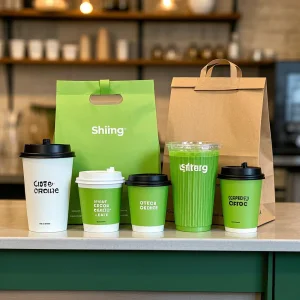
Delivery food requires leak-proof lids and structural stability. Our kraft paper bowls with matching plant-fiber lids prevent steam condensation from softening the packaging, keeping food hot and fresh during transit.
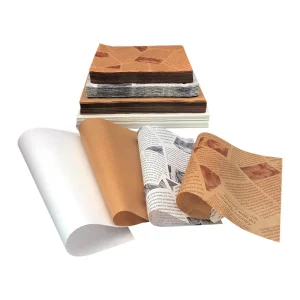
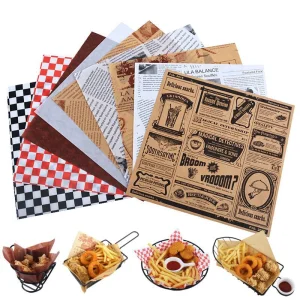
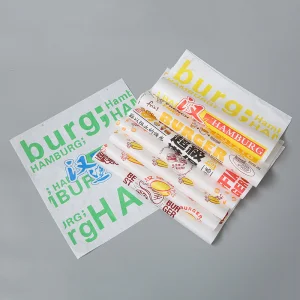
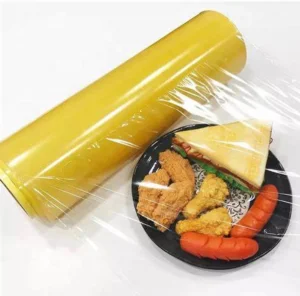
Burgers, fried chicken, and pastries need high-barrier protection. Our wrapping papers are processed without PFAS to deliver a high oil-resistance rating (KIT 8-12), ensuring no grease leaks through onto customers' hands.
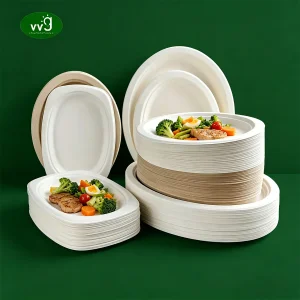
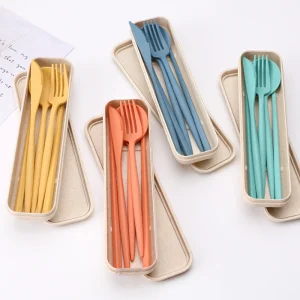
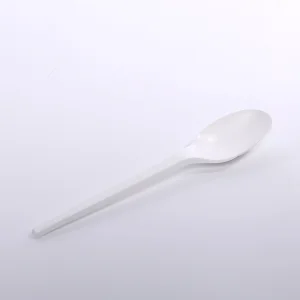
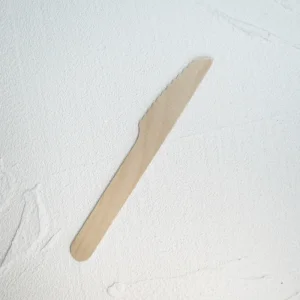
For outdoor events and concessions, using compostable bagasse plates and CPLA utensils allows organizers to compost all food waste and packaging together, cutting down on sorting costs and waste disposal fees.
In terms of industry trends, the market is shifting toward monomaterial packaging designs to simplify recycling. There is also growing interest in intelligent packaging, which uses QR codes to share carbon footprint data and trace the origin of raw materials. Brands that adopt these innovations can strengthen trust with eco-conscious consumers.
Find answers to common questions about materials, international regulatory compliance, customization options, and ordering logistics.
We do not use fluorinated compounds to achieve water and grease resistance. Instead, we apply water-based dispersion coatings or bio-polymers like PLA. Our products are tested by third-party laboratories (such as SGS and Intertek) to verify they contain no detectable fluorine, ensuring compliance with strict US and European regulations.
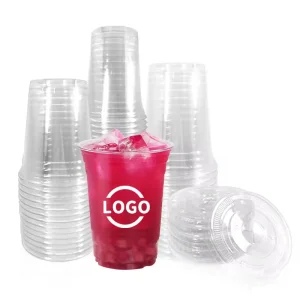
Sugarcane bagasse is a natural plant fiber left over from sugar production. It is molded under heat and pressure into plates and bowls, making it compostable. PLA (Polylactic Acid) is a biopolymer made from cornstarch that is transparent and ideal for cold cups. CPLA is crystallized PLA, which gives it higher heat resistance (up to 90°C / 194°F) and makes it suitable for hot beverage lids and soup spoons.
MOQs depend on the product type and level of customization. For custom-printed wrapping papers and standard paper cups, the MOQ typically ranges from 30,000 to 50,000 units per size. For custom molded plant-fiber products requiring unique tooling, the MOQ is generally around 100,000 units to cover setup and manufacturing costs.
Our design team reviews artwork to ensure correct color separations and layout alignment. Printing plates require a one-time setup fee per color, which is waived for recurring, large-scale production orders. We use Pantone matching to maintain brand consistency across all packaging elements.
Yes, we provide declaration of compliance (DoC) documents along with migration test reports. Testing is conducted using appropriate food simulants (like 10% ethanol, 3% acetic acid, and vegetable oil) to verify that chemical migration remains well below the strict thresholds required by FDA and EU Regulation 10/2011.
We complete initial digital proofs and physical CAD samples within 5 to 7 days. Once the customer approves the samples and designs, mass production takes between 15 and 25 days, depending on our current factory schedule and the size of the order.
Most of our sugarcane bagasse and paper packaging is home-compostable and breaks down under typical garden compost conditions within 90 to 180 days. PLA and CPLA products require higher, sustained temperatures to decompose efficiently and should be sent to commercial or industrial composting facilities.
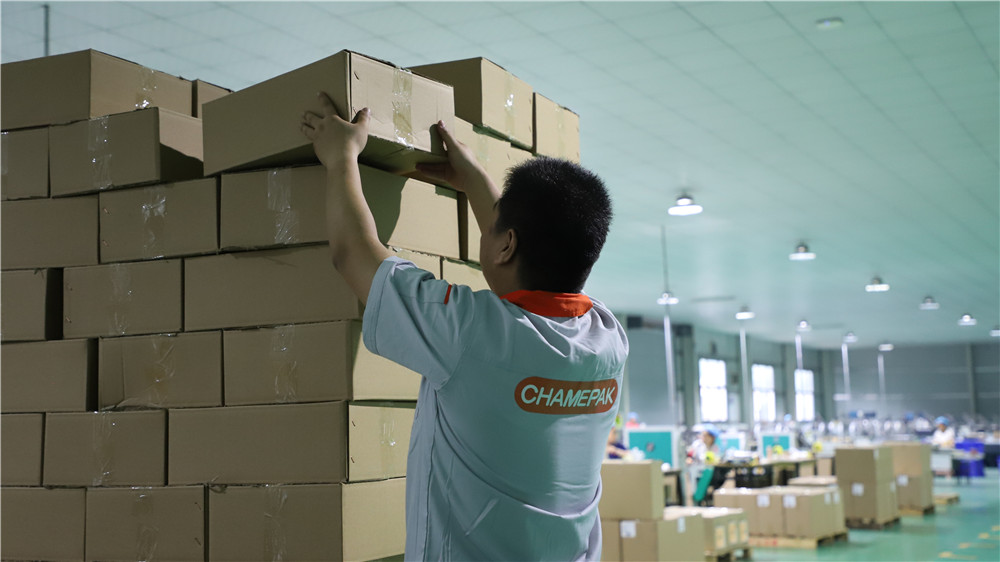
We package products in double-wall corrugated shipping boxes and wrap them in moisture-proof plastic inner liners. Heavy loads are secured on pallets and shrink-wrapped to protect them from humidity, temperature changes, and physical impacts during transit.

 PsiPrime Packaging