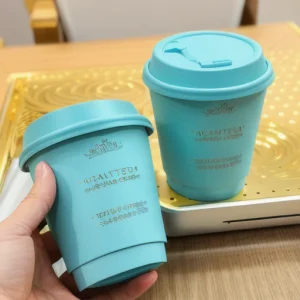
In response to the global mandate for carbon neutrality and legislative bans on single-use plastics, Polylactic Acid (PLA) has emerged as the premier bio-based polymer of the 21st century. Derived from 100% renewable resources like corn starch, cassava, and sugarcane, PLA provides a circular alternative to petrochemical-derived plastics (such as PET, PP, and PS).
The global commercial landscape for food packaging is experiencing an unprecedented structural shift. Key markets across the European Union (under the Single-Use Plastics Directive), North America, and parts of the Asia-Pacific region are enacting strict legislative bans on non-biodegradable food containers. Consequently, multinational food-service chains, premium cafes, and organic food producers are looking to secure stable, high-volume supply chains of PLA and CPLA (crystallized PLA) containers.
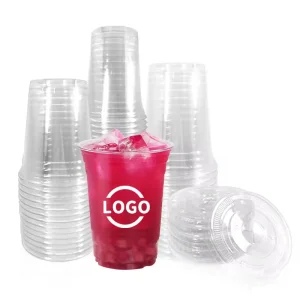
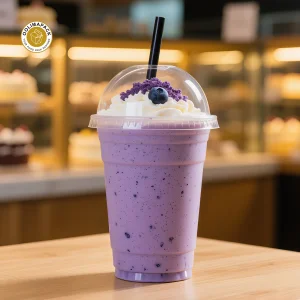
PLA's unique properties, including high transparency, excellent oil resistance, and printability, make it the ideal substrate for cold beverage cups, salad bowls, portion containers, and clear packaging windows. Unlike traditional plastics that persist in landfills for centuries, PLA degrades into carbon dioxide and water under industrial composting conditions within 180 days, leaving zero microplastic residue.
However, navigating the global PLA market requires a deep understanding of thermal performance and material compounding. Standard amorphous PLA has a glass transition temperature ($T_g$) of approximately 55-60°C, rendering it suitable primarily for cold applications. To address high-temperature food service needs, leading factories in China utilize CPLA (Crystallized Polylactic Acid), compounding the polymer with organic nucleating agents to increase thermal stability up to 90-95°C. This makes CPLA container lids, cutlery, and soup bowls compatible with hot food deliveries and hot beverage applications.
As a global procurer, partnering directly with primary manufacturers who understand these material compositions is essential to guarantee that food service products match local climate conditions and specific municipal composting standards.
Shandong PsiPrime Packaging Co., Ltd. is committed to advancing sustainable packaging solutions and promoting the reduction of single-use plastics, helping foodservice and food-related industries transition toward more environmentally responsible operations.
The company strongly believes that biodegradable and compostable packaging materials represent the future of sustainable development. It actively promotes the concept of “plastic alternatives” and works to raise awareness of eco-friendly packaging across global markets. With extensive industry experience and a reliable supply chain, we provide high-quality, sustainable food packaging solutions to customers in many countries and regions.
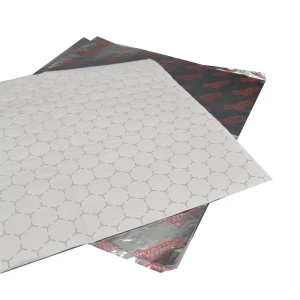
Shandong PsiPrime Packaging Co., Ltd. specializes in the research, development, and manufacturing of eco-friendly food-grade packaging products. Its product portfolio includes compostable food containers, paper-based food packaging, eco-friendly paper bags, food wrapping paper, and disposable catering supplies. These solutions are designed to meet the diverse needs of restaurants, food delivery platforms, food processors, and retail businesses.
The company is dedicated to a customer-centric philosophy, offering one-stop customization services ranging from product design and material selection to custom printing. This enables clients to build strong, recognizable brand packaging while maintaining sustainability goals. At the same time, we emphasize stable delivery performance and strict quality control to ensure efficient and reliable global supply.
Through continuous improvements in production processes and supply chain management, Shandong PsiPrime Packaging Co., Ltd. enhances both cost efficiency and operational reliability, supporting clients in achieving sustainable growth in competitive markets. Looking ahead, the company will continue investing in innovation in biodegradable materials and expanding the application of compostable products across more industries, working together with global partners to build a low-carbon, environmentally friendly, and sustainable future.
Why do leading global brands source their PLA containers from China? The answer lies in structural manufacturing efficiencies, raw material integration, and high-precision processing technologies.
Chinese factories are located within industrial clusters that offer direct access to lactic acid monomers and PLA resins, drastically lowering transportation overheads and stabilizing pricing.
Utilizing state-of-the-art thermoforming, extrusion, and injection molding machinery, our production lines operate continuously, ensuring high precision and zero defects.
Our processes comply with strict FDA, LFGB, OK Compost (TUV), and BPI standards, guaranteeing that every container exported meets food safety and municipal compost requirements.
Our manufacturing facility utilizes a standardized, closed-loop production sequence. From raw material cutting to finished products, our processes ensure hygiene, consistency, and structural durability.
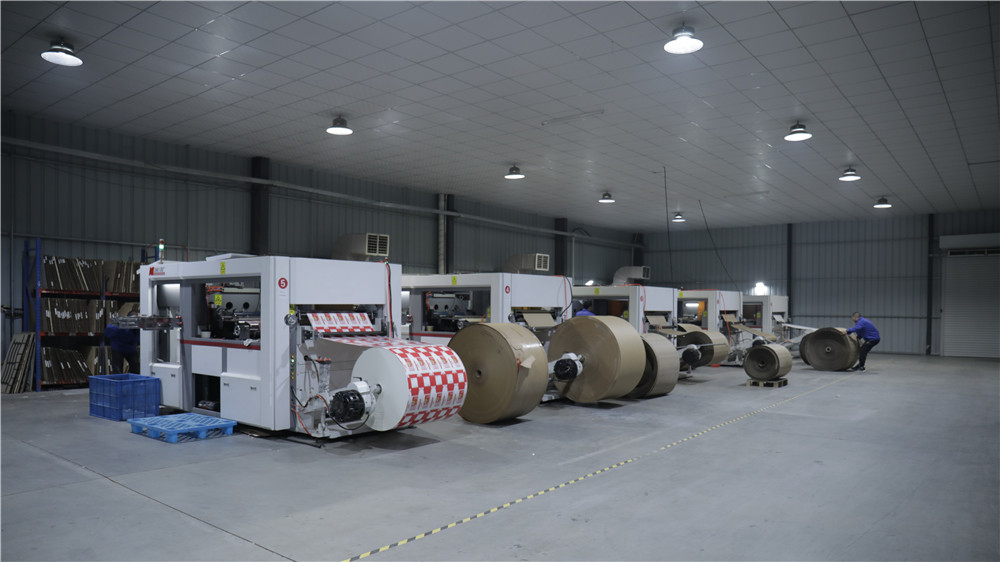
Raw paperboard and PLA-lined materials are slit into highly precise rolls, preparing the substrate for rapid processing.
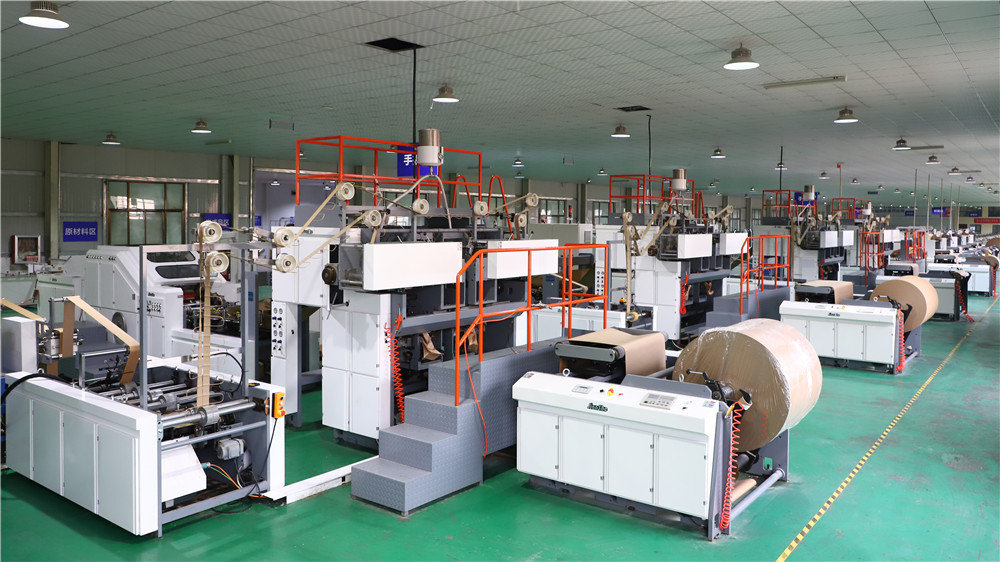
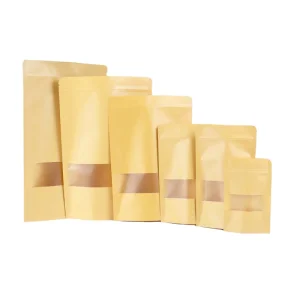
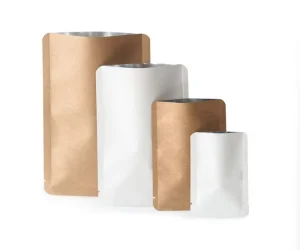
Advanced adhesive systems construct robust flat-bottom and block-bottom bags, providing maximum tear resistance.
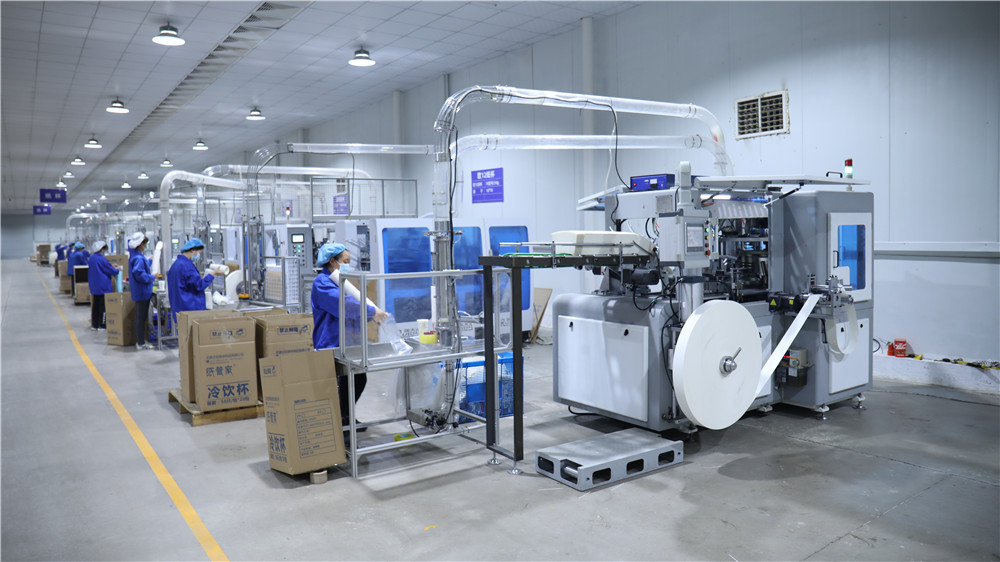
High-speed rotary cups-forming stations shape and seal compostable paper cups, ensuring leak-proof double-wall seals.
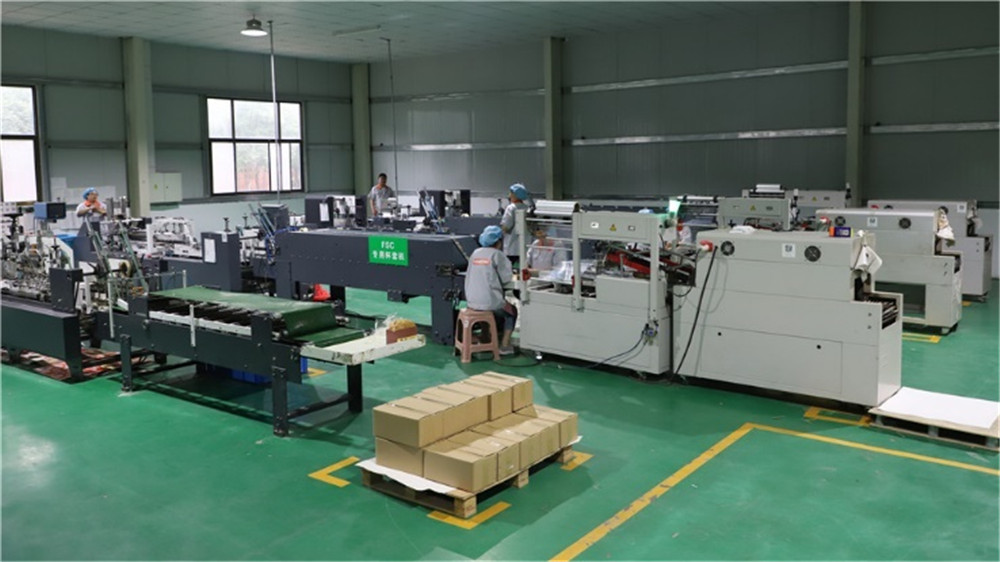
Forming insulated corrugated sleeves that fit securely over double-wall cups, providing heat insulation.
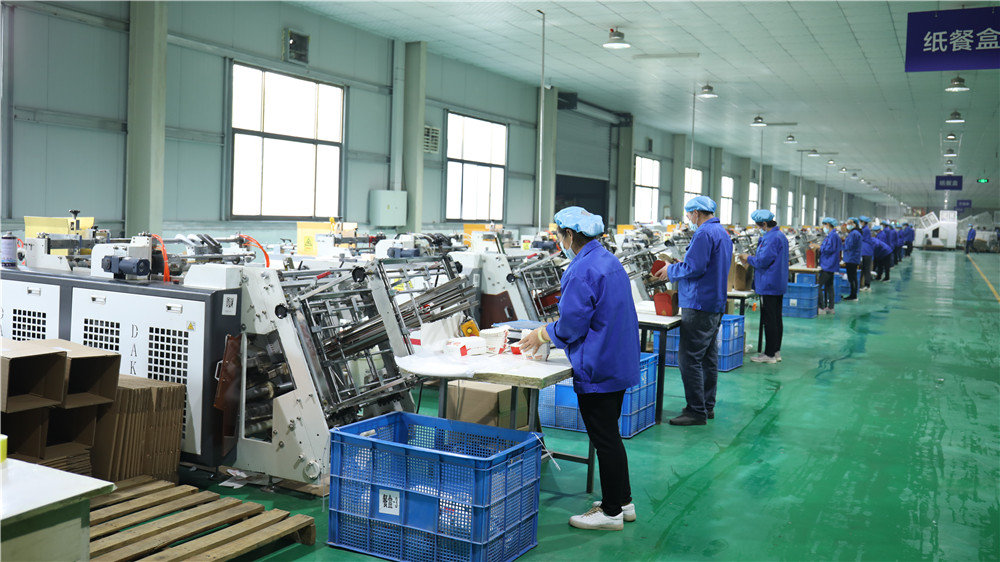
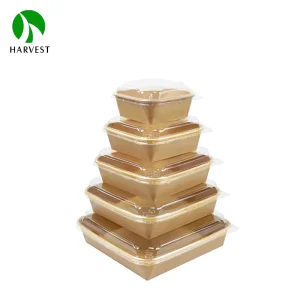
Die-cut cardboard sheets are folded and corner-sealed into structural takeaway boxes, suitable for hot and cold foods.
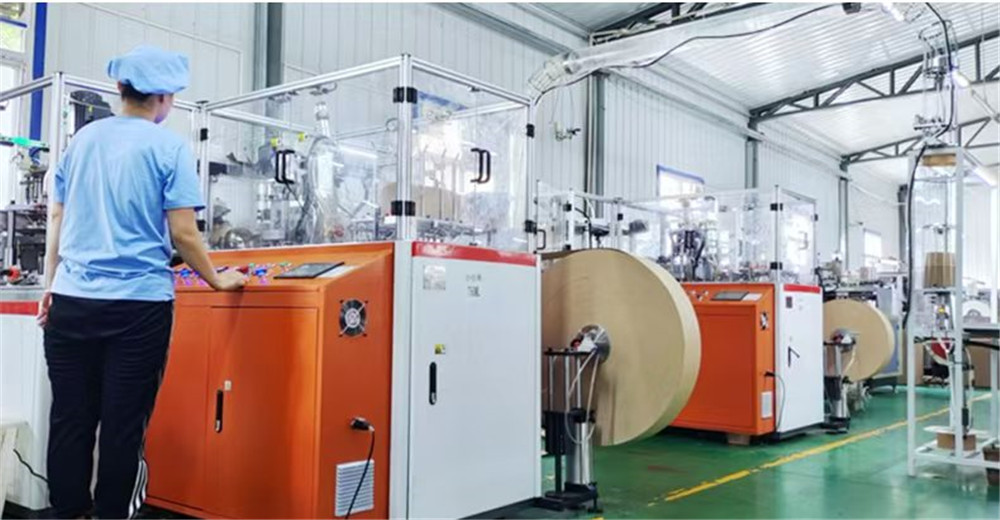
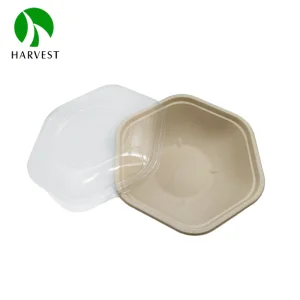
High-pressure compression molds shape large-capacity bowls, ensuring stable structural integrity for salads and liquids.
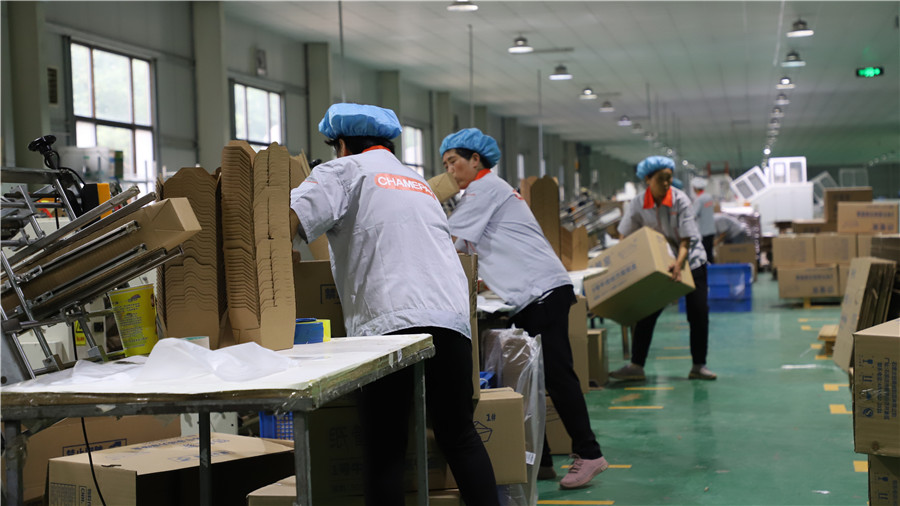
Continuous optical and laser inspection systems detect microscopic pinholes, printing misalignments, or structural defects.
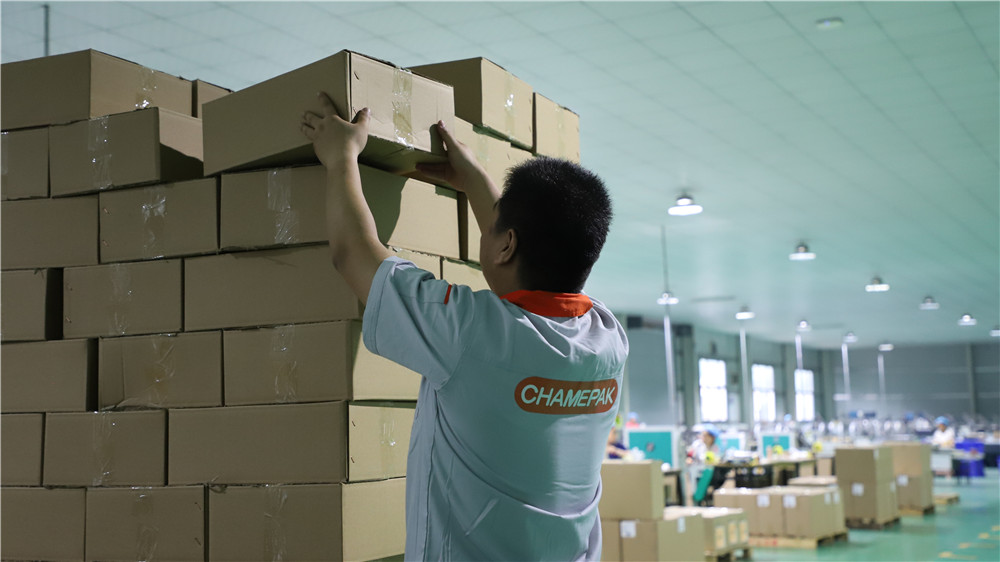
Products are immediately sealed in dust-proof protective plastic/bioplastic films to guarantee sanitary transportation.
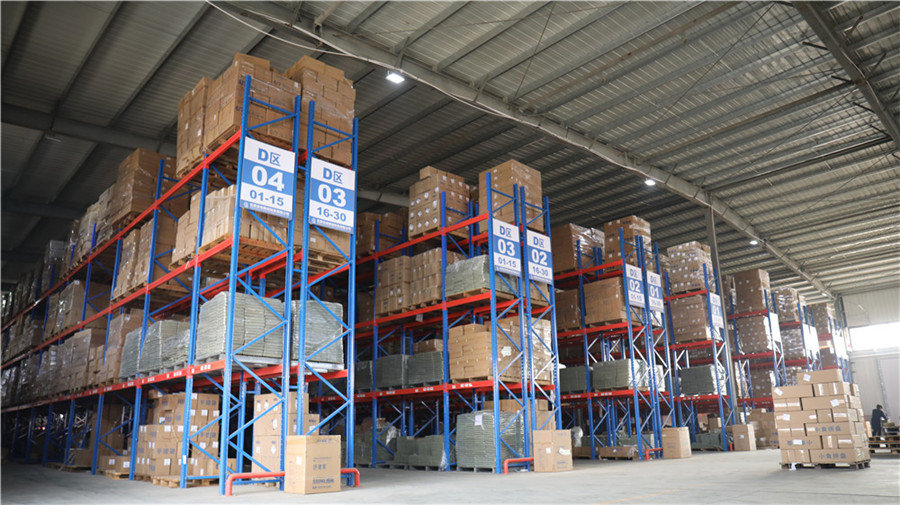
Crates of finished products are cataloged in our temperature-controlled warehouses, ready for global export.
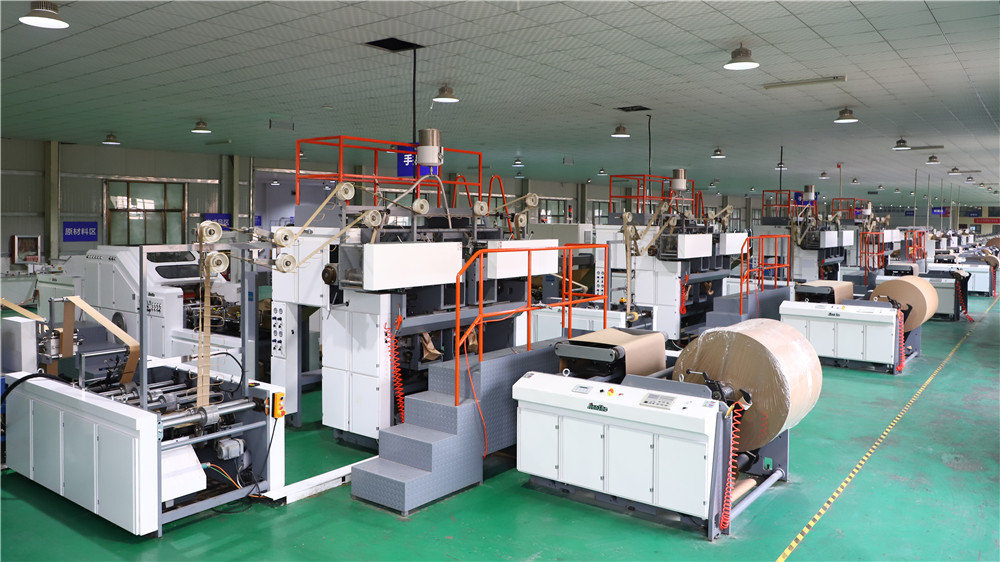
Our high-yield flat bottom bag-making machines support swift mass-scale customization with minimal setups.
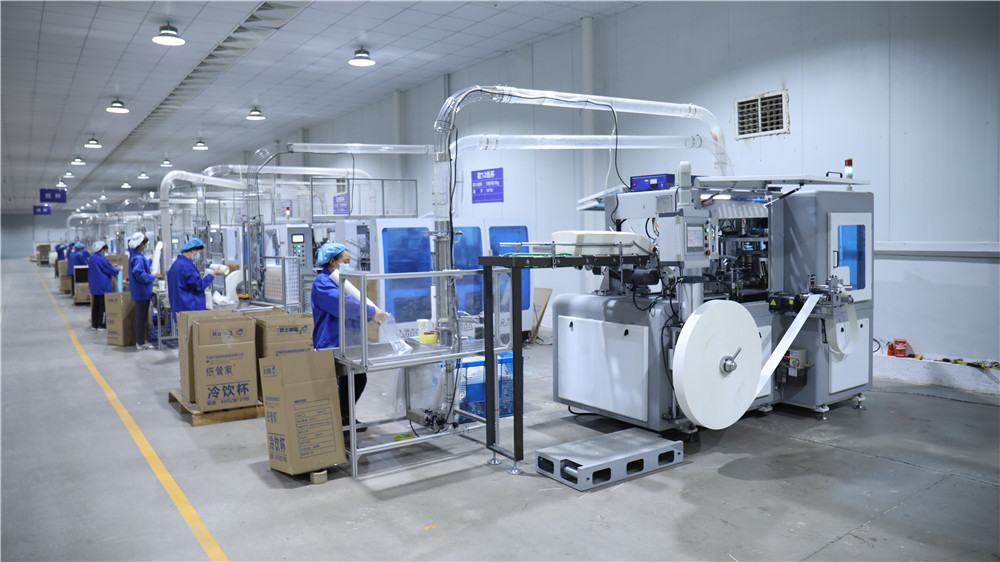
Equipped with ultrasonic heating systems that seal seams securely without needing hot-melt adhesives.
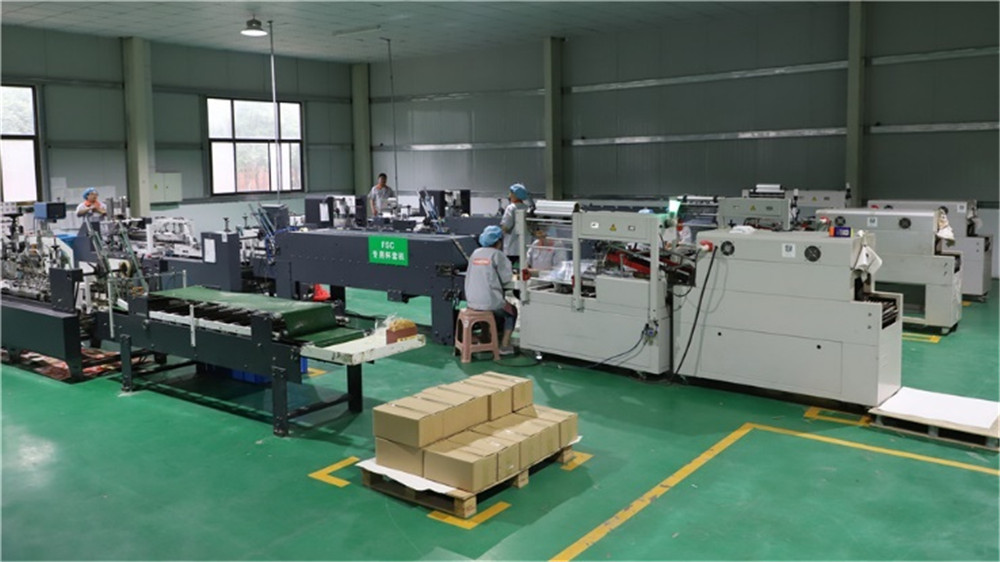
Dedicated machines attach protective wraps, meeting custom dimensional demands from worldwide brands.
PLA and paper-based hybrid structures are utilized across multiple commercial and industrial sectors, meeting high compliance demands and improving brand value.
For quick-service restaurants (QSRs) and specialty coffee roasters, packaging is an extension of the brand. PLA-coated paper cups, CPLA cup lids, and PLA-lined pastry boxes offer the heat resistance, grease-barrier performance, and brand presence that modern consumers expect. These materials prevent oil leakage and retain steam without releasing chemical odors.
Custom logo printing using soy-based, biodegradable inks ensures compliance with regional environmental packaging laws while retaining visual appeal.
For supermarkets, delis, and meal-prep operations, transparent cold containers and high-barrier bags are essential. Clear PLA salad bowls allow consumers to view product freshness directly. Because PLA features high clarity comparable to PET, it serves as an excellent material for fresh fruit containers, cold-pressed juices, and deli packaging.
These products maintain their structural integrity inside refrigerators, reducing splitting or cracking issues during logistics and display.
When sourcing PLA containers from China, verify that the supplier has obtained the necessary compliance certificates. This ensures your imports clear customs easily and comply with all local composting laws.
Ensure products meet ASTM D6400 (North America) and EN 13432 (Europe). These certifications verify that the container breaks down under industrial composting without leaving toxic residues.
Confirm that your supplier provides verified test reports showing compliance with FDA (21 CFR) and LFGB regulations for safe contact with acidic, aqueous, and fatty foods.
Verify that your paper-based materials carry FSC (Forest Stewardship Council) chain-of-custody tracking. This ensures the wood pulp used comes from responsibly managed forests.
The bioplastics industry is moving beyond standard PLA. A major challenge with pure PLA is its brittleness and low thermal stability. To resolve this, researchers have developed PLA-PBAT alloys. By blending PLA with PBAT (polybutylene adipate terephthalate), manufacturers produce flexible packaging bags that offer high puncture resistance and reliable seal strength, making them ideal for heavy-duty food delivery bags.
Additionally, the demand for PFAS-free packaging has driven changes in greaseproofing technologies. Chinese factories are utilizing aqueous-based dispersion coatings that replace traditional fluorinated compounds, meeting the most stringent environmental regulations worldwide.
We are also seeing increased adoption of compostable high-barrier layers. Lamination technologies that co-extrude PLA with PVA (polyvinyl alcohol) or bio-derived starches are improving oxygen and moisture barrier performance.
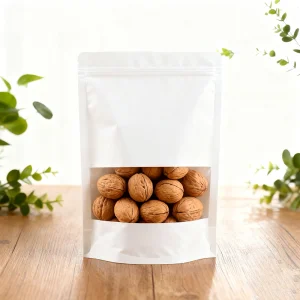
This extension of shelf life enables food producers to use compostable containers for packaged dry goods and long-storage pantry items, expanding the commercial applications for bio-based packaging.
 PsiPrime Packaging