Explore our top eco-designed containers and packaging solutions customized for modern takeaway and foodservice operations.

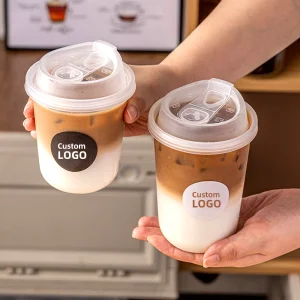
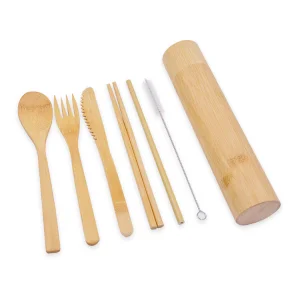
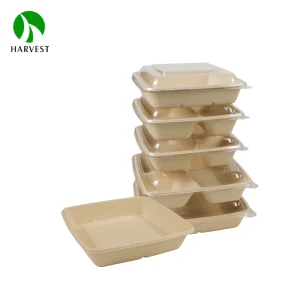
As the global food service industry accelerates its transition toward a circular economy, the demand for sustainable, resilient, and non-toxic materials has undergone an exponential surge. The reliance on petrochemical-derived single-use plastics is rapidly diminishing under the weight of stringent environmental policies, such as the European Union’s Single-Use Plastics Directive (SUPD) and the UNEP's global framework to eliminate plastic pollution. In this changing landscape, CE Certified Bamboo Lunch Boxes have emerged not merely as alternative products, but as strategic solutions for enterprises looking to future-proof their supply chains.
Bamboo (particularly fast-growing species such as Phyllostachys edulis or Moso bamboo) offers exceptional mechanical properties and ecological benefits. Unlike softwoods, which require decades to mature, bamboo reaches harvestable maturity in 3 to 5 years without necessitating clear-cutting or replanting, as its complex rhizome network regenerates continuously. From a macro-environmental perspective, bamboo forests sequester up to 37% more carbon dioxide than equivalent stands of trees, making it a critical asset in Scope 3 emissions reduction strategies for multi-national food brands.
“The strategic integration of highly renewable lignocellulosic biomass like bamboo fiber enables enterprises to transition from fossil-fuel reliance to carbon-negative packaging, achieving structural strength comparable to synthetic polymers while maintaining complete backyard compostability.”
For B2B procurement managers, food delivery giants, and airline catering services, selecting bamboo-based materials is a key component of corporate ESG metrics. However, ensuring food safety compliance and physical stability during transport requires manufacturing processes that align with global regulatory frameworks. This is where Shandong PsiPrime Packaging Co., Ltd. plays a vital role, applying advanced research and development to turn natural fibers into durable, high-performance, and fully certified catering supplies.
A look into our strategic mission, commitment to sustainable material science, and global distribution network.
We are dedicated to advancing sustainable packaging solutions and reducing single-use plastics. Our research helps foodservice and food-related industries transition toward environmentally responsible operations and carbon-neutral goals.
By using premium raw materials and maintaining strict quality control, we ensure our compostable food containers and paper-based packaging meet international standards for food contact safety, including FDA and CE certifications.
From design and material selection to custom printing, we offer a comprehensive customization process. This helps global brands build recognizable identity while maintaining their commitments to sustainability.
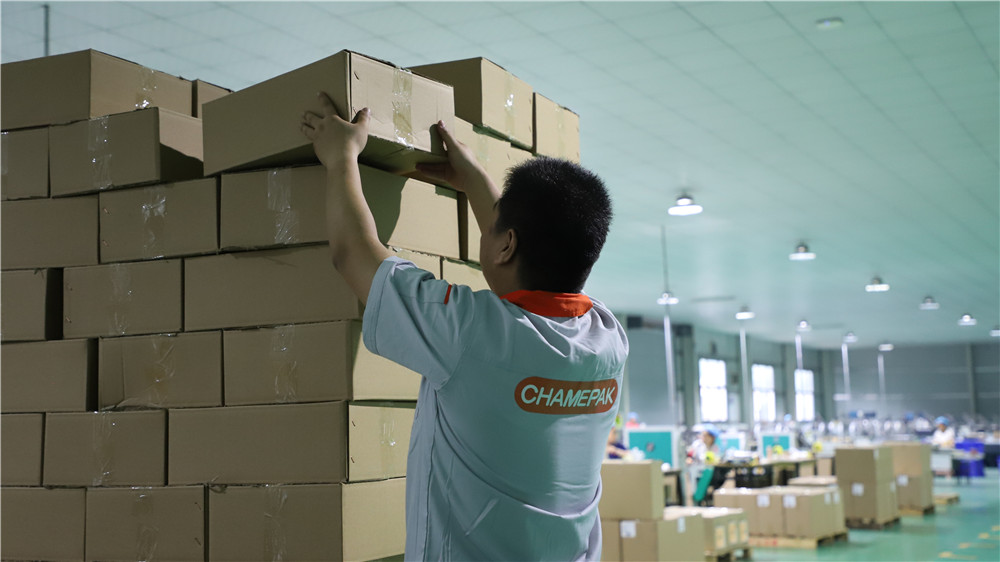
Our infrastructure is built to support high-volume, reliable B2B supply chains across the globe.
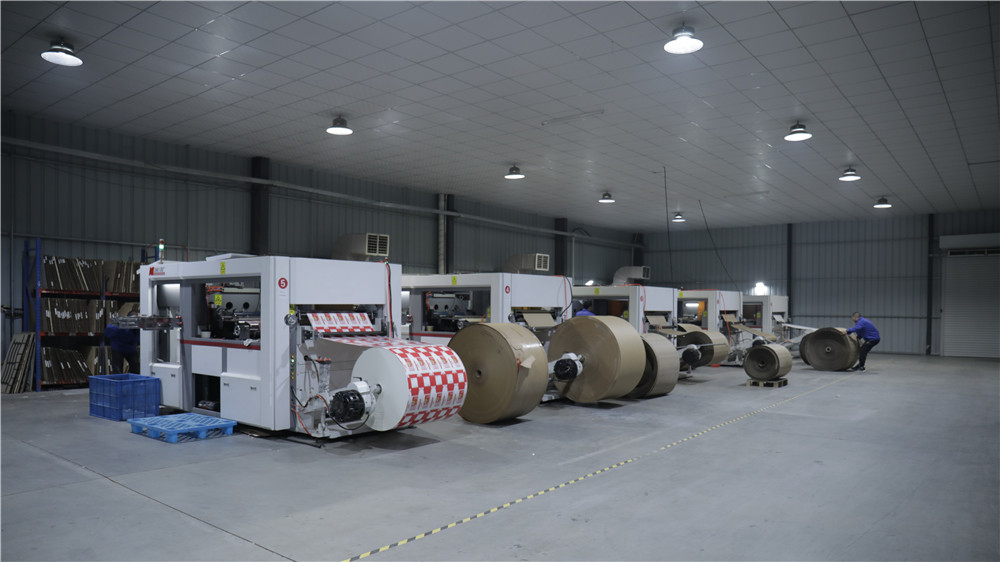
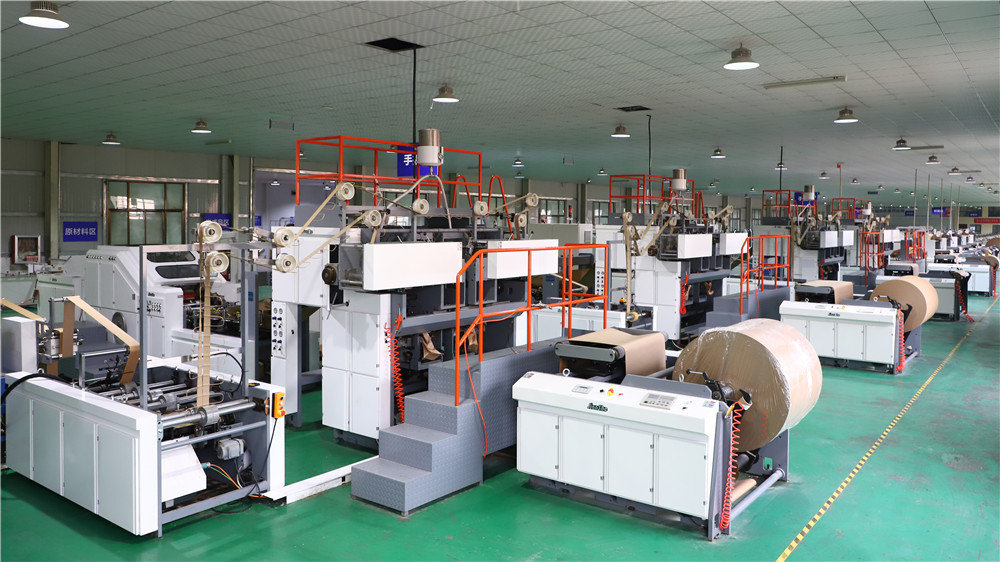
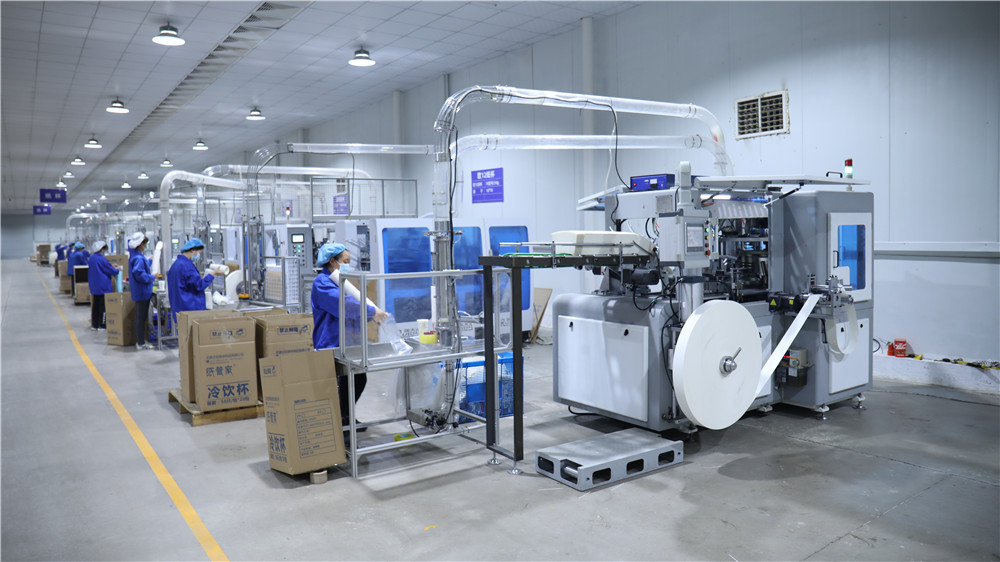
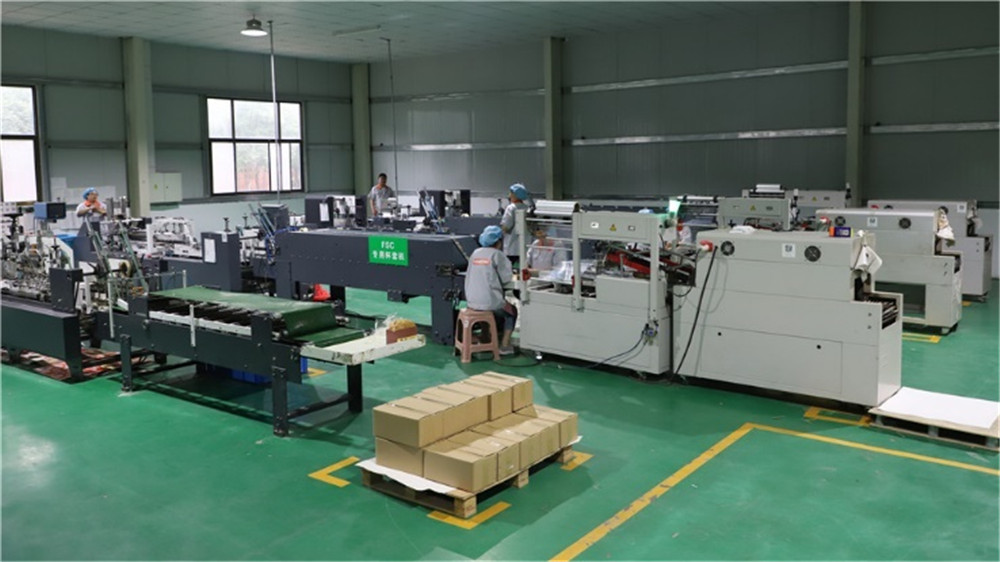
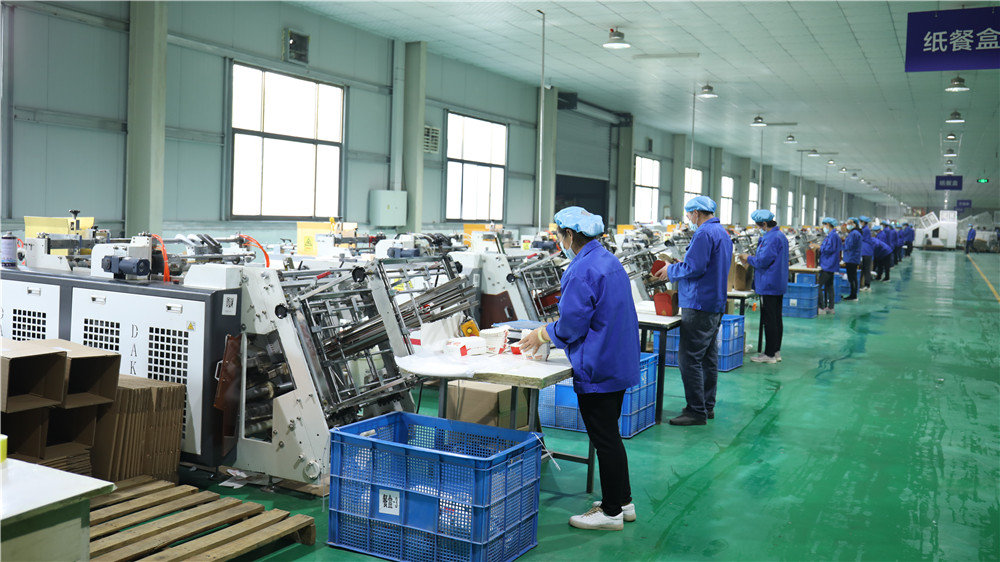
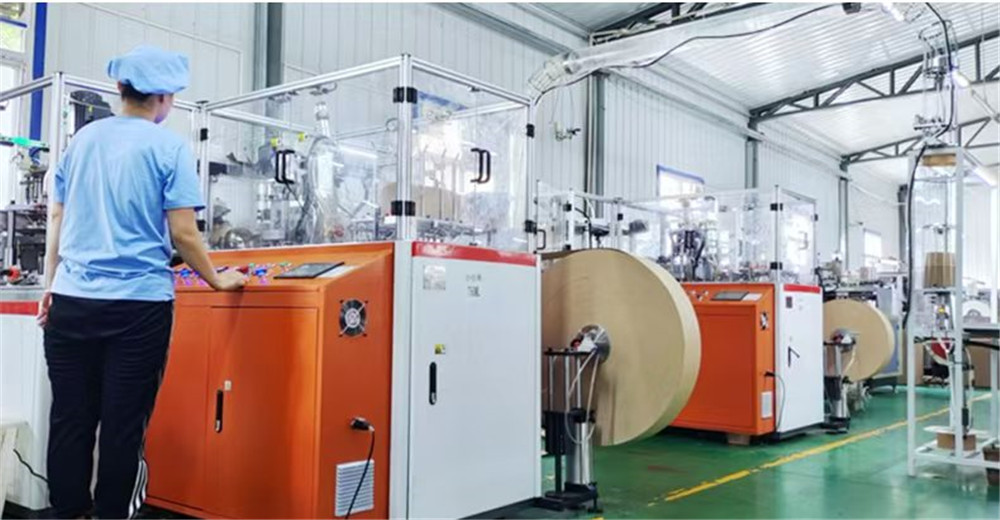
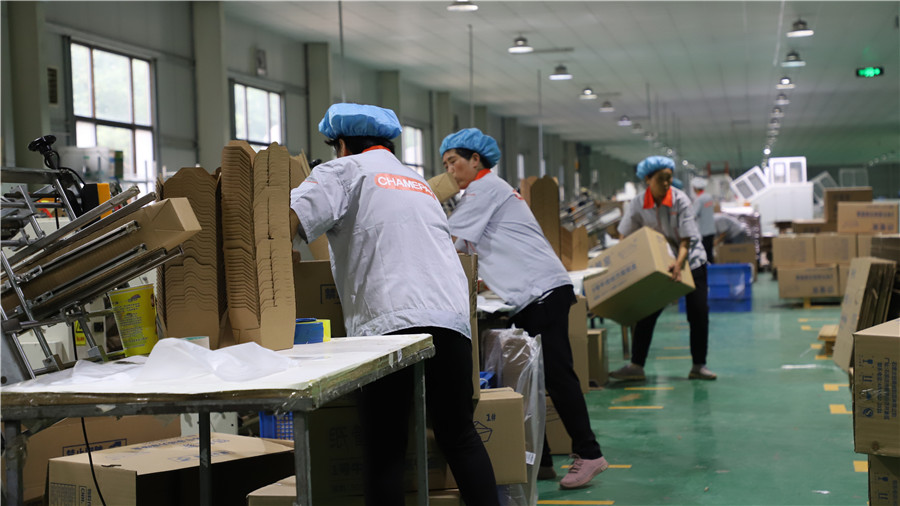
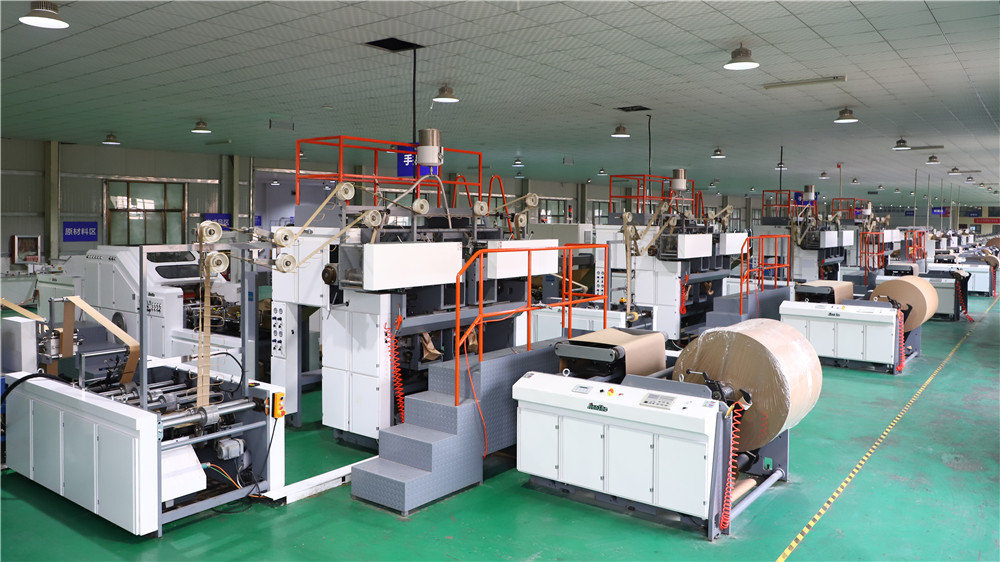
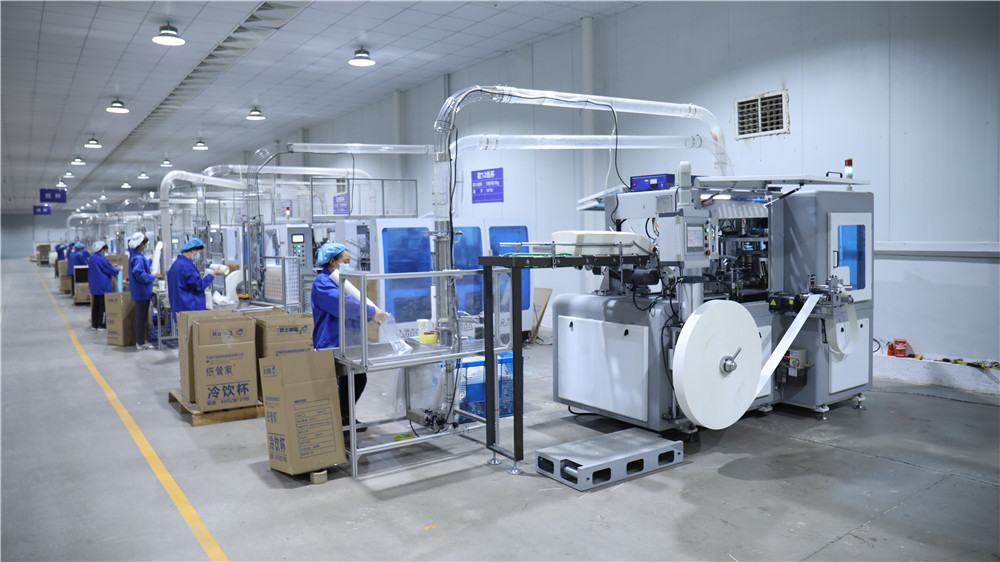
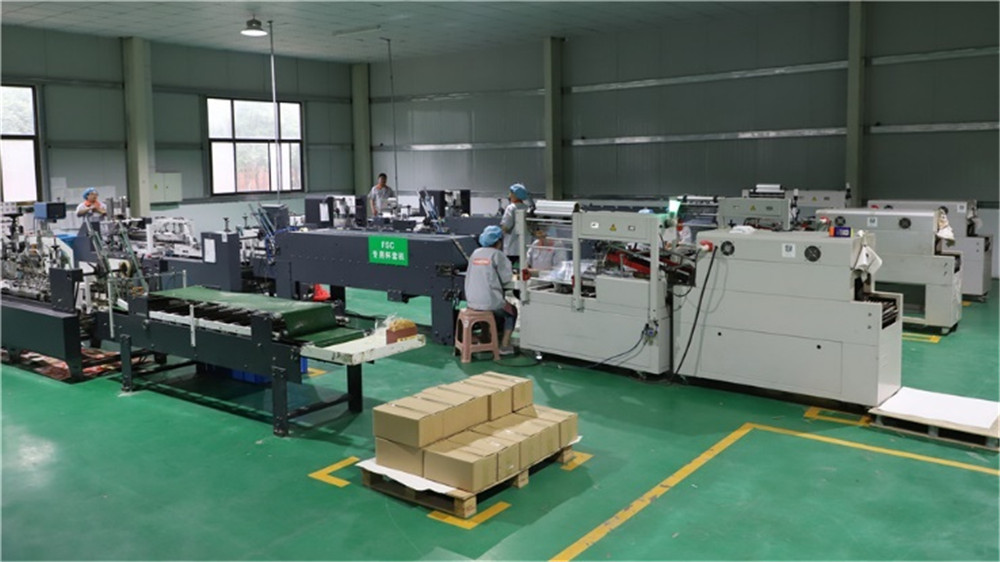
Our facility integrates raw material selection, advanced forming technology, and meticulous quality checks to deliver consistent sustainable packaging.
B2B procurement of food containers involves navigating complex regulatory requirements across different jurisdictions. A primary concern for food safety authorities in Europe and North America is ensuring that alternative materials are free from harmful chemical migration. Standard wood pulp and plant-fiber products can sometimes contain traces of per- and polyfluoroalkyl substances (PFAS), which have historically been used for greaseproofing. However, growing health and environmental concerns are driving global bans on these compounds.
Additionally, the CE mark indicates conformity with health, safety, and environmental protection standards for products sold within the European Economic Area (EEA). For food contact materials like bamboo lunch boxes, this means strict adherence to Regulation (EC) No 1935/2004, which mandates that materials must not release their constituents into food in quantities that could endanger human health, bring about an unacceptable change in food composition, or cause deterioration in its taste or odor. Achieving compliance requires careful testing of raw materials and finished products under realistic conditions of use.
Shandong PsiPrime Packaging Co., Ltd. addresses these regulatory requirements by selecting high-grade raw materials and maintaining strict process control. Our cleanroom facilities and automated testing ensure our products are suitable for demanding international markets.
Industrial packaging demands high functional performance. Bamboo lunch boxes must maintain structural integrity when exposed to heat, humidity, and mechanical stress. Our product engineering focuses on three key factors:
Bamboo fiber containers feature high tensile strength and natural elasticity. This allows them to withstand temperatures from -20°C up to 120°C, making them suitable for microwave reheating and low-temperature freezing. Their low thermal conductivity helps keep hot food at serving temperature while protecting consumers' hands from heat discomfort.
Uncoated plant fibers naturally absorb water and oil. To provide leak resistance, we apply food-safe barriers such as biodegradable PLA or aqueous-based dispersion coatings. These layers prevent grease and moisture from penetrating the container wall, ensuring the packaging remains stable throughout delivery.
We work closely with clients to build distinct brand identities using eco-friendly, food-grade inks (such as soy-based and water-based inks). Our advanced flexographic and offset printing equipment delivers sharp logos, QR codes, and custom artwork without compromising compostability or food safety.
| Parameter | Standard Bamboo Packaging | PsiPrime Engineered Range |
|---|---|---|
| Grease Resistance | Standard 2-4 Hours | Up to 12 Hours (Aqueous Coating) |
| Temperature Range | 0°C to 80°C | -20°C to 120°C (Microwave Safe) |
| Biodegradability | Variable (depending on coatings) | Fully Compostable under EN 13432 |
| Heavy Metals & PFAS | Trace levels possible | 100% Free / ND (Not Detected) |
A reliable supply chain is essential for international brands and distributors. The transition to eco-friendly food packaging requires careful planning around lead times, storage conditions, and global freight logistics. Shandong PsiPrime Packaging Co., Ltd. coordinates these elements to ensure steady product delivery.
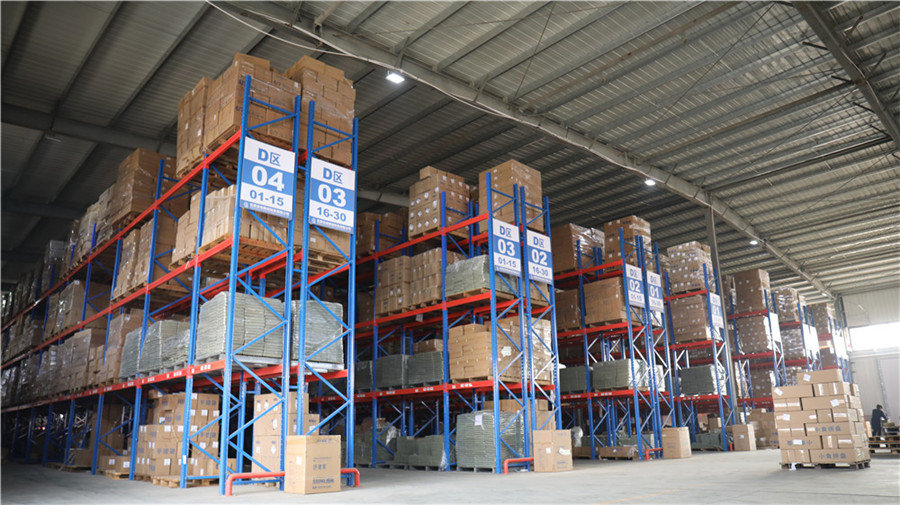
Natural fiber containers, including bamboo and bagasse, are sensitive to environmental conditions during storage. Exposure to high humidity or shifting temperatures can lead to moisture absorption or premature degradation. To prevent these issues, our finished products are stored in temperature- and humidity-controlled warehouses, sealed in moisture-barrier outer packaging, and stacked on export-grade pallets to simplify handling.
Additionally, our proximity to major international shipping ports allows us to optimize freight times, reduce carbon footprints during transit, and offer flexible shipping terms (FOB, CIF, DDP) to match our clients' logistics preferences. By providing comprehensive customs documentation and compliance certificates with every shipment, we help minimize customs delays and streamline importation.
Answers to common technical, regulatory, and logistics questions from global distributors and procurement managers.
Our bamboo and plant-fiber food containers conform with EU Regulation (EC) No 1935/2004, German BfR Recommendation XXXVI, and Regulation (EU) 10/2011 where biopolymer linings are applied. These certifications ensure that overall migration limits (OML) and specific migration limits (SML) for metals, plasticizers, and other chemicals remain well within legal limits, ensuring safety for direct food contact.
To prevent oil and liquid absorption, we offer two lining choices: Polylactic Acid (PLA) and aqueous-based dispersion coatings. PLA is a plant-based biopolymer that degrades under industrial composting conditions. Our aqueous dispersion coatings offer excellent water and oil resistance and are designed to compost easily in standard municipal compost facilities, meeting EN 13432 standards.
We perform chemical testing on every batch of raw materials using gas chromatography-mass spectrometry (GC-MS). This ensures that no organic fluorine compounds (PFAS, PFOS, PFOA) are added during the pulp preparation, molding, or finishing stages, keeping our products aligned with strict environmental and health regulations.
Our standard MOQ for custom-printed or custom-molded designs is 50,000 units, while standard items from our stock inventory can be ordered starting at 10,000 units. Lead times run between 20 and 30 days from final artwork sign-off, depending on the order size and our production schedule.
We recommend storing our bamboo-based packaging in a cool, dry warehouse with relative humidity under 60%. Keep the products sealed in their original PE/carton packaging until use, and avoid direct exposure to concrete floors or damp warehouse walls to prevent moisture absorption.
Discover more of our versatile, high-quality catering supplies and food-grade packaging items.
 PsiPrime Packaging