Street food is a vibrant part of culture, yet it often comes with plastic waste. "How to pack hot street food without plastic bags" is more than just a question; it's a call to action. Experts like Maria Chen, a sustainable food packaging consultant, emphasize, "Using eco-friendly alternatives not only helps the planet but also enhances the food experience."
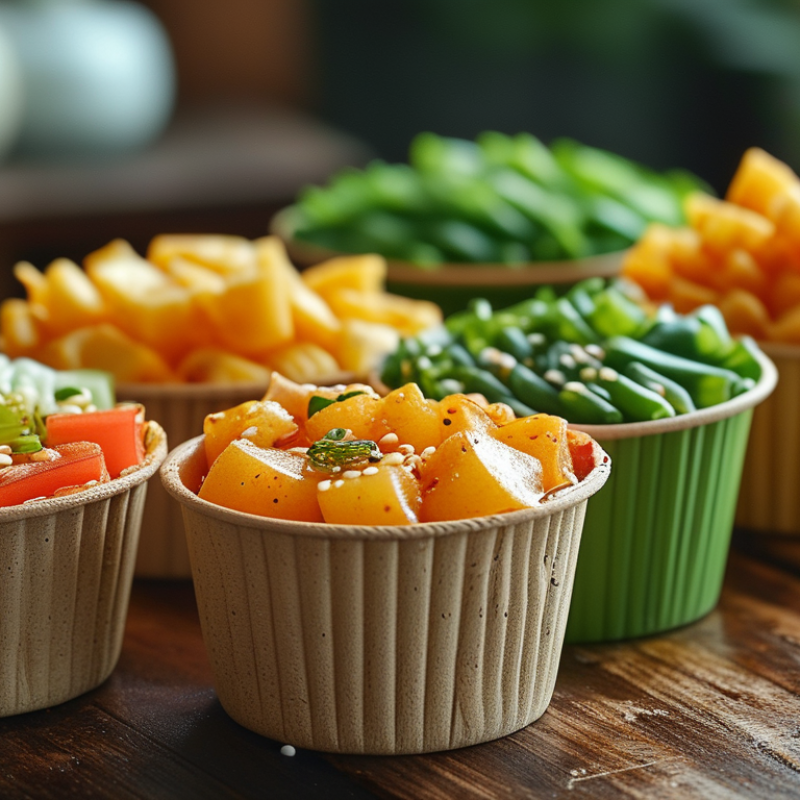
When packing hot street food, certain materials can keep the food fresh and safe. Containers made from bamboo or biodegradable materials provide sturdy options. Proper ventilation in these containers prevents sogginess from steam.
Despite these suggestions, there's still a challenge. Many vendors rely on convenience over sustainability. Reflecting on their choices can inspire change. Transitioning away from plastic might seem daunting, but take small steps. Exploring creative alternatives is essential for a greener future. Engaging with communities about “how to pack hot street food without plastic bags” could lead to innovative solutions.
Understanding the Environmental Impact of Plastic Bags for Food Storage
Plastic bags are convenient but have significant environmental impacts.
They contribute to pollution, harming wildlife and marine ecosystems. Reports show that millions of marine animals die each year due to plastic ingestion.
This issue is often overlooked, yet it requires immediate attention.
When packing hot street food, consider alternatives. Use
reusable containers made from materials like stainless steel or glass.
These options not only reduce waste but also keep food fresh and safe. However, some may find these choices heavier or less convenient for on-the-go meals.
It's essential to weigh the
pros and cons of each method.
Consider biodegradable packaging as a middle ground.
While it might not be as common, some options break down naturally, reducing long-term waste.
Still, research and testing are crucial to ensure safety and effectiveness. Each decision shapes our environmental footprint.
Addressing these concerns leads to a
healthier planet and a more sustainable future.
Exploring Eco-Friendly Alternatives to Plastic Bags for Street Food
As street food gains worldwide popularity, the environmental impact of plastic bags becomes a pressing concern. According to a report by the United Nations Environment Programme, over 300 million tons of plastic are produced annually, and a significant portion is not recycled. The food industry, especially street vendors, contributes to this problem with single-use plastics. Sustainable alternatives are not only available, but they can also provide safe and effective packaging for hot street food.
One promising solution is biodegradable containers made from materials like bamboo, corn starch, and sugarcane. A 2021 study published in the Journal of Cleaner Production found that biodegradable options could reduce plastic consumption by up to 50% when adopted widely. These materials can withstand high temperatures, making them suitable for hot food. Additionally, reusable stainless steel or glass containers are excellent for customers who dine in. Although their initial cost is higher, they can save money over time. Consumers are becoming more aware and receptive to eco-friendly practices, but vendors must encourage this shift.
Despite these advancements, some challenges remain. Not all biodegradable products break down efficiently in every environment. Poor disposal practices can negate their benefits. Education on proper waste management is essential for successful implementation. Street vendors should also consider the local market's readiness for alternatives. By investing in sustainable packaging, vendors not only contribute to environmental preservation but also attract eco-conscious customers.
How to Pack Hot Street Food Without Plastic Bags Effectively? - Exploring Eco-Friendly Alternatives to Plastic Bags for Street Food
| Alternative |
Material |
Insulation Quality |
Reusability |
Biodegradability |
| Reusable Metal Containers |
Stainless Steel |
Excellent |
Yes |
No |
| Bamboo Containers |
Bamboo |
Good |
Yes |
Yes |
| Compostable Bags |
PLA (Polylactic Acid) |
Moderate |
No |
Yes |
| Paper Wrapping |
Recycled Paper |
Fair |
Yes |
Yes |
| Cloth Bags |
Cotton or Linen |
Good |
Yes |
Yes |
Step-by-Step Guide to Choosing the Right Packaging Materials
When it comes to packing hot street food, choosing the right packaging is crucial. Many vendors face challenges with maintaining temperature and food safety. According to a report from the Institute of Food Technologists, nearly 40% of packaged food products do not meet food safety standards due to improper materials. This underscores the importance of careful selection.
Biodegradable materials are gaining traction in the food industry. Their ability to break down can minimize environmental impact while ensuring food safety. For instance, paperboard or plant-based containers provide better insulation than traditional plastics. Research shows that these materials can keep food hot for longer periods, benefiting both vendors and consumers. However, finding the right balance between sustainability and thermal properties remains difficult.
Finding suitable options can be overwhelming. Many packaging types may not insulate effectively, leading to food coming out lukewarm. Some may not withstand high temperatures, potentially compromising food quality. Vendors need to test different materials to see which aligns with their food items. Continuous evaluation and adaptation are necessary for success in this evolving landscape.
Best Practices for Safely Packing Hot Street Food Without Plastic
When it comes to packing hot street food, safety should always be your top priority. The National Sanitation Foundation (NSF) emphasizes that proper food packaging can prevent contamination. Ensuring that hot food is insulated effectively can maintain its temperature. According to a study, food held at over 140°F minimizes bacterial growth.
Using eco-friendly alternatives instead of plastic bags, like biodegradable containers, is recommended. A 2021 report showed that these options can reduce environmental impact by over 30%. Wrapping food in parchment paper can also offer effective insulation while allowing steam to escape. This prevents sogginess and maintains texture.
It’s vital to avoid packing food too tightly. Doing so can crush delicate items like spring rolls or fried snacks. Insights from food safety experts highlight that allowing air circulation improves quality. However, finding the right balance can be challenging. Not every method works for every type of food, which poses a constant dilemma. Embracing trial and error is essential for improving the methods of packing hot street food effectively.
Tips for Insulating and Transporting Hot Food Containers Effectively
Packing hot street food without plastic can be challenging. Insulation is key to maintaining temperature. Consider using materials like cloth, foil, or biodegradable wraps. These options work well and can reduce environmental impact. A thick cloth can help keep heat in, especially if you wrap it tightly around the container.
When transporting food, keep it stable. Use a basket or sturdy box. Make sure containers have tight lids to prevent spills. If you can, add a heat-retaining element, like a hot water bottle, to help keep the food warm longer. These strategies may require some trial and error.
No method is perfect. Sometimes, food may cool down too quickly. It's essential to test different methods to find what works best. Not every trip will be successful, but learning from mistakes can lead to better packing techniques. Finding a balance between insulation and convenience may take time and patience.
Conclusion
In the pursuit of reducing environmental pollution, understanding the impact of plastic bags for food storage is crucial. This article discusses how to pack hot street food without plastic bags by exploring eco-friendly alternatives that can effectively preserve food while minimizing waste. It provides a comprehensive step-by-step guide to selecting suitable packaging materials, ensuring that they are not only sustainable but also safe for food contact.
Furthermore, the article outlines best practices for safely packing hot street food, focusing on techniques that maintain food temperature and quality. It includes essential tips for insulating and transporting containers to ensure that the food remains hot and fresh during transit. By following these guidelines, individuals can enjoy street food while actively contributing to environmental conservation.

 PsiPrime Packaging