Why Can You Microwave Sugarcane Bagasse Tableware?

Time:2026-06-15 Author:Liam
0%

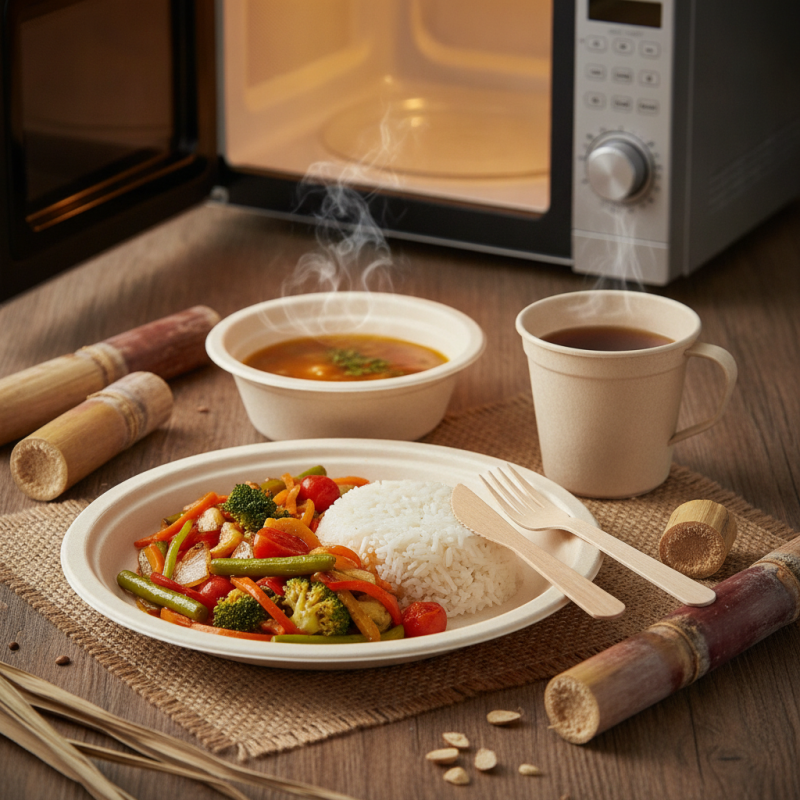
Microwaving food has become commonplace. However, many wonder, "can you microwave sugarcane bagasse tableware?" Sugarcane bagasse is a byproduct of sugar production. It offers an eco-friendly alternative to traditional plastic containers. They are sturdy, lightweight, and biodegradable.

Experts have tested sugarcane bagasse products for safety in microwaves. Research shows they can withstand heat without releasing harmful chemicals. This makes them a sustainable choice for consumers concerned about health. However, one must use these products correctly. Overheating or using them for extended periods may lead to warping.

While sugarcane tableware is versatile, not all products are created equal. Some may not be designed for microwave use. Consumers should check labels to ensure safety. This consideration is crucial in our journey towards sustainable living.
Why Can You Microwave Sugarcane Bagasse Tableware?

Understanding Sugarcane Bagasse: Composition and Properties

Sugarcane bagasse is a fibrous byproduct of sugar production. Its composition mainly includes cellulose, hemicellulose, and lignin, which contribute to its durability and biodegradability. Studies indicate that sugarcane bagasse contains about 40-50% cellulose, 25-30% hemicellulose, and 15-20% lignin. These components give bagasse its strength and resistance to breakage under various conditions.

One of the fascinating properties of sugarcane bagasse is its thermal stability. It can withstand heat without compromising its structural integrity. This is why sugarcane bagasse tableware can be safely microwaved. Extensive research shows that these materials can endure microwave temperatures, making them ideal for both hot and cold food items. However, checks on added coatings or fillers are essential, as they might alter this property.

**Tip: When using sugarcane bagasse tableware in the microwave, avoid overloading it with heavy items.** Monitor the tableware closely to ensure it remains intact. Despite its durability, it’s key to remember that not all products labeled as “biodegradable” perform equally. Always assess the specific product’s specifications to ensure it meets your needs.

The Science Behind Microwaveable Tableware

Microwaveable tableware made from sugarcane bagasse is gaining popularity. This eco-friendly material is a byproduct of sugar production. It is often overlooked but has unique properties that make it suitable for microwave use.

The science behind sugarcane bagasse is quite fascinating. Unlike traditional plastic, it does not contain harmful chemicals that can leach into food. Bagasse is primarily made up of cellulose, hemicellulose, and lignin. These natural components can withstand microwave heat without melting or warping. The fibrous structure allows it to absorb moisture, reducing the risk of overheating.

Some users may find it surprising. Microwave cooking can affect materials in unpredictable ways. While bagasse is durable, it is still essential to monitor cooking times. Overheating can happen. Bagasse may become hot to the touch, leading to burns if handled carelessly. Proper usage is critical for maximizing its benefits. Understanding these details helps consumers make informed choices when using sugarcane bagasse tableware.

Advantages of Using Sugarcane Bagasse in Food Service

Sugarcane bagasse tableware has gained popularity in food service due to its numerous advantages. One major benefit is its eco-friendliness. Made from the waste of sugarcane processing, it reduces the reliance on plastic. This transition supports sustainability, as sugarcane is a renewable resource. As consumers increasingly prioritize environmental responsibility, bagasse tableware meets this demand.

Another significant advantage is the durability of sugarcane bagasse products. These items can withstand high temperatures, making them suitable for microwaving. This feature offers convenience in food service, where quick preparation is essential. Operators can serve hot meals without fear of compromising the integrity of their tableware. Moreover, the biodegradable nature of bagasse means that after use, it decomposes naturally. While there may be some limitations in terms of moisture resistance, overall, sugarcane bagasse remains a strong contender for those looking to innovate in eco-conscious dining.

Environmental Impact of Sugarcane Bagasse Products

Sugarcane bagasse tableware has garnered attention for its eco-friendly profile. Utilizing byproducts from sugar production, it contributes to waste reduction. Research shows that the global biodegradable tableware market is projected to reach $15 billion by 2026, driven by rising environmental concerns. This product offers a renewable alternative to plastic, which takes hundreds of years to decompose.

The environmental impact of sugarcane bagasse is noteworthy. Unlike conventional plastic, which is derived from fossil fuels, sugarcane bagasse is compostable, breaking down within 90 to 180 days under proper conditions. This means less landfill waste and decreased greenhouse gas emissions during decomposition. However, challenges remain. The production of sugarcane products demands significant agricultural land. In some regions, this can lead to deforestation and loss of biodiversity, an issue that warrants careful examination.

Consumers appear more informed today. According to a recent survey, 70% of individuals prefer sustainable products. The challenge lies in ensuring the complete lifecycle management of sugarcane bagasse. More data is needed on its impact post-consumer use, particularly in recycling and composting practices. While sugarcane bagasse is a step in the right direction, ongoing assessment is crucial to ensure it meets environmental goals without creating new problems.

Environmental Impact of Sugarcane Bagasse Products

This chart illustrates the environmental benefits of using sugarcane bagasse products compared to traditional plastic tableware, focusing on key factors such as biodegradability, carbon footprint, and resource consumption.

Usage Guidelines for Microwaving Sugarcane Bagasse Tableware

Microwaving sugarcane bagasse tableware is a great way to enjoy eco-friendly dining. This material is made from the fibrous remains of sugarcane after juice extraction. It’s renewable and biodegradable. However, usage guidelines are essential for proper maintenance.

When microwaving sugarcane bagasse items, ensure they are devoid of metallic components. Keep an eye on the heating time. Overheating can cause warping or damage. Always check if the tableware is labeled as microwave-safe before use. Not all products are created equal.

Tips: Use lower wattage settings to avoid damage. Start with shorter heating intervals. This prevents overheating and prolongs the life of the tableware. After microwaving, allow items to cool naturally. Directly placing them in cold water is not recommended. It can lead to cracking.

Remember that not every piece will perform the same. There may be variations in quality. It’s essential to stay attuned to how your tableware responds in the microwave. Adjust your approach based on your observations for the best experience.

Why Can You Microwave Sugarcane Bagasse Tableware? - Usage Guidelines for Microwaving Sugarcane Bagasse Tableware

Feature Description Usage Guidelines
Material Made from renewable sugarcane fibers Can be microwaved safely
Temperature Resistance Can withstand high temperatures up to 200°C Do not expose to direct flame
Usage Duration Suitable for reheating and short cooking times Max 3-5 minutes in the microwave
Leakage Resistance Resistant to liquids, holds food well Ideal for both wet and dry food
Eco-friendliness Biodegradable and compostable Dispose of responsibly

FAQS

: What is sugarcane bagasse?

: Sugarcane bagasse is a fibrous byproduct from sugar production. It consists of cellulose, hemicellulose, and lignin.

What are the main components of sugarcane bagasse?

It contains around 40-50% cellulose, 25-30% hemicellulose, and 15-20% lignin, providing strength and durability.

Can sugarcane bagasse tableware be used in the microwave?

Yes, it can withstand microwave temperatures. However, check added coatings to ensure safety and performance.

How should I use sugarcane bagasse tableware in the microwave?

Avoid overloading with heavy items. Monitor closely to ensure it maintains its integrity while heating.

What are the advantages of using sugarcane bagasse in food service?

It is eco-friendly, reducing plastic use, and supports sustainability by being made from renewable resources.

Is sugarcane bagasse tableware durable?

Yes, it can withstand high temperatures and is suitable for serving hot meals without compromising quality.

Does sugarcane bagasse decompose?

Yes, it is biodegradable and decomposes naturally after use, though moisture resistance may vary.

Are all biodegradable products the same?

No, not all labeled products perform equally. Always check specific product specifications to meet needs.

What should I consider when choosing bagasse products?

Assess durability and whether they meet your eco-friendly standards. Check for moisture resistance limits as well.

Why is consumer demand increasing for bagasse tableware?

Consumers prioritize environmental responsibility. Bagasse tableware meets this demand effectively through its eco-friendliness.

Conclusion

Sugarcane bagasse tableware is gaining popularity due to its eco-friendly properties and suitability for use in food service. Composed mainly of cellulose, hemicellulose, and lignin, sugarcane bagasse exhibits reliable strength and durability, making it an ideal material for disposable tableware. The science behind why you can microwave sugarcane bagasse tableware lies in its ability to withstand heat without releasing harmful chemicals, ensuring safety and functionality in food preparation.

The advantages of using sugarcane bagasse are manifold, particularly its lower environmental impact compared to traditional plastic products, as it is biodegradable and sourced from renewable materials. When utilizing this tableware in microwaves, it's important to follow usage guidelines to ensure optimal performance. In summary, if you are wondering, "can you microwave sugarcane bagasse tableware?" the answer is yes, making it a practical choice for both convenience and sustainability in food service.

Liam

Liam

Liam is a dedicated marketing professional with a profound expertise in the industry, where he excels at highlighting the unique advantages of our core products. With a keen understanding of market trends and consumer needs, Liam frequently updates our company’s professional blog, providing......