Can You Recycle Grease Stained Paper Food Packaging?

Time:2026-09-25 Author:Madeline
0%

Can you recycle grease stained paper food packaging? The answer is not always simple. A pizza box with a small translucent spot may be treated differently from a paper tray soaked with oil or lined with plastic. Paper fibers can be difficult to separate when grease and food residue cling to them, and recycling rules vary by community. It depends. A clean, dry section might still be useful, while a heavily stained portion may not belong in the recycling bin.

This guide explains what to check before you sort greasy paper packaging. You’ll learn why oil, leftover food, and plastic coatings can affect paper recycling. We’ll also consider familiar examples, such as takeout bags, bakery wrappers, and the top of a pizza box. Local recycling programs set their own acceptance rules, so advice from a general guide cannot replace your provider’s instructions. That distinction matters. Look for current guidance from your city or waste service, especially when packaging has a glossy finish or a food-resistant lining. If instructions are unclear, separating visibly clean paper from greasy sections can be a practical starting point—but don’t assume every program accepts the clean pieces. The goal is to make a careful decision, not to treat every stain as the same. I still pause over packaging that looks like plain paper but feels coated; appearance alone can mislead.
Can You Recycle Grease Stained Paper Food Packaging?

What Counts as Grease-Stained Paper Food Packaging?

Can You Recycle Grease Stained Paper Food Packaging?

What Counts as Grease-Stained Paper Food Packaging?

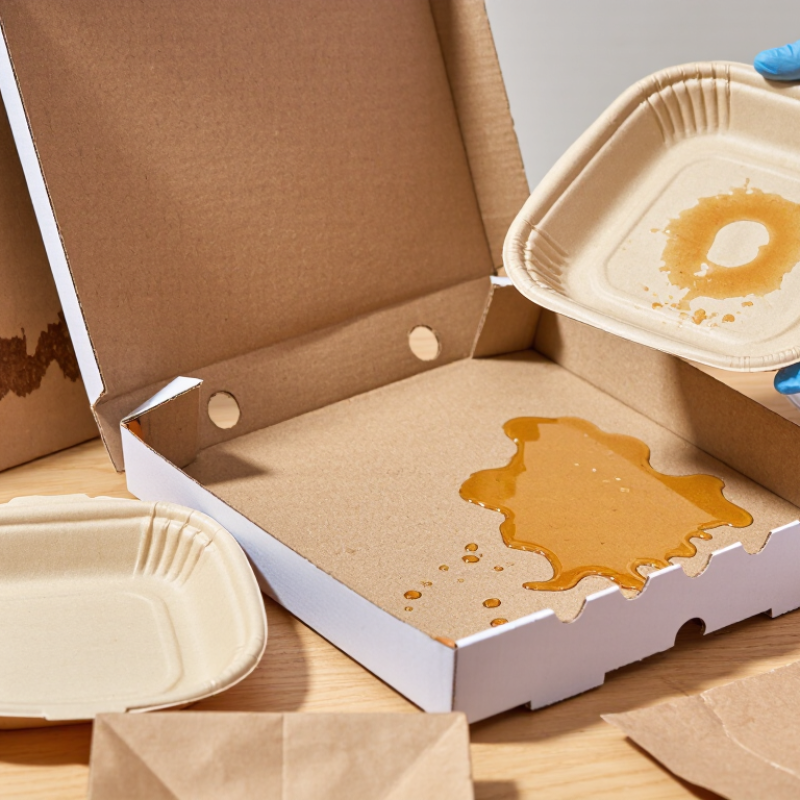
Grease-stained paper food packaging is paper that has absorbed oil or food residue. Examples include a pizza box with translucent patches, a buttered sandwich wrapper, or a paper tray holding fried food. The stain may look small. Oil can soak through from the underside, even when the top looks clean.

Paper cups and cartons with plastic or wax linings are different materials, even if they have food stains. Linings can make them unsuitable for ordinary paper recycling. Rules vary by location, so check your local waste service’s instructions before sorting unusual packaging.

Tips: Tear off clean, dry sections of a pizza box and recycle them only if local rules allow it. Put greasy or heavily soiled pieces in the trash or an accepted organics bin. Scrape away crumbs and leftover cheese first. Don’t rinse paper; water weakens its fibers and rarely removes embedded oil. When uncertain, I tend to keep questionable pieces out, though that can be overly cautious. Local guidance is more reliable than appearance alone.

How Grease Affects the Paper Recycling Process

Grease changes how paper behaves in a pulper. Water must soak into paper to loosen its fibers. Oil can slow that process, especially where a warm slice of pizza leaves a translucent patch. Small stains matter. As fibers separate, grease may move through the pulp, leaving deposits or contaminating recovered material. The impact depends on the mill’s equipment and the mix of incoming paper.

The U.S. EPA’s 2018 Advancing Sustainable Materials Management report measured paper and paperboard recycling at 68.2 percent. The American Forest & Paper Association reported a 65–69 percent U.S. paper recycling rate for 2023 under its updated calculation.

These figures describe overall recovery, not how much grease a mill can tolerate. Not every box.

Processors can screen out scraps, but screens catch solid pieces more easily than oil absorbed into fibers. Heavy grease may lower fiber quality, increase cleaning demands, or contribute to residue and odor. Mills assess contamination differently. A clean section may be separable from a soaked, food-smeared area, depending on local collection guidance. The advice is not perfectly tidy: a faint mark and a saturated carton are not equivalent, yet curbside sorting rarely offers a precise test.

Which Grease-Stained Packaging Can Be Recycled?

Which Grease-Stained Packaging Can Be Recycled?

A small grease mark does not always make paper food packaging unrecyclable. Clean, dry paper sleeves and bags can usually go in paper recycling when they have no plastic lining or food scraps. Lightly stained pizza-box sections may also be accepted, depending on local sorting rules. The dividing line is not always neat.

Heavily soaked or food-encrusted paper is generally unsuitable for recycling because grease and residue can interfere with paper-fiber processing. Tear a pizza box apart: recycle clean sections, and check local guidance for stained ones. Paper cups, cartons, and wrappers may have plastic or wax coatings, even when they look like plain paper. When packaging has a shiny inner layer, don’t assume it belongs in the paper bin.

Tips: Scrape off crumbs and let damp packaging dry. Separate clean and greasy parts when practical. A quick check of your local recycling guide is worthwhile; accepted items vary by facility, and a familiar-looking box may not be processed everywhere.

How to Sort and Prepare Greasy Paper Packaging

Can You Recycle Grease-Stained Paper Food Packaging?

How to Sort and Prepare Greasy Paper Packaging

Start by separating clean paperboard from greasy or food-soiled sections. A clean lid may be recyclable even when the box bottom is stained. Scrape off crumbs and sauces; don’t rinse the paper, since water can weaken its fibers. If grease has soaked through, keep that piece out of the recycling bin unless your local program specifically accepts it. Rules differ by community, so check the local recycling guide before sorting.

This small bit of sorting matters. The American Forest & Paper Association’s 2023 recycling report estimates that about 60% of paper consumed in the United States was recycled that year. That figure covers paper overall, not greasy food packaging specifically. Contamination can lower the usefulness of recovered paper, but a faint spot does not always mean an item must be discarded. I still find that judgment calls can be awkward. When in doubt, follow your hauler’s instructions rather than guessing.

Tips: Tear away heavily stained sections and recycle only clean, dry pieces. Compost greasy paper only if your local compost program accepts it. Remove plastic windows or liners when practical; don’t force apart bonded layers. A quick check saves confusion.

How to Dispose of Packaging That Cannot Be Recycled

Grease-stained paper packaging often cannot be recycled with clean paper. Oil and food residue can weaken paper fibers and contaminate other material. The U.S. Environmental Protection Agency reported that 68.2% of paper and paperboard was recycled in 2018. That broad figure does not mean greasy food boxes belong in every recycling bin. Check your local program’s rules; acceptance varies.

For a lightly soiled box, tear off clean sections and recycle them if local guidance allows. Put the greasy parts in the rubbish if they are not accepted for composting. Compost only when your local collection service takes food-soiled paper, and remove plastic windows or liners when instructed. No collection service nearby? The rubbish bin is the practical choice. Not perfect, but better than contaminating a recycling load.

A quick check helps: scrape out leftover food, then look for greasy patches or a soggy base. Keep clean cardboard dry and separate. Don’t rinse paper packaging; water can damage fibers and rarely removes absorbed oil. The U.S. EPA’s 2018 data describe paper recovery nationally, not the fate of each package. I admit, sorting rules can feel inconsistent. They often are, because local facilities use different equipment and standards.

FAQS

Does a small grease spot make paper packaging unrecyclable?

Not always. A lightly stained section may be accepted, depending on local sorting rules.

Can I recycle a pizza box with grease stains?

Separate clean sections from soaked or food-smeared areas. Check local guidance for the stained pieces.

What should I do with heavily greasy paper?

It is generally unsuitable for paper recycling. Grease and food residue can interfere with fiber processing.

Can crumbs stay on paper packaging?

Scrape off crumbs before sorting. Let damp packaging dry.

Are paper cups and wrappers always recyclable as paper?

No. Some have plastic or wax coatings. A shiny inner layer is a reason to check local guidance.

Why can grease cause problems at a paper mill?

Oil can slow water absorption and move through pulp. It may lower fiber quality or leave residue and odor.

Can recycling screens remove grease from paper?

Screens catch solid scraps more easily than oil absorbed into fibers. The distinction can be hard to judge at home.

Is a faint stain the same as a soaked carton?

No. They are not equivalent, though curbside sorting rarely offers a precise test. The boundary feels fuzzy.

Conclusion

Can you recycle grease stained paper food packaging? The answer depends on how much grease it contains and the rules of your local recycling program. Paper and cardboard can often be recycled when they are mostly clean, but oil and food residue can cling to the fibers, interfere with processing, and lower the quality of recycled material. A lightly stained box may still be acceptable, while paper that is soaked through or covered in food residue is generally not suitable for paper recycling.

Before sorting packaging, remove leftover food and separate clean, recyclable parts from heavily stained sections when practical. Place acceptable paper in the recycling bin loose and dry, rather than putting it inside a plastic bag. If a greasy portion cannot be recycled locally, dispose of it in the appropriate waste stream; where food-scrap collection accepts soiled paper, it may be compostable instead. Check local guidance, since accepted materials and preparation requirements vary.

Madeline

Madeline

Madeline is a dedicated marketing professional with a wealth of expertise in our company's core offerings. With a keen understanding of the industry, she brings a unique perspective to her role, consistently delivering high-quality content that highlights the superior aspects of our products. As......