How Long Does Biodegradable Food Packaging Take to Decompose?

Time:2026-06-15 Author:Oliver
0%

The demand for sustainable solutions in food packaging has never been higher. As awareness of environmental issues grows, biodegradable food packaging emerges as a potential solution. However, many consumers and businesses are left puzzled about how long does biodegradable food packaging take to decompose. This question is critical for assessing the true eco-friendliness of these materials.

According to a report by Smithers, a leading packaging consultancy, biodegradable packaging can take anywhere from a few months to several years to completely decompose, depending on various factors. Dr. Emily Green, an expert in sustainable materials, emphasizes, "The decomposition time varies widely with environmental conditions. It's not as straightforward as it seems." This nuance reflects a broader challenge in the industry. Not all biodegradable materials break down at the same rate, leading to potential misleading perceptions.

As we examine this topic, it's important to reflect on the implications of biodegradable technologies. While they offer a promising alternative to traditional plastics, the complexity of their decomposition process can lead to misconceptions. Therefore, understanding how long does biodegradable food packaging take to decompose becomes vital for informed choices.
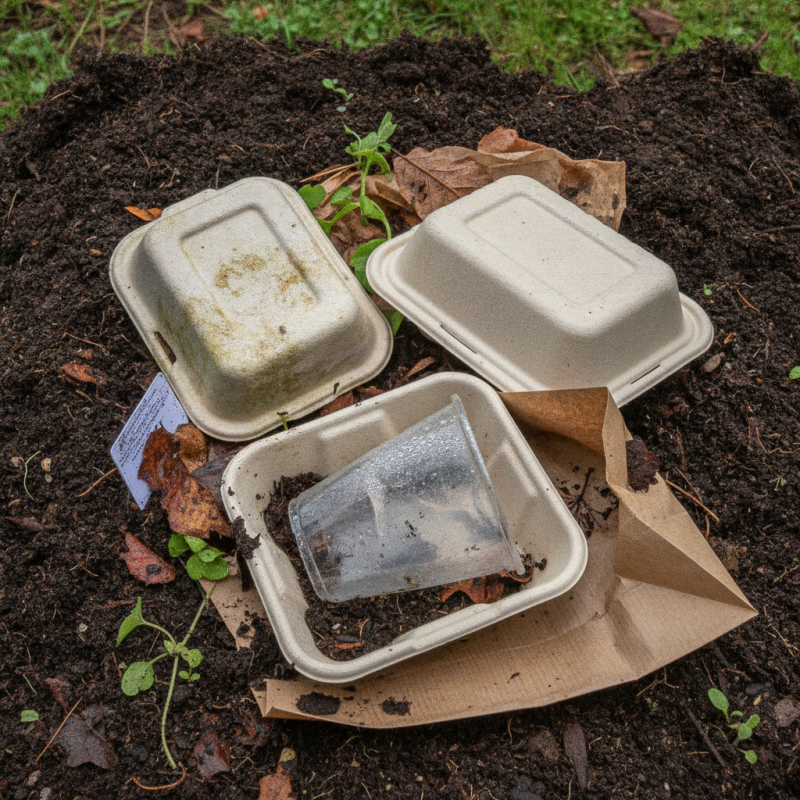
How Long Does Biodegradable Food Packaging Take to Decompose?

Understanding Biodegradable Food Packaging: An Overview

Biodegradable food packaging is becoming increasingly popular. This packaging breaks down naturally in the environment, reducing waste. Understanding its composition is key. Most biodegradable materials come from renewable resources. They can includePLA, made from cornstarch, or other plant-based materials. These options offer a cleaner alternative to traditional plastics.

Tips for choosing biodegradable packaging: Look for certifications. Genuine products often carry eco-labels. These labels ensure the material meets specific standards for biodegradability. Be mindful of disposal methods. Effective decomposition may require composting facilities, which are not universally available.

Another consideration is how long these materials take to break down. While some can decompose within a few months, others may take years. This variance can confuse consumers. Sometimes, the conditions needed for effective decomposition aren’t ideal. It’s essential to do your research and stay informed. Understanding where to recycle or compost can influence your choices.

How Long Does Biodegradable Food Packaging Take to Decompose?

Type of Biodegradable Packaging Time to Decompose Conditions for Decomposition Environmental Impact
PLA (Polylactic Acid) 3 to 6 months Compost facilities with high heat Low toxicity, compostable
PHA (Polyhydroxyalkanoates) 3 to 5 months Industrial composting Biodegradable in marine environments
Paper & Cardboard 2 to 5 months Moisture-rich conditions Recyclable and compostable
Starch-Based Plastics 3 to 6 months Composting conditions with microbes Less plastic pollution
Cellulose-Based Films 2 to 6 months Compost or anaerobic digestion Renewable resource, biodegradable

Factors Influencing Decomposition Rates of Biodegradable Packaging

Biodegradable food packaging often claims to decompose within a specific timeframe, but various factors influence this rate. One significant factor is temperature. A report from the American Society of Testing and Materials indicates that warmer temperatures can accelerate the decomposition of biodegradable materials. For example, compostable packaging can fully break down in composting facilities within 90 to 180 days at optimal temperatures, while backyard composting yields slower results.

Moisture also plays a crucial role. Excessively dry or wet conditions can hinder the process. A study published by the Journal of Cleaner Production shows that maintaining around 60% moisture content maximizes microbial activity essential for decomposition. Additionally, the type of material matters greatly. Not all biodegradable packages are created equal; some rely on specific microorganisms for breakdown. In marine environments, biodegradables may take much longer to decompose than in controlled composting settings.

Recognizing these variables is critical. Misleading expectations arise when assumptions about uniformity are made. Some materials may still linger in the environment long after their expected decomposition period. It’s essential for consumers to understand these nuances when choosing biodegradable options. Emphasizing proper disposal methods can enhance their environmental benefits, but many practices remain overlooked.

Comparing Decomposition Times: Biodegradable vs. Traditional Packaging

Biodegradable food packaging is designed to break down naturally over time. Its decomposition period varies significantly. Some types can decompose within a few months, while others may take years. In contrast, traditional plastic packaging can linger for centuries in landfills. This stark difference highlights the potential benefits of biodegradable options.

However, the environmental conditions play a crucial role in decomposition. Biodegradable materials often require specific environments, like industrial composting facilities, to break down efficiently. Without these conditions, their decomposition can slow significantly. This aspect raises questions about the effectiveness of biodegradable packaging in everyday use.

Moreover, while biodegradable packaging appears eco-friendly, its production process can still have carbon footprints. Awareness of the entire lifecycle of packaging is essential. Consumers should recognize that choosing biodegradable does not guarantee no environmental impact. We must remain reflective about our choices and seek options that genuinely align with sustainability goals.

Environmental Conditions Impacting Biodegradable Packaging Decomposition

Biodegradable food packaging is designed to break down naturally. However, its decomposition rate is heavily influenced by environmental conditions. Factors such as temperature, humidity, and soil composition play vital roles in this process. For example, warmer temperatures generally speed up decomposition. High humidity also encourages microbial activity, which is crucial for breaking down materials.

In a composting environment, biodegradable packaging can decompose in as little as 90 days. In contrast, if disposed of in a landfill, it may take much longer. The absence of oxygen creates anaerobic conditions, slowing down the breakdown significantly. This discrepancy highlights the importance of proper disposal methods.

Tips: For optimal breakdown, aim to compost your packaging. Keep it moist but not soggy. Regularly turn the compost pile to introduce air. If you're using biodegradable products, check local guidelines. Awareness of disposal options can lead to better environmental outcomes. Remember, not all biodegradable materials decompose at the same rate. Take action to ensure effective composting.

Future Trends in Biodegradable Packaging and Decomposition Research

The shift towards biodegradable food packaging is gaining momentum. Recent research highlights that certain biodegradable materials can decompose within three to six months under optimal conditions. However, challenges remain. Many factors affect the decomposition process, such as temperature, moisture, and microbial activity. For instance, the "Biodegradable Plastics and Marine Litter" report by the European Commission notes that without industrial composting, some products may take years to break down.

Future trends in biodegradable packaging focus on advanced materials. Scientists are exploring new polymers derived from natural sources. These can enhance the rate of decomposition and reduce environmental impact. According to a market research report by Smithers Pira, the biodegradable packaging market is expected to grow at a compound annual growth rate (CAGR) of 14% over the next five years. This indicates a significant investment in research and innovation.

Yet, the lack of standardization poses a challenge. Different certifications exist, causing confusion among consumers and producers. It is crucial to establish clear guidelines. The journey towards sustainable packaging requires collaboration across industries. Rethinking packaging solutions and understanding their life cycle is essential in achieving sustainability goals.

FAQS

: What is biodegradable food packaging?

: Biodegradable food packaging naturally breaks down in the environment, helping to reduce waste.

What materials are commonly used in biodegradable packaging?

Most biodegradable packaging is made from renewable resources, like cornstarch or other plant-based materials.

How can I know if a product is truly biodegradable?

Look for eco-labels or certifications to ensure the product meets specific biodegradability standards.

Why is disposal method important for biodegradable packaging?

Effective decomposition may require specific conditions, such as access to composting facilities, which aren't always available.

How long does it take for biodegradable packaging to decompose?

Decomposition time can vary; some materials break down in months, while others may take years.

What environmental conditions affect the decomposition rate?

Temperature, humidity, and soil composition all influence how quickly biodegradable materials break down.

What is the best method to dispose of biodegradable packaging?

Composting is ideal. Keep the compost moist and regularly turn it for better airflow.

Can biodegradable packaging decompose in a landfill?

Yes, but decomposition is much slower in a landfill due to anaerobic conditions and lack of oxygen.

How can I ensure effective composting of biodegradable products?

Research local guidelines on disposal methods and be aware of how to compost properly.

What should I consider when choosing biodegradable packaging?

Research its breakdown time, disposal options, and that conditions for decomposition are ideal.

Conclusion

Biodegradable food packaging is designed to break down more naturally than traditional materials, but the question often arises: how long does biodegradable food packaging take to decompose? This can vary significantly based on several factors, including the material used, environmental conditions, and the specific content of the packaging. Generally, biodegradable options can decompose within a few weeks to several months, depending largely on factors such as moisture, temperature, and microbial activity.

Comparing decomposition times, biodegradable packaging typically fares better than conventional plastics, which can take hundreds of years to break down. Additionally, ongoing research is aiming to enhance the efficiency and speed of biodegradation, paving the way for more sustainable packaging solutions. Understanding these dynamics is crucial for consumers and manufacturers alike as they navigate the shift toward greener alternatives in food packaging.

Oliver

Oliver

Oliver is a seasoned marketing professional with a wealth of expertise in driving brand awareness and engagement. With a deep understanding of our company's product offerings, he consistently delivers high-quality content that enriches our professional blog. His insights not only shed light on......