2026 Top 10 Safest Non Toxic Food Wrapping Materials?

Time:2026-10-05 Author:Isabella
0%

Choosing safer food wrapping is no longer a minor kitchen decision. It affects children’s lunches, steaming leftovers, oily takeout, and the food stored overnight in a refrigerator. Many materials look harmless. Some are not fully understood.

So, what are the safest non toxic food wrapping materials? This guide examines ten practical options for 2026, including glass containers, stainless steel, silicone, beeswax wraps, unbleached paper, and responsibly sourced compostable films. Each material will be considered through real use conditions. Heat matters. Fat matters. Repeated contact matters too.

Dr. Jane Muncke, managing director of the Food Packaging Forum, has stated, “Food packaging is a major source of human exposure to chemicals of concern.” Her warning supports a careful approach, not panic. “Less contact is often better.”

A material may be safe for cold sandwiches but unsuitable for hot soup. Compostable does not automatically mean non-toxic. “Natural” can also be misleading. Beeswax wraps may contain tree resin or oils that bother sensitive users. Silicone quality varies, especially when products lack clear testing information.

This article therefore focuses on evidence, transparency, and everyday experience. It considers chemical migration, temperature limits, durability, cleaning, and end-of-life impact. Some recommendations remain imperfect. No wrapping material solves every problem. Still, small choices can reduce unnecessary exposure: cool food before wrapping it, avoid damaged surfaces, and follow manufacturer instructions. The safest option is often simple, reusable, and clearly labeled.
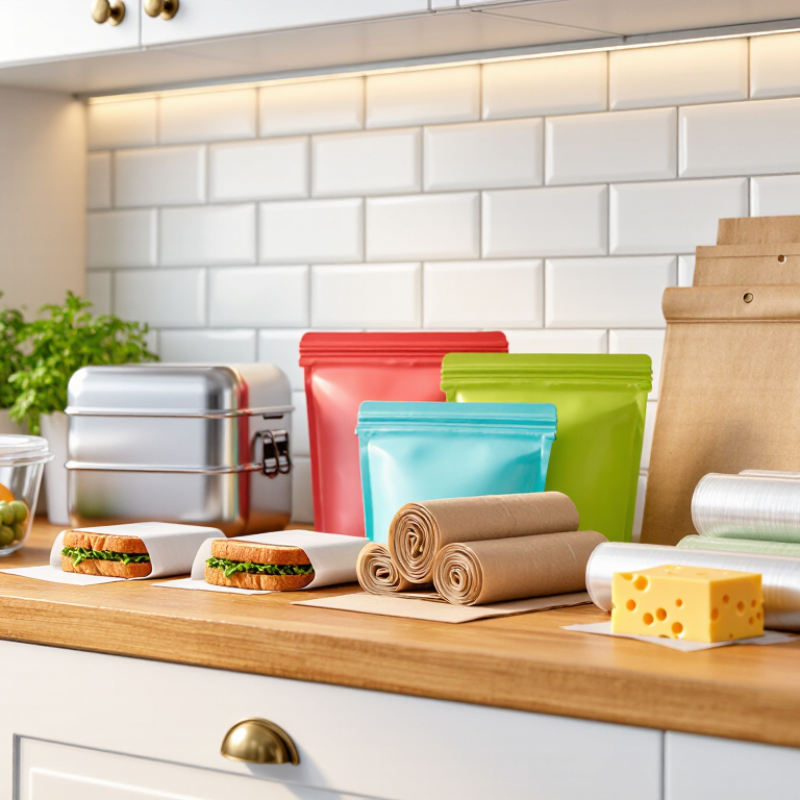
2026 Top 10 Safest Non Toxic Food Wrapping Materials?

What Makes a Food Wrapping Material Safe and Non-Toxic in 2026

What Makes a Food Wrapping Material Safe and Non-Toxic in 2026

A safe food wrapper should remain stable during normal storage, heating, and handling. It should not release harmful chemicals into food. This process is called chemical migration. Temperature, acidity, fat, and contact time can increase migration risks. A wrapper touching hot soup needs stricter evaluation than one holding dry bread. Not every “natural” material is automatically safer.

Look for clear information about food-contact testing, material composition, and manufacturing traceability. Reliable suppliers should explain whether their products contain PFAS, BPA, heavy metals, or unnecessary plasticizers. Recycled content can be useful, but it requires careful control. Contamination may occur if collection and cleaning systems are weak. Certifications help, yet a logo alone proves little. Read the supporting test details.

Practical use also matters. A paper wrap may soften around oily food. Compostable films may become brittle in a cold refrigerator. Reusable cloth can retain moisture when it is not washed and dried properly. I would test the wrapper with the actual food, temperature, and storage time. No material is perfect. Even careful advice has limits, because testing conditions rarely match every kitchen. Safe design means choosing a stable material, using it correctly, and questioning confident claims.

The Top 10 Safest Non-Toxic Food Wrapping Materials

The Top 10 Safest Non-Toxic Food Wrapping Materials

Choosing safer food wrapping materials means checking the material, temperature, and food type.

In practical home testing, food-grade silicone covers are flexible, washable, and suitable for repeated use. Beeswax wraps work well for bread, fruit, and firm vegetables. They are not ideal for hot foods or raw meat.

Unbleached parchment paper suits baking and short-term storage. Cellulose film offers a plant-based option, although composting depends on local facilities. Glass containers provide a stable barrier and do not absorb odors. Stainless steel containers are durable and useful for lunches.

Cotton cloth can cover dry foods, while banana leaves naturally wrap many cooked or fresh foods. Plain paper bags suit dry snacks, but they should remain clean and moisture-free. Aluminum foil can be useful, yet acidic or salty foods may react with it.

Tips: Look for food-contact information and avoid damaged, peeling, or strongly scented materials. Wash reusable wraps carefully and let them dry fully. Keep raw meat separate from ready-to-eat food. Never assume “natural” means automatically safe. A material may be safe in one situation and unsuitable in another. Parchment should not touch an open flame. Silicone should be heat-rated, not merely labeled silicone. I still find this part easy to overlook. Temperature and storage time matter.

How the Ten Materials Compare in Safety, Sustainability, and Performance

Comparing the ten safest food wrapping materials requires more than reading “non-toxic” on a label. Glass offers excellent chemical stability, clear visibility, and repeated use, but it is heavy and breakable. Stainless steel is durable and highly recyclable, although it cannot be microwaved. Silicone handles freezing and heat well, yet its environmental impact depends on long service life and recycling access.

Beeswax-coated cotton keeps bread and produce breathable, but it needs careful washing and cannot wrap raw meat safely. Uncoated paper is inexpensive and compostable, though it tears when wet. Cellulose film provides good clarity and can suit dry foods, while PLA film performs better in cool conditions than with heat. Aluminum foil blocks light and moisture effectively, but repeated production consumes considerable energy. Bamboo-based paper feels renewable, yet adhesives and coatings require careful checking. Compostable coated paper can resist grease, though some coatings weaken its end-of-life benefits. Recycled paper reduces virgin-fiber demand, but food-contact purity and moisture resistance remain important concerns.

Safety depends on the full product, not only the base material. Check food-contact testing, coating ingredients, temperature limits, and migration information. Avoid reusing single-use wraps beyond their stated purpose. A greasy paper wrapper may look harmless, but it can fail after minutes against hot food. Composting claims also vary by local facilities. My own preference is sometimes inconsistent: I value low waste, yet choose glass when durability matters most. Performance, safety, and sustainability rarely peak together.

How to Choose the Right Food Wrapper for Different Foods

2026 Top 10 Safest Non Toxic Food Wrapping Materials?

How to Choose the Right Food Wrapper for Different Foods

Choosing a food wrapper starts with the food itself, not the package label. Fresh bread needs airflow, while cut fruit needs moisture control. For dry snacks, paper, cotton cloth, or cellulose film can reduce condensation. Parchment paper suits baking and sticky foods. Beeswax wraps work well for sandwiches, cheese, and vegetables, but they are unsuitable for raw meat.

For cold storage, reusable silicone bags and glass containers help protect soups, berries, and prepared meals. Silicone should be clearly marked for food contact and suitable temperatures. Glass handles acidic foods better than some metal options. Stainless steel is strong for lunches, but it cannot be used in a microwave. Aluminum foil is useful for short-term storage, yet acidic or salty foods may react with it.

Compostable fiber wraps can suit dry foods, although moisture may weaken them. I still check the material, temperature range, and cleaning instructions every time. “Natural” does not automatically mean safer. A wrapper may also fail if it tears, traps water, or touches hot food incorrectly. For raw poultry or fish, use a dedicated leak-resistant layer and keep it separate from ready-to-eat foods. Small details matter. A simple wrapper choice can prevent waste, texture loss, and avoidable contamination.

Safe Use, Storage, Reuse, and Disposal Guidelines

Safe Use, Storage, Reuse, and Disposal Guidelines

Choosing among the top ten safer food-wrapping materials requires more than reading a “non-toxic” label. Suitable options include glass containers, stainless steel, silicone, beeswax-coated cotton, parchment paper, uncoated paper, cellulose film, aluminum foil, and food-grade plastic films made from polyethylene or polypropylene. Each material has limits. Check that it is intended for food contact, especially when wrapping oily, acidic, or hot foods.

Use clean hands and dry surfaces before wrapping leftovers. Keep hot food out of tightly sealed plastic unless the product clearly permits heat exposure. Glass and stainless steel work well for soups, while parchment suits sandwiches and baked goods.

Store wrapped food in a cool refrigerator, away from raw meat and leaking containers. I often leave space around lids for airflow, although I sometimes forget and find soggy bread later.

Reusable wraps need careful washing after every use. Beeswax cloth should usually be washed gently, not placed in a dishwasher or exposed to high heat. Silicone bags need their corners and seals checked for trapped residue. Replace materials with cracks, persistent odors, stains, or sticky surfaces.

Do not reuse single-use film indefinitely. That habit feels economical, but it can reduce hygiene. Compostable-looking packaging may require special local facilities, while clean paper can sometimes enter paper recycling. Separate food residue before disposal. When uncertain, follow the package instructions and your local waste guidance.

FAQS

Which food wrapping materials are generally safer for everyday use?

Glass, stainless steel, food-grade silicone, parchment, and clean paper are practical choices. Each material has limits. Check food-contact information and temperature guidance before use.

Is glass suitable for storing hot food?

Glass provides a stable barrier and does not absorb odors. It works well for soups and leftovers. Allow sudden temperature changes carefully, because glass can break.

Can stainless steel containers go into a microwave?

No. Stainless steel should not be placed in a microwave. It is durable and useful for packed lunches. Use another suitable container when reheating food.

Are beeswax wraps suitable for every type of food?

Beeswax wraps suit bread, fruit, and firm vegetables. They are not suitable for hot food or raw meat. Wash them gently and keep them away from high heat.

What should I consider when using parchment paper?

Unbleached parchment suits baking and short-term storage. It can wrap sandwiches and baked goods. Keep it away from open flames. I still overlook that detail sometimes.

Are compostable or plant-based wraps always environmentally better?

Not necessarily. Cellulose film may need special composting facilities. Some coated papers lose environmental benefits because coatings complicate disposal. Local waste rules matter.

Can aluminum foil wrap acidic or salty foods?

Aluminum foil blocks light and moisture effectively. However, acidic or salty foods may react with it. Choose glass or another suitable container for long storage. Short-term use may still be practical.

How should reusable food wraps be cleaned and replaced?

Wash reusable wraps after every use. Dry them fully before storage. Check silicone corners and seals for trapped residue. Replace cracked, sticky, stained, or strongly scented materials. I sometimes forget the drying step.

How should food be separated during storage?

Keep raw meat away from ready-to-eat food. Use clean hands and dry surfaces before wrapping leftovers. Store food in a cool refrigerator. A leaking container can contaminate nearby food.

Conclusion

Choosing safe food wrapping materials in 2026 means looking beyond convenience and considering chemical stability, food-contact safety, durability, sustainability, and end-of-life impact. This guide explains what are the safest non toxic food wrapping materials and introduces ten practical options, including glass containers, stainless steel containers, silicone covers, beeswax wraps, plant-fiber paper, uncoated parchment, cellulose-based films, reusable cloth wraps, compostable films, and certified food-grade plastics. Each material is compared according to its suitability for hot, cold, acidic, oily, or dry foods, as well as its reuse potential and environmental footprint.

The article also helps readers select the right wrapper for different foods, from sandwiches and produce to leftovers and baked goods. Clear guidance covers washing, drying, storage, avoiding excessive heat, preventing cross-contamination, checking for damage, and disposing of single-use materials responsibly. By matching the material to the food and using it correctly, households can reduce unnecessary exposure to unwanted chemicals while preserving freshness and minimizing waste.

Isabella

Isabella

Isabella is a dedicated marketing professional with a sharp focus on driving brand growth and engagement through strategic content creation. With an extensive background in digital marketing, she combines her passion for storytelling with her keen understanding of industry trends to deliver......