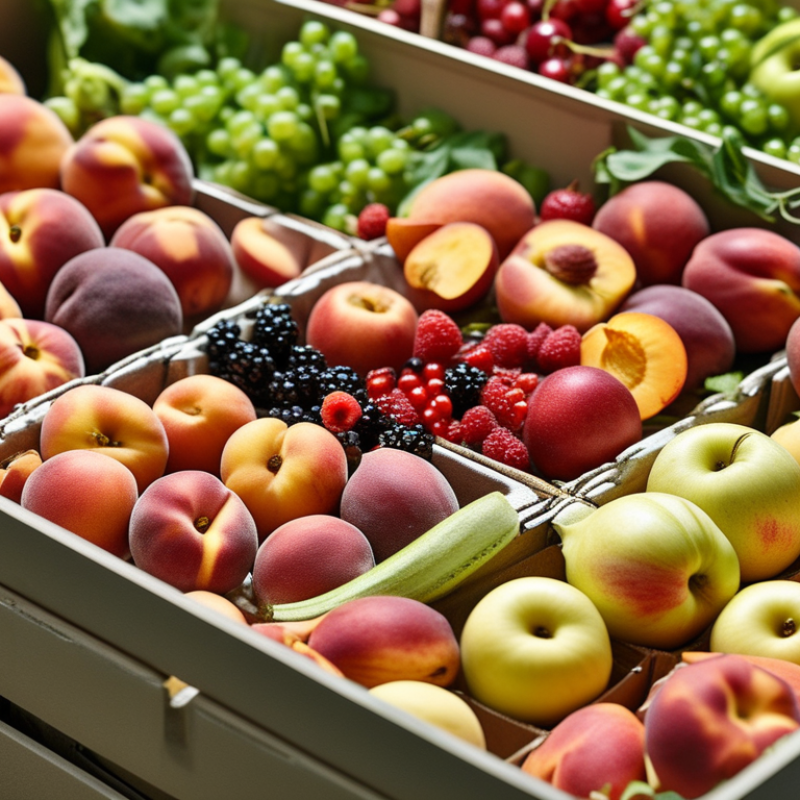
| Strawberries and Other Berries |
Crushing, moisture buildup, mold growth, and juice leakage |
Rigid, vented food-grade plastic or fiber clamshells with a secure lid |
Absorbent pad beneath the fruit; dividers or fitted inserts inside the outer carton |
High |
0–2°C |
Pack only dry, undamaged fruit. Keep berries in shallow layers and leave airflow around the retail containers. |
| Apples |
Bruising, vibration damage, and moisture loss |
Corrugated fiberboard carton with cell dividers or molded-pulp trays |
Molded-pulp cups, paper dividers, or low-density foam liners |
Moderate |
0–4°C |
Use cells that fit the fruit closely without compression. Place heavier cartons below lighter ones. |
| Pears |
Pressure bruising and softening during transit |
Sturdy corrugated carton with individual cells or a molded-pulp tray |
Soft paper wraps, molded fiber, or breathable foam sleeves |
Moderate |
0–4°C |
Choose firm, mature fruit and avoid packing pears tightly against the carton walls or one another. |
| Peaches, Nectarines, and Plums |
Surface bruising, compression, and rapid ripening |
Shallow, rigid tray or ventilated carton with separated compartments |
Molded-pulp inserts or soft cushioning sheets; avoid rough surfaces |
Moderate to High |
0–4°C |
Use shallow layers to reduce pressure. Avoid overfilling because ripe stone fruit is easily damaged. |
| Grapes |
Stem browning, berry detachment, crushing, and condensation |
Vented clamshell, punnet, or perforated fiberboard container |
Absorbent liner and a rigid outer carton with internal separators |
High |
0–1°C |
Keep bunches dry and cool. Do not compress the containers, and allow cold air to circulate through the carton. |
| Citrus Fruits |
Impact damage, rind punctures, mold, and dehydration |
Ventilated corrugated carton or reusable ventilated plastic crate |
Paperboard partitions, molded-pulp dividers, or a thin cushioning liner |
Moderate |
3–8°C |
Use strong cartons with drainage and airflow openings. Remove fruit with cuts or soft spots before packing. |
| Bananas |
Chilling injury, bruising, pressure marks, and ethylene-related ripening |
Ventilated corrugated carton designed for produce airflow |
Paperboard supports or soft liners around the hands; avoid sealed plastic wrapping |
High |
13–14°C |
Keep bananas away from temperatures below about 13°C. Prevent heavy items from pressing on the crown or fingers. |
| Avocados |
Bruising, compression, and uneven ripening |
Rigid carton with individual cells or a molded-pulp tray |
Fitted pulp inserts, paper dividers, or protective sleeves |
Moderate |
5–13°C |
Ship firm fruit in a single or shallow layer when possible. Keep cartons stable and avoid excessive stacking pressure. |
| Mangoes |
Impact bruising, sap burn, and accelerated ripening |
Ventilated corrugated carton with individual compartments |
Molded-pulp inserts or soft paper separators |
Moderate |
10–13°C |
Separate fruit from direct contact with rough carton surfaces. Avoid sealing warm mangoes in airtight plastic. |
| Pineapples |
Crown breakage, impact damage, and leakage from overripe fruit |
Strong ventilated corrugated carton or rigid reusable produce crate |
Corrugated partitions, molded-pulp supports, or a cushioned base layer |
Moderate |
7–10°C |
Position fruit securely with crowns protected. Use drainage protection if the fruit is highly ripe or moisture is expected. |
 PsiPrime Packaging